
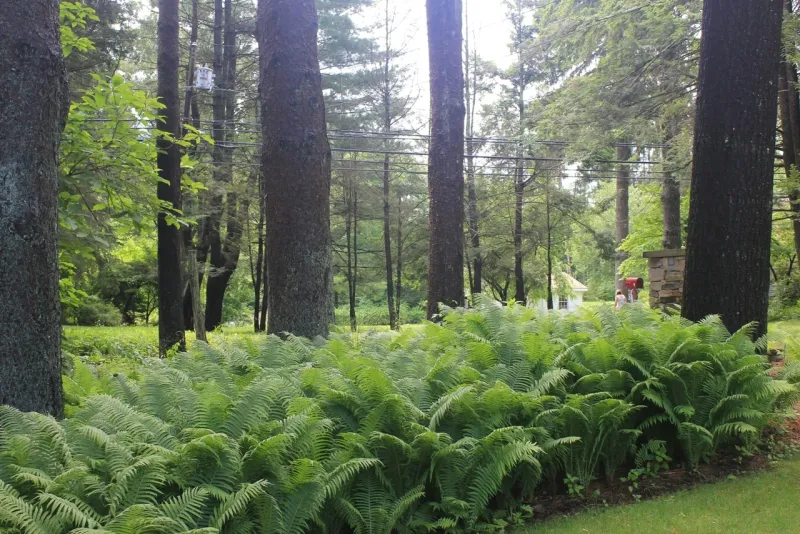
You do not need to live in the tropics to have a yard that looks like a rainforest. Some of the wildest-looking plants around, with giant leaves, odd fruit, and spiky shapes, are perfectly happy in North Carolina.
Many are even native, so they can feed local birds, bees, and butterflies while handling our hot summers and chilly winters. Here are ten bold plants that bring the jungle feel without the fuss of babying tender houseplants outdoors.
1. Pawpaw
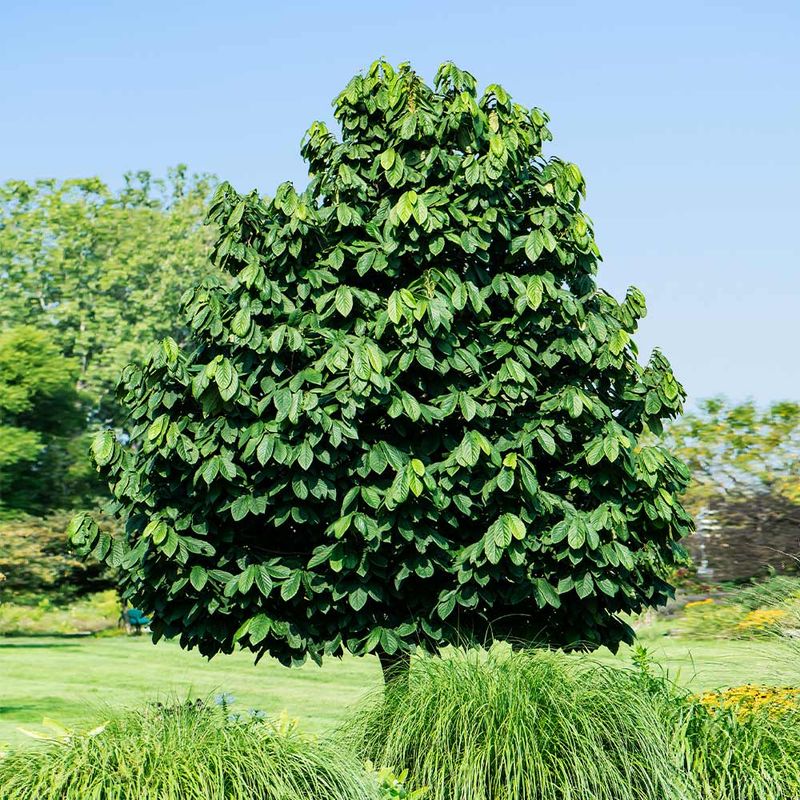
Picture a fruit that tastes like banana custard growing wild along creek banks near Raleigh. Pawpaw is the largest edible fruit native to North America, and its long, drooping leaves give any yard a tropical understory look.
Trees usually stay 15 to 25 feet tall and do well in part shade, which makes them handy for spots under taller oaks. Plant at least two different varieties, since pawpaws generally need a partner for good fruit set.
There is a wildlife bonus too. Pawpaw is the only host plant for the zebra swallowtail butterfly, so those striped caterpillars you spot are a good sign.
Fall is a fine time to plant container trees across the Piedmont and coastal plain.
2. Dwarf Palmetto
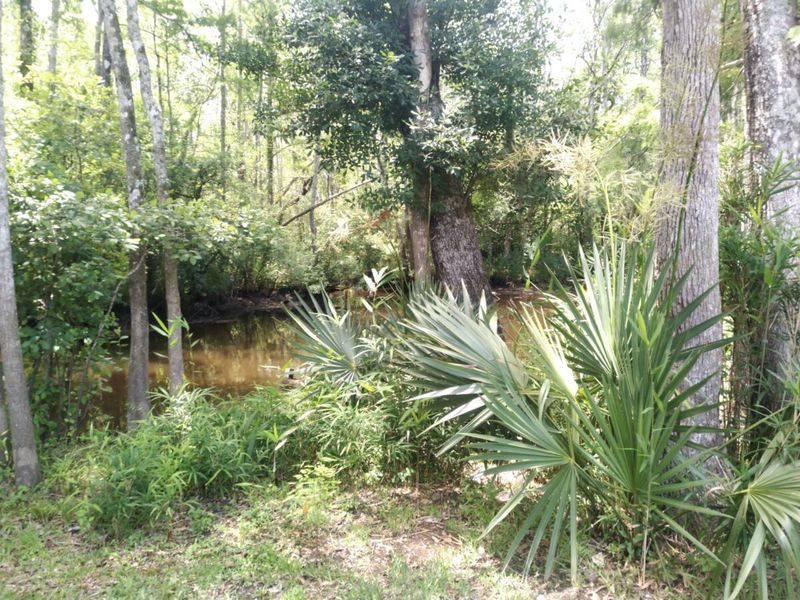
Fan-shaped leaves, a shaggy beach-house vibe, and real cold toughness. Dwarf palmetto, Sabal minor, grows naturally in North Carolina swamps and floodplains, and most mature plants handle winter lows into the single digits.
It rarely forms a visible trunk, staying low at about 4 to 6 feet wide. That makes it a great pick for foundation beds, wet corners, or shady spots where grass gives up.
Growth is slow, so start with a decent-sized pot. Once settled, it needs almost nothing from you, and birds may eat the small black fruit in fall.
3. Bigleaf Magnolia
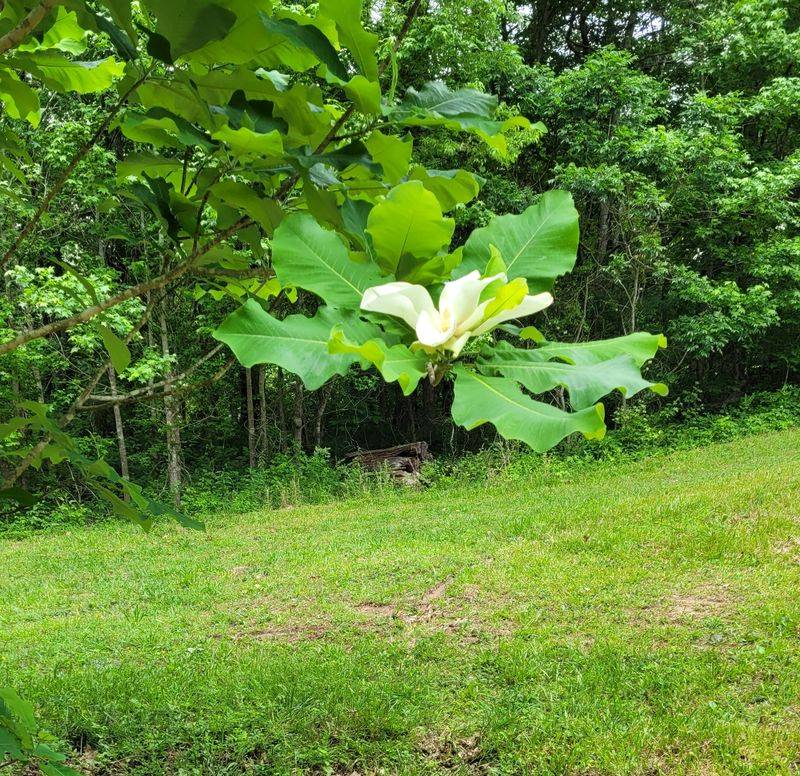
Leaves up to 30 inches long. That is not a typo.
Bigleaf magnolia, native to parts of the Southeast including western North Carolina, has some of the biggest simple leaves of any tree on the continent.
In late spring it opens creamy white flowers the size of dinner plates. Kids tend to love standing under it and comparing leaf sizes to their arms.
Give it shelter from strong wind, since those huge leaves can shred in exposed spots. It likes rich, moist soil and some afternoon shade, which suits mountain and Piedmont yards well.
4. Yucca filamentosa
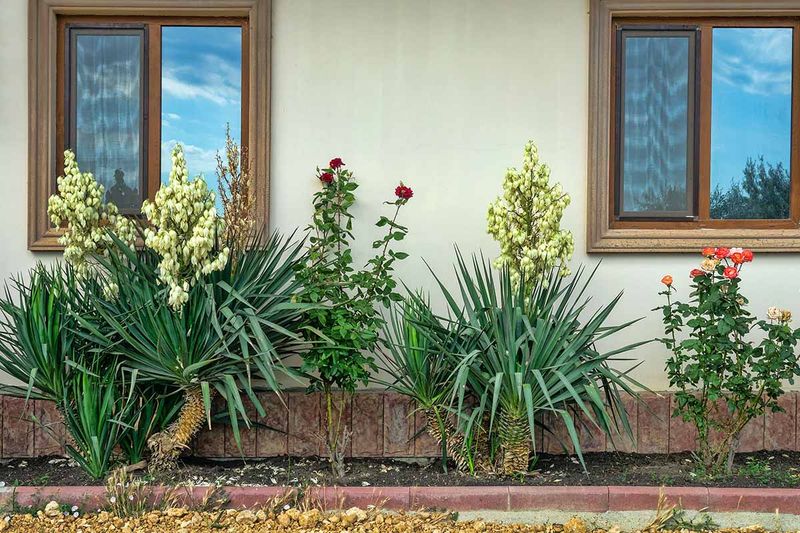
Sandy soil, blazing sun, and a forgetful gardener? Adam’s needle laughs at all three.
Its stiff, sword-like leaves with curly white threads look like something from a desert movie, yet it is native to the Carolinas.
In early summer, a flower stalk can shoot up 5 to 8 feet, covered in white bells. Those blooms depend on yucca moths for pollination, a neat partnership worth pointing out to curious kids.
Use it along driveways, slopes, or coastal beds. Just keep the pointy tips away from walkways where little legs run past.
5. Hardy Banana
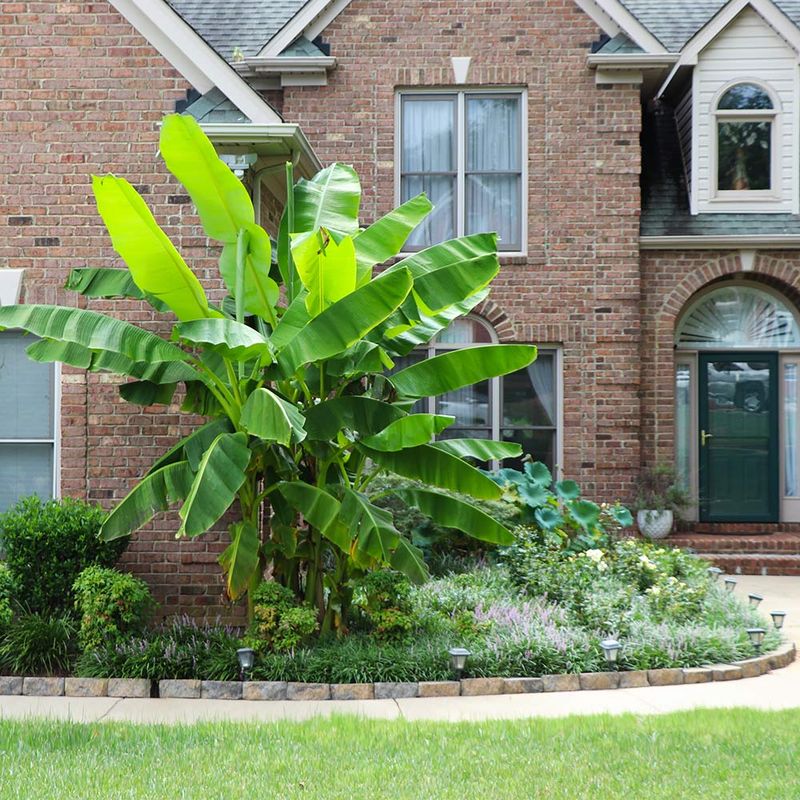
Here is the one non-native on the list, and it earns its spot honestly. Musa basjoo, the hardy banana, gives you real banana-tree drama, with paddle leaves that can top 6 feet long by midsummer.
It is not invasive, and roots often survive winters across the Piedmont and coast when mulched. The top dies back after the first freeze, typically late October in the mountains and November farther east.
Late September is the time to plan for that. Cut stems to a few feet after frost blackens them and pile 12 inches of shredded leaves over the base, which can help roots come back in spring.
Don’t expect edible fruit, just big shade and a lot of compliments.
6. Southern Maidenhair Fern
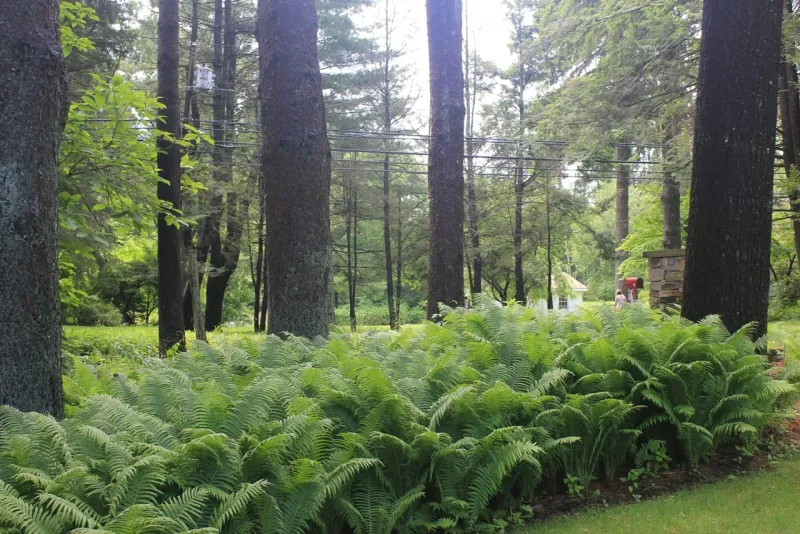
Walk into a patch of cinnamon fern after a summer storm and you could swear you were in a cloud forest. North Carolina has dozens of native ferns, and several grow tall and lush enough to read as pure jungle.
Cinnamon fern can reach 4 feet in damp shade, with fuzzy rust-colored fronds in spring. Southern maidenhair fern stays smaller and lacy, perfect for tucking near a shaded birdbath or downspout.
Ferns also give toads and salamanders cool cover. Fall planting lets roots settle while the soil is still warm.
7. Rattlesnake Master
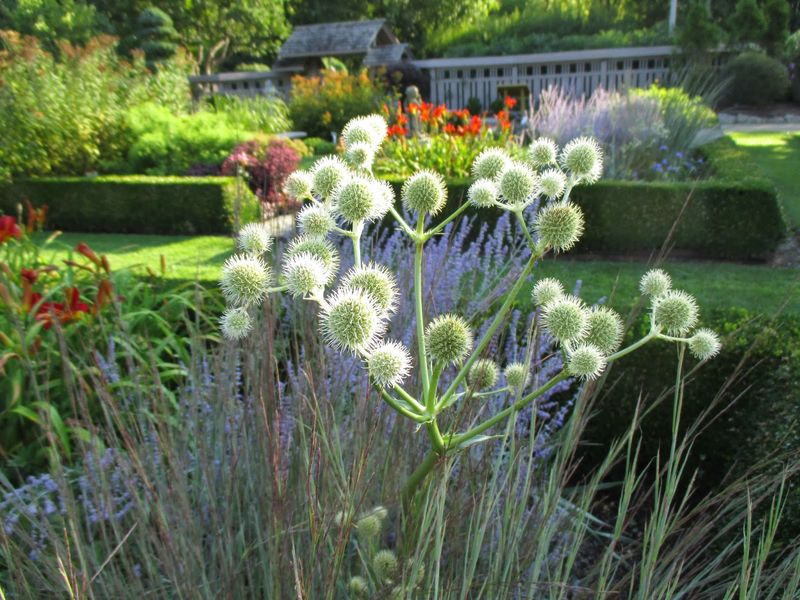
Spiky leaves, alien-looking golf ball flowers, and a name that starts conversations. Rattlesnake master looks like it came from another planet, but it is a native prairie plant found in parts of North Carolina.
The odd silvery blooms pull in a surprising crowd of wasps, bees, and beetles in midsummer. It handles poor, dry soil and full sun with ease.
Plant it in small groups for a sculptural look in a pollinator bed. Seed heads standing into fall add texture after many flowers fade.
8. Swamp Hibiscus
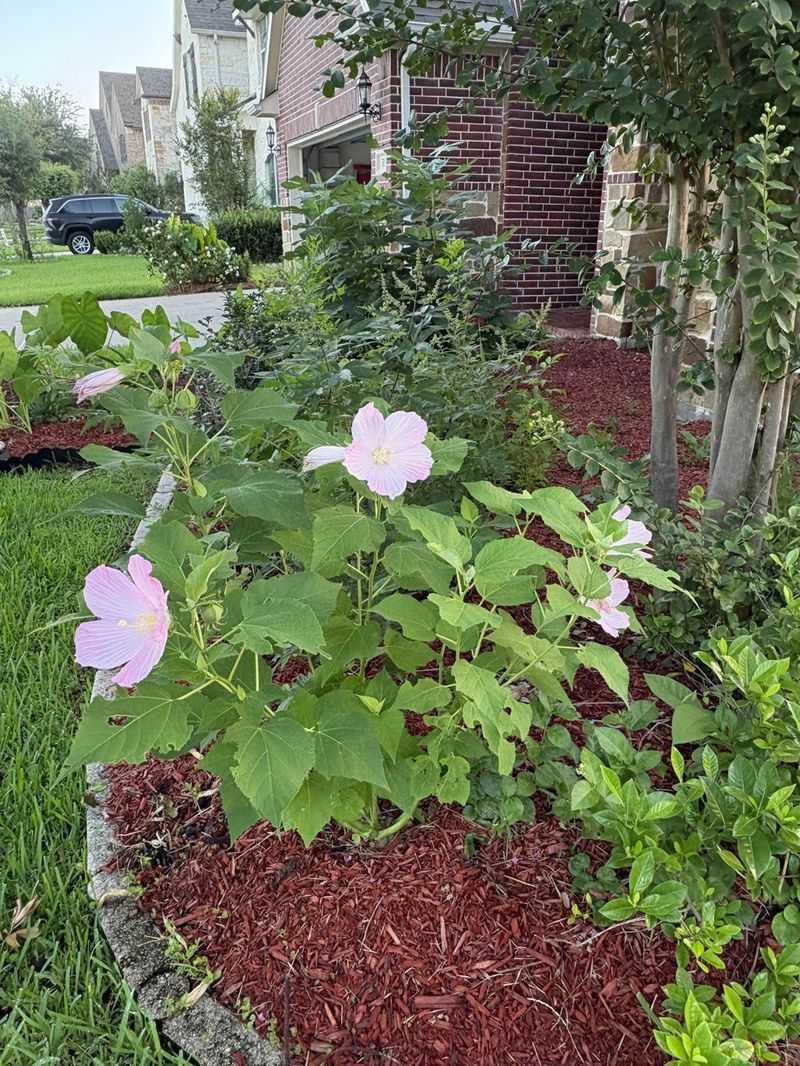
Flowers as big as a salad plate tend to stop neighbors on the sidewalk. Native rose mallows, like Hibiscus moscheutos and scarlet rose mallow, give tropical hibiscus looks while sleeping through our winters underground.
Scarlet rose mallow has deeply cut leaves and glowing red, star-shaped blooms that hummingbirds visit. Both kinds love wet soil and full sun, so a rain garden or low corner is ideal.
They emerge late in spring, so mark the spot to avoid digging them up by accident. After frost, cut stems back to a few inches.
9. Passionflower
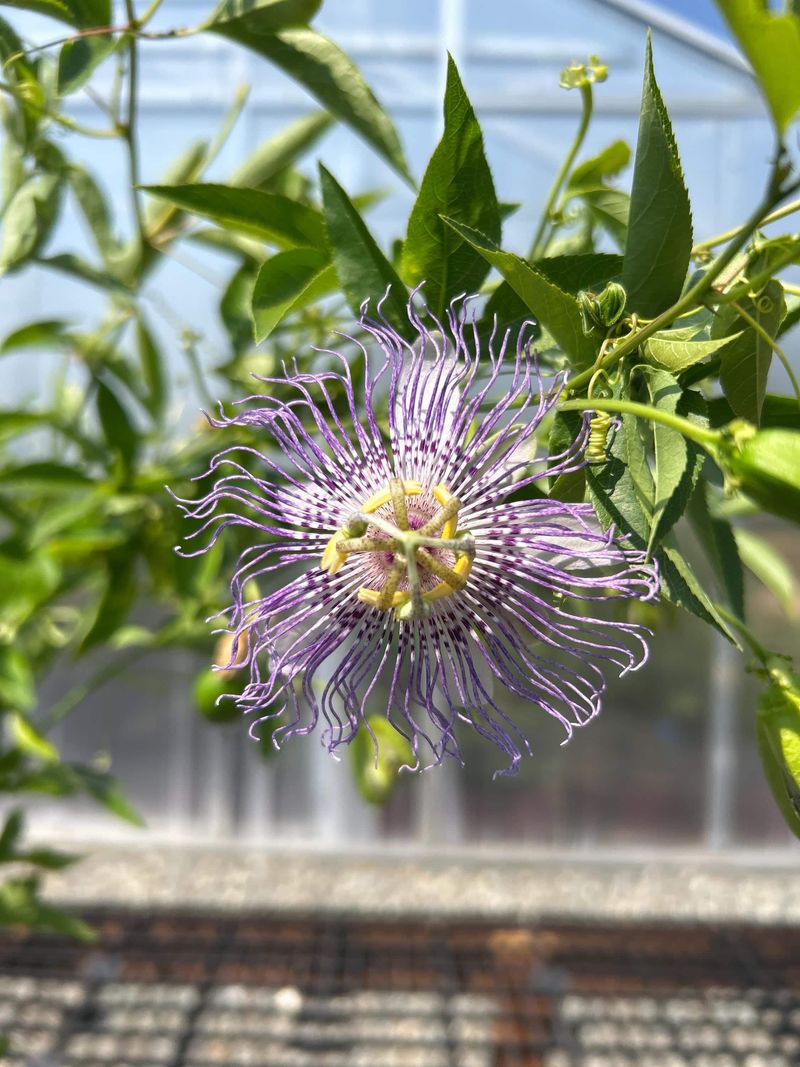
Few flowers look this complicated. Maypop, our native passionflower, has frilly purple filaments and odd central structures that seem designed by a jeweler.
Its egg-shaped fruit pops when stepped on, which explains the folk name. The pulp is edible when the fruit turns yellow and wrinkly, usually late summer into fall.
Maypop hosts gulf fritillary and variegated fritillary caterpillars, so expect some chewed leaves. It spreads by roots, so give it a fence or trellis with room to roam.
10. Giant Cane
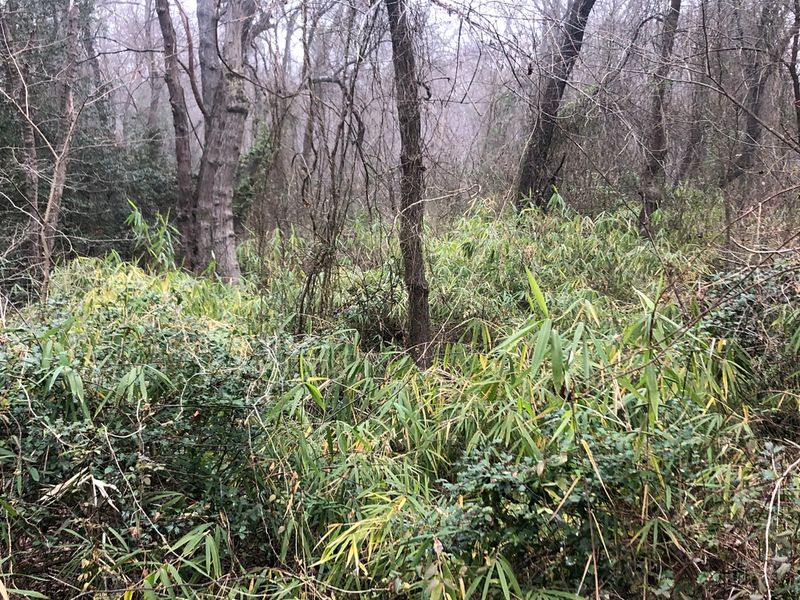
Want bamboo without the bamboo nightmare? Giant cane, Arundinaria gigantea, is North Carolina’s native bamboo, and it once formed huge canebrakes across the Southeast.
It gives the same leafy, jungle screen as running Asian bamboo, though it tends to spread more modestly. Many gardeners use it along creek edges, where roots may help hold soil in place.
Canebrakes also shelter songbirds and host several native butterflies. If you’re tempted to pull out invasive golden bamboo, this makes a great native swap.