
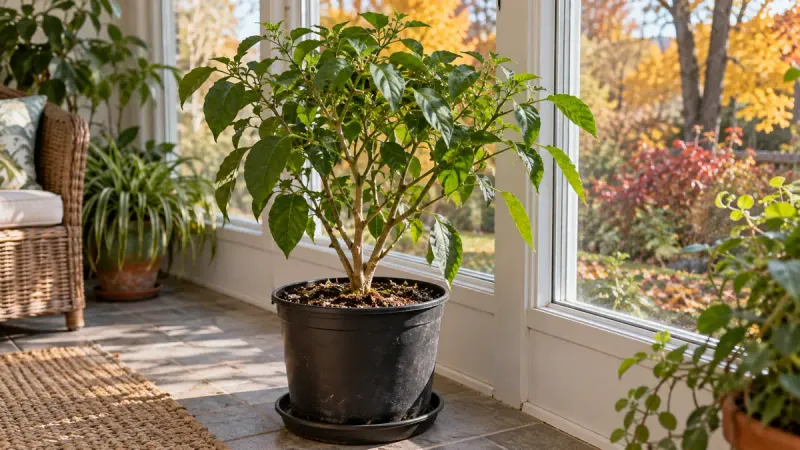
You carry your pepper plant inside before a cold snap, and a few days later leaves are yellowing and blossoms are on the floor. It feels like you did something wrong, but the story is more nuanced than a simple one-week rule.
Moving a plant from bright outdoor sun to a dimmer room is a real change, and there are smart ways to ease it. Here is how to read what your pepper is telling you and what you can do next.
Why might leaves or blossoms fall?
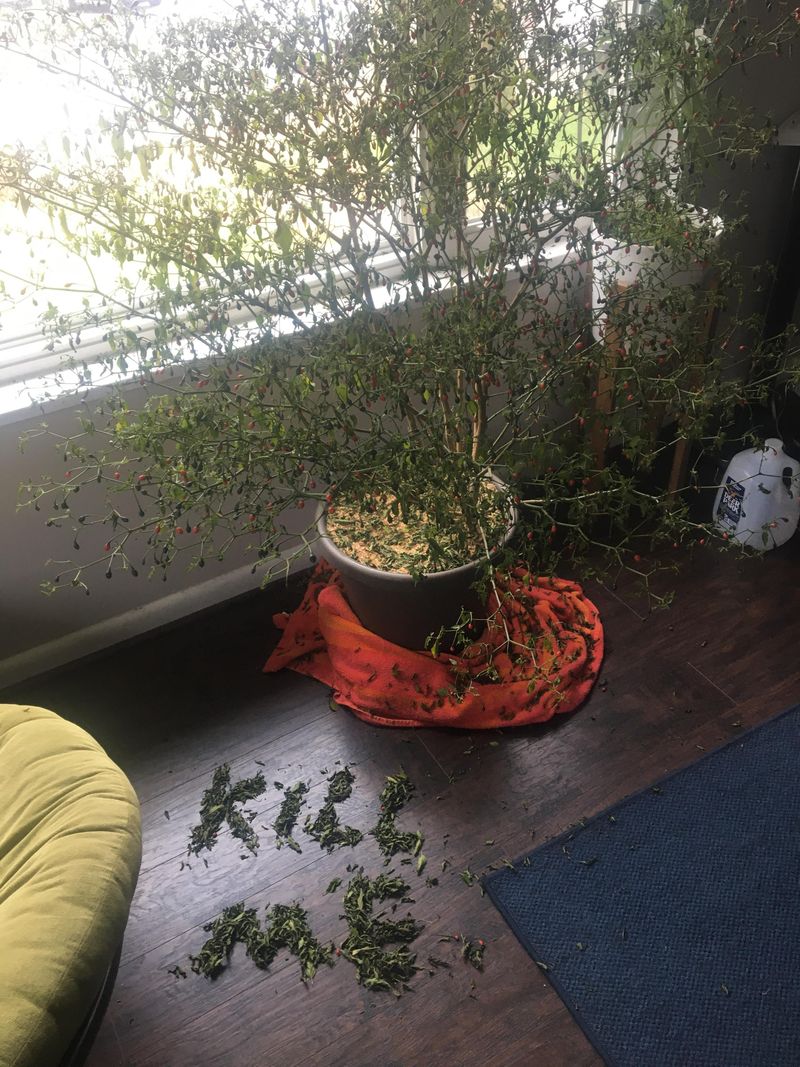
Seeing leaves and blossoms drop after an indoor move is alarming, especially when the plant looked healthy on the patio. A sudden shift from full outdoor sun to lower indoor light can stress a plant, and Oklahoma State Extension notes that some leaf drop can happen as plants adjust.
University of Minnesota guidance on bringing houseplants in for winter describes a similar adjustment period.
There is no solid evidence for a rule that peppers lose all their leaves and flowers within a week. Leaf drop and blossom drop are also separate symptoms.
Blossoms can fall because of other stresses, and New Mexico State University research on chile disorders ties flower loss to environmental stress such as temperature and water conditions.
So a fallen blossom does not automatically mean the move caused it. Note the temperature, light, and soil moisture around the plant.
A gradual transition may ease the change, but it cannot promise that no leaves or flowers will fall.
Use fall acclimation, not seedling hardening off
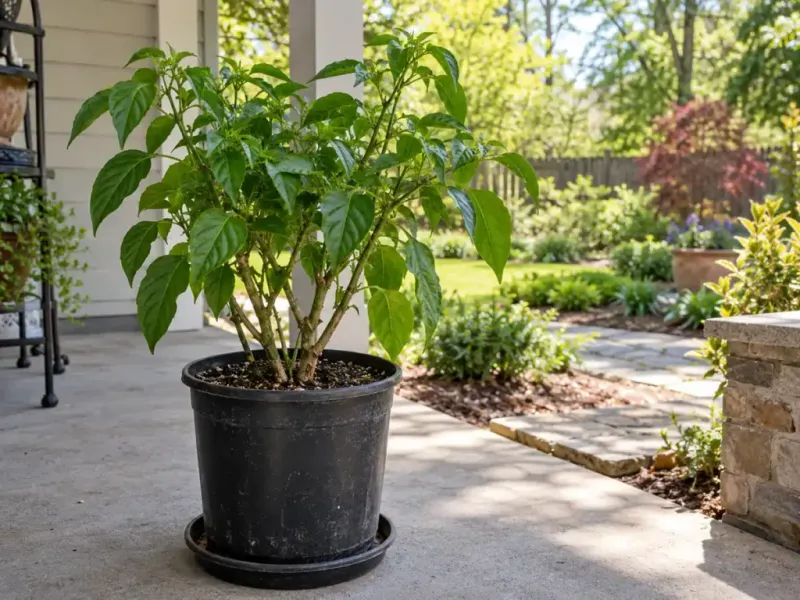
Gardeners often hear the phrase “harden off,” and it can cause confusion here. University of Maryland Extension uses the term for getting seedlings grown indoors or in a greenhouse used to outdoor conditions before planting.
Your fall move runs in the opposite direction. A mature potted pepper is going from outside to inside, so “acclimate” or “gradually transition indoors” describes it better.
The idea matches the general advice from Oklahoma State Extension on easing potted plants toward indoor conditions.
The wording is only a label. A slow transition is a sensible step, but it is not a guarantee against dropped leaves or blossoms.
Let local cold risk guide the timing
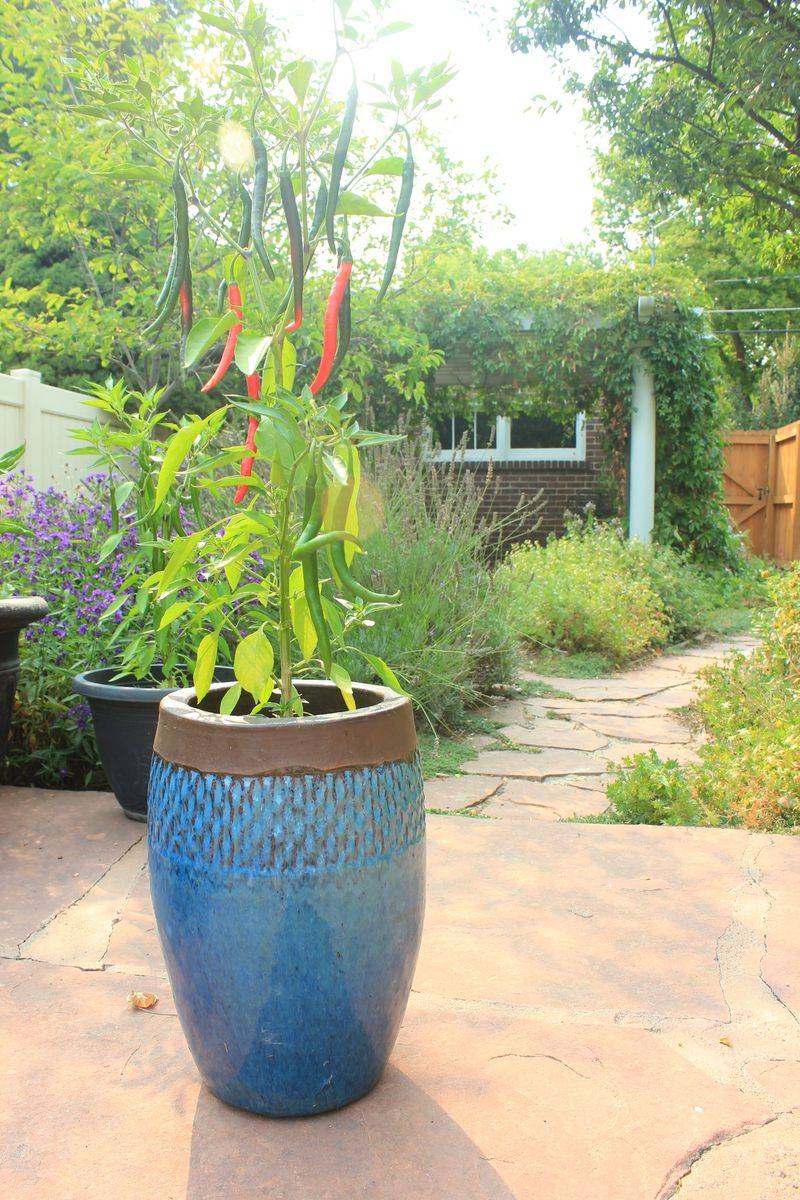
Peppers are warm-season plants, and cold can hurt them. UF/IFAS reports cold injury in pepper crops when temperatures drop near freezing, even in Florida.
Texas A&M AgriLife describes peppers as warm-season crops that belong in the ground after cold danger has passed.
That points to a simple habit: watch your own forecast. A gardener in South Florida may leave pots outside much longer than one in North Texas.
Neither source gives one indoor-moving date for everyone.
You also do not have to keep a pepper indoors all winter. Many gardeners move pots inside only when a cold night is coming, then decide what comes next based on how the weather behaves where they live.
Ease the change to lower light
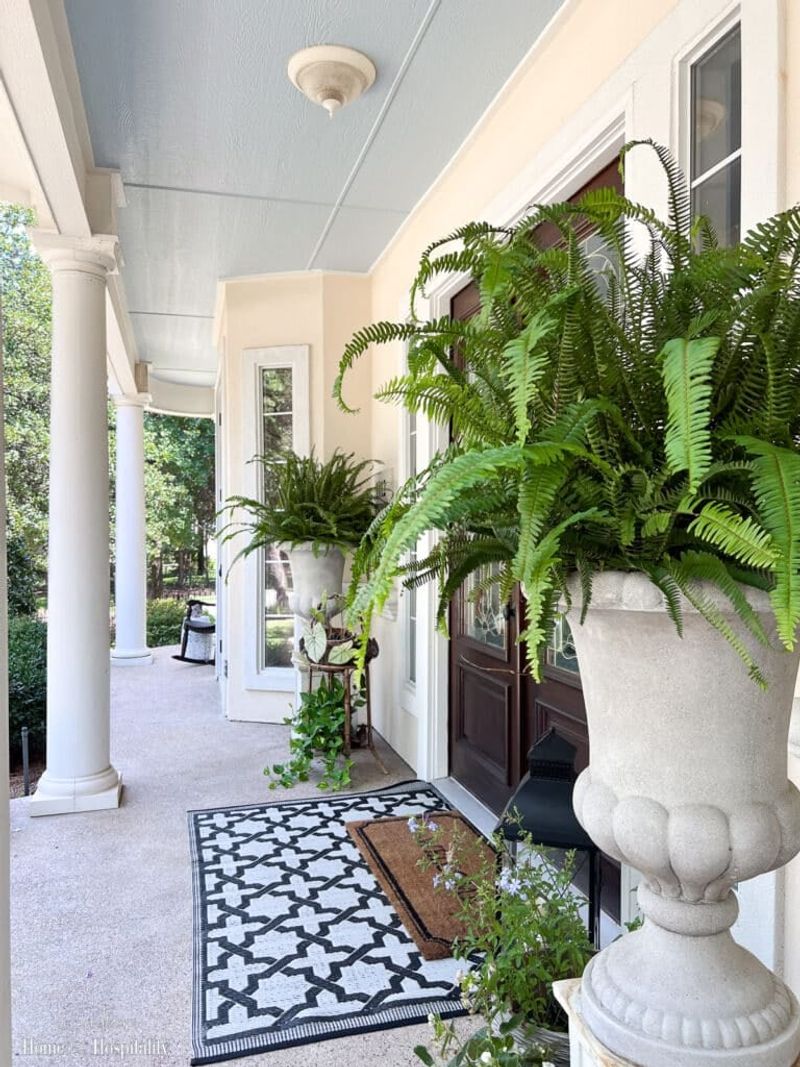
Indoor light is usually far dimmer than a sunny patio, even beside a bright window. To soften that jump, Oklahoma State Extension suggests moving outdoor potted plants to a shaded spot for about a week before bringing them inside.
This is general advice for potted plants, not a pepper trial. It is a reasonable way to avoid an abrupt change, but it will not guarantee that leaves or blossoms stay put.
If a cold night is on the way, you may not have a full week. In that case, move the plant to the best spot you have and watch how it responds rather than assuming the worst.
Inspect the pepper before bringing it near other plants
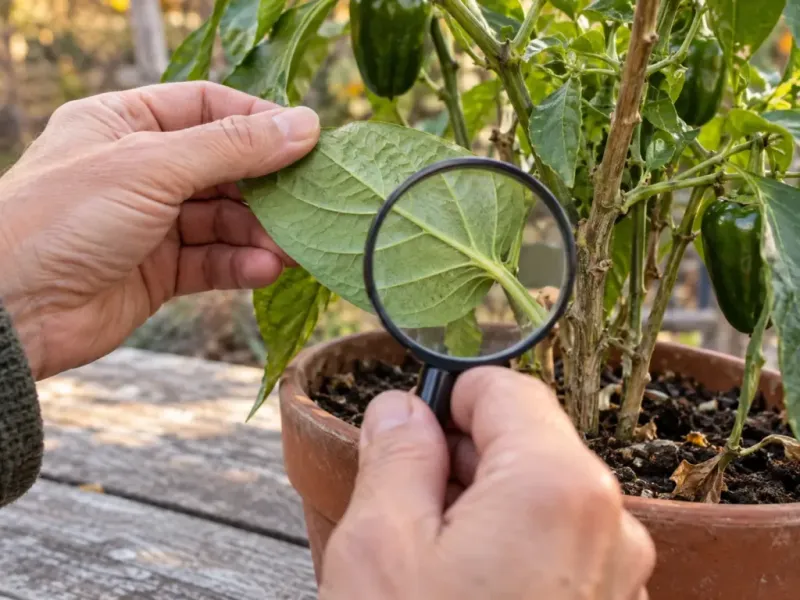
Outdoor plants often carry hitchhikers. Before a pepper joins your indoor collection, look over the stems, the undersides of leaves, and the soil surface for insects or signs of disease.
University of Minnesota Extension warns that pests can spread between nearby plants.
A careful look helps, but it cannot guarantee a plant is pest-free, since some insects are tiny or hide well. Keeping the pepper a little apart from your other plants for a while gives you more time to spot trouble.
If you think about using a pesticide, read the label first. Choose only a product labeled for indoor use and for the plant you are treating.
Choose between active growth and dormancy
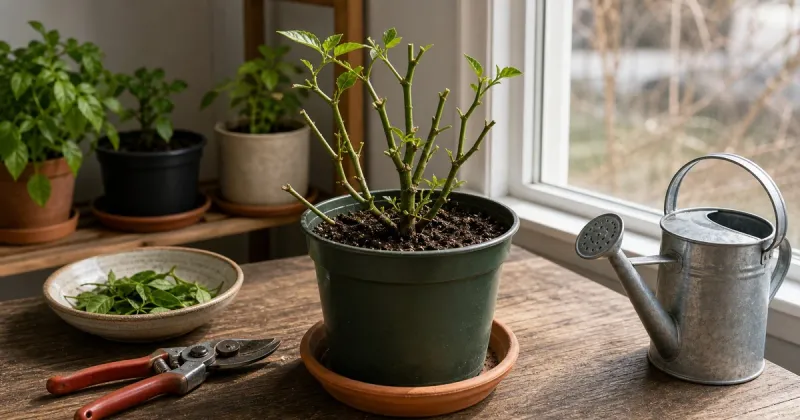
Winter care works best when you pick a goal. If you want a pepper that keeps growing or setting fruit, it needs adequate light, and an Extension expert on Ask Extension advises artificial lighting for winter fruiting.
If you only want the plant to survive until spring, the dormant approach is different. That expert describes trimming the plant back, keeping it cool, and limiting water.
Gardeners in cooler areas describe similar overwintering ideas, such as in Oregon State Extension’s overwintering list.
Try not to blend the two plans. A warm, lit, growing pepper and a pruned, cool, resting pepper need different handling, so there is no single temperature, light level, or pruning cut that fits both.
Adjust watering as indoor growth slows
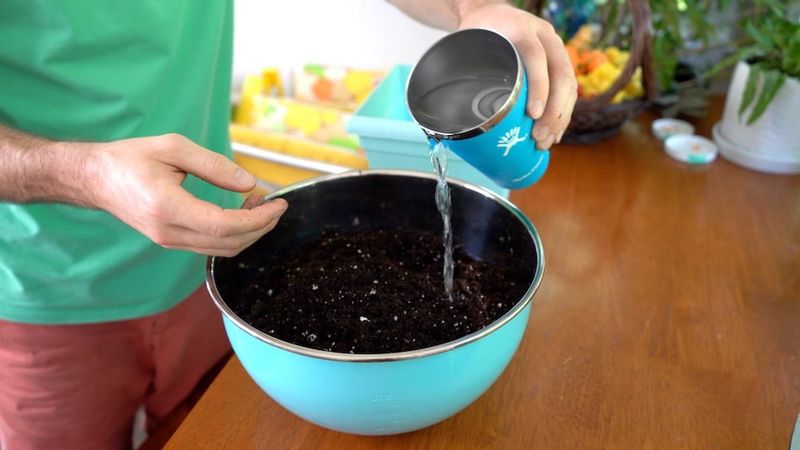
Indoors, most peppers use less water than they did on a hot patio. Rather than keeping the same outdoor routine, check the soil and look at how the plant is growing.
A pepper pushing new leaves may want more water than one sitting still.
Overwatering is a real risk for a dormant plant. The Ask Extension response cautions against it, and Maryland Extension lists overwatering as a common cause of winter indoor-plant decline.
Stick a finger into the soil and let that guide you. Make sure the pot drains well and empty any saucer so roots are not sitting in water.
Treat the move as a transition, not a guarantee
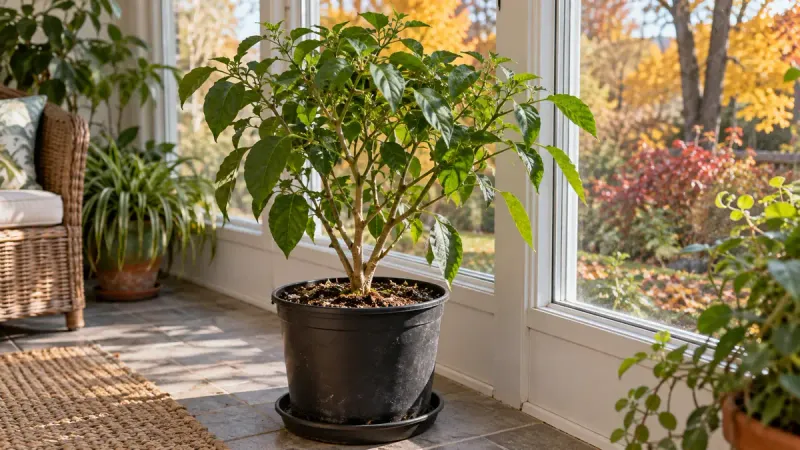
A few dropped leaves do not mean your pepper is finished. Plants often need time to adjust, though no step can promise a loss-free move.
Watch local cold risk, ease the light change as Oklahoma State Extension suggests, inspect for pests, and match care to your goal, whether growth or a dormant rest.
Patience is often the best tool you have.