
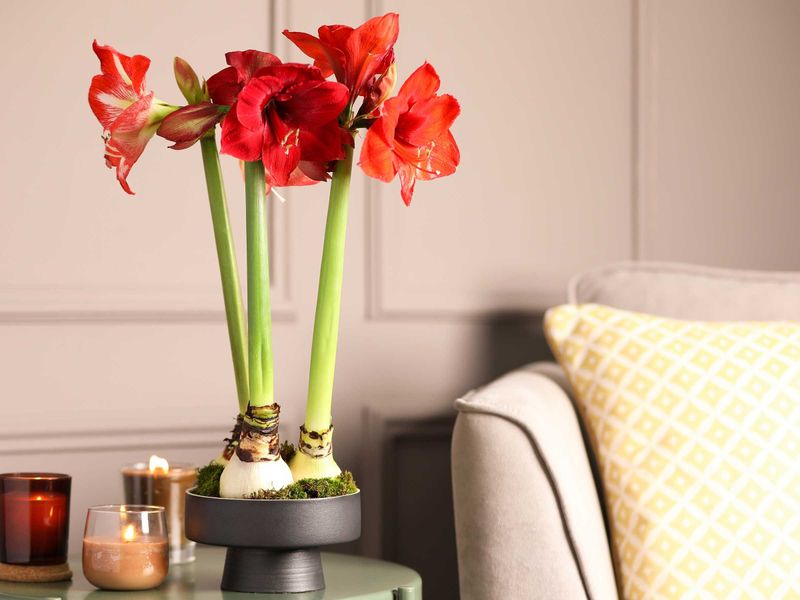
That amaryllis bulb you tucked away last spring has been quietly resting, and the calendar is now telling you to act. Late October gives a rested bulb a fair shot at flowering around the holidays, though no bulb follows a perfect schedule.
Knowing how to check it, pot it, and care for it can keep you from a sad, flowerless December. Here is how to wake it up the right way.
Late October offers a chance at Christmas blooms, not a guarantee
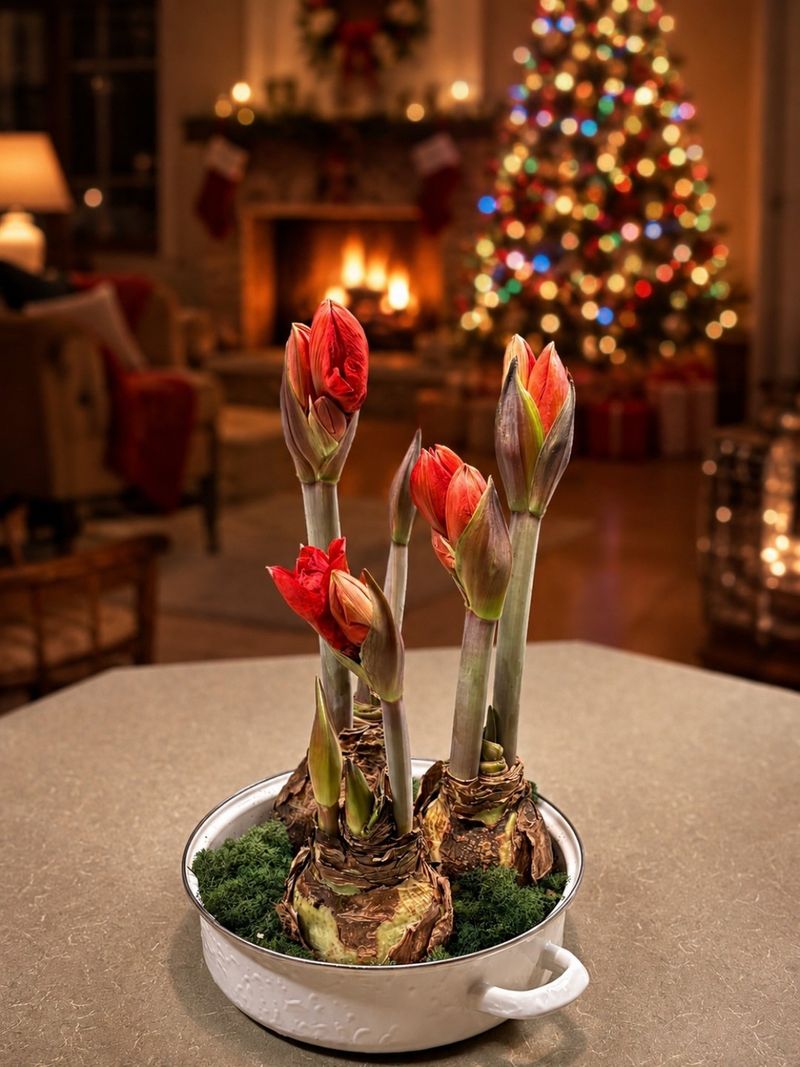
Timing is the whole game here, so let’s start with the numbers. South Dakota State University Extension says most amaryllis bulbs flower about six to eight weeks after potting, and some varieties take up to ten weeks.
Count forward from late October and you land in mid-December for a quick bulb. A slower one could open its first flower in January.
Some bulbs simply keep their own schedule.
Clemson Extension suggests restarting potted amaryllis about six weeks before the bloom date you want. That makes late October a reasonable restart date for a bulb that has already finished its rest, but it is a plausible window rather than a promise.
If your bulb is slow, you still get a lovely winter bloom. Think of Christmas as a good target, not a hard deadline.
Confirm the bulb has rested without cutting healthy leaves
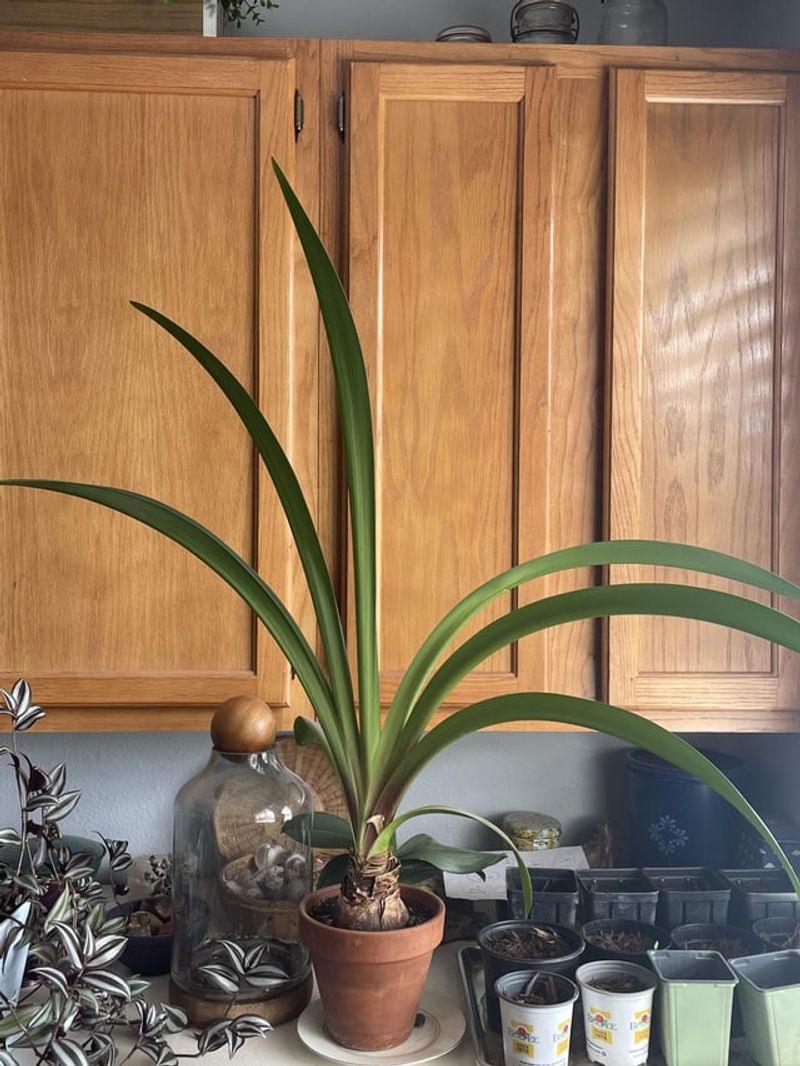
A bulb that has sat dormant all summer, with leaves that have yellowed and dried on their own, is ready to go. It does not need another long rest before you pot it.
University of Illinois Extension notes that dormancy is not required for reblooming, though it can help control timing.
Cold treatment is not a universal rule either. Guidance differs, and Iowa State Extension recommends cool storage, while Clemson gives a restart plan with no cooling step.
Watering and leaves are two separate issues. Clemson’s Southern schedule for an indoor bulb is to withhold water in mid-August, then resume about six weeks before you want blooms.
Do not cut healthy green leaves to force dormancy. Leave them in place and let them fade naturally.
If your bulb still has green leaves now, it is not truly rested, so give it more time before expecting a Christmas show.
Choose a sound bare bulb and treat waxed bulbs differently
Pick up the bulb and give it a gentle squeeze. University of Wisconsin Extension advises choosing a firm bulb and skipping any with soft spots, visible damage, or mold.
Bigger bulbs may send up more flower stalks.
The holiday plant sold as amaryllis is usually Hippeastrum, not the true Amaryllis genus. That detail matters little for care, but it helps when you search for information.
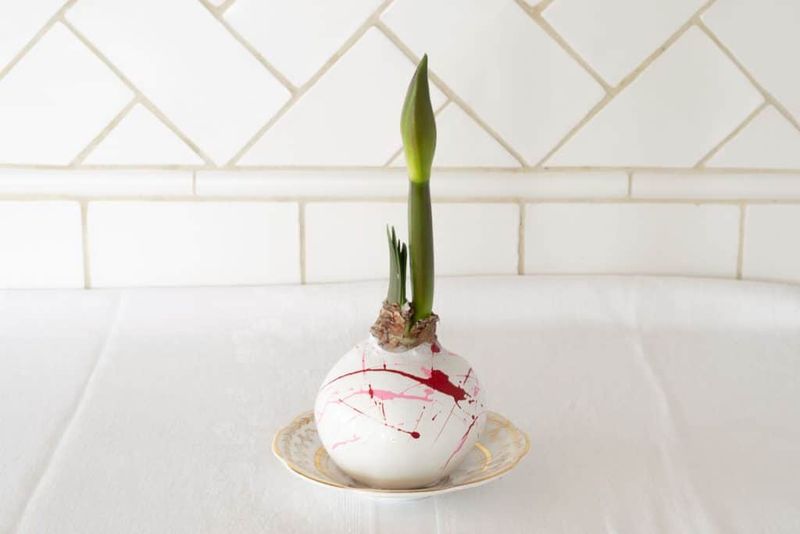
Wax-coated bulbs are a different case. They are prepared to bloom without ordinary potting and watering.
Whether one reblooms later depends on how it was prepared and the condition of the bulb, so do not treat it like a bare dormant bulb.
Keep pets in mind. The ASPCA lists Hippeastrum as toxic to dogs and cats, and the bulb is the most poisonous part, so place pots out of reach.
Pot the dormant bulb with its shoulders exposed
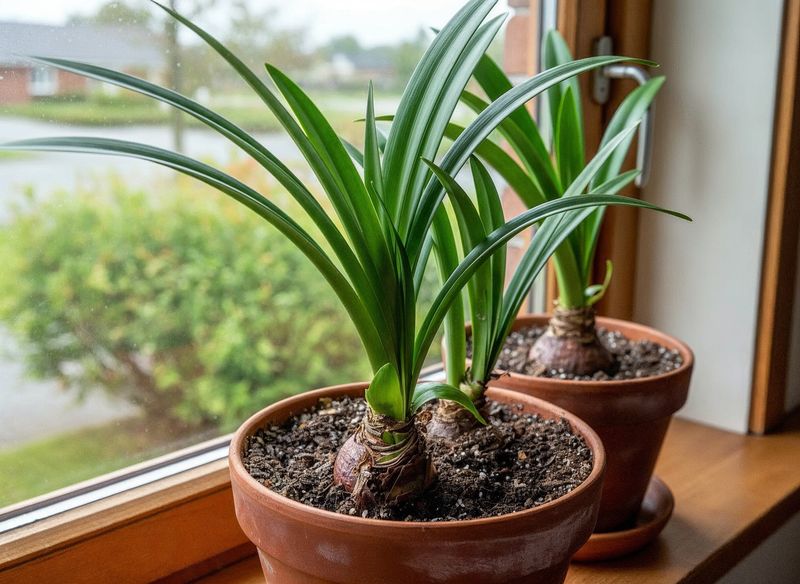
Start with a pot that has drainage holes and is only slightly wider than the bulb. A snug fit is fine, since amaryllis tends to bloom well when a little crowded.
Fill it with well-drained potting mix. Skip garden soil, which can hold too much water and stay heavy around the bulb.
Set the bulb with the pointed end up. Both Wisconsin Extension and South Dakota State Extension describe leaving roughly the top third of the bulb above the mix.
Firm the mix gently around the sides so the bulb stays steady. Trim any dead, dried roots, but leave the healthy ones alone.
Then label the pot with the date so you can track the weeks ahead.
Water lightly at first, then provide warmth and bright light
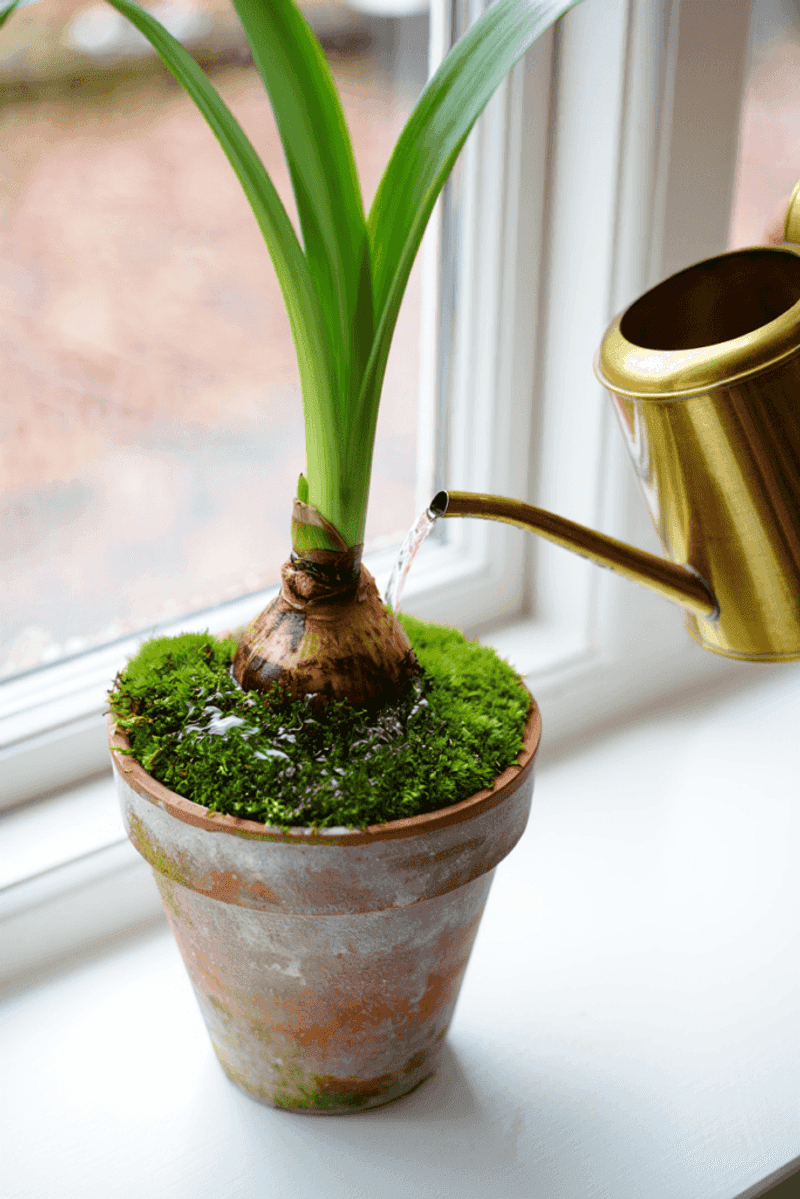
Water the mix once right after potting. After that, keep it only lightly moist until you see growth.
University of Maryland Extension notes that too much water can promote rot.
Once shoots are growing, water more regularly. The goal is steady dampness, never a soggy pot sitting in a saucer of water.
Find a bright, warm spot, such as a sunny window. South Dakota State recommends about 70 to 75 degrees Fahrenheit while the stalk, leaves, and roots develop, which most Southern homes reach easily in late fall.
Turn the pot a quarter turn every few days so the stalk grows straighter. When flowers open, cooler conditions near 65 degrees may help extend bloom time, so moving the pot out of direct heat can stretch the display.
Keep healthy foliage to support the next bloom
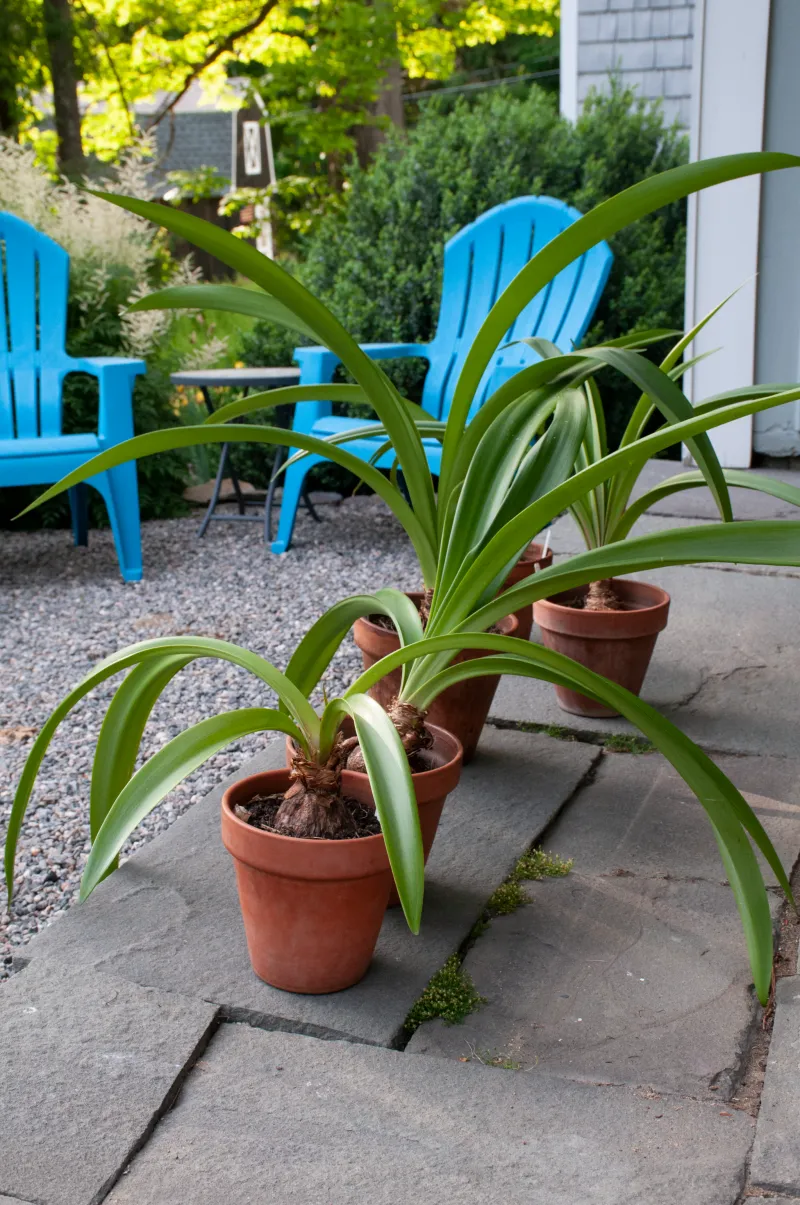
After the flowers fade, the plant’s work is not over. Green leaves feed the bulb and rebuild its energy for next year, so keep them growing until they yellow or brown on their own.
UF/IFAS Extension and Maryland Extension both point to leaving foliage in place.
Regional context helps here. UF/IFS Extension describes growing amaryllis in Florida landscapes.
The Texas Master Gardeners material is general holiday-plant advice, not a Texas-specific Christmas schedule.
Where frost can happen, bring container plants indoors before it arrives, and protect plants from unsuitable cold.
Back to the calendar: a rested bulb can be restarted in late October, and Clemson’s six-week plan shows why that date works. How fast your bulb grows decides whether flowers show up by Christmas.
Some bulbs simply prefer to open the week after the wrapping paper is gone.