
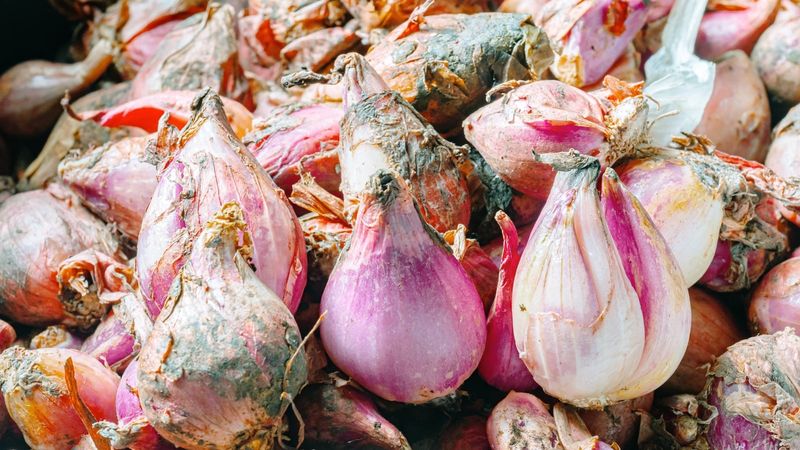
You went out to check your fall-planted onion or shallot sets and found some that feel soft, mushy, or just plain wrong. That is a worrying sight, and many Southern gardeners run into it.
Planting depth gets a lot of the blame, but it is only one piece of the puzzle. Here is how to sort out what you are seeing and what to change next time.
A mushy set is a symptom, not a diagnosis
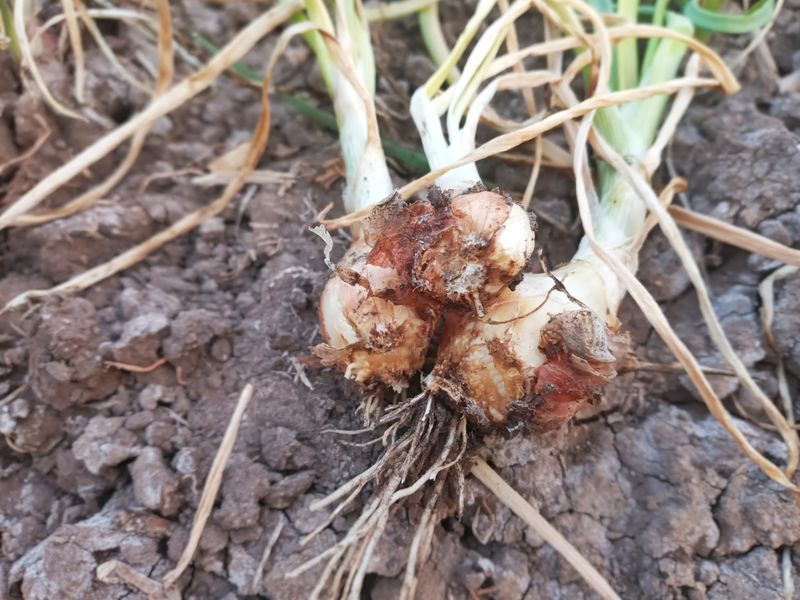
Pulling up a squishy set is discouraging, but the squish itself does not tell you much yet. Soft or watery tissue can come from more than one problem, so the first job is to look closely before blaming anything.
Check where the damage starts. University of Minnesota Extension notes that Fusarium basal rot typically starts at the base of the bulb and moves upward.
Bacterial soft rot, on the other hand, can leave tissue water-soaked and soft, and it may smell foul.
Even with those clues, you may not be able to name the culprit by eye. UC IPM cautions that visual symptoms can be confused with one another.
So resist the urge to pin every failed set on planting depth, too much water, or cold weather. Treat the mush as a signal to investigate your bed, your watering, and how the sets were planted.
Wet soil can create conditions for rot
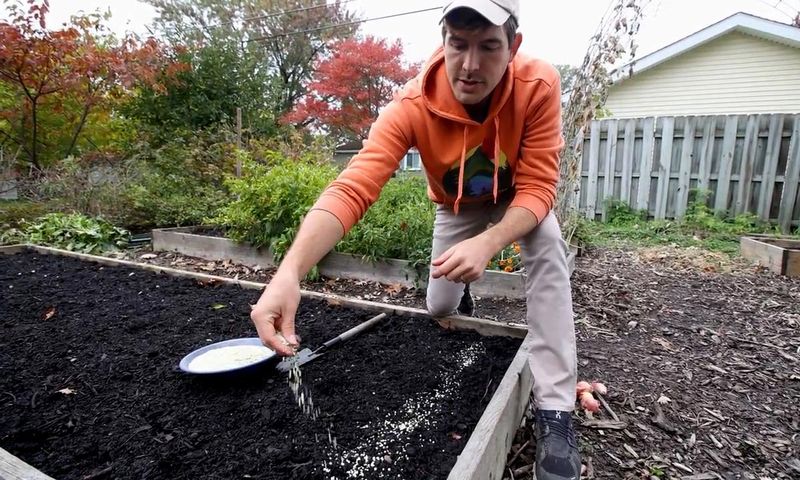
Soil that stays soggy is a known risk factor for bulb problems. Sets sitting in water-logged ground have a harder time staying healthy, and that is true no matter what the calendar says.
Utah State University Extension lists overwatering as a contributor to shallot bulb rot. Clemson Extension points to raised rows as a way to improve drainage for these crops.
Here is the catch. Wet conditions can raise the odds of rot, but they cannot prove why one particular set went soft.
A dry-looking bed can still have a spot where water collects.
A simple test helps. After a heavy rain, walk your bed and see where puddles linger or the soil stays slick.
Those low spots are the places to fix first.
How deep should each crop go?
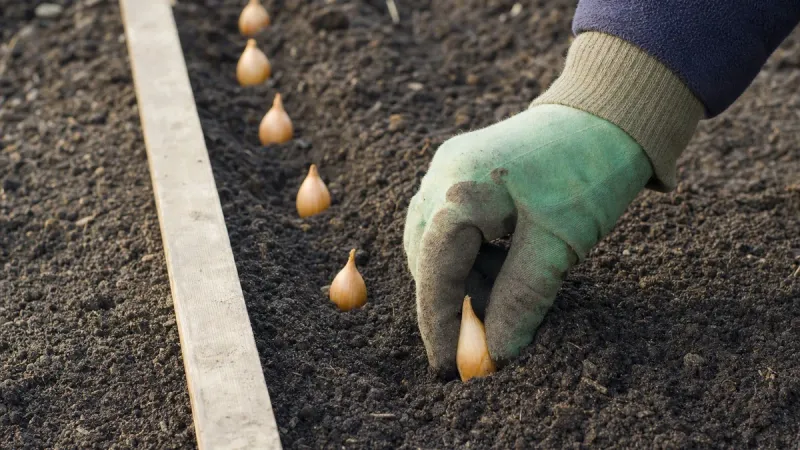
Ask five extension offices how deep to plant onion sets and you will hear a few different answers. Texas A&M AgriLife recommends about three-quarters of an inch, while Clemson suggests 1 1/2 inches.
Florida guidance falls in between at about 1 inch for onion sets.
Shallots follow different rules. UF/IFAS says to leave the growing point exposed above the soil.
Virginia Cooperative Extension gives a general 1 to 2 inches, with the tip just below or barely above the soil line, and lists planting too deep as a cultural cause of shallot bulb rot.
That shallot warning is specific to shallots. It does not make depth the general reason onion sets rot.
Pick the guidance written for your crop and your state. Correct depth is one useful factor, but it is not a guaranteed cure.
Prepare a bed that drains
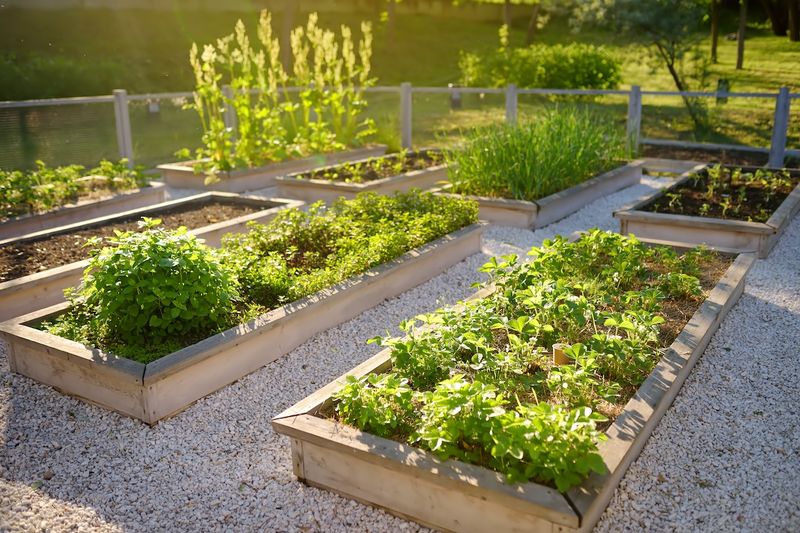
Before any sets go in, give the site a quick inspection. Onions and shallots do best in well-drained soil, so pick a spot where water drains away rather than sitting after a storm.
If your yard tends to hold water, think about building up the planting area. Clemson Extension notes that raised rows improve drainage, and a raised bed can work in much the same way.
Floridians with sandy ground may drain easily, while many Texas gardeners deal with heavy clay that holds water. Know which one you have, because the fix differs.
Loosen the soil, mix in compost where it is heavy, and avoid low corners where runoff gathers. These steps can lower the risk of soggy roots, though they cannot promise a rot-free crop.
Water to establish sets, not to keep soil soggy
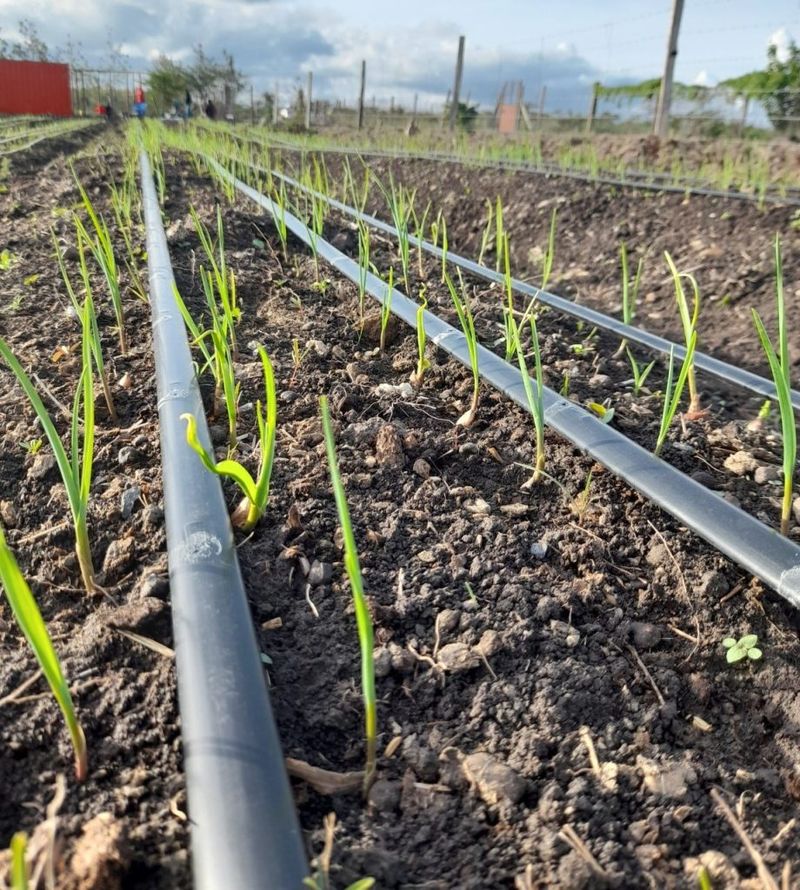
Newly planted sets need moisture to settle in and start rooting. The goal is damp soil, not a saturated one.
Overwatering is tied to shallot bulb rot, according to Utah State Extension. Let the top of the soil firm up between waterings, and skip a session when rain has already done the job.
Water also plays a role in bacterial problems. UC IPM explains that bacterial bulb-rot pathogens can spread with water and are favored by wet conditions, and that wounds give them a way in.
Where you can, avoid overhead irrigation, especially as onions begin bulbing. Water at the soil line with a soaker hose or a can, and handle sets gently so you do not nick them.
These habits can reduce risk. They do not guarantee that every set will stay healthy.
Fall timing depends on where you garden
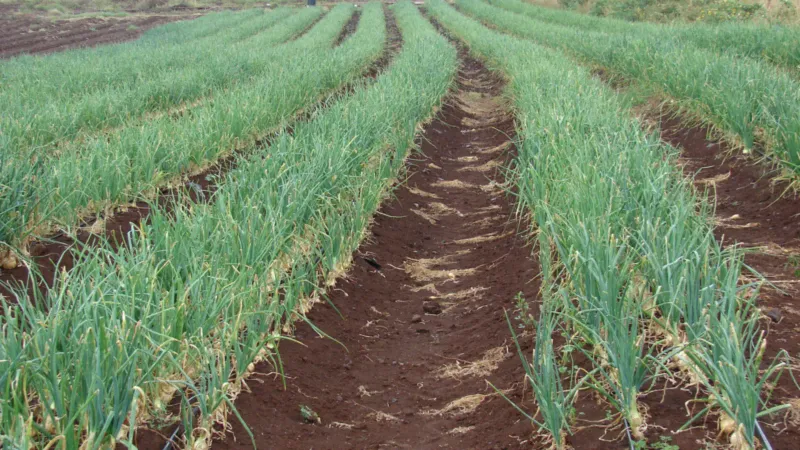
Fall planting is not a one-size-fits-all plan across the South. Your state, and sometimes your part of the state, changes the answer.
In Florida, UF/IFAS recommends planting onions from September through December. It also advises short-day varieties and well-drained soil.
Texas guidance shares some themes. Texas A&M AgriLife lists short-day onion varieties for the state and says onions grow best in full sun and well-drained soil.
Move farther east and the schedule shifts again. Clemson sets different planting schedules for different regions of South Carolina.
Use these as examples, not a universal calendar. Look up your own state extension service for the dates and varieties that fit your garden.
Use depth as one part of the plan
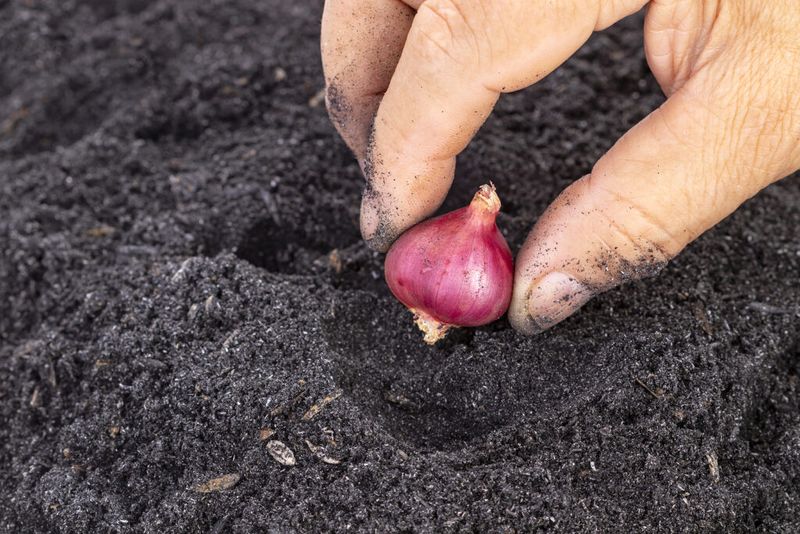
Start by confirming whether you planted onions or shallots, since their depth advice differs. Then check your state’s guidance, such as UF/IFAS for Florida, and fix drainage using ideas like Clemson’s raised rows.
Keep the soil damp, not soggy, and handle sets gently, as UC IPM advises.
Each step trims a risk you can control. Rot has more than one cause, so a good plan improves your odds rather than ending them.