
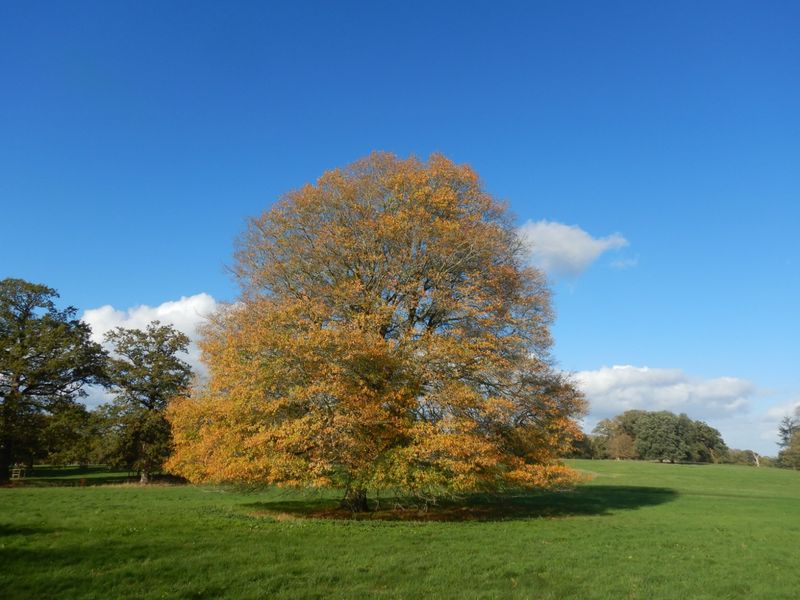
Big shade trees take decades to grow, so the choice you make this fall will shape your yard for generations. Willow oak is a Texas native with slim, willow-like leaves and a long life.
It grows well in parts of East Texas, but it is not right for every yard. Here is how to tell if your site fits, and how to plant it well.
Willow oak fits East Texas, not every Texas yard
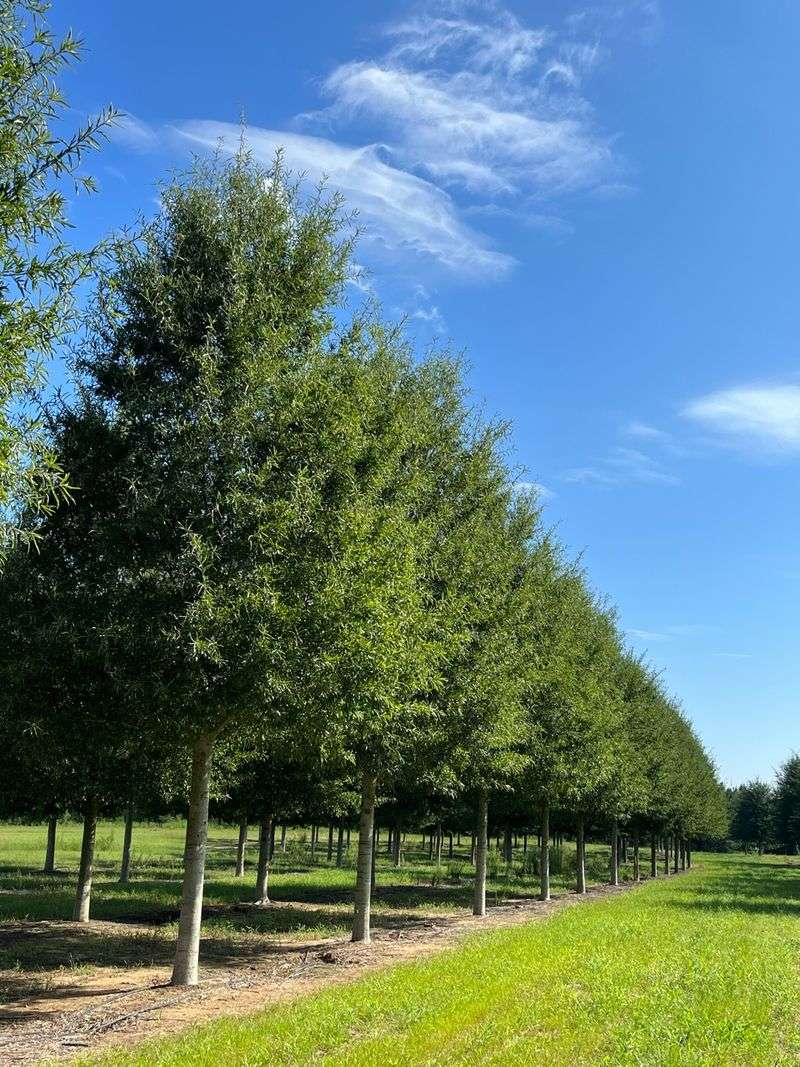
Willow oak (Quercus phellos) is a large oak with narrow, smooth-edged leaves that look more like a willow than a typical oak. The Texas A&M Forest Service tree description places it in East Texas, west to the Brazos River.
That matters, because “Texas native” does not mean native everywhere in Texas.
If you live in the Piney Woods or nearby, you are inside its home range. If you live in the Hill Country, the Panhandle, or West Texas, this is not the tree to chase.
Soils and climate there are very different from the damp, acidic ground where willow oak naturally grows.
The tree has real strengths. Texas A&M’s tree selector lists it as a large, fast-growing native, and the USDA Forest Service species account describes it as long-lived and a favored shade tree.
A tree that can outlast the house it shades is a good deal when the site is right.
This guide is a site-by-site look, not a claim that willow oak can replace every non-native shade tree. The next sections cover shade, leaves, soil, space, timing, and planting so you can decide before you buy.
How much shade will it really provide?
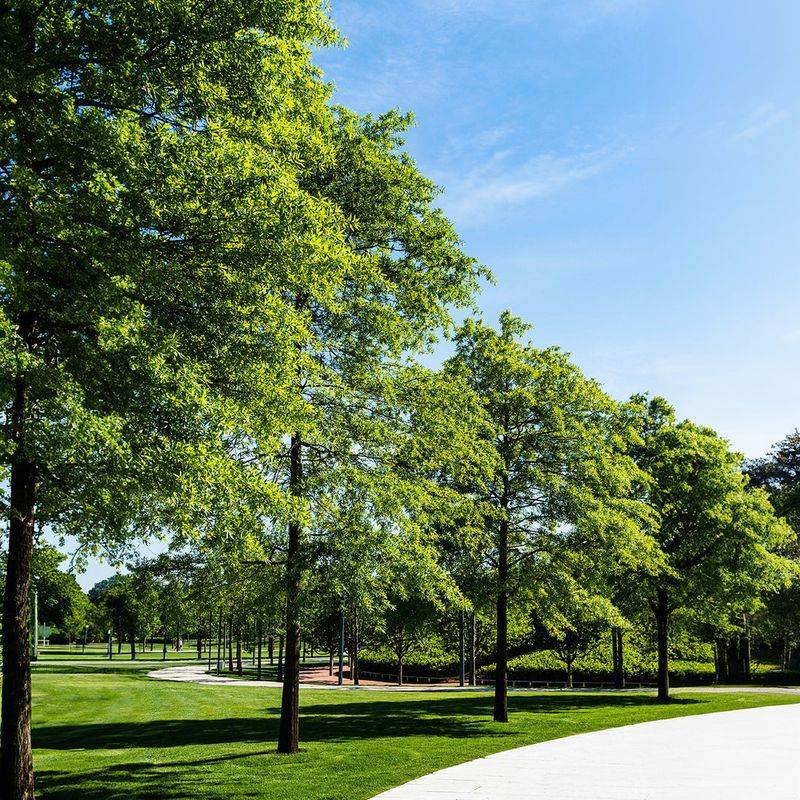
Picture dappled shade, not a dark cave. Texas A&M identifies willow oak as a shade tree, and it can cool a patio or a section of lawn once it matures.
But Oregon State University describes a fairly open crown that casts light shade.
That means you should not count on one willow oak to blanket an entire yard in deep shade. The slender leaves let filtered sun come through, which can be a plus if you want grass or shade-tolerant plants to keep growing underneath.
Size and age change the picture. A young tree gives very little cover for years, and a mature one shades more ground, but how much depends on your soil, water, and how the tree grows on your lot.
For a practical test, mark where the tree’s shadow would fall in the afternoon, since west and southwest sides get the hottest sun. Place it where light shade over a roof, deck, or seating area would help.
If you need heavy, dense shade fast, plan on a second tree, an awning, or a pergola alongside it.
Narrow leaves still mean fall cleanup
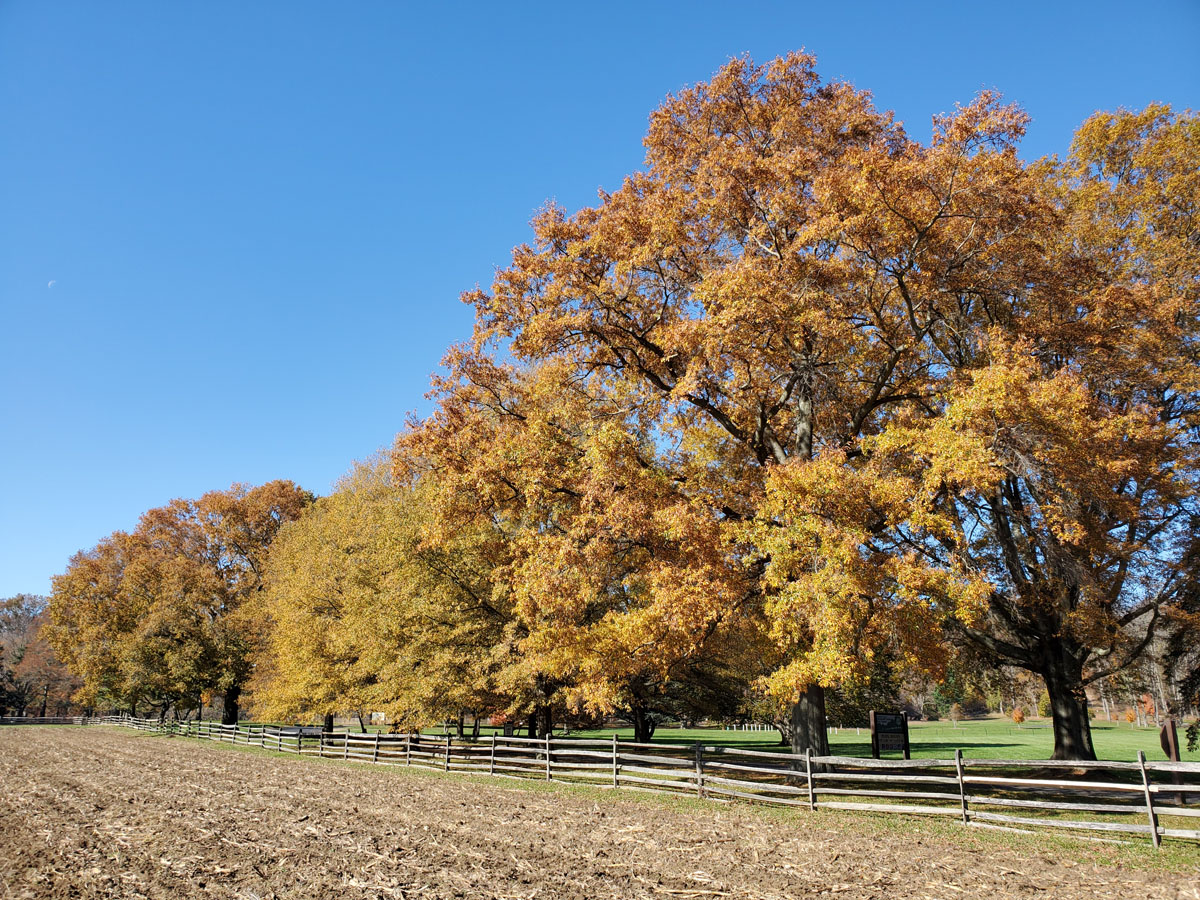
Slim leaves do not mean no leaves. Willow oak is deciduous, and Texas A&M lists its narrow foliage as turning yellow-brown in fall before dropping.
It also makes acorns, which the Forest Service tree description notes as part of its seasonal cycle.
Leaf shape alone does not show that the tree drops less material overall. Plan on fall leaves and a crop of small acorns, especially under a big, mature tree.
Acorns also feed squirrels, jays, and other wildlife, which some homeowners count as a plus.
Some people find narrow leaves easier to handle because they break down in small pieces. That is a comparison of leaf form, not a measured drop in how much falls.
The USDA species account describes a regular deciduous oak.
As general leaf advice, not a willow oak finding, Iowa State Extension says you can leave leaves where practical for wildlife and soil. Spread or remove thick mats that smother grass and plants.
A light mowing pass over the lawn or a rake into the beds covers most yards.
Is your soil and planting space a match?
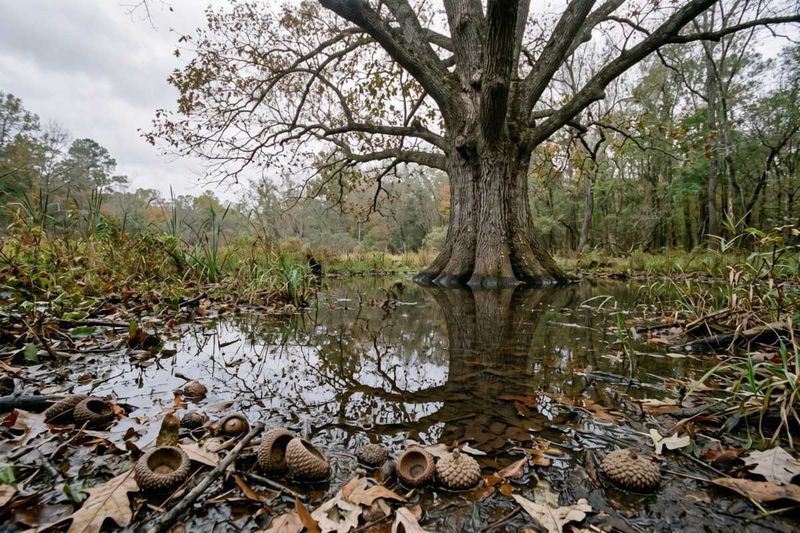
Check the ground before you check the nursery. Texas A&M says willow oak prefers moist conditions and can tolerate poorly drained sites.
That makes it a candidate for low spots where other trees sulk, as long as you are in its East Texas range.
Alkaline soil is the warning sign. The same Texas A&M source notes foliage chlorosis on alkaline soils, which shows up as yellowing leaves with green veins.
A Texas A&M AgriLife guide for the Houston area says willow oak has been overplanted locally and is susceptible to iron chlorosis and other problems. So Houston and other alkaline areas are not automatic yeses.
A soil test is cheap and tells you your pH. If the yard drains fast, dries out hard in summer, or sits on alkaline clay or limestone, look at other oaks suited to your area.
Then look up and around. The Forest Service description says it can reach about 90 feet.
Keep it well away from the house, driveway, septic lines, fences, and overhead wires. If you can’t give it that room, choose a smaller tree.
Fall is a strong window, with regional timing differences
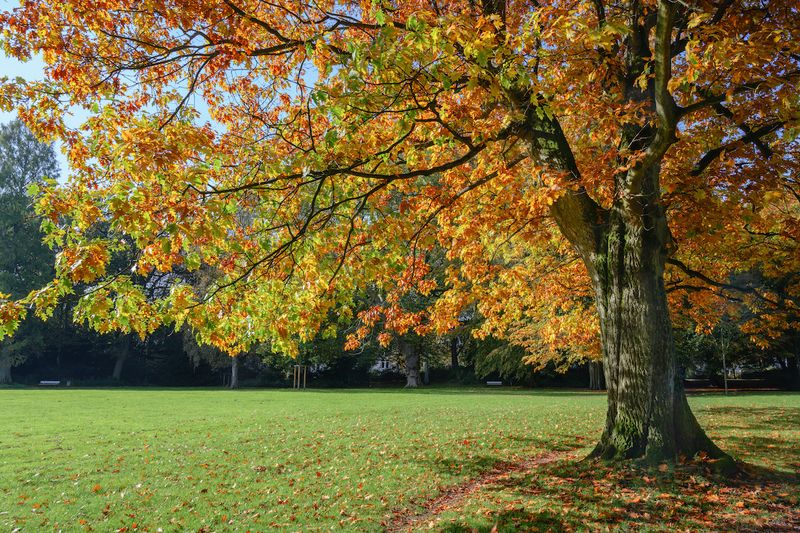
Cooler weather gives new roots a head start. Texas A&M Forest Service generally recommends planting trees from late fall through early spring, as shown in its Texas Arbor Day guidance.
The tree sits dormant above ground while roots settle in.
That is a range, not one statewide date. Texas stretches from the humid Piney Woods to the dry west, so the right week depends on where you live and when your first freeze arrives.
For one regional example, the City of Austin’s native tree guide gives October 15 to March 15 for Central Texas. Treat that as Central Texas guidance.
East Texas gardeners can use it as a rough comparison, but local nurseries and county extension offices know your frost dates best.
Fall is a strong choice, but it is not the only acceptable season. Late winter and early spring work too if you can water through the first summer.
Whichever season you choose, buy a healthy tree and get it into the ground soon after you bring it home.
Good planting starts with a wide, shallow hole

Dig wide, not deep. Texas A&M Forest Service planting guidance says the hole should be at least twice as wide as the root ball but no deeper.
Wide loosened soil lets roots spread, while a deep hole can let the tree settle too low.
Set the root collar, where the trunk flares out at the base, at or slightly above ground level. Backfill with the soil you dug out and press it gently to remove big air pockets.
If you can’t see the flare, remove some top soil from the root ball until you find it.
Spread 2 to 3 inches of mulch over the planting area, but keep it from touching the trunk. A mulch volcano piled against the bark holds moisture and invites rot and pests.
Think of a doughnut, not a cone.
Willow oak is not a plant-and-forget tree. Water during establishment, and keep up the care for at least the first two years.
Planting in fall does not cancel watering, because dry spells in Texas can happen in any season, so check the soil and water deeply when it dries out.
Improper watering and planting depth are among the most common establishment problems flagged by the Forest Service. A little attention early is what lets the tree grow into the big, long-lived oak it can be.
Choose it for the site, not a litter-free promise
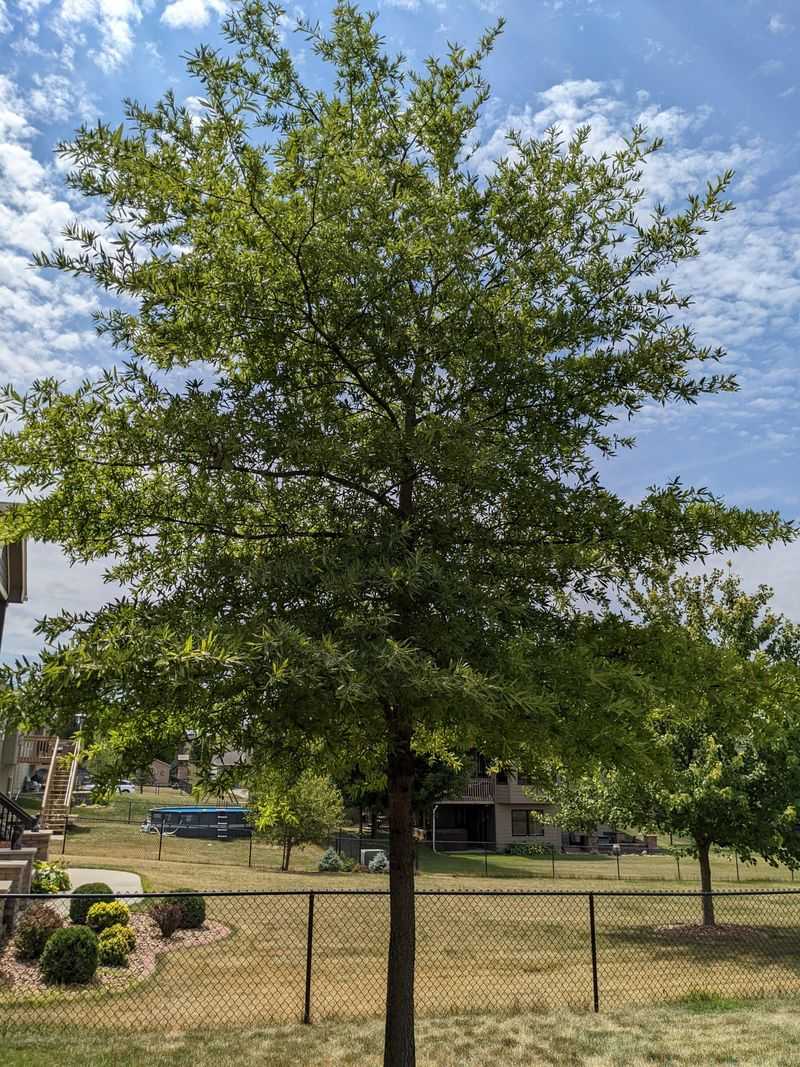
Here is the rule: pick willow oak if you have a spacious, reasonably moist East Texas yard and can live with seasonal leaves, acorns, and a tree that may reach about 90 feet, as described by the Forest Service. Skip it if your soil is alkaline, your space is tight, or you want guaranteed deep shade.
Remember that Oregon State describes a fairly open crown, and Texas A&M offers no promise of less raking.
A willow oak won’t solve every shade problem, but in the right yard it can be a fine tree to leave behind.