
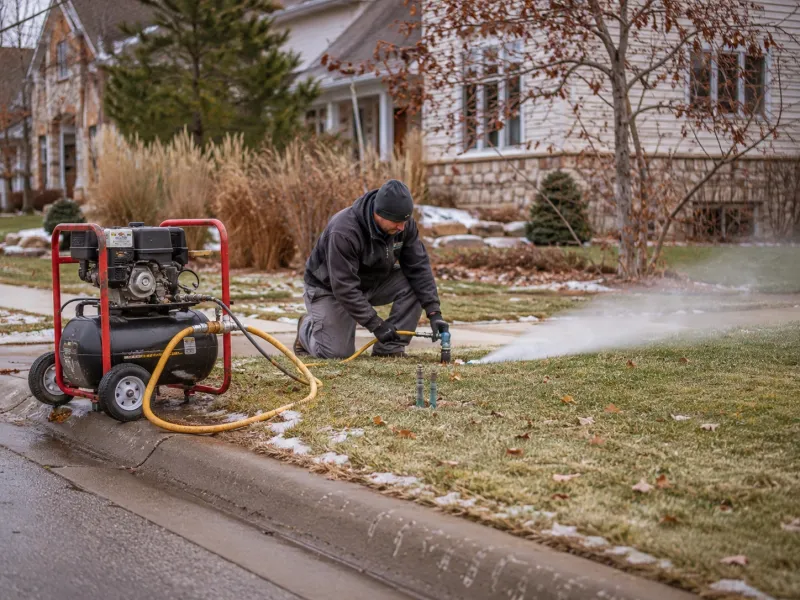
A split hose or a leaky spigot is a pain to find on the first warm spring day. Water trapped inside outdoor gear can freeze, expand, and cause damage.
The fix is quick, costs almost nothing, and works best when you do it before cold air arrives. Here is how to protect each piece of equipment without turning it into a big project.
Prepare before freezing temperatures are forecast
Water left inside exposed equipment can freeze, expand, and strain whatever holds it. That does not mean every hose or sprinkler left outside will crack.
Draining is simply cheap protection against a repair you can avoid.
Timing matters more than most people think. A National Weather Service frost and freeze page describes a hard freeze as 28 degrees Fahrenheit or lower in one general definition, but waiting for a hard-freeze warning means you may be working after pipes and hoses have already been exposed to freezing air.
A better trigger is the first forecast that shows temperatures at or below freezing in your area.
Each piece of equipment needs its own steps. Hoses should be disconnected and drained, as Oregon State Extension advises.
Faucets need clear drainage, and portable sprinkler heads can hold water that may rupture them if it freezes, according to UGA Extension. Built-in irrigation follows a separate plan.
Disconnect, drain, and store the hose
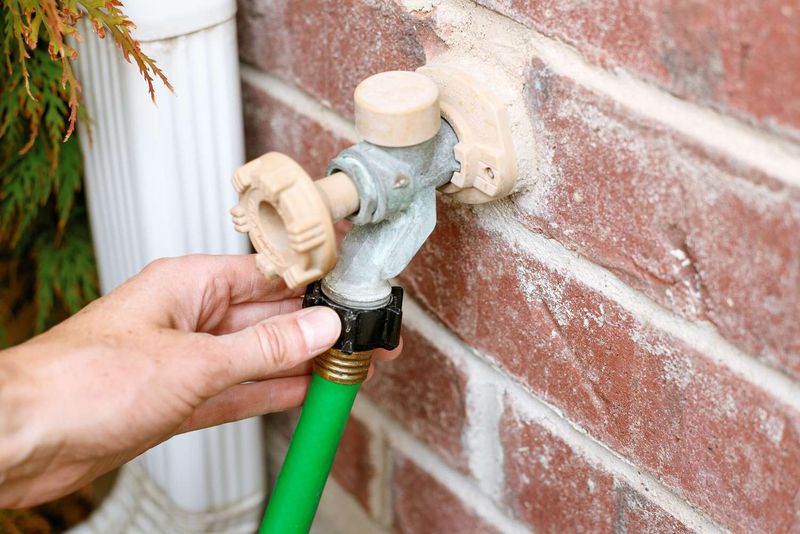
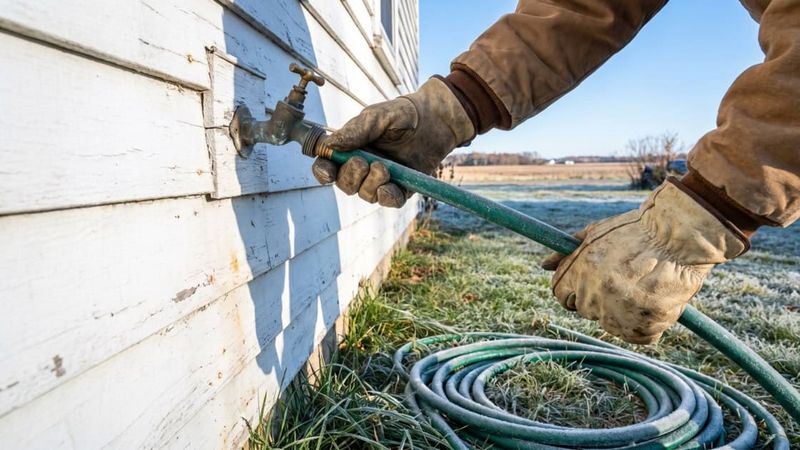
Start at the spigot and unscrew the hose. Lift one end and walk the length of the hose, letting water run out the other side.
Pull any spray nozzle or other attachment off the end so nothing holds water inside.
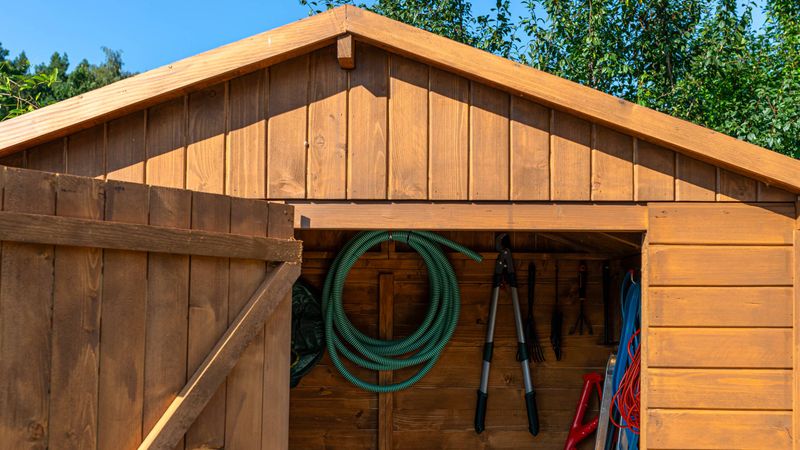
If you have a garage, shed, or covered porch, coil the hose there. Sheltered storage is the best choice.
A fully drained hose can also stay outside, according to Oregon State Extension, though temperature swings may age the material faster and shorten its life.
Here is a caution for cold mornings. A hose that has already frozen can be fragile, a point UGA Extension raises, so wait for it to thaw before you bend, drag, or coil it.
Forcing a stiff, icy hose is a good way to crack it.
Give a frost-proof faucet room to drain
Once the hose is off, check the faucet itself. Take off splitters, spray nozzles, and any other accessory that could block water from leaving the pipe.
A hose left attached is one of the easiest ways to interfere with drainage.
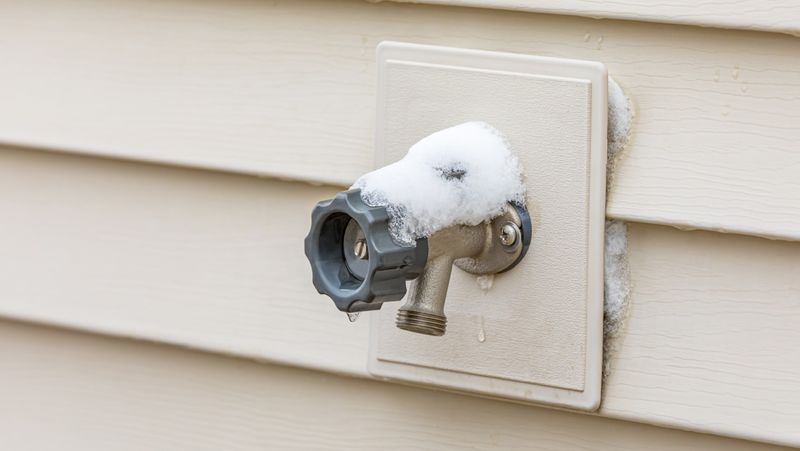
Frost-proof faucets are built to drain, but they are not invulnerable. According to Illinois Extension, their protection depends on correct installation and on water being able to drain.
If one is installed wrong or cannot drain, freeze damage is still possible.
Some homes have a shutoff inside for the outdoor line. Where that is the case, Illinois Extension advises shutting it off and draining the line.
Many homes do not have one, and procedures differ by plumbing, so read the instructions for your faucet or ask a plumber what your setup needs.
Drain and store portable sprinklers
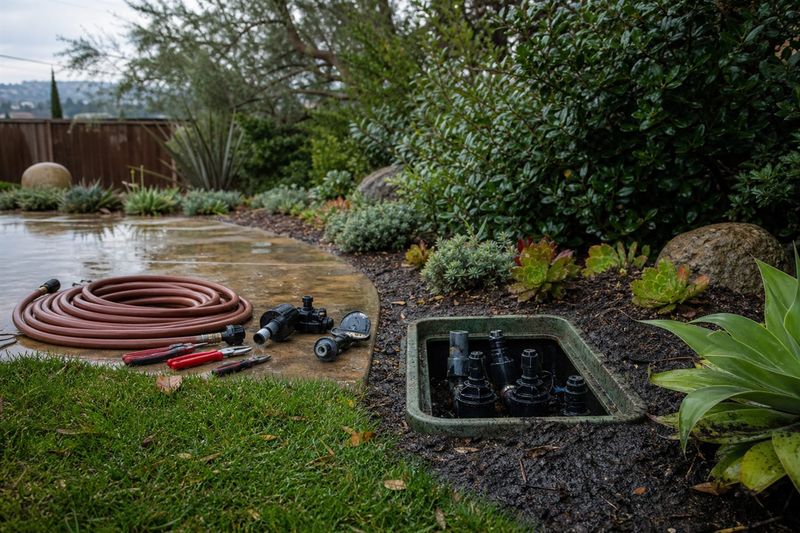
Hose-end sprinklers are a different job from faucets and hoses. Unhook the sprinkler, tip it in several directions, and shake out leftover water.
Do the same with timers, connectors, and any other attachments.
Sprinkler heads can hold more water than you would guess. UGA Extension notes they can retain water and may rupture if it freezes.
A cracked arm or housing is often a spring surprise.
Let everything dry, then store it in a bin, garage, or shed. A quick tip is to drop the sprinkler in the same bin as your drained hose so spring setup is one stop.
Keep in mind that these steps cover portable gear only. They do not winterize an in-ground irrigation system.
Follow a separate plan for built-in irrigation
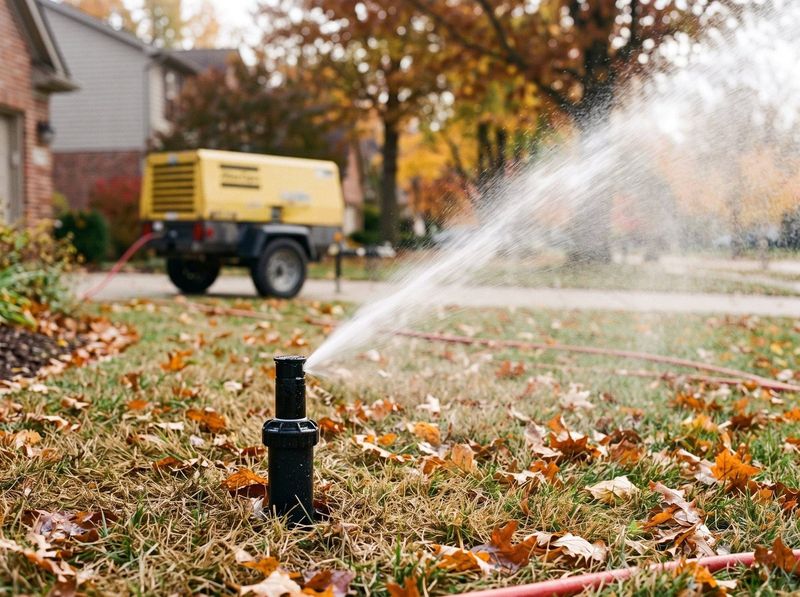
In-ground irrigation has its own pipes, valves, and zones, so treat it separately. Utah State University Extension recommends turning off the irrigation supply, releasing pressure by opening each zone, and opening drain valves if the system has them.
Some systems have no drains. In that case, an air blowout may be needed, ideally done by an irrigation professional.
Do not treat it as a beginner chore, because Rain Bird warns that excess air pressure can damage components or injure someone.
Settings vary from system to system, so skip any one-size-fits-all number. If you lack the right equipment or the correct procedure, call a qualified pro.
One more distinction: winterizing is not the same as using sprinklers to protect plants from frost. UF/IFAS cautions that ordinary home systems are generally not designed for that job and may do more harm than good.
Let local exposure and the forecast guide the work
Your yard is not the same as one three states north, or even one county south. UF/IFAS says below-freezing weather normally occurs in north and central Florida and is rare in south Florida.
A homeowner in Miami may need this chore far less often than one in Tallahassee.
Texas is a good reminder that cold snaps still happen. The Texas Department of Insurance advises protecting exposed outdoor faucets and pipes when cold weather threatens.
Freeze thresholds also vary by weather office, as the National Weather Service in Tallahassee notes, so rely on your local forecast.
Wind exposure, a north-facing wall, and an unheated garage can all change the risk. Check the forecast, drain exposed gear ahead of freezing weather, and follow the specific plan for built-in irrigation.
A ten-minute chore on a mild afternoon beats a plumber on a frozen morning.