
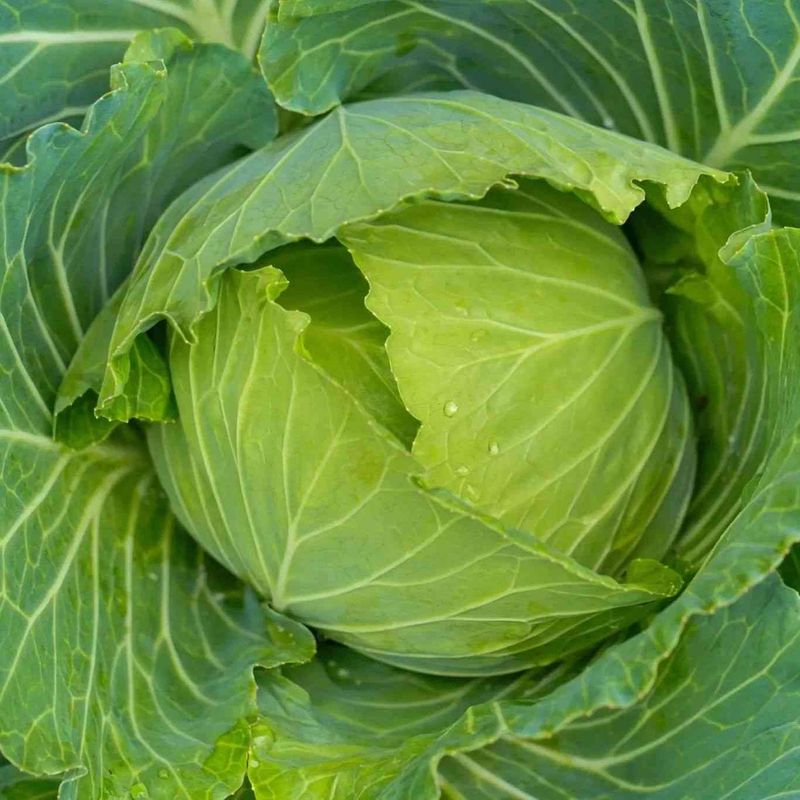
You walk out after a soaking November rain and find your best cabbage cracked wide open like a dropped melon. It feels like a gut punch after weeks of care, but the head is not ruined yet.
What you do in the next day or two decides whether that cabbage ends up in your kitchen or in the compost pile. Here is the single step that saves split heads in North Carolina gardens, plus why it works.
1. Harvest Split Heads Right Away and Twist the Rest
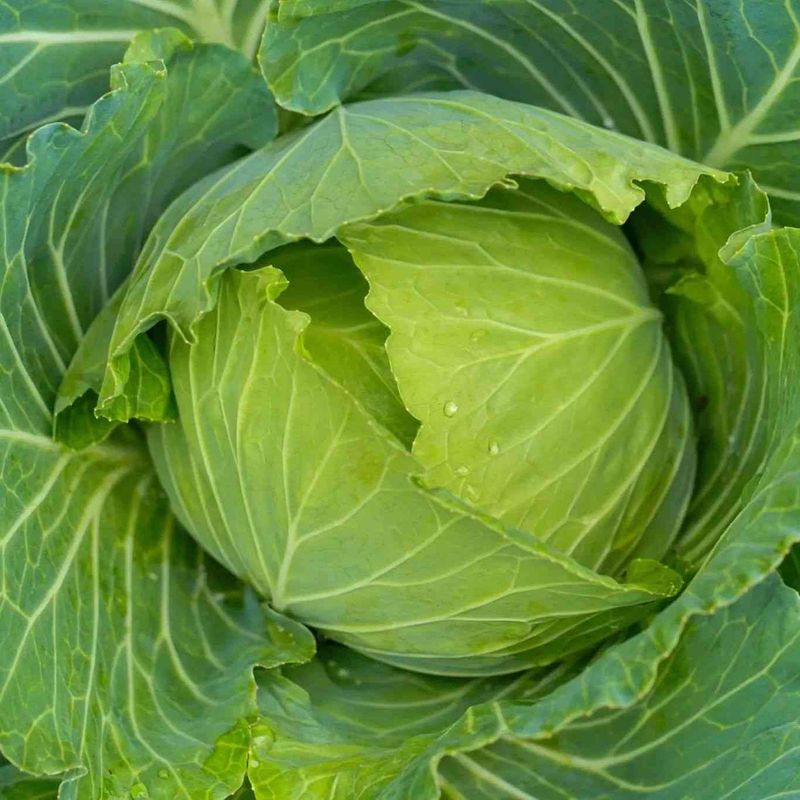
Picture a cabbage as a balloon that keeps filling after it is already full. When dry fall weather is followed by a heavy rain, roots pull in water fast and the tight inner leaves swell until the head bursts.
Across North Carolina, from Asheville gardens to the coastal plain, late fall storms make this a common sight.
The fix is simple: cut any split head the same day you find it. A cracked head can quickly invite rot, slugs, and cabbage worms, and more rain can widen the split.
Trim away the damaged outer leaves, rinse the head, and store it in the fridge, where it may keep for a few weeks. Split cabbage is still good for slaw, soup, or sauerkraut.
For heads that are mature but still whole, give each one a firm quarter turn by hand, or slice into the soil on one side with a spade. Breaking some roots this way can slow water uptake and reduce the chance of more splitting.
Old-time Southern gardeners have relied on this trick for generations before big rains.
Quick timing note: mountain gardens often see a hard freeze by late October, while the Piedmont and coast usually get a few more weeks. Harvesting mature heads before a soggy forecast or a freeze is your best weekend move.