
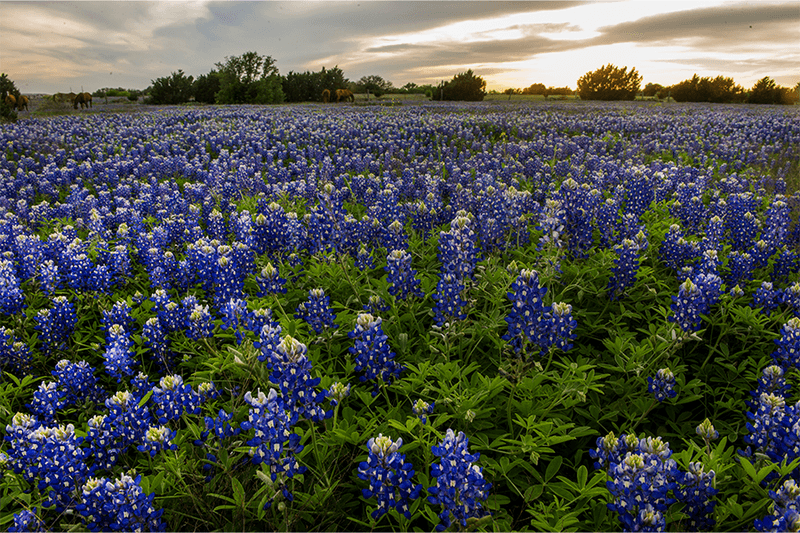
Every spring, Texas roadsides glow blue, and plenty of homeowners wish their own yards could join in. The flower behind that show is most likely the Texas bluebonnet, and its story starts in fall, not spring.
Seed sown in the right place at the right time can grow into quiet winter rosettes that burst into bloom later. Here is how to give your seed a good start, and what to expect once it is down.
Texas bluebonnets belong in the fall planting window
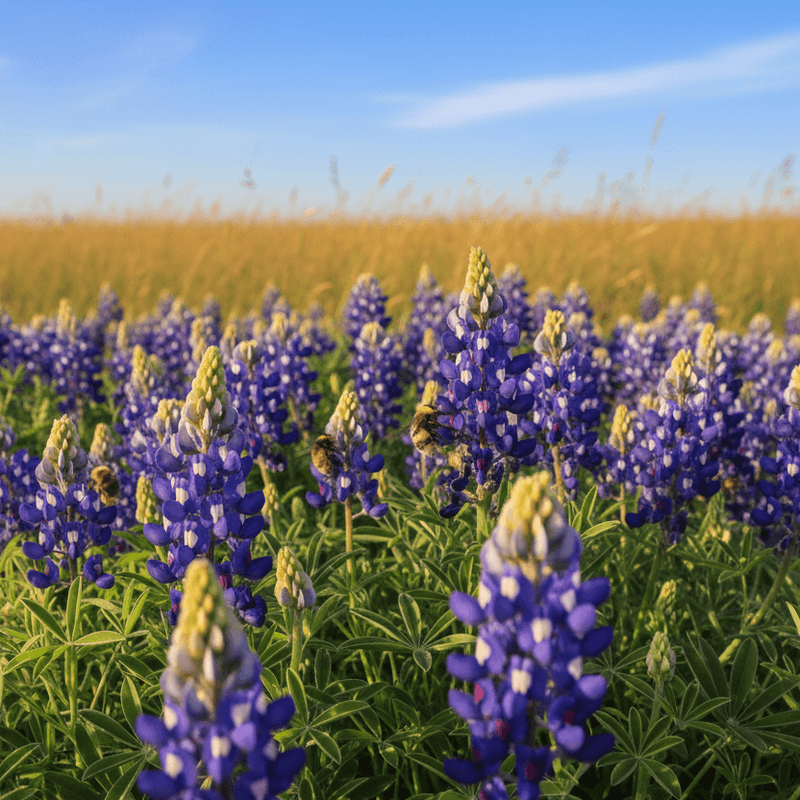
The flower most gardeners picture when they hear about a blue spring show is the Texas bluebonnet (Lupinus texensis). It grows as a winter annual, so seed sown in autumn sprouts, settles in through the cool months, and flowers when spring arrives.
Late October and early November sit comfortably inside a favorable sowing period. TxDOT’s planting guidance gives a window of September 1 through December 15, and it recommends sowing by mid-November for best results.
You may also run across advice to sow before November 1. That stricter cutoff comes from TxDOT’s roadside vegetation manual, which is written for managing highway right-of-way, not for a backyard bed.
So treat late October as a handy target, not a deadline that slams shut. If a busy week pushes you into early November, you are still well within the recommended range.
Sowing sooner gives seedlings more cool weather to establish, but timing is only one piece. Site, seed, and moisture matter just as much.
Choose seed for your part of Texas
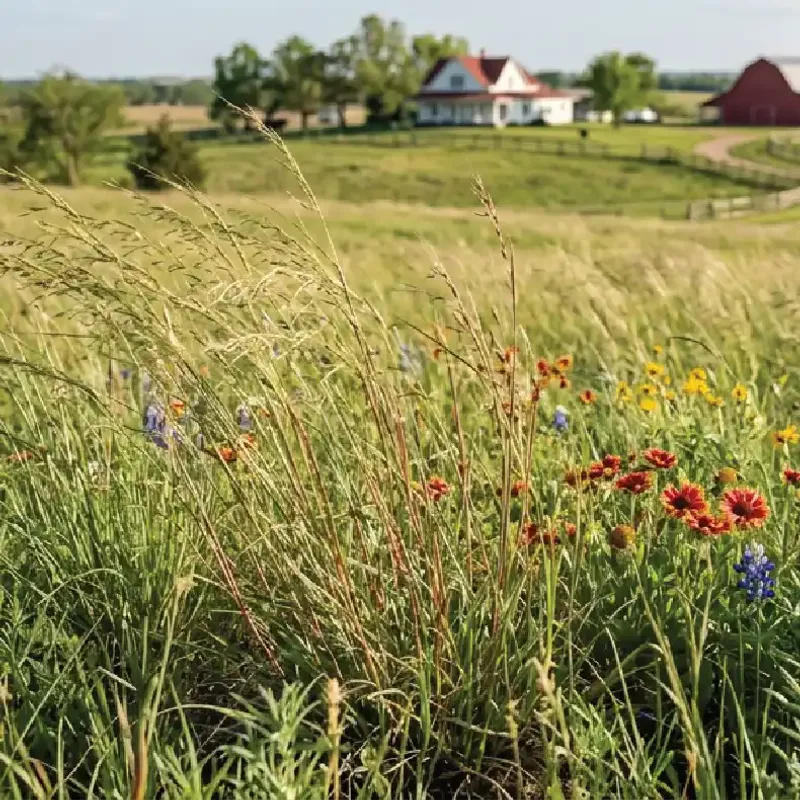
Texas is not one uniform growing area. Piney woods, Hill Country limestone, Blackland prairie, and the Trans-Pecos all have different soils, rainfall, and native plant communities.
Because of that variety, seed that came from or suits your region is a smarter buy than a generic statewide mix. Texas Parks and Wildlife’s local seed guidance encourages emphasizing local seed sources for exactly this reason.
For a practical starting point, look at TxDOT’s regional seed lists. They sort wildflowers by area, which beats guessing from a photo on a packet.
Texas bluebonnet is one member of a wider group commonly called bluebonnets, and no single species or blend fits every corner of the state. Check the label for the species name, ask a local nursery or native plant society what does well near you, and buy from a reputable seller.
Find a sunny, well-drained place to sow
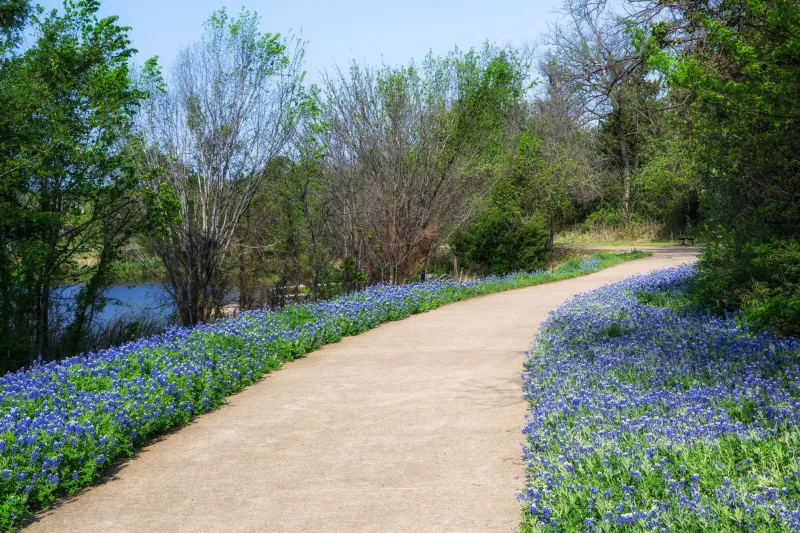
Walk your yard in the middle of the afternoon and look for the spot that never gets shade. That is where bluebonnets are most likely to settle in.
TxDOT says they do best in full sun and in well-drained, alkaline soil of moderate fertility.
Drainage is easy to test. After a good rain, watch the area.
If water pools for hours or the ground stays soggy, that patch is a poor bet. A gentle slope, a raised bed, or the edge of a sunny driveway strip often drains better than a low corner.
Shade from a big live oak or a north-facing wall can leave seedlings leggy and weak. Rich, heavily amended garden beds are not required either, since moderate fertility is enough.
No site is a sure thing. Even a sunny, well-drained patch can give uneven results, so choose the best spot you have and keep your expectations flexible.
Give seed contact with soil, then water gently
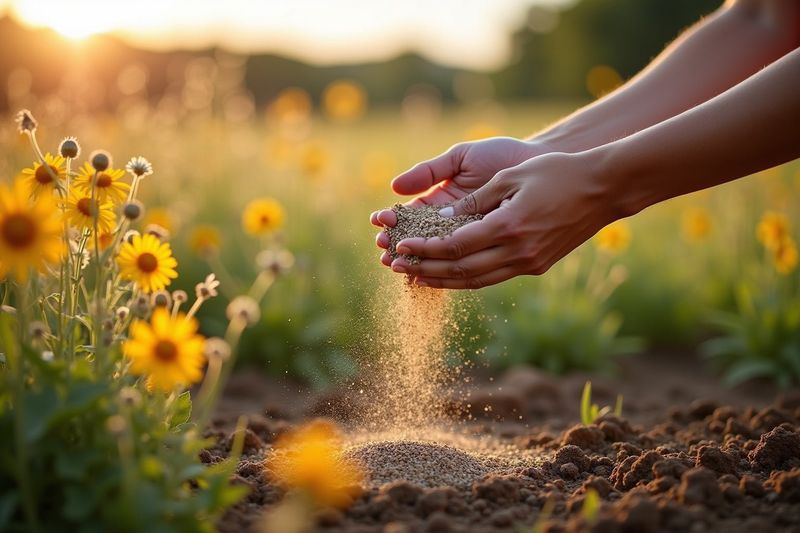
Seed has to touch soil to sprout. On bare ground you can simply broadcast it over undisturbed earth.
If you are sowing into a lawn, cut the grass very low and remove thatch so the seeds can reach the dirt instead of resting on a mat of dead blades.
After scattering, cover the seed lightly, no more than about a quarter inch deep, then water gently. A hard spray can wash seed into clumps or bury it too deep.
If rain does not show up, TxDOT recommends light watering about every three days for roughly three weeks after that first watering. Think of it as a fallback for dry spells.
A soaking fall rain can do the job for you, and soggy soil needs no extra help.
Bluebonnet seed wears a tough, hard coat, which tempts people to nick, soak, or scald it. TxDOT warns against disturbing seed because the treatment can damage it, so skip boiling water, scratching, and pricking.
Some sellers offer commercially scarified seed. An AgriLife Extension answer notes it can germinate more consistently, while untreated seed may sprout irregularly over time.
If you go that route, choose a reputable product and follow its label.
Expect winter rosettes and a variable spring show
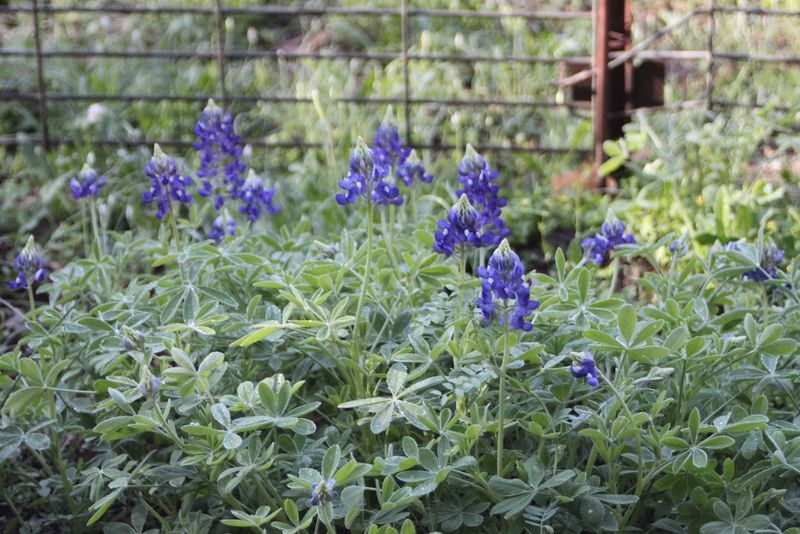
Winter can look discouraging. Seedlings that sprout in fall stay small, forming flat rosettes of leaves close to the ground.
Texas Parks and Wildlife describes Texas bluebonnet as a winter annual, with fall germination and a cool-season stretch of root building. Little shows above ground, but the plant is getting ready.
When days warm up, growth speeds up. Flower stalks rise fast, and the rosette you almost forgot about becomes a blooming plant.
Do not count on every seed sprouting the first year. Because of the hard seed coat, germination may be low in the first year or two and can continue over 18 months or longer.
That means a thin first display may fill in later, and that staggered sprouting is normal.
Timing also depends on where you live. TxDOT says first flowers generally open around March 15 in southern Texas, but may not appear in northern Texas until about May 1.
Flowering lasts roughly a month, and weather can nudge it either way.
Treat those dates as typical patterns, not promises. Density can vary from yard to yard and year to year.
Plan for a chance at spring color
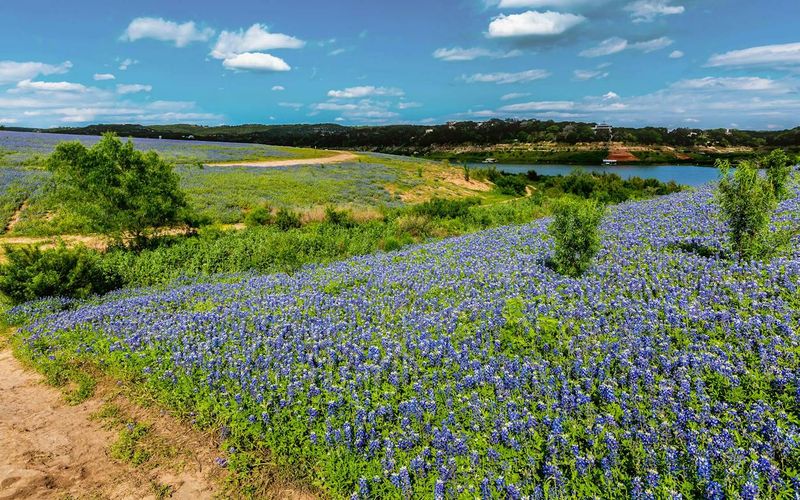
The plan fits in four steps: pick seed suited to your region, sow it in full sun with good drainage, make sure it touches soil, and then give it time. Follow TxDOT’s planting steps for depth and watering if rain stays away.
Bloom time and density will vary with your region, your weather, and how many seeds wake up. Some years the patch is sparse, and some years it surprises you.
Even a modest planting is a quiet bet on a bright March or April, placed in the soil while the world is still brown.