
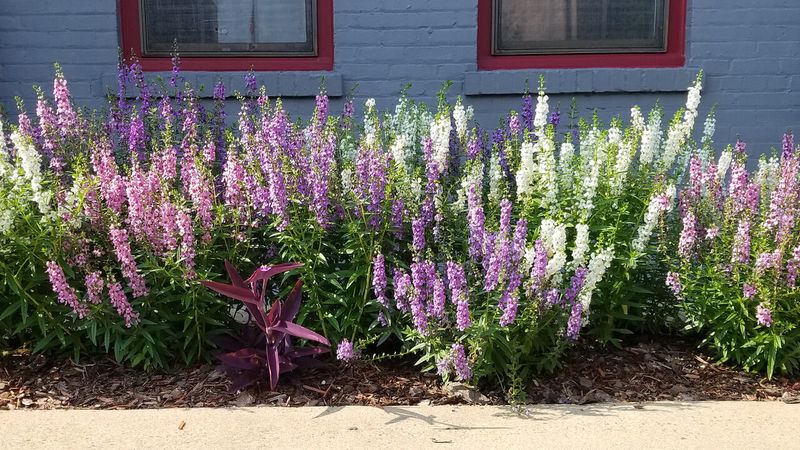
Some porch plants look like they would wilt if you stared at them too long, yet they keep blooming while Texas summer settles in. One strong candidate is Serena Angelonia, a soft-looking flower with spikes of color that Texas growers trust in containers.
It is a smart swap for a front porch that needs color in July and August. Here is what it needs, where it works, and why you still have to check the pot.
What Plant Does the Headline Mean?
Plenty of plants look fragile and act tough, so the headline alone does not point to one species. It leaves room for more than one answer, and guessing and calling it a reveal would be unfair to readers.
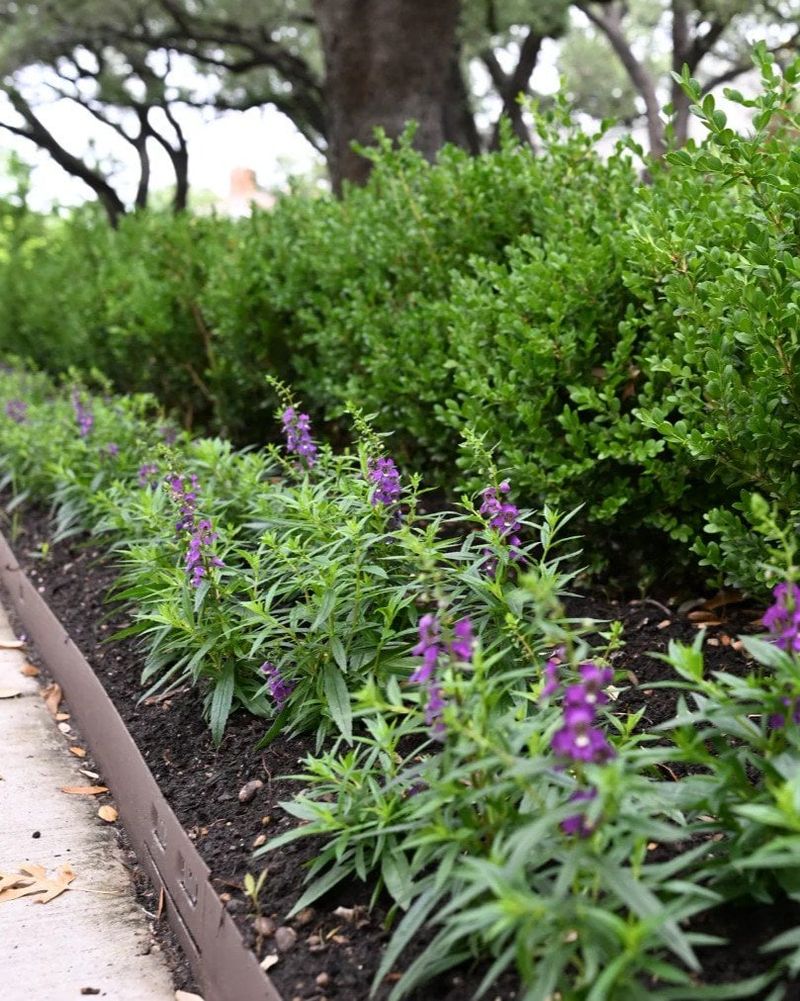
The strongest Texas-supported candidate is Serena Angelonia, also called summer snapdragon. Texas Superstar lists Angelonia for full sun, summer bloom, and container use.
A Central Texas gardening resource also describes it as a compact container plant that keeps flowering through intense summer heat.
That makes Angelonia a credible match for a delicate-looking flower that performs in Texas summers. It is not proof that a pot will thrive with no care, and it is not a guarantee through every heat wave.
So in this article, Angelonia is the candidate, not a confirmed answer.
You can still use the advice here. If you have a sunny porch and a pot with good drainage, Serena Angelonia is worth a try for next summer, whether or not it is the plant the headline had in mind.
Why Serena Angelonia Fits a Texas Summer
Serena Angelonia has a track record here. Texas Superstar names the Serena series as its Texas-tested pick, which is a more useful recommendation than just saying angelonia in general.
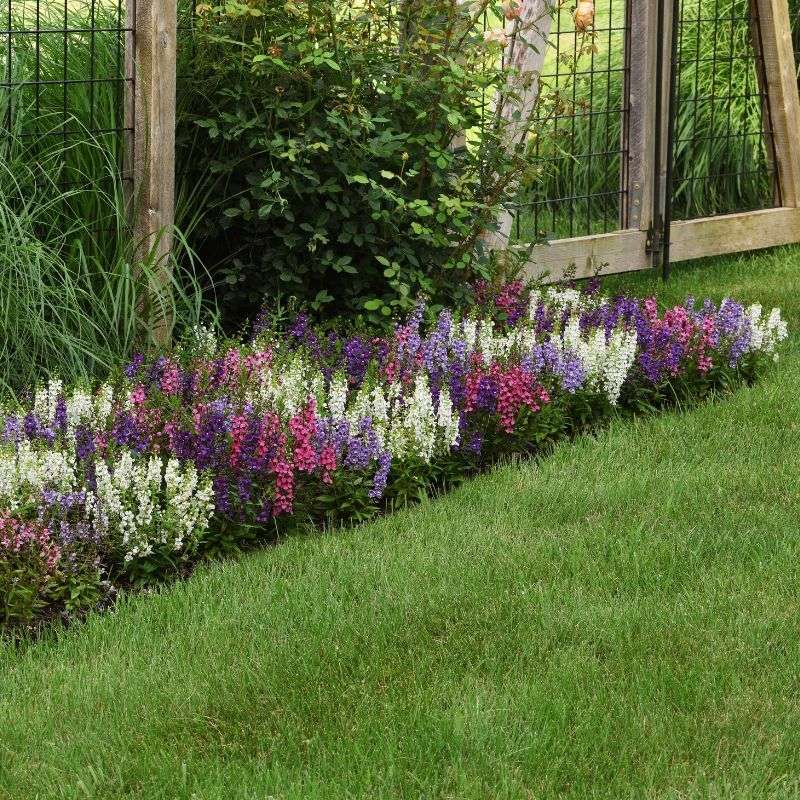
According to the Texas Superstar listing, it is an annual that grows about 12 to 18 inches tall. It is recommended for full sun and well-drained soil, and it works in mixed containers.
Flowers keep coming from summer until frost.
That size suits a porch pot. It stays tidy and upright, so it can anchor a container or sit beside trailing plants without taking over the space.
On heat, the Central Texas resource describes it as a plant that flowers through intense summer conditions. Read that as heat tolerance, not invincibility.
A plant can handle hot weather and still struggle if the pot dries out, the soil stays soggy, or the spot bakes it with reflected heat.
Texas Superstar calls it reliable across Texas, but your own porch decides the result. Sun exposure, pot size, and watering habits all matter.
Treat Angelonia as a good bet with fair odds, not a promise for every address.
Choose a Suitable Porch Location
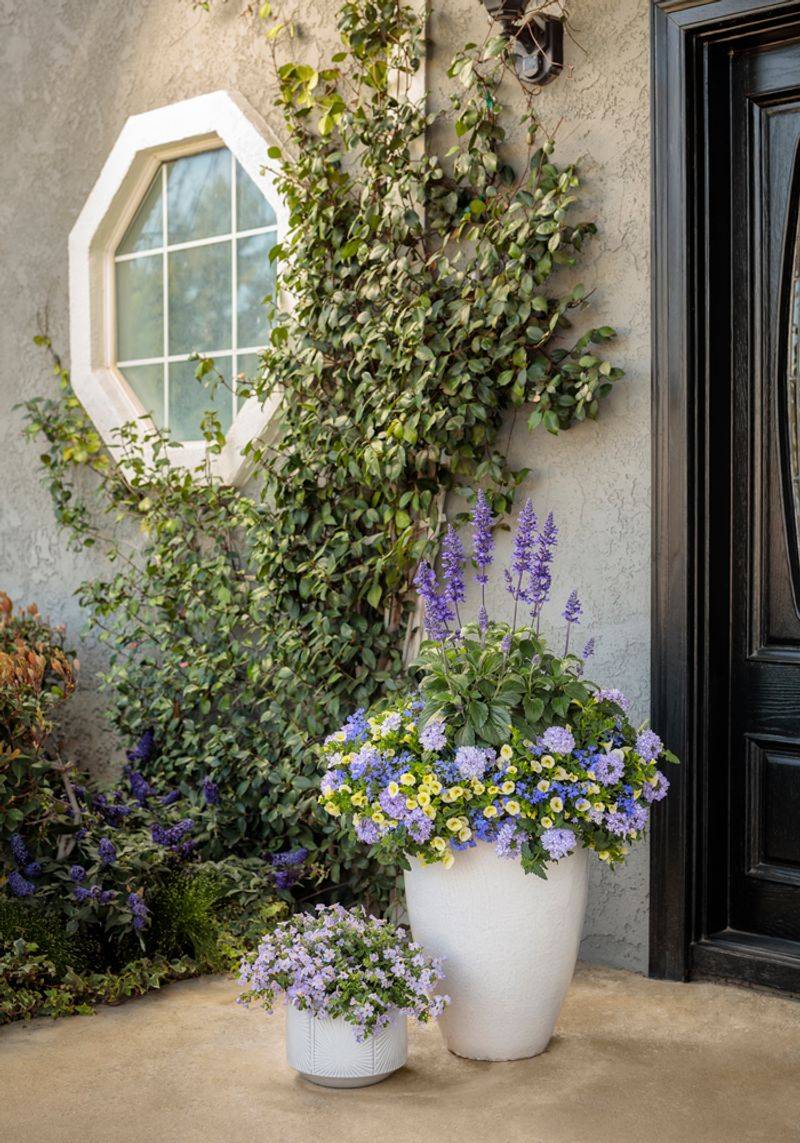
Spend a day watching your porch before you buy anything. Note when the sun hits, how long it stays, and whether walls or concrete bounce heat back at the pot.
Texas Superstar recommends full sun and well-drained soil for Angelonia, so a porch that gets strong light most of the day is the best match. Local Central Texas guidance is a little more flexible and allows full sun or very light shade.
Very light shade is not deep shade, though, and a spot that stays dim most of the day is a poor fit.
Reflected heat deserves a closer look. A west-facing porch with a hot brick wall and a concrete floor can push a container harder than an open garden bed.
Angelonia may do well there, but nothing here promises it, so start with one pot and see how it behaves.
Container conditions count as much as sun. Texas A&M AgriLife container guidance for Bexar County is a good reference for pot choices.
Pick a pot with drainage holes and enough room for roots, and consider lifting it off hot concrete with pot feet.
If the spot gets bright light but your pot looks stressed by late afternoon, shift it a few feet and watch again.
Heat-Tolerant Does Not Mean Water-Free
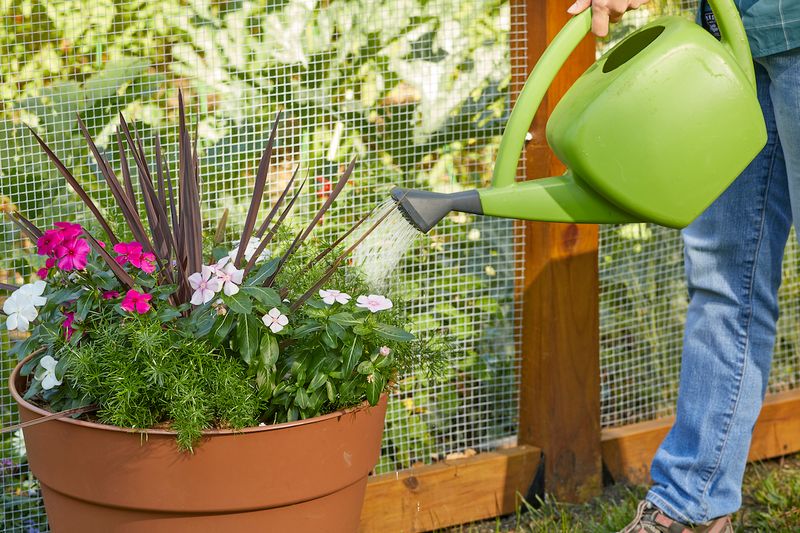
Here is where many porch gardeners get surprised. A plant that tolerates heat in a garden bed can still dry out fast in a pot, because containers lose moisture much quicker than ground soil.
Texas A&M AgriLife Extension guidance says containers can dry faster than in-ground beds and may need watering daily or even twice daily as plants mature. Notice the wording: may need.
Your pot might need less in a cooler week and more during a long stretch of triple-digit days.
Skip the fixed schedule and check the pot instead. Push a finger a couple of inches into the soil, and lift the pot now and then to feel how heavy it is.
A light pot in the afternoon is a clue that it is thirsty.
Drainage is a separate job. A Texas A&M AgriLife container resource explains that poor drainage can waterlog the mix and kill plants, and it recommends inspecting container plants regularly and watering as needed.
So drainage holes keep roots from sitting in water, but they do not replace checking the soil.
Watch for drooping that does not recover by evening, or a pot that stays wet for days. One points to thirst, the other to a drainage problem.
Also remember that Angelonia’s drought tolerance is described as applying once the plant is established. A young plant in a pot is not there yet.
Keep the Recommendation Seasonal—and the Identity Clear
Angelonia is a seasonal player. Texas Superstar lists it as an annual, so plan to enjoy it from summer until frost, then replace it next year.
It is not a permanent, year-round porch plant, and treating it like one sets you up for disappointment.
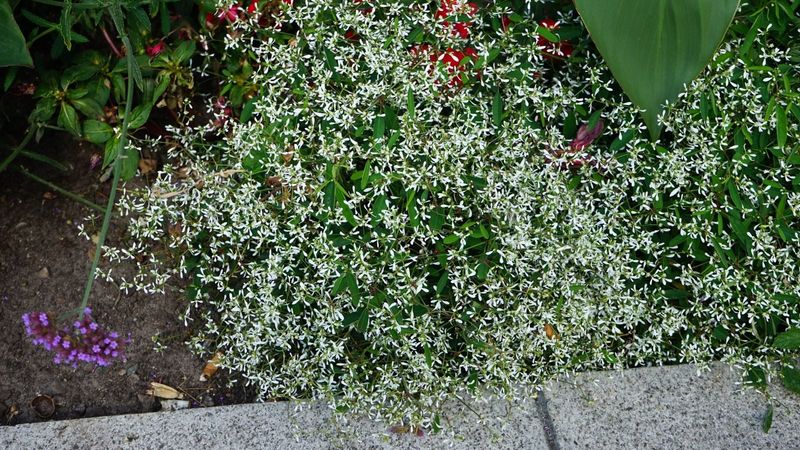
There is also a second plausible match for the headline. Baby’s Breath euphorbia, Euphorbia hypericifolia, has a fine, airy look that may fit delicate-looking even better.
The Texas Superstar annuals brochure lists it for hot Texas summers and mixed containers.
These two plants are not interchangeable. They look different, and their handling needs are not the same.
If you shop for Baby’s Breath euphorbia, confirm the plant tag before you buy.
If that is the plant you choose, take care with the sap. Poison Control advises minimizing exposure to spurge sap and keeping the plants away from children and animals.
NC State Extension identifies the sap of E. hypericifolia as an irritant, so it can bother skin and eyes.
Make the Swap With Realistic Expectations
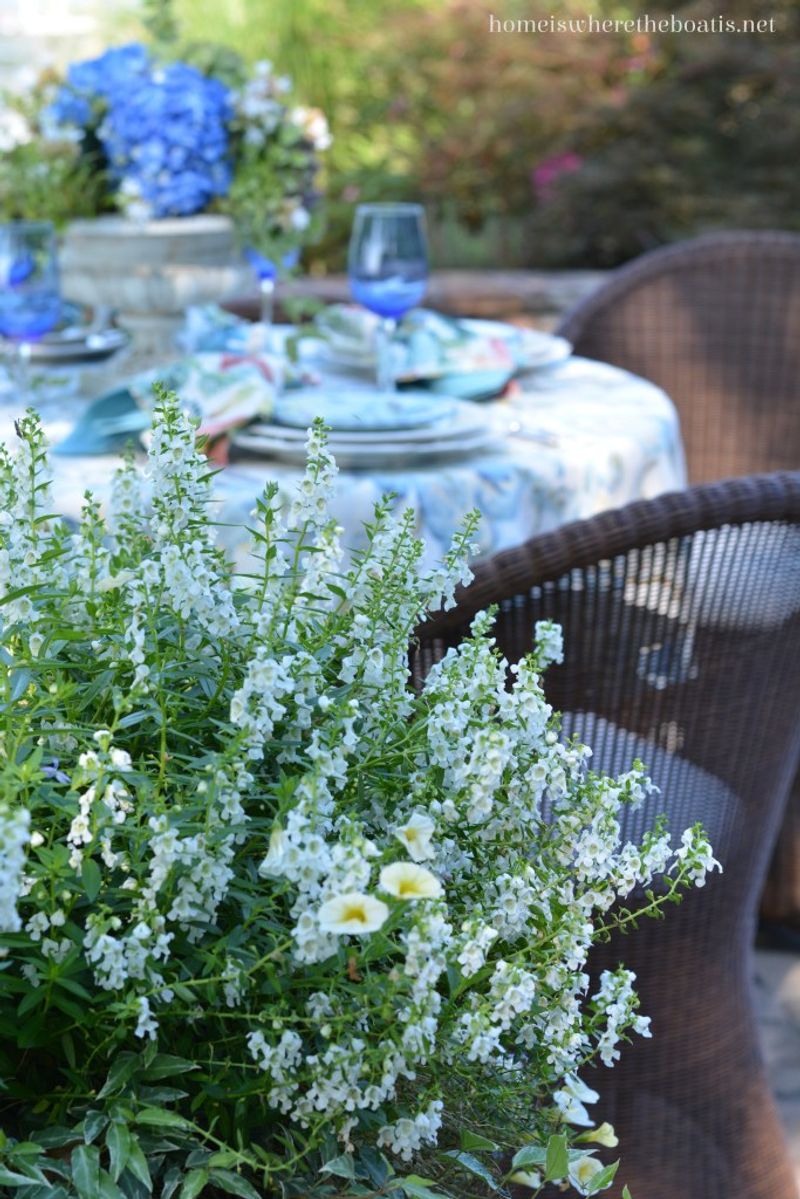
If your porch has strong sun and a pot with good drainage, Serena Angelonia is a sensible swap for next summer. Texas Superstar backs it for containers, and you can expect to watch the pot closely when the heat climbs.
Angelonia remains a candidate for the headline’s mystery plant, not a confirmed answer. A tough-looking summer of blooms still depends on your spot and your attention.
Soft petals, steady habits.