
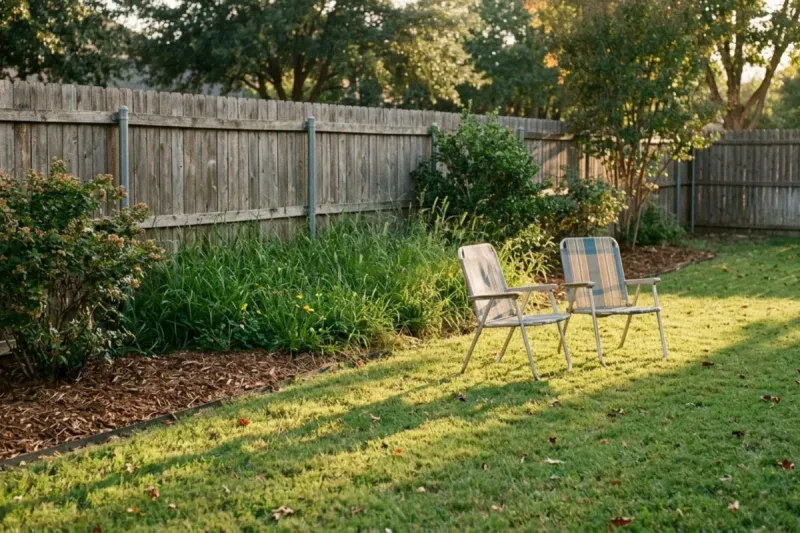
Those shield-shaped bugs that chewed up your tomatoes this summer are not leaving when the weather cools. Instead, many adult stink bugs tuck themselves into cozy spots in and around your garden beds and wait out the winter.
When spring warms up, the survivors wake up hungry and ready to lay eggs on your newest seedlings. Clearing a handful of key hiding places this fall can help shrink that first spring wave before it starts.
1. Leftover tomato and pepper plants
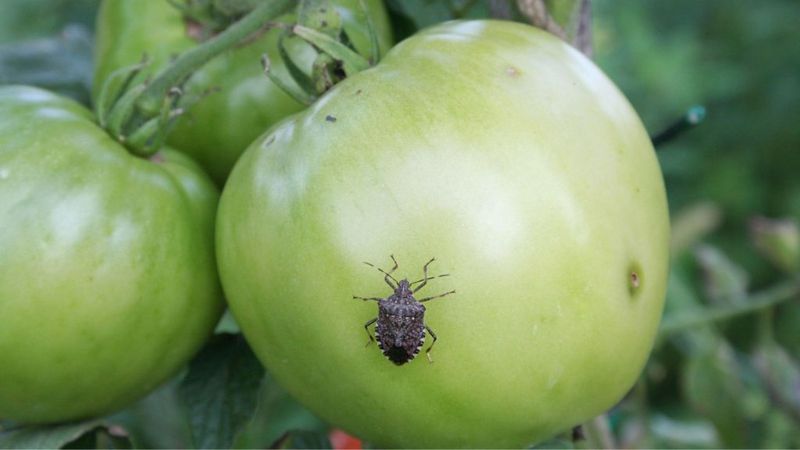
Picture a frost-bitten tomato vine still clinging to its cage in November. To you it looks finished, but to a stink bug it looks like a snack bar and a shelter rolled into one.
Southern stink bugs and brown marmorated stink bugs often linger on spent tomatoes, peppers, okra, and beans well into fall. In Florida and much of Texas, mild weather keeps them feeding on soft, overripe fruit long after northern gardens have gone quiet.
Every extra week of feeding may help adults build up the fat reserves they need to survive winter.
Pull spent edible plants as soon as harvest winds down. Shake each plant over a bucket of soapy water first, since stink bugs tend to drop when disturbed.
Bag fallen fruit too, because rotting tomatoes on the ground can keep attracting stragglers.
Skip tossing infested plants straight onto your compost pile. Bugs can simply crawl back out and resettle nearby.
Bagging the debris or letting it sit sealed in the sun for a few days is a safer bet.
Clearing these plants will not wipe out every bug, but it can cut down the number of well-fed adults heading into winter.
2. Thick mulch piled against bed edges
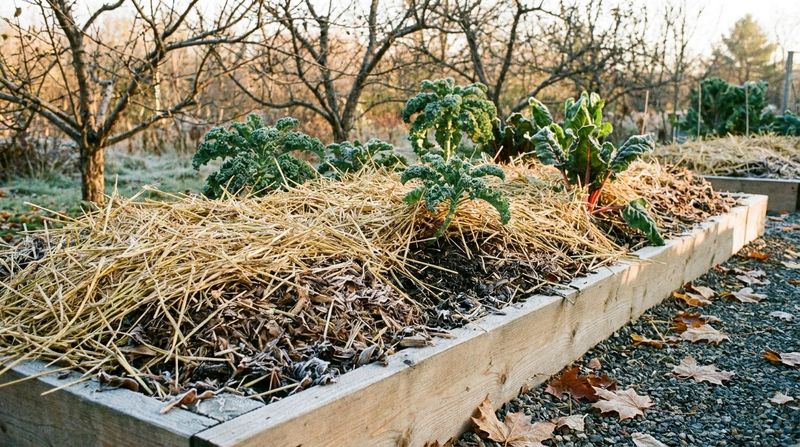
Mulch is a gardener’s best friend most of the year. Come fall, though, a deep, fluffy layer pushed up against bed borders can turn into a winter hotel for pests.
Stink bugs like snug, dry gaps where temperatures stay a little steadier. Pine straw and coarse wood chips heaped several inches high along board edges create exactly that kind of pocket.
Along the Gulf Coast, where winters are mild, bugs hiding there may stay semi-active and get a head start in spring.
Rake mulch back a few inches from the walls of raised beds and pull it away from the base of perennial herbs. Aim for a layer around two inches deep rather than a towering mound.
While you rake, keep an eye out for clustered adults and knock them into soapy water.
You do not need to strip beds bare, which can invite erosion and weeds. A thinner, evenly spread layer can still protect soil while giving pests fewer sheltered nooks.
Give this job a quick refresh after big leaf drops too. Fresh leaf litter settling into mulch can quietly rebuild those hiding spots within a few weeks.
3. Gaps in wooden raised bed frames
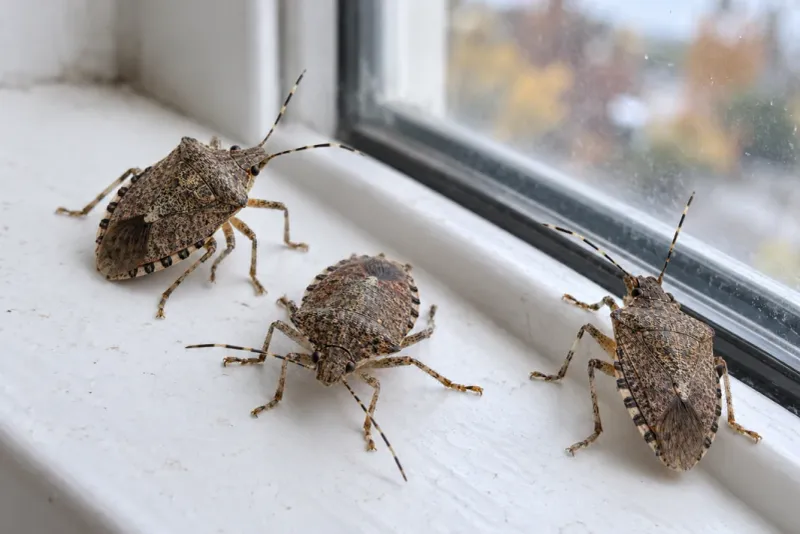
Old cedar beds have charm, but every split board and loose corner is basically a studio apartment for an overwintering bug. Ever pried apart a weathered bed and found a little cluster of brown shields packed inside?
That surprise is more common than most gardeners realize.
Wood shrinks and cracks over a few Southern summers of heat and humidity. Those narrow seams stay dry and shaded, so adult stink bugs can wedge themselves in and wait for warmth.
Because the cracks sit right next to your soil, the bugs wake up practically on top of next season’s seedlings.
Walk each bed with a flashlight and a putty knife this fall. Scrape out debris from corners, check under cap rails, and flick any bugs you find into a jar of soapy water.
Then fill cracks with exterior wood filler or tighten loose screws so boards sit flush again.
For badly rotted frames, fall is a smart time to replace a board or two. Metal or composite beds offer fewer crevices, though no material is completely bug-proof.
Sealing gaps may not stop every insect, but it can remove some of the closest, most convenient shelters.
4. Weedy fence lines and bed borders
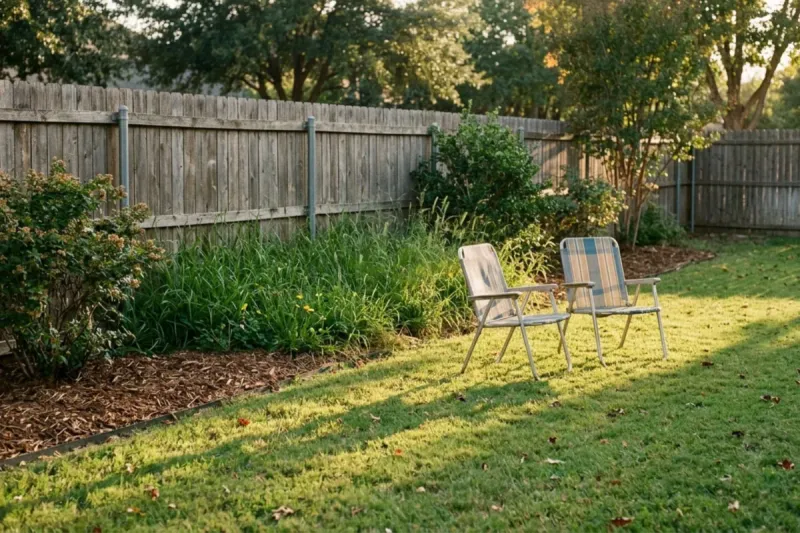
Here is a fact that surprises plenty of gardeners: stink bugs do not depend only on your vegetables. Weeds like pigweed, wild mustard, and various grasses can feed them before and after your crops are done.
That scruffy strip along the fence or between beds often acts as a bridge. Bugs move from the weeds into tomatoes in early summer, then retreat back to the weeds when your garden thins out.
Tall, dried stems and seed heads also give them shelter as nights cool.
Mow or string-trim fence lines short this fall and pull weeds that have gone to seed. Clear the narrow paths between beds too, since those forgotten corners tend to collect leaves and clumps of grass.
A tidy edge also makes your whole garden look sharper from the patio.
In Florida and South Texas, weeds keep growing almost year-round, so plan a second trim in midwinter. Staying on top of growth before it gets thick may help keep bugs from settling in.
For extra insurance, consider planting a short, tidy cover crop in empty beds. Bare soil tends to sprout the weeds stink bugs love, while a managed cover crop gives you more control.
5. Stacked pots, trays, and garden clutter
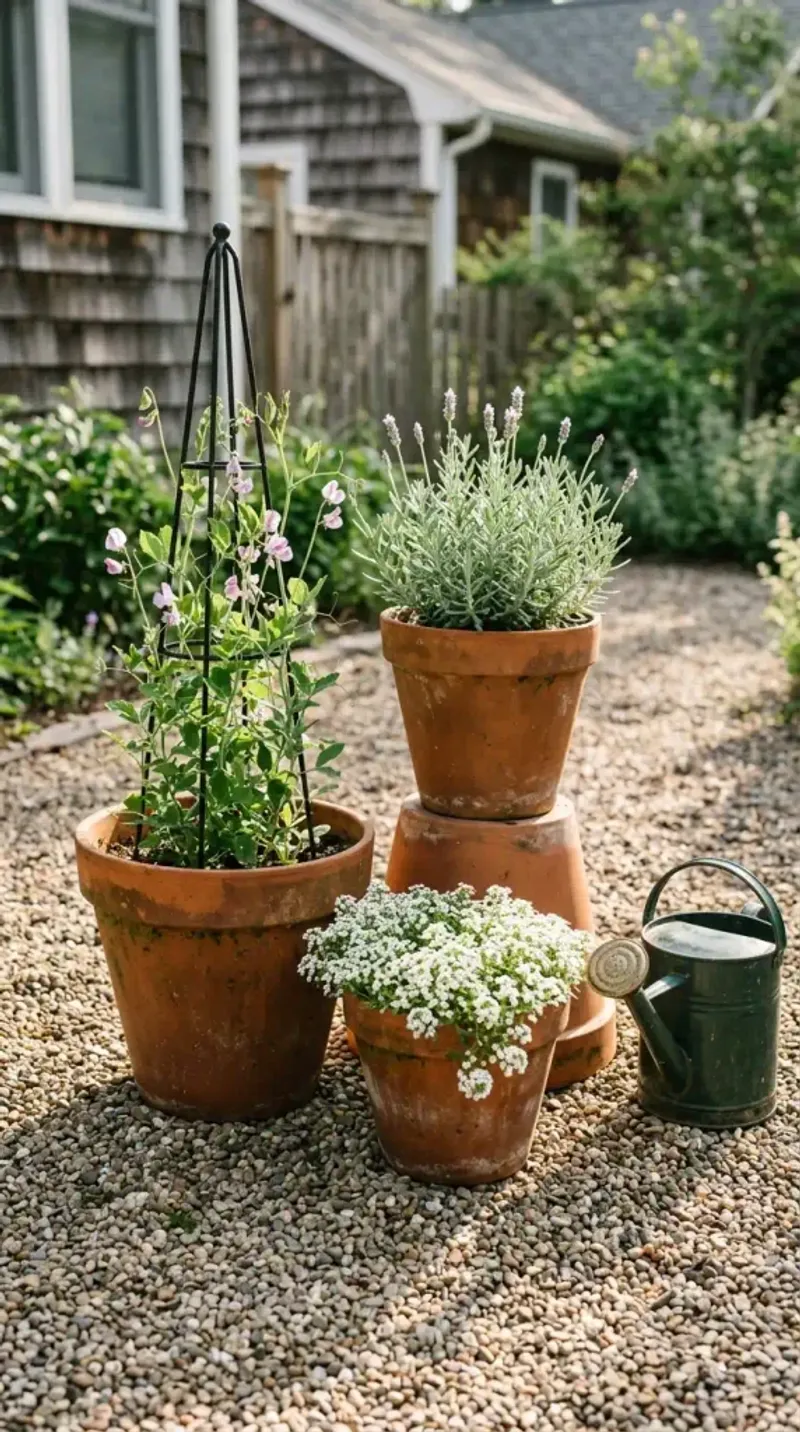
That leaning tower of empty nursery pots by the shed? Stink bugs adore it.
Nested containers create dozens of tight, dark layers that stay dry even after a soaking rain.
Gardeners in the South tend to collect a lot of gear over a long growing season: seed trays, folded row cover, old tarps, tomato cages, and bags of potting mix. Left in a jumble near the beds, all of it becomes prime real estate.
Bugs hiding there in winter are only steps away from your spring transplants.
Spend an afternoon sorting it out. Unstack pots, knock them against a hard surface to dislodge any hitchhikers, and rinse them with soapy water.
Store clean containers upside down on a shelf or inside a closed bin rather than on the ground.
Shake out tarps and row covers before folding them, and hang tomato cages instead of piling them. Toss cracked trays and broken pots you were never going to use anyway.
The bonus here goes beyond pests. A cleared-out potting area makes spring planting faster, and you will actually find that one good trowel when you need it.
6. Woodpiles and brush heaps near the garden
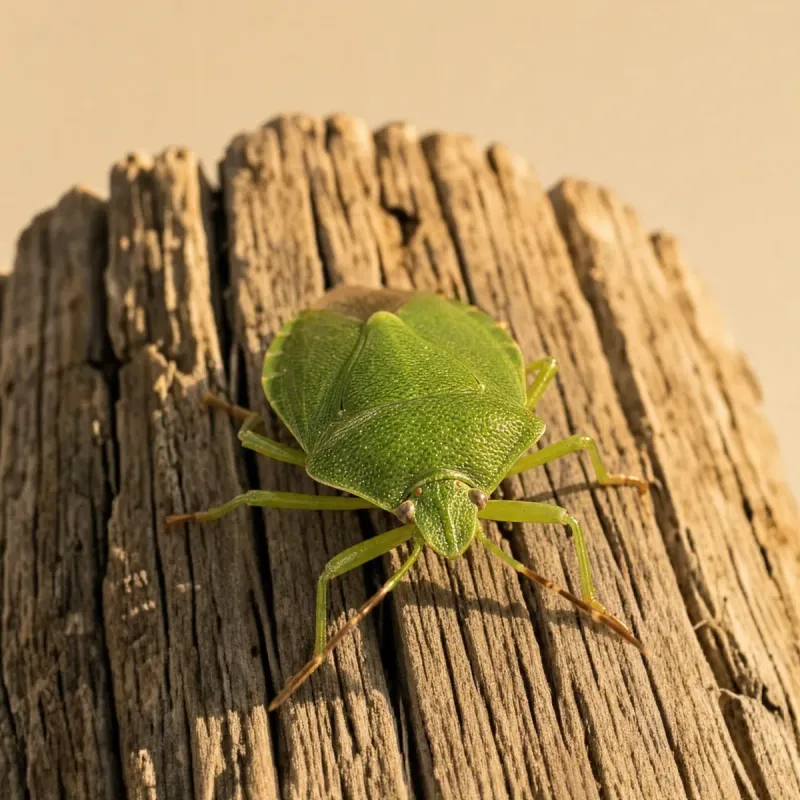
A neat firewood stack feels cozy in fall. Parked right next to your vegetable patch, though, it may be quietly sheltering the bugs that will hit your seedlings in March.
Loose bark, stacked logs, and piles of pruned branches offer deep, layered cover. Stink bugs, along with other overwintering pests, slip under bark and between logs where wind and cold cannot reach them easily.
In mild Southern winters, they may come out on warm days and wander back toward your beds.
Move firewood at least 20 feet from the garden if you can, and keep it raised off the ground on a rack. Shred or haul away brush piles from recent pruning rather than letting them sit for months.
If you keep a brush pile for wildlife, place it at the far edge of the yard, away from edible crops.
Bringing firewood indoors? Knock each piece against a hard surface first so you do not carry stink bugs into the house, where they tend to show up on windows all winter.
Distance alone will not guarantee a bug-free spring. Still, putting space between shelter and food can make life harder for overwintering adults.
7. Siding, window frames, and shed walls
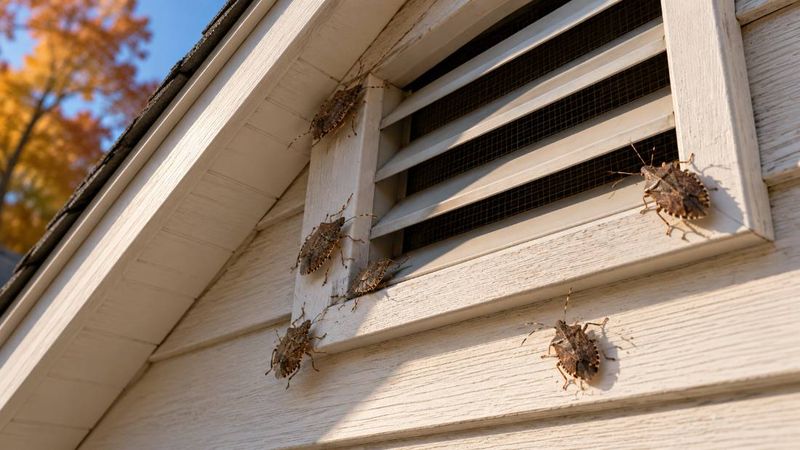
Ask any Texas homeowner about October and you may hear about bugs clustering on the sunny side of the house. Brown marmorated stink bugs are famous for gathering on warm walls before slipping into cracks for the winter.
Siding gaps, loose window screens, attic vents, and shed seams near the garden can all hold surprising numbers. Bugs sheltering there are not technically in your beds, yet they are close enough to fly over once spring arrives.
Many gardeners never connect the bugs on the porch with the damage on their tomatoes months later.
Check south- and west-facing walls on warm fall afternoons when bugs tend to gather. Sweep or vacuum clusters into a bag and seal it.
Then caulk gaps around window frames, utility lines, and trim, and repair torn screens.
Shed doors and wall seams deserve the same attention. A strip of weatherstripping along a loose door can close off a favorite hiding spot.
Not every region sees huge invasions, and the native southern green stink bug is more common in some Southern gardens. Sealing entry points can still help no matter which species visits your yard.
8. Overwintering herbs and fall crops
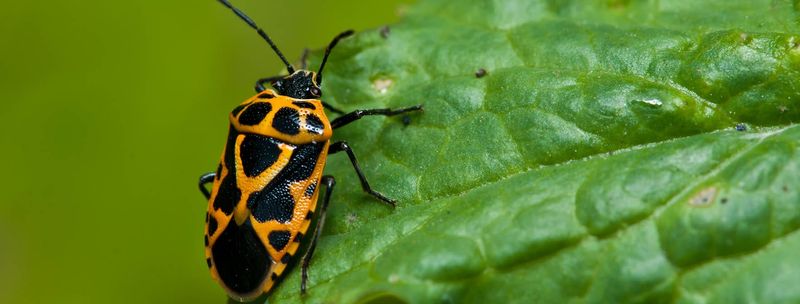
Southern gardeners have a perk northern friends envy: fall and winter gardens. Collards, mustard, kale, and rosemary keep growing through mild months, but they can also keep stink bugs fed when everything else is gone.
Harlequin bugs, a colorful cousin of the stink bug, are especially fond of cabbage-family crops. Other stink bugs may also rest on dense herbs and leafy greens through winter.
When spring comes, those well-fed adults are already in position to lay eggs.
Make leaf checks part of your weekly routine. Look under leaves for adults and for tidy clusters of barrel-shaped eggs, often laid in neat rows.
Scrape eggs off with a fingernail or a piece of tape, and drop adults into soapy water.
Thin out crowded plantings so air moves freely and hiding is harder. Lightweight row cover over young greens can also help keep bugs from landing in the first place, as long as no bugs are trapped underneath.
None of this means giving up your winter harvest. A few minutes of scouting can help you enjoy fresh greens while keeping next spring’s first wave smaller and far easier to manage.