
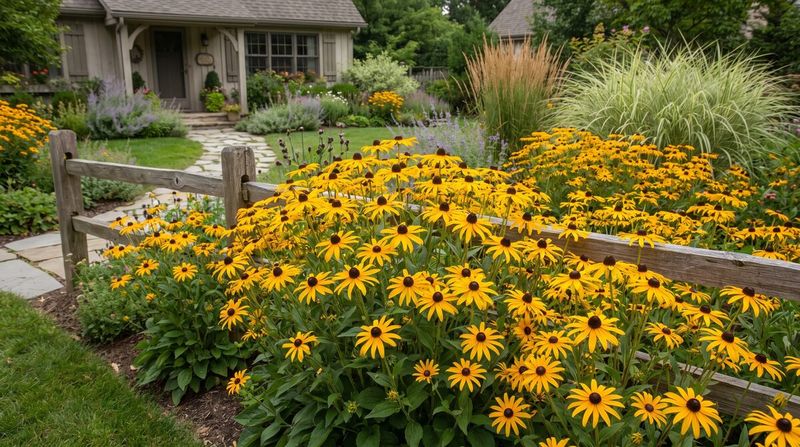
Some of the prettiest spring and summer blooms in North Carolina start with a handful of seeds tossed on cold, bare soil in fall. Many native wildflower seeds need a long stretch of chilly, damp weather before they will sprout, and our winters handle that job for free.
Sow them between late October and December, walk away, and let the rain, frost, and thaw work them into the ground. Here are ten natives that reward that easy, hands-off approach with color, pollinators, and birds.
1. Purple Coneflower
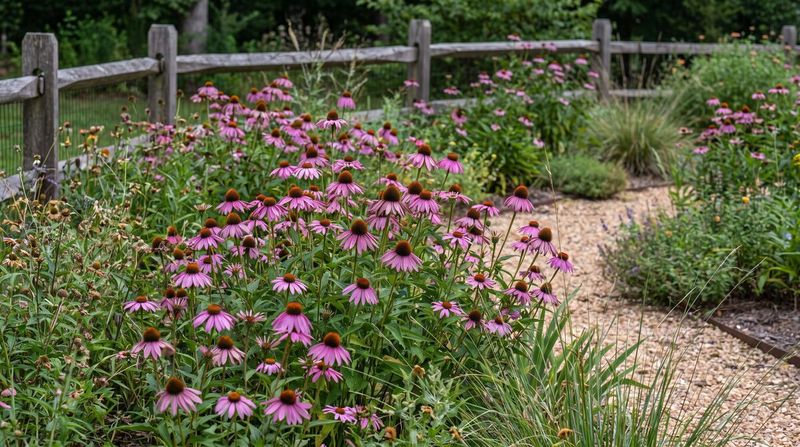
Goldfinches treat a patch of purple coneflower like a private snack bar once the petals drop. That alone earns Echinacea purpurea a spot on any fall sowing list.
Its seeds need roughly 60 to 90 days of cold, moist conditions to wake up, which lines up neatly with a North Carolina winter.
Scatter seed on raked, weed-free soil in full sun, press it down with your foot, and skip the mulch. Piedmont and coastal plain gardeners can sow from November through January, while mountain growers often get better results sowing before the ground freezes hard.
Expect mostly leaves the first year and solid blooms by the second. After that, plants may self-sow modestly if you leave the seed heads standing for birds.
2. Black-Eyed Susan
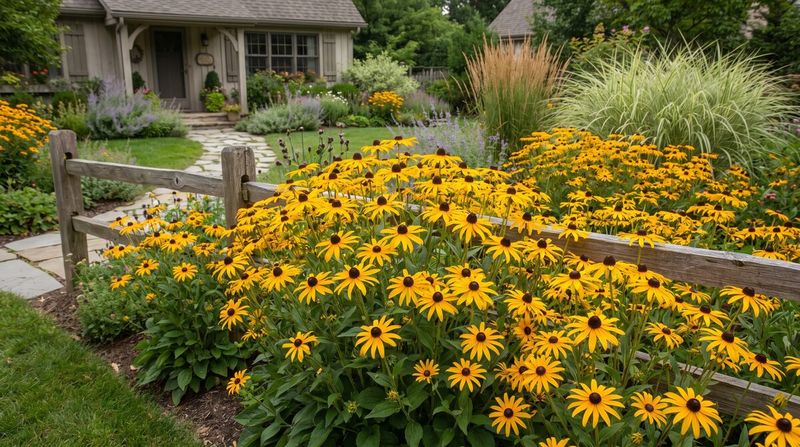
Ever notice how black-eyed Susans light up NC highway medians every July? The state’s roadside wildflower program has leaned on Rudbeckia hirta for decades because it sprouts readily from seed and tolerates poor, dry ground.
Fall is a smart time to sow it at home. A light cold period can improve germination, and seedlings that form a small rosette before winter often bloom the very next summer.
Toss seed onto bare spots along a mailbox, fence line, or hellstrip. It suits sandy coastal soils and Piedmont clay alike, as long as the site gets at least six hours of sun.
3. Butterfly Weed
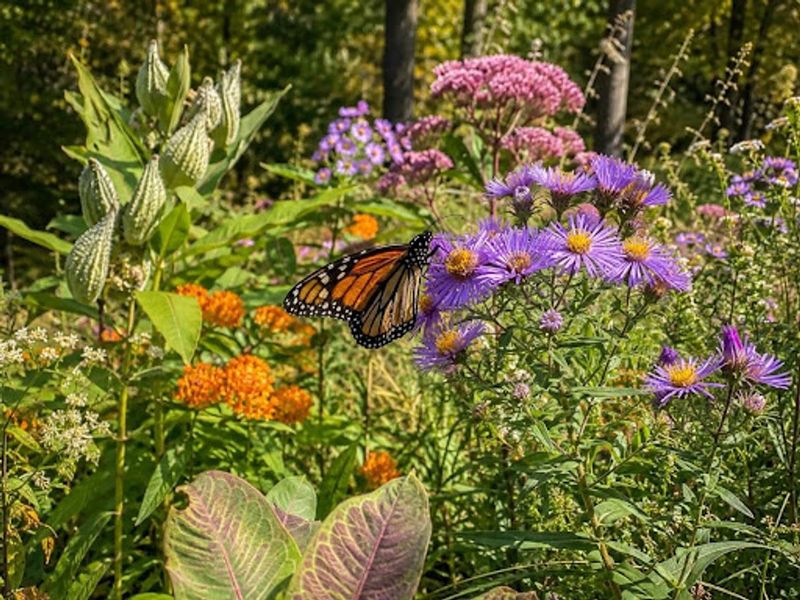
Monarch caterpillars depend on milkweeds, and butterfly weed is the tidy, drought-proof member of the family that behaves itself in a home bed. Its blazing orange clusters also draw swallowtails and native bees.
Here is the catch: Asclepias tuberosa seed usually germinates poorly without a cold, wet stretch. Sowing outdoors in late fall handles that step naturally, no refrigerator required.
Choose a dry, sunny spot you will not dig up later, since plants form a deep taproot and resent being moved. Seedlings are slow, so mark the area so spring weeding does not wipe them out.
4. Wild Blue Phlox
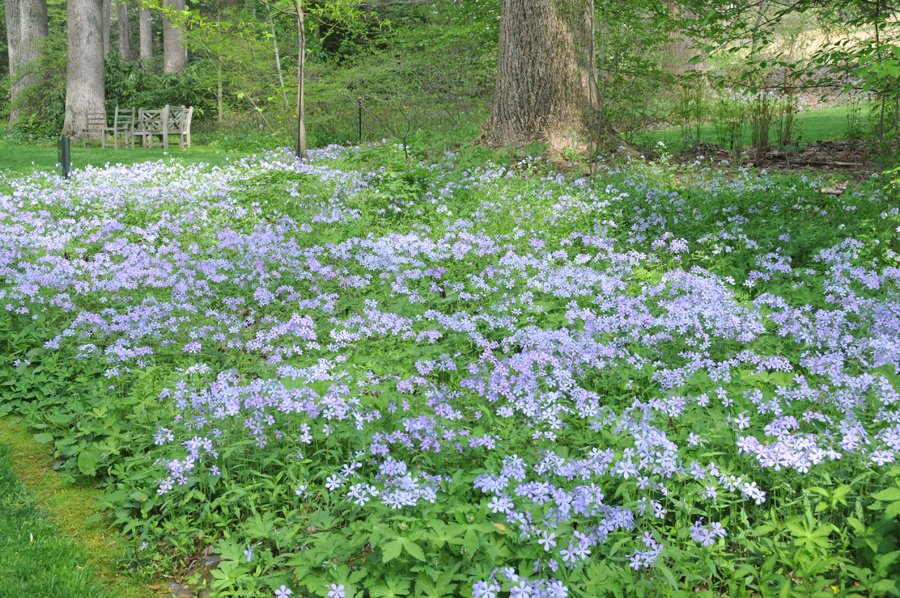
Shady yards deserve wildflowers too. Wild blue phlox, Phlox divaricata, spreads a soft lavender haze under hardwoods in April, exactly when spring feels like it is finally sticking around.
Fresh seed sown in fall onto leaf-rich soil has the best shot, mimicking what happens naturally on mountain and Piedmont forest floors. Rake back thick leaves, scatter seed, and let a thin layer drift back over it.
Early bumblebees and butterflies visit the fragrant flowers. Over a few seasons, plants creep into a loose groundcover that pairs beautifully with native ferns.
5. Lanceleaf Coreopsis
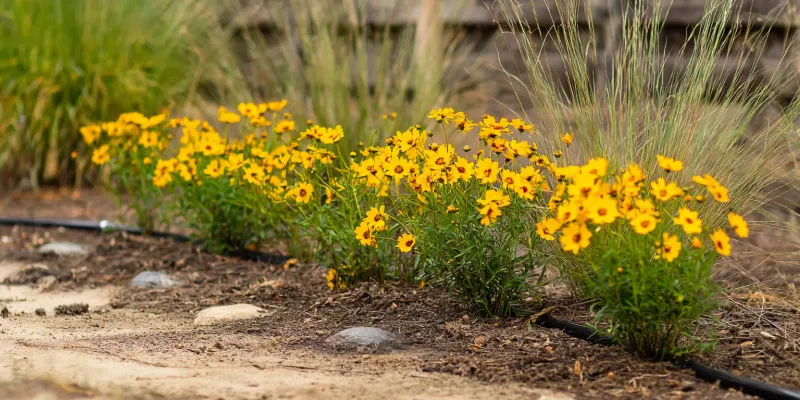
North Carolina gardeners have a soft spot for coreopsis, and lanceleaf tickseed is the tough native version that shrugs off heat, sand, and neglect. Its sunny yellow daisies show up in May and keep going with deadheading.
Fall-sown seed tends to establish quickly. Many seedlings overwinter as small green clumps and bloom the following spring, giving you faster gratification than slower natives on this list.
Coastal plain gardeners with fast-draining soil may find it especially easy. Skip fertilizer, which can make stems floppy, and let a few flowers go to seed for finches.
6. Blue Wild Indigo
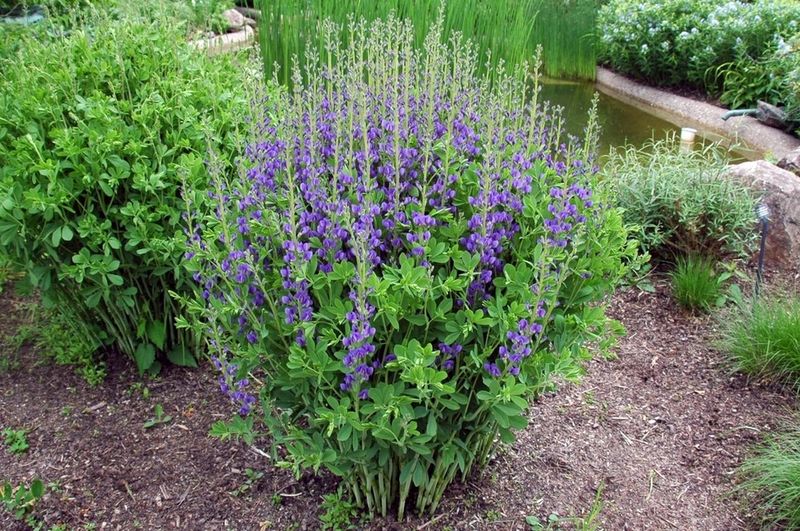
Patience pays off with blue wild indigo. Baptisia australis takes two or three years to hit its stride, then rewards you with shrub-sized mounds of deep blue spikes that can live for decades.
The hard seed coat is part of why fall sowing helps. Freezing and thawing may soften it, and many growers also nick seeds with a nail file before sowing for better results.
Bumblebees muscle into the flowers, and the puffy black seed pods add winter interest. As a legume, it can fix nitrogen and handle lean, rocky soils where fussier perennials struggle.
7. Cardinal Flower
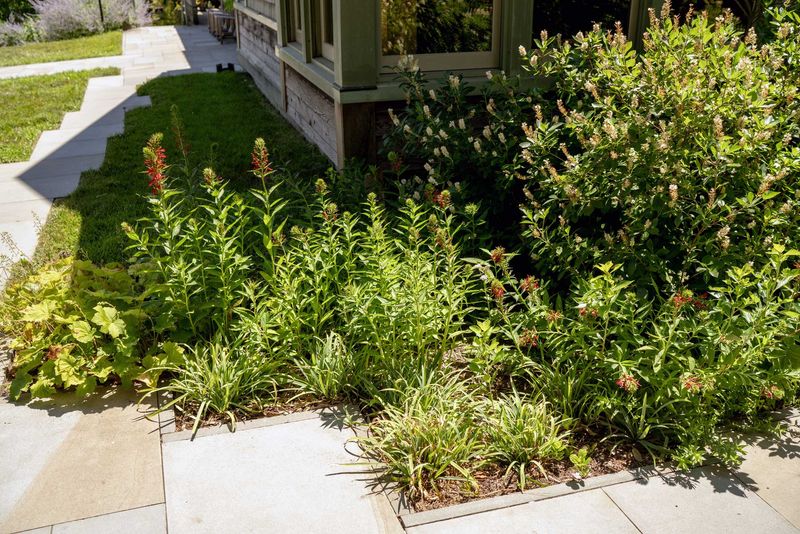
Few sights stop a hummingbird faster than cardinal flower’s scarlet spikes in late summer. Lobelia cardinalis grows wild along creek banks across the state, and it thrives in soggy spots where lawns fail.
Its dust-fine seeds need light to sprout, so never bury them. Sprinkle seed on the surface of moist soil in late fall and let winter rain settle it in.
Rain gardens, downspout zones, and pond edges are ideal homes. Plants can be short-lived, but leaving some seed stalks standing may let new rosettes replace older ones.
8. Columbine
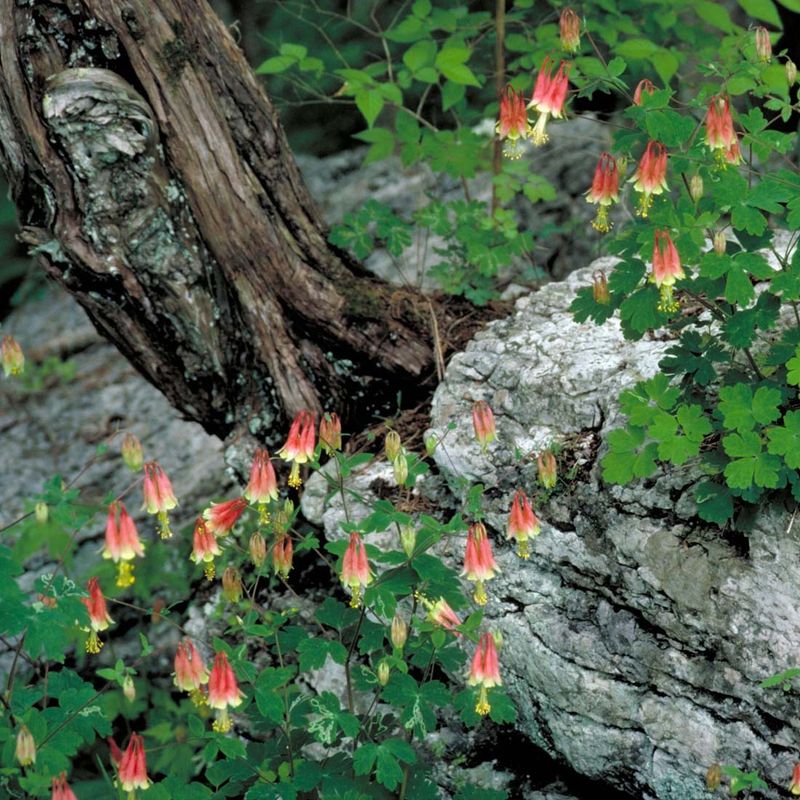
Picture tiny red-and-yellow lanterns dangling over a rock wall in April. Eastern columbine, Aquilegia canadensis, is one of the first nectar stops for returning ruby-throated hummingbirds.
Its seeds generally germinate better after a cold spell, which makes late fall sowing a natural fit. Scatter seed in part shade on well-drained soil, rock gardens and slopes included.
Plants are delicate looking but surprisingly tough. Once established, columbine tends to wander gently around the garden by seed, popping up in cracks and corners you would never think to plant.
9. Joe-Pye Weed
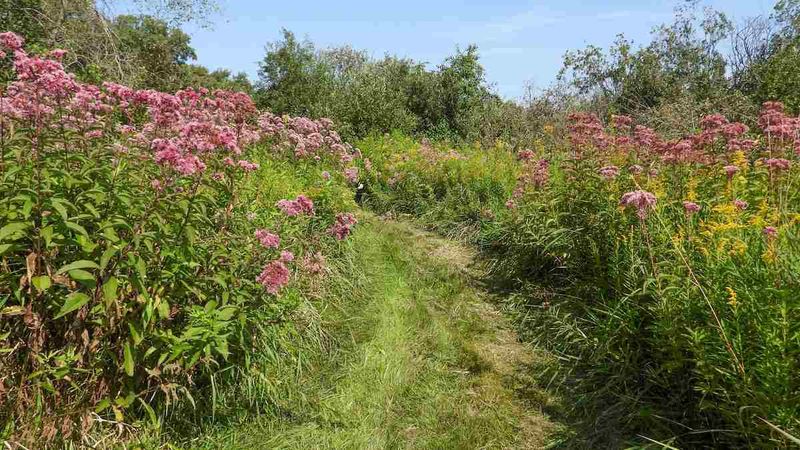
Want a butterfly magnet taller than you? Joe-Pye weed can reach six feet or more, and its dusty pink domes often hold several swallowtails at once in August.
Seed benefits from cold, moist stratification, so sow it outdoors in late fall on the soil surface. It likes moisture, making it a great back-of-border choice near a rain garden or low spot.
Native bees and late-season butterflies may rely on it as other flowers fade. Leave the stems standing through winter, since hollow stalks can shelter overwintering insects.
10. New England Aster
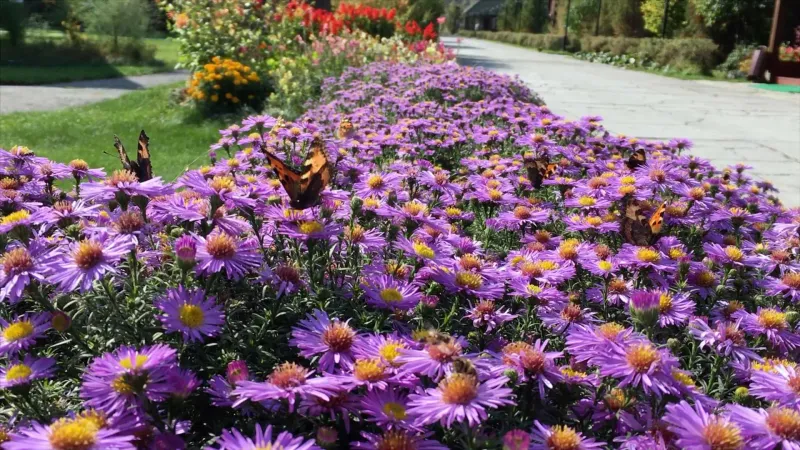
Late-season pollinators have few better friends. New England aster explodes with purple and gold just as migrating monarchs pass through North Carolina in October, offering fuel when most gardens have quit.
Sowing seed now sets up next fall’s show. Cold stratification over winter can improve sprouting, and seedlings usually establish fast once spring warms the soil.
Give it full sun and average to moist ground. Pinching stems back by half in early summer keeps plants bushier and less floppy, a handy trick for tidier front-yard beds.
Quick takeaway for this whole list: rake, scatter, press, and wait. Winter does the hard part.