

Azaleas are the stars of a North Carolina spring, so it is natural to wonder what you can do in the fall to help them. One thing you can do is check the soil before the ground freezes and water only if the roots are dry.
That care helps the plant get through winter, but it does not guarantee a big show of flowers. Here is what each fall step does, what it does not do, and what really affects next spring’s blooms.
Pre-winter care supports azaleas but cannot promise spring blooms
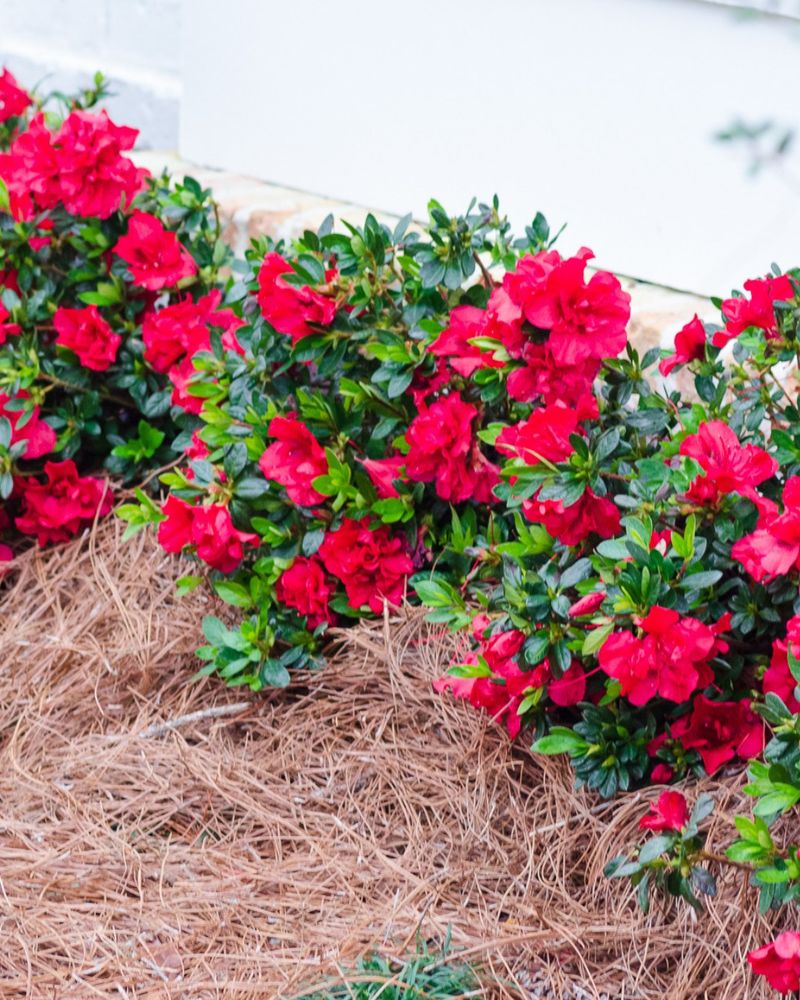
Plenty of gardeners hear that one late-fall chore will keep azalea blooms from coming in thin. That promise goes too far.
Watering and mulching in late fall do not set flower buds, and no single pre-winter task can guarantee a heavy spring display.
What those steps can do is look after the roots. Extension guidance describes a deep drink before the ground freezes as winter care for azaleas and rhododendrons.
Moisture and root protection help a shrub stay healthy, and a healthy shrub is in a better position to grow and flower well.
So the practical task is conditional. Walk out to your azaleas before the ground freezes and check the soil.
If it is dry, give the plants a good soaking. If it is already moist, you can skip the hose.
Flowering depends on many things beyond fall care. University of Maryland Extension lists pruning at the wrong time, light, soil and water conditions as common reasons for poor bloom.
Winter cold matters too, and Rutgers Extension names cold injury as one cause of flowering failure. Think of fall moisture care as one useful piece of a bigger picture.
Check the soil before you water
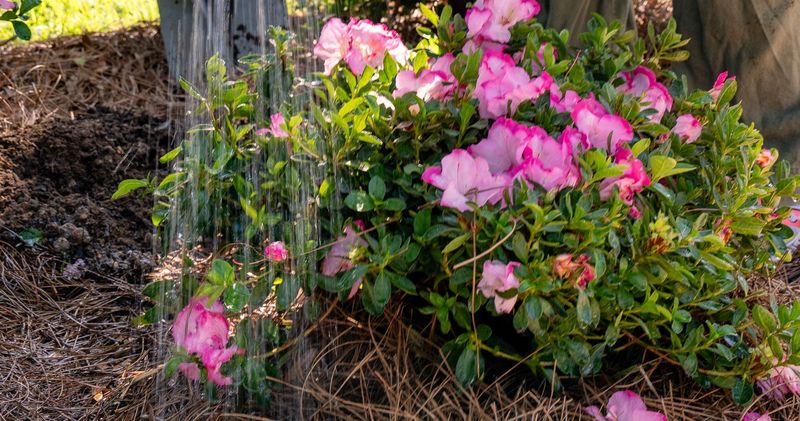
A calendar cannot tell you when an azalea is thirsty, but the soil can. Push a finger a few inches into the ground near the shrub.
If the top few inches are dry, it is time to water. If the soil feels damp, wait.
For dry soil, Clemson Extension advises watering slowly and deeply, to about 6 to 8 inches. A slow trickle from a hose soaks in better than a quick spray that runs off.
Azaleas have shallow roots, so they feel dry spells quickly. That same guidance warns that soggy soil can cause decline and root rot, so more water is not better.
Where does the pre-freeze drink fit in? Rutgers Extension recommends watering in late fall or early winter before the ground freezes.
Treat that as a response to dry conditions, not a ritual before every cold snap. After a rainy week, the soil may already hold plenty.
You may come across advice about cutting back irrigation in fall. That comes from NC State guidance for nursery production, where growers manage thousands of container plants.
It is not a backyard watering plan. At home, the simple rule is to avoid both drought and standing water.
If water pools around your azaleas after rain, the problem is drainage, and that deserves attention before any watering routine.
Use a modest mulch layer to steady the root zone
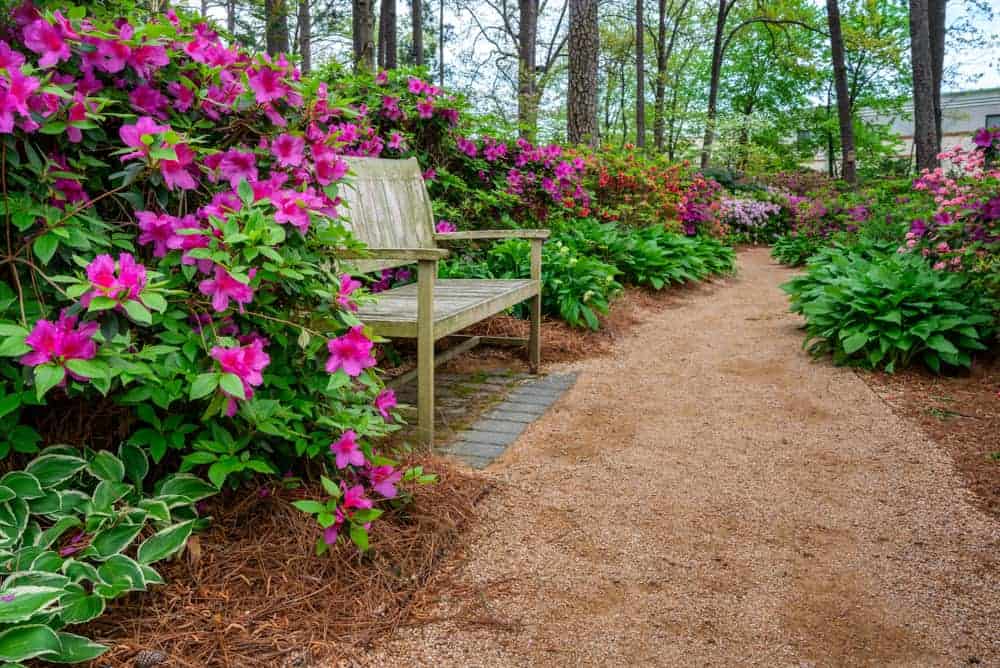
Mulch works like a blanket for the soil, and a thin one does the job. An organic layer such as pine bark or pine straw slows water loss and keeps soil temperatures from swinging too far.
That is why it suits shallow-rooted azaleas so well.
Clemson Extension recommends a layer about 2 to 3 inches deep. It also advises keeping the mulch a couple of inches away from the main stem.
Pull it back into a doughnut shape, not a volcano, so the base of the plant stays dry and can breathe.
More is not better here. Rutgers Extension cautions against mulch deeper than 3 inches, since excess depth can seriously harm roots.
A thick blanket can hold too much water and hold air out of the root zone.
A quick check helps. If last year’s mulch has thinned, top it up to the 2 to 3 inch range.
If it has built up over the years, rake some away rather than adding more.
Keep the purpose clear. Mulch is root-zone care.
It does not form flower buds, and it cannot promise that buds will come through a hard freeze unharmed.
Buds initiate after spring growth and develop through summer and fall
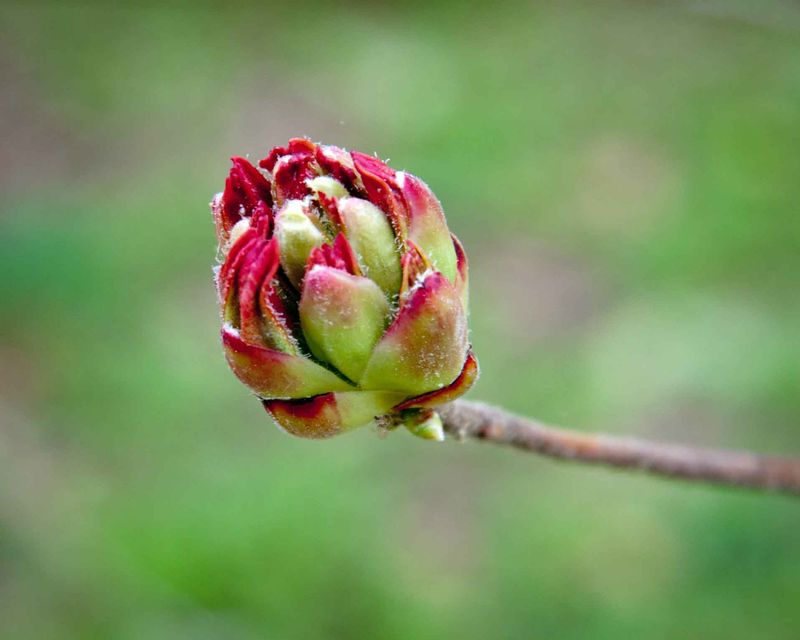
Next spring’s flowers start their story long before winter. Azalea flower buds begin to form after the spring flush of growth ends.
From there they keep developing through summer and into fall. UF/IFAS Extension describes this pattern, noting that bud development continues into late summer and fall in Florida.
Timing can shift with cultivar and climate, so do not assume one calendar works everywhere.
This timeline matters most when you reach for the pruners. NC State Extension recommends pruning in summer, which leaves time for next year’s buds to form.
Cut later, and you may remove buds that are already in place.
That is why late fall is a poor time to shape spring-flowering azaleas. If you want to keep next spring’s flowers, leave them alone until after they bloom.
Summer pruning, done soon after flowering, is the better window.
Notice what is missing from this story. Winter watering and mulching are not part of bud formation.
They look after the roots while the buds do their own slow work above ground.
If a shrub has grown too big, make a note to trim it right after next spring’s bloom instead of in the cold months.
Several factors can contribute to sparse flowering
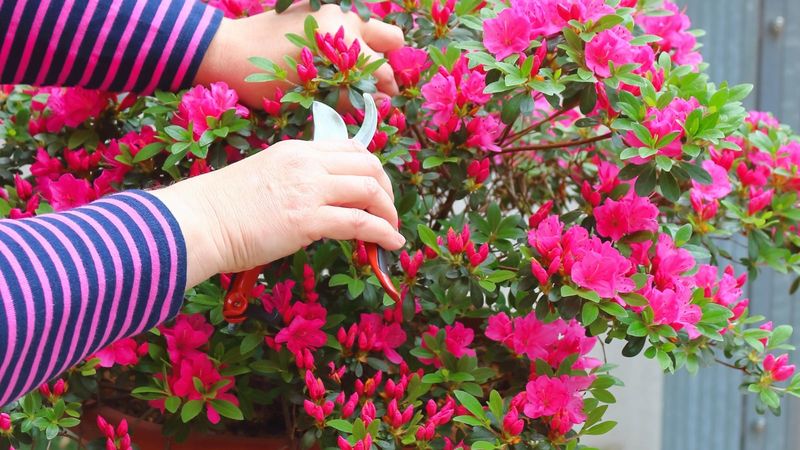
When an azalea blooms poorly, it is tempting to blame the one chore you skipped last fall. The real cause is often something else.
Extension sources point to a handful of usual suspects, and University of Maryland Extension covers many of them.
Start with pruning. Cutting after buds have formed removes flowers before they open.
Next, look at light. A shrub crowded by growing trees may get too little sun to flower well.
Water and soil come next. Drought or other moisture stress can hurt a plant, and so can poor drainage or soil that does not suit azaleas.
Check whether water lingers after rain and whether the plant seems stunted.
Cold is another factor. A hard freeze can damage buds that are already formed, and Rutgers Extension lists cold injury among causes of flowering failure.
Fall watering and mulch cannot guarantee those buds survive. A clue is brown, shriveled buds in early spring.
Variety and place also matter. In Florida, UF/IFAS notes that warm winters can leave some northern hybrids short of chilling, which leads to patchy flowering.
North Carolina mountains, Piedmont, and coast each bring their own cold risks, so match your cultivar to your area.
Make the pre-freeze check about soil, not a promise of blooms
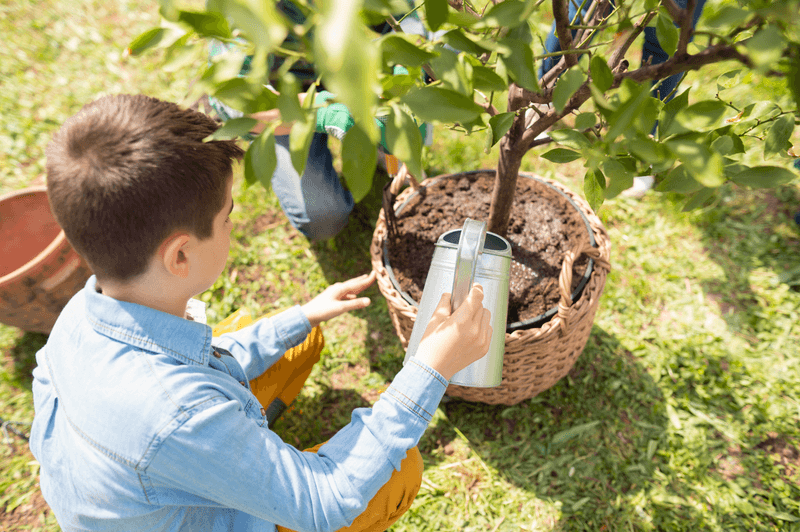
Before the ground freezes, poke the soil. Water slowly and deeply only if it is dry, using Clemson’s 2 to 3 inch mulch and watering advice as your guide.
Leave the pruners in the shed, since NC State points to summer for shaping.
Even a deep drink before freeze cannot make buds. Good roots give a shrub a fair chance, and spring decides the rest.