
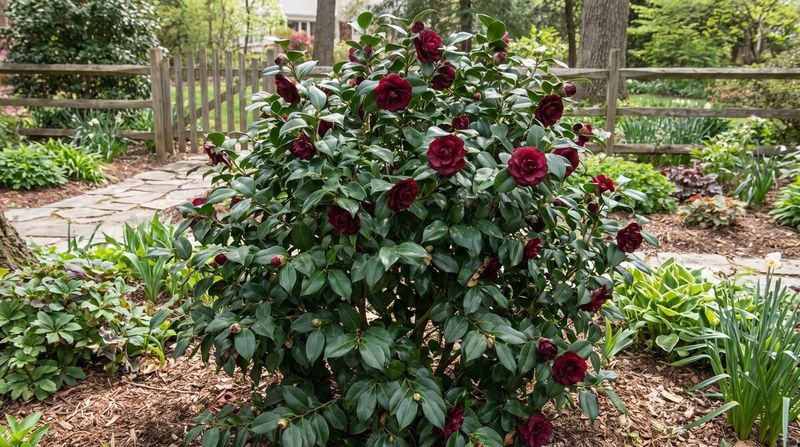
Camellia flowers start as tiny buds months before they open. That means what happens in your yard during late summer and fall can affect how those buds do later.
One simple habit, checking soil moisture, can take some stress off the shrub. Here is how to do it the water-wise way, and what it can and cannot do.
The useful fall task: keep soil moisture reasonably consistent
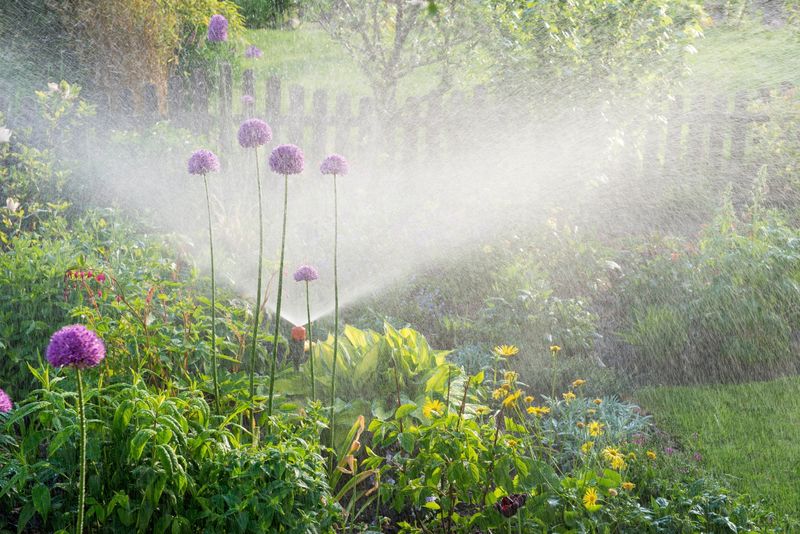
Here is the practical answer: check the soil around your camellia during dry spells, and irrigate when it is actually dry. Do not keep the ground soggy.
That is the whole task, and it is a small one.
Fall in California can be tricky. Rain may be late, warm spells can linger, and soil can dry out well below the surface while the top looks fine.
A quick check with a finger, a trowel, or a soil probe tells you more than the calendar does.
Why bother? According to UC IPM guidance on premature bud drop, buds that fall early can reflect inadequate care during the previous summer and fall, when the buds were forming.
Steady moisture is one way to take away a source of stress during that stretch.
The title of this article promises more than any single chore can deliver, so here is the honest version. Watering well does not decide how many flowers open.
Camellia type, weather, drainage, site conditions, and natural bud shedding all play a part, and a healthy shrub can still drop some buds.
Too much water is a problem too. UC IPM explains that both too little and too much water can harm plants.
Think of your goal as even, moderate moisture, not extra water.
Buds develop before flowers open, and timing varies by type
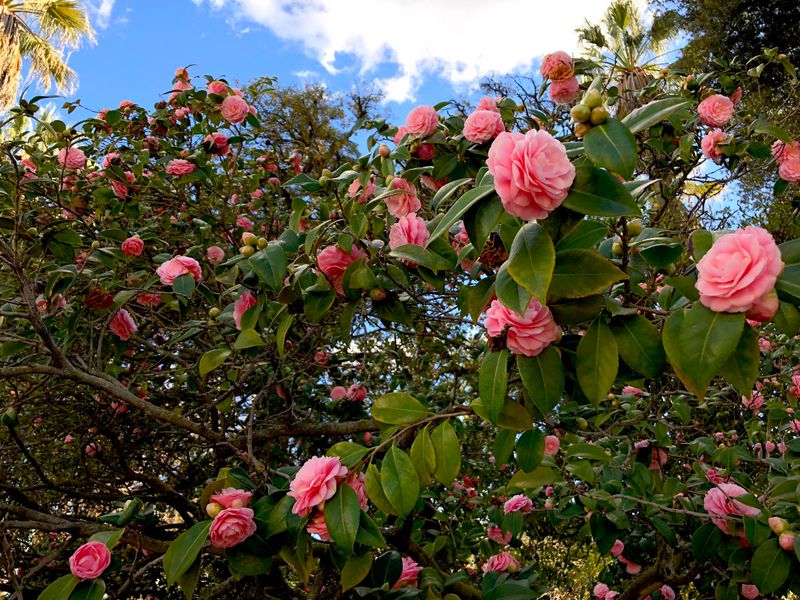
Camellia flowers do not appear overnight. The buds form during the growing season before the bloom, so conditions in summer and fall can shape how well they develop.
UC IPM links early bud drop to care during the time buds were forming, which is why fall is worth your attention.
Now for a correction that surprises many gardeners: not every camellia blooms in spring. UC Marin Master Gardeners describe typical bloom windows that differ by type.
Japonica camellias generally bloom from winter into spring. Sasanqua camellias usually flower in late fall to early winter.
Sinensis, the tea camellia, tends to bloom in fall.
So if your sasanqua is already flowering in November, it is right on schedule. If your japonica is only showing fat buds, that is normal too.
Knowing which type you have keeps you from worrying about a shrub that is simply following its own calendar.
Not sure what you have? Check the plant tag, ask a local nursery, or look at when the neighbors’ shrubs bloom.
Once you know the type, you can read the buds on your own plant with much more confidence.
Water according to conditions, not a fixed calendar
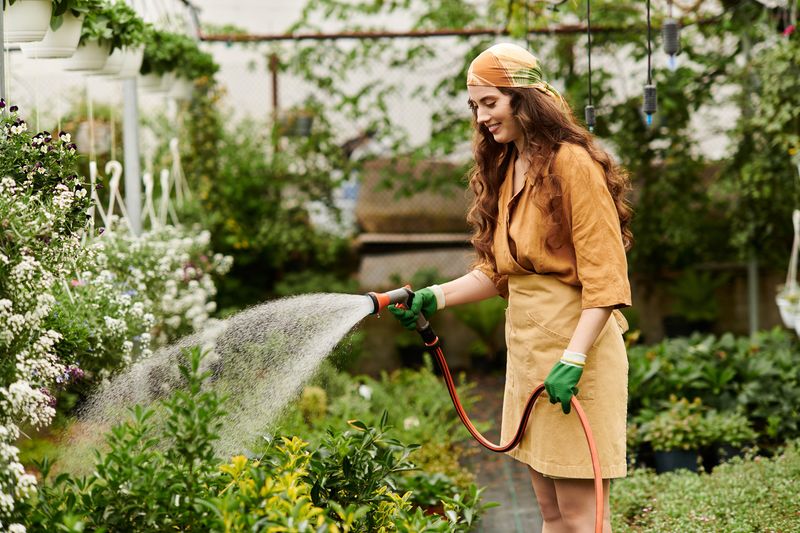
Two Saturdays in a row of watering might be perfect for one yard and harmful in another. A fixed schedule ignores what your soil and the weather are actually doing.
A short routine of checking first works better.
Start by pushing a finger or trowel a few inches into the soil near the root zone. If it feels cool and damp, wait.
If it is dry and crumbly, it may be time to irrigate.
Next, think about recent rain. A good fall storm can cover you for a while, and a runoff-prone slope may still be dry underneath.
Then consider how you water. Drip lines and soaker hoses deliver water slowly to the roots, while sprinklers may wet foliage and lose water to wind.
UC IPM notes that the right frequency and amount vary a lot with soil, drainage, season, and irrigation system. Plant age matters as well.
A newly planted camellia has a small root ball and usually needs closer attention than an established one.
Local watering rules also count. Many California communities limit days or times for irrigation, so work within them and use targeted watering at the base instead of broad spraying.
Skip the blanket advice to just water more. Soil that stays soggy can suffocate roots and invite disease.
Aim for damp but not wet, and let the soil tell you when.
Drainage and growing conditions shape the moisture check
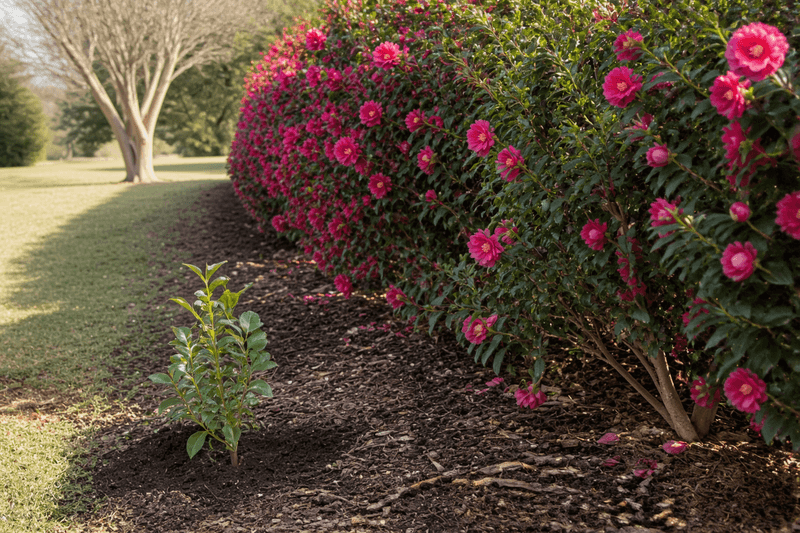
Where your camellia lives changes how you should water it. UC IPM says camellias do best in fast-draining, slightly acidic soil and in partial to full shade.
Fast drainage matters because camellia roots dislike sitting in water. In heavy clay, a normal watering can linger around the roots for days.
Water that would be fine in loose, sandy loam might do harm there.
Here is a simple test. Dig a small hole near the shrub, fill it with water, and see how quickly it drains.
If it is still full hours later, go lightly with irrigation and consider long-term fixes like planting on a slight mound or improving the bed.
Shade plays a role as well. A camellia in deep shade dries out more slowly than one baking in afternoon sun, so the two plants need different checks even on the same street.
This is why watering for bud stress without looking at the site can backfire. UC IPM points out that too much water is as risky as too little.
Match your checks to your soil, your light, and your drainage.
Wait until flowering ends to prune
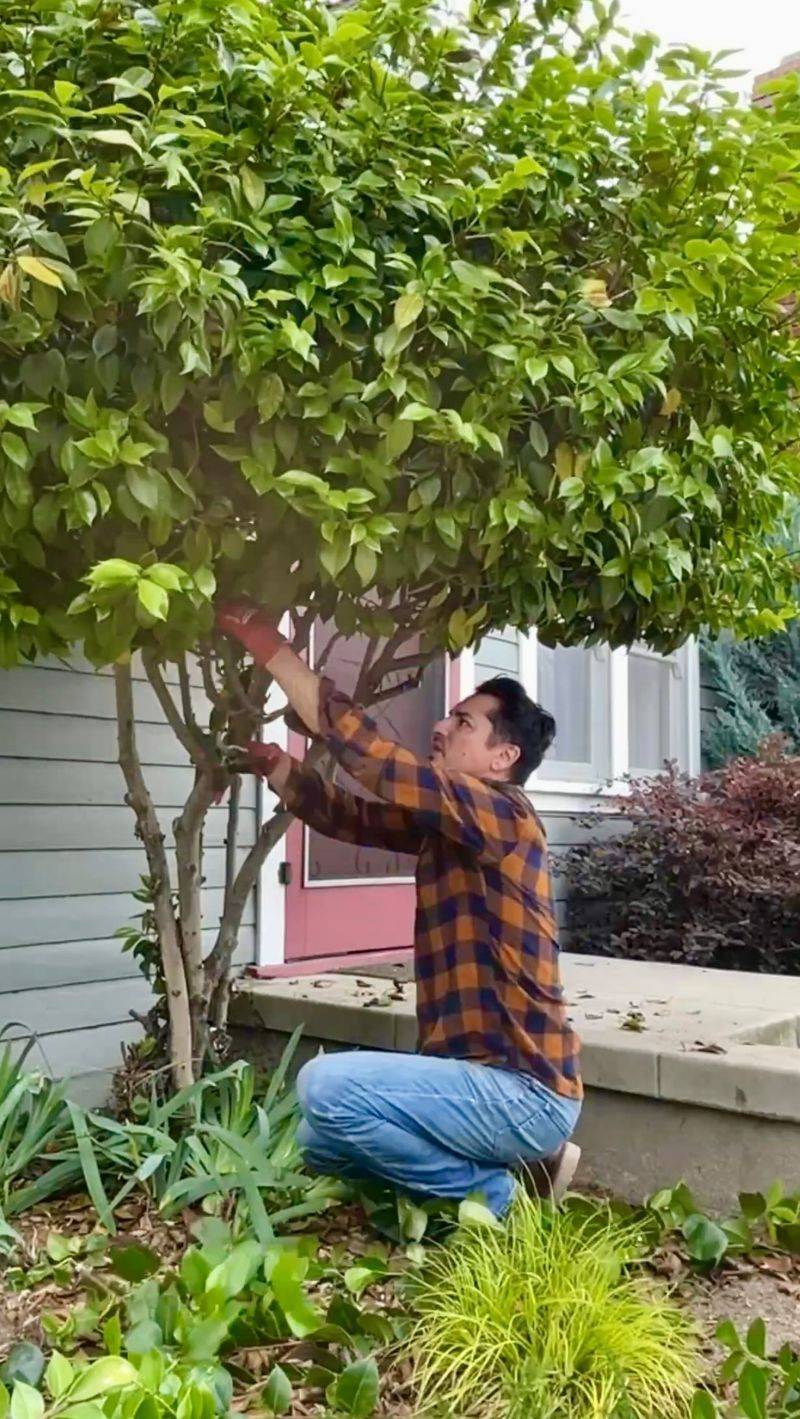
Fall tidying feels natural, but camellias are an exception. Pruning in late summer or fall can cut off flower buds that are already formed or forming.
That means fewer flowers, not more.
Both UF/IFAS and UC Marin Master Gardeners point toward waiting. If shaping is truly needed, do it after the shrub finishes blooming.
What does that look like in practice? For a spring-blooming japonica, that means after the flowers fade.
For a sasanqua that flowers in late fall and early winter, it means after that show wraps up.
In the meantime, you can still remove anything clearly dead, damaged, or in the way of a walkway, since that is safety work and not routine pruning. Keep cuts small and leave the budded branches alone.
Pruning is not a trick for boosting next season’s flowers. Think of it as housekeeping that fits best after the party is over.
Fall fertilizer cannot guarantee more flowers
It is tempting to reach for a bag of fertilizer in hopes of more blooms. No feeding schedule can promise that, and timing matters.
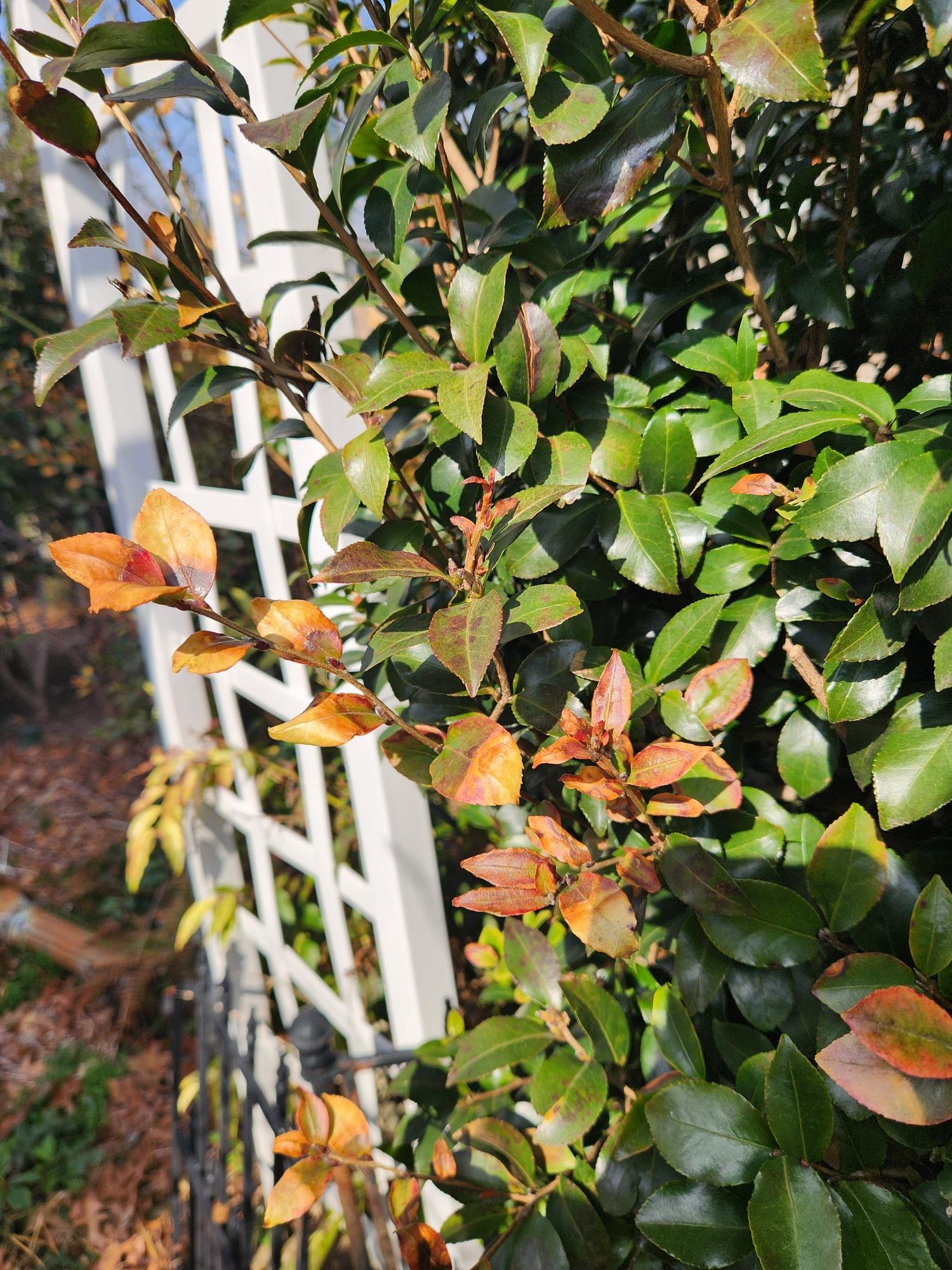
UF/IFAS warns that fertilizer applied in late summer or fall may push tender new growth. That soft growth is vulnerable to early cold, which can damage it.
California winters vary widely, from mild coast to frosty inland valleys and foothills. A fall growth spurt could be more of a risk in colder spots, so it is not a step to take without a reason.
UF/IFAS also gives general advice on how often established camellias in Florida landscapes need feeding. That guidance comes from Florida conditions, so treat it as one extension service’s view and not a California rule.
If your camellia looks pale or grows poorly, check the basics first: soil acidity, drainage, shade, and moisture. A local nursery or UC Master Gardener program can help you decide if a soil test makes sense.
For most healthy shrubs in fall, leaving the fertilizer on the shelf is a reasonable choice.
Dropped buds do not always signal a care mistake
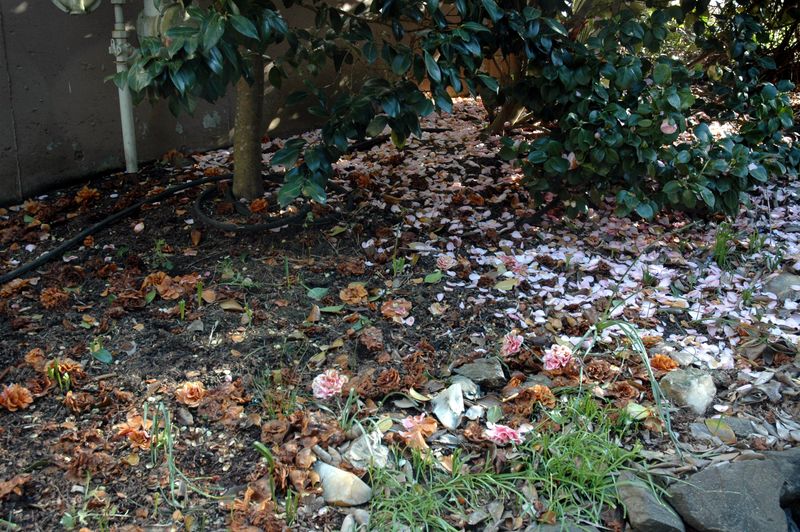
Finding buds on the ground can feel like a verdict on your gardening. Usually it is not.
Some bud shedding is natural, and a shrub may set more buds than it can open.
Other factors can add to it. Clemson Extension’s camellia fact sheet and its guide to diseases and pests point to causes like weather swings, irregular moisture, poor drainage, and cultivar sensitivity.
A few dropped buds alone do not prove you missed a task.
If many buds drop at once, look for a pattern. Did the soil swing between bone dry and soaked?
Was there a heat wave or hard cold snap? Does the plant sit where water collects?
Flowers that brown after opening are a different matter. That may be petal blight.
UC IPM describes brown spots on petals, dark veins, and flowers that may fall intact.
Blight is a disease, not a watering problem. Pick up infected and fallen flowers and remove any still on the plant.
Avoid overhead irrigation while blight is present, since splashing and wet blooms can help it spread.
Use the fall check to reduce stress, not predict a flower count
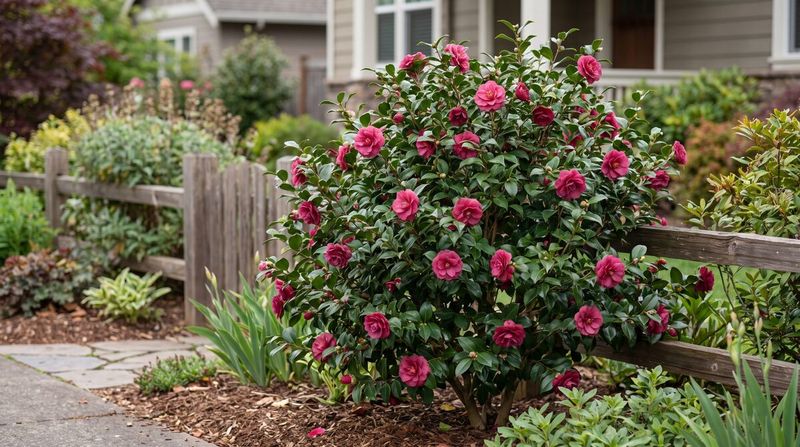
The routine is short: look at the weather, check the soil, water only if it is dry, keep the ground from turning soggy, and leave the buds alone by skipping fall pruning. As UC IPM notes, care during bud development matters, though it cannot prevent all natural shedding or promise a bloom count.
Remember, too, that bloom timing depends on the type of camellia you grow.
A camellia rewards patience more than effort. Give it steady conditions, then let it flower when it is ready.