
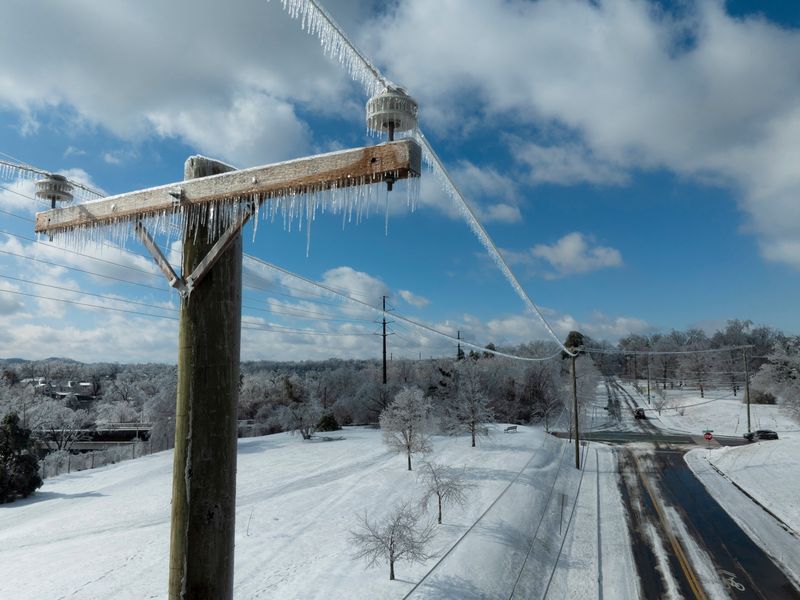
Your lemon tree might look tough, but one clear December night can turn its juicy fruit into mushy, dried-out pulp. Many California yards dip near freezing a few times each winter, especially in inland valleys and low spots.
A little planning before the first cold snap can save your harvest and keep the tree healthy for years. Here are ten simple steps you can take this fall to protect your citrus.
1. Learn Your Yard’s Cold Spots

Cold air behaves a lot like water. It slides downhill and pools in low corners, along fences, and at the bottom of slopes.
Walk your yard on a chilly morning and look for frost on the grass or car roofs. Those frosty patches show where your trees face the most risk.
A citrus tree in a hollow may be several degrees colder than one near the house.
Inland valley gardens in places like Riverside, Fresno, and Sacramento tend to see more frost than coastal yards. Knowing your microclimate helps you decide which trees need the most attention when a cold forecast arrives.
2. Know Which Citrus Feel the Chill First

Limes and lemons are the drama queens of the citrus world. They may show damage near 30 degrees, while mandarins and kumquats can often shrug off a few more degrees of cold.
Fruit tends to freeze before leaves do, and ripe fruit with higher sugar can hold up a bit better than sour fruit. Young trees under three years old are the most fragile of all.
Make a quick list of what grows in your yard. When the forecast drops, start with the limes and lemons, then move down the line.
That way your time and covers go where they matter most.
3. Set Up Frost Alerts on Your Phone
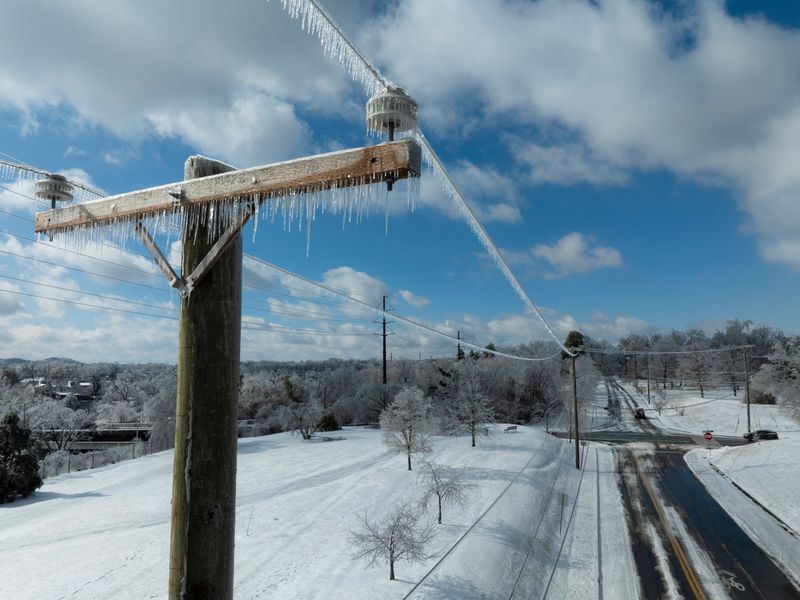
Picture this: you wake up, grab coffee, and spot crispy brown leaves on your Meyer lemon. A simple alert the night before could have changed that story.
Free weather apps and the National Weather Service send frost and freeze warnings for your zip code. Turn them on in October.
A small wireless thermometer placed near your trees can also help, since your yard may run colder than the nearby airport reading. Give yourself a few hours of warning so you can cover trees before dark.
4. Water Deeply a Day or Two Ahead
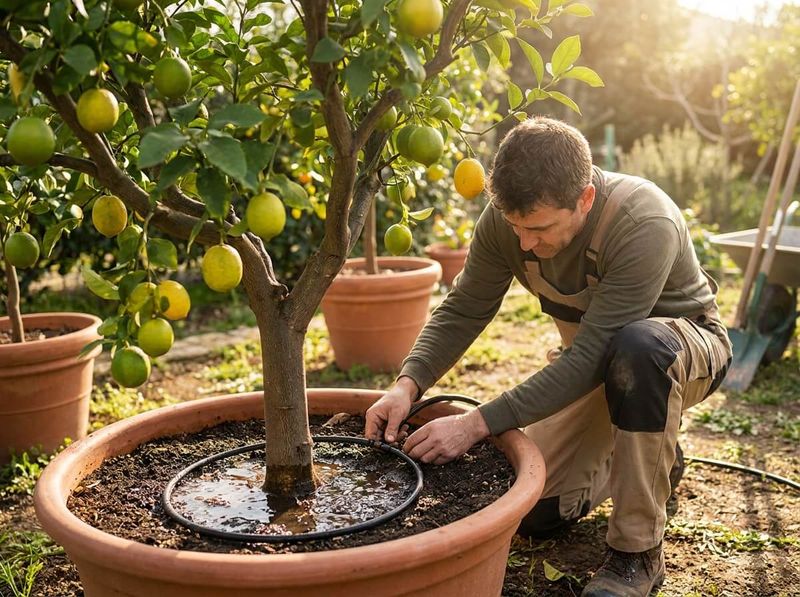
Here is a surprising trick. Moist soil holds and releases more heat than dry soil, which can keep the air around your tree slightly warmer overnight.
Give citrus a slow, deep soak one or two days before a predicted freeze. Drip lines or a soaker hose work well and fit within most California water rules.
Skip watering if your soil is already soggy from winter rain. Roots sitting in wet, cold mud can rot, which causes its own trouble.
5. Pull Mulch Back From the Trunk
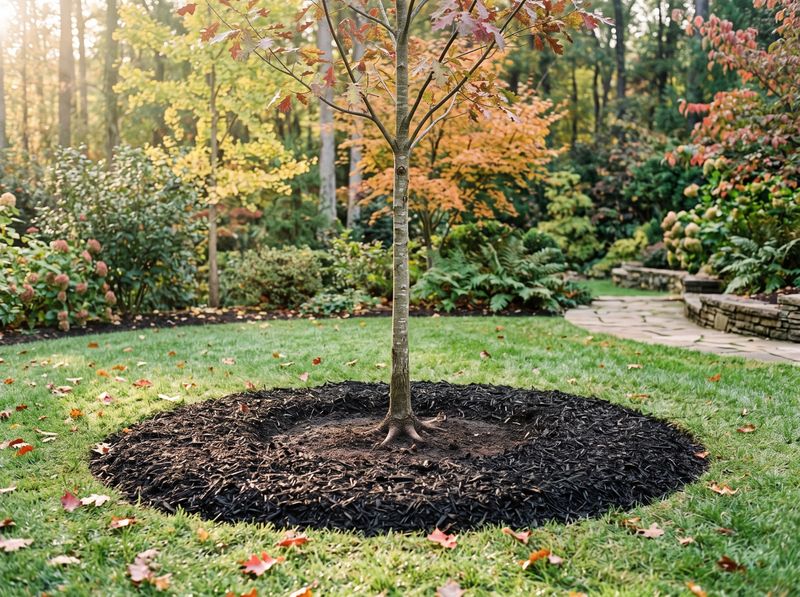
Mulch is a summer hero. In winter, though, a thick blanket can stop the ground from soaking up daytime sun and sharing warmth at night.
Rake mulch back a few feet from under the canopy before cold weather sets in. Bare soil can absorb heat during the day and give it off after sunset.
You can spread it back out in spring when the heat returns. It is a five-minute chore with a real payoff.
6. Drape Frost Cloth All the Way to the Ground
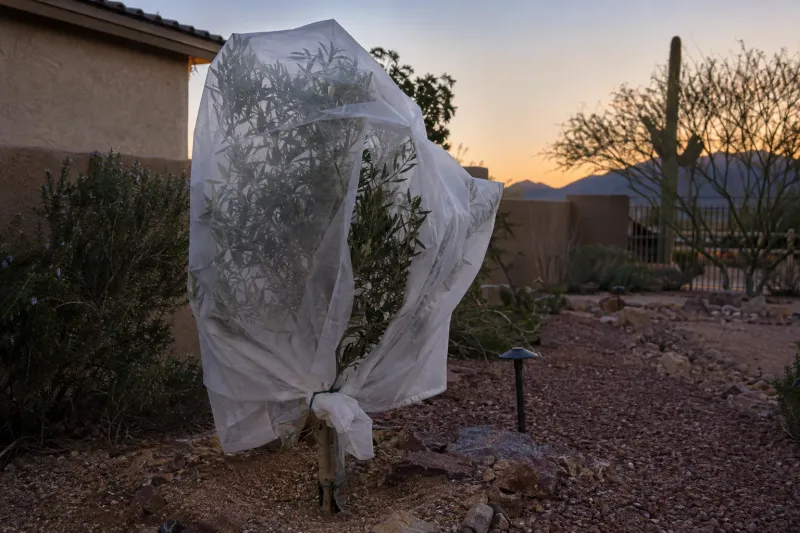
A cover only works if it traps heat rising from the soil. Wrapping just the canopy like a lollipop leaves the warmth escaping underneath.
Use breathable frost cloth, sometimes called row cover, and let it reach the ground. Weigh the edges with bricks or stakes.
Avoid plastic touching leaves, since it can transfer cold and burn foliage. Remove covers on sunny mornings so the tree does not overheat.
7. Add Gentle Warmth With Old-Style Lights
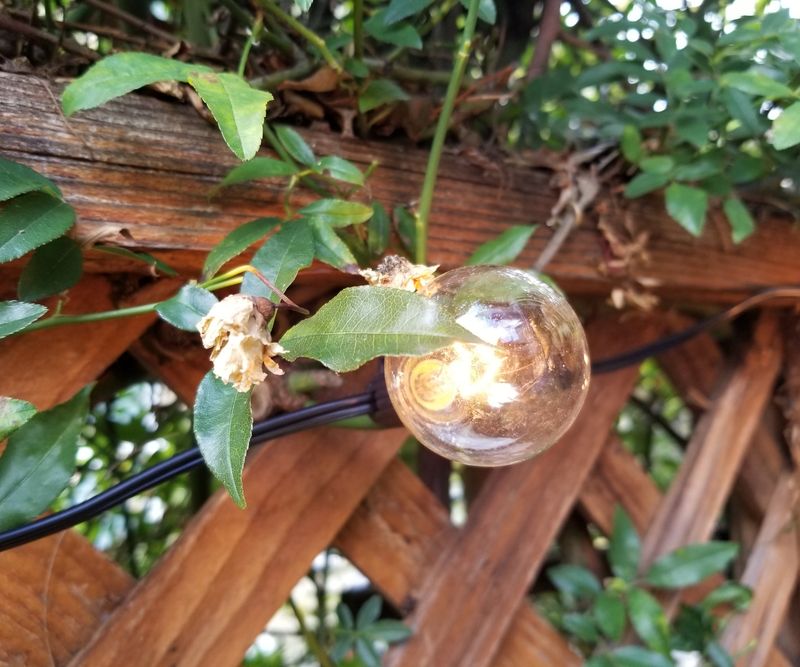
Grandparents across Southern California once kept lemon trees alive with big, warm holiday bulbs. They still work.
Incandescent or C9 lights give off a little heat under a frost cover. Modern LED lights look nice but produce almost no warmth.
Use outdoor-rated cords and keep bulbs from touching fabric. On a hard freeze, this bit of heat can make a real difference.
8. Wrap Young Trunks
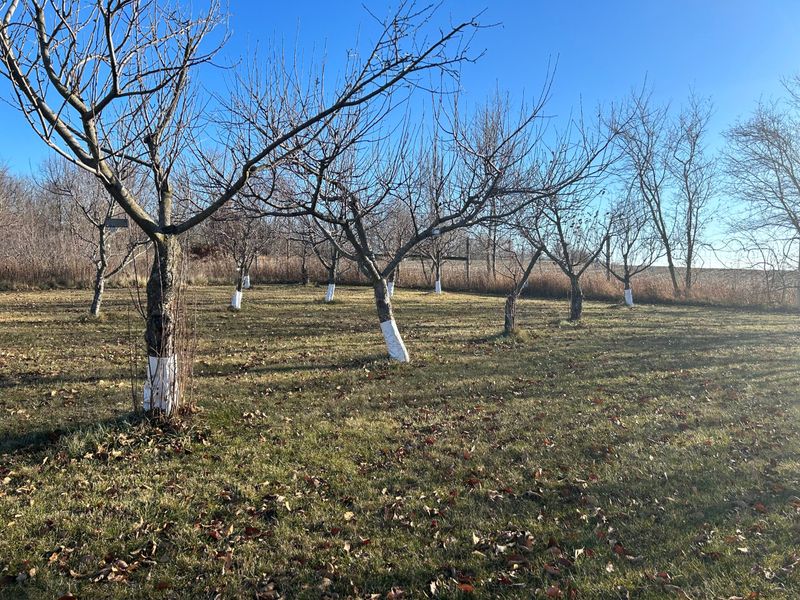
Leaves can grow back. A split or frozen trunk on a young tree may be the end of it.
Wrap trunks of trees under three years old with tree wrap, foam pipe insulation, or burlap. Cover from the soil line up to the first branches.
Take it off in spring so moisture and insects do not hide underneath.
9. Pick Ripe Fruit Early
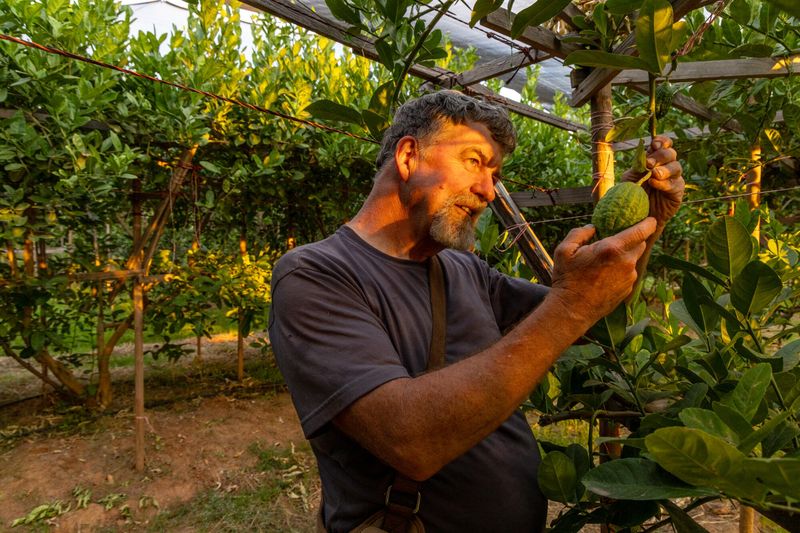
Why risk fruit that is already ready? If your mandarins or navels taste sweet, harvest them before the cold night arrives.
Frozen fruit often dries out inside within days, even if the peel looks fine. Most citrus stores well in the fridge for weeks.
Leave unripe fruit on the tree and cover it. You will save the best of your crop either way.
10. Wait Before Pruning Damage
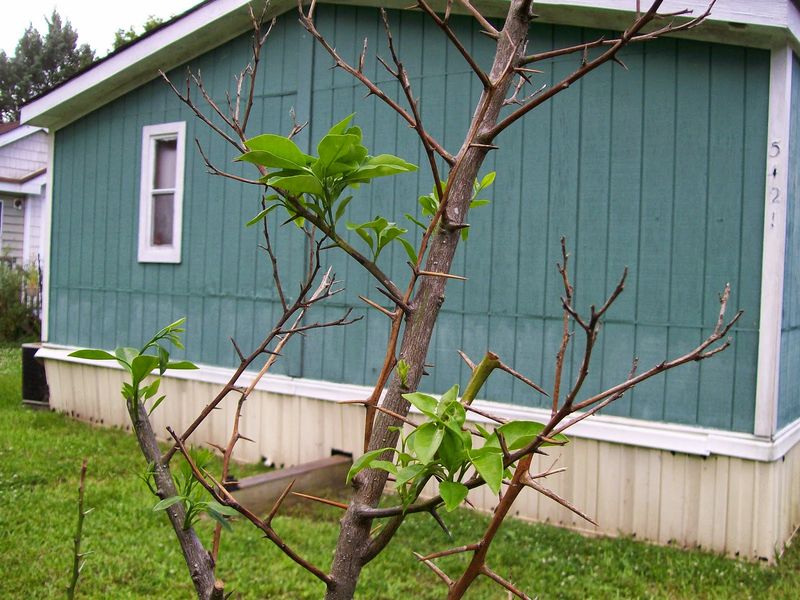
Brown leaves after a freeze are hard to look at. Still, hold off on the shears.
Damaged leaves may shield inner branches from the next cold night. Wait until new spring growth shows which wood is truly dead, usually by March or April.
Then prune back to healthy green tissue and feed lightly. Patience can help your tree bounce back stronger.