
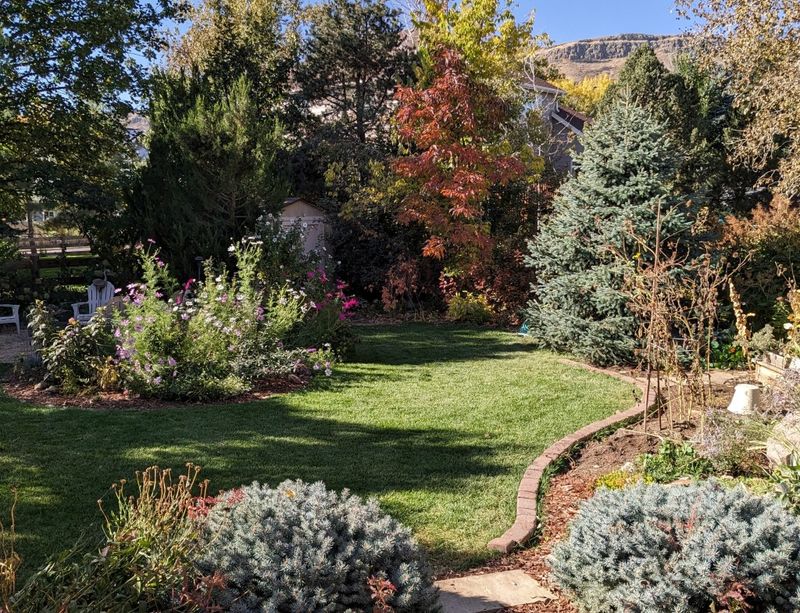
Plenty of North Carolina homeowners hope one clever plant can keep ticks away from the back fence line. The truth is more useful than a magic plant.
A few practical habits at the edge of your lawn matter more, and native plants still earn a spot for other good reasons. Here is what to do, and what to skip, before the cooler months settle in.
No native plant is proven to repel ticks in a yard
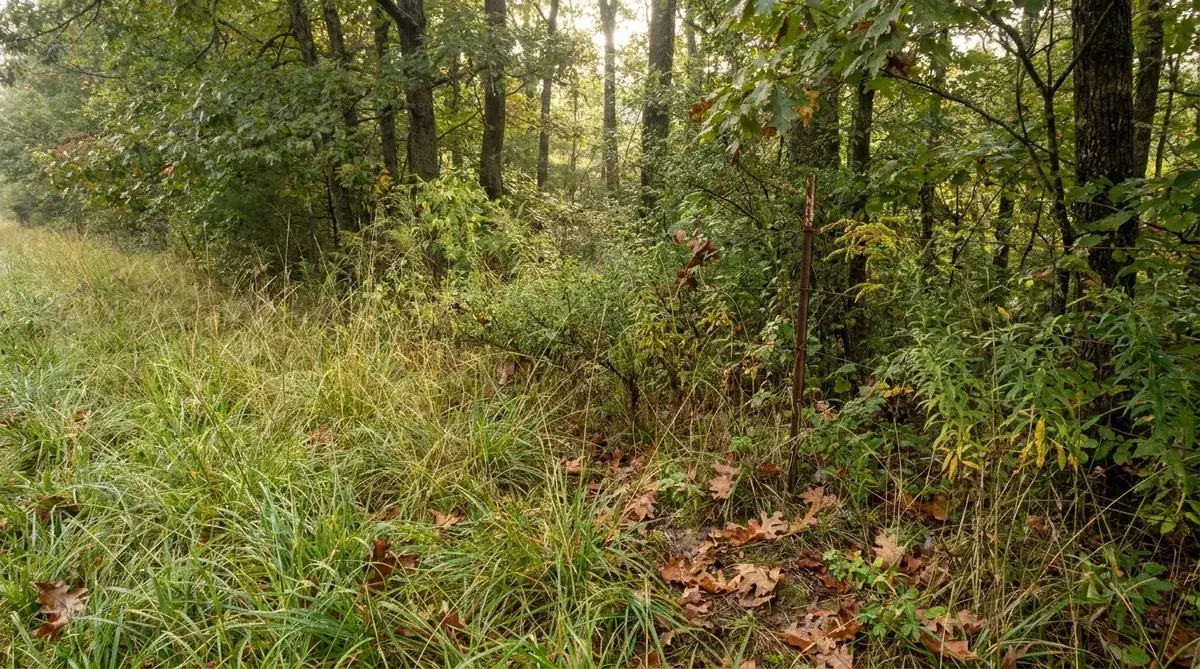
Here is the straight answer: no North Carolina native plant has been shown to repel ticks when you plant it in your yard. No plant has been shown to make a wooded edge less suitable for them either.
That is why the original title for this article could not stand. It promised a plant-specific effect and a ranking that the evidence does not back up.
University of Maryland Extension says in its Ask Extension answer on plants that repel ticks that it knows of no scientific studies showing that particular landscape plants repel ticks. That is a clear and honest starting point for any homeowner.
So where do the repellent plant claims come from? Many come from lab work on extracted or formulated plant compounds.
In those tests, the active chemicals may need to be pulled out of the plant and used at specific concentrations. A living shrub or wildflower growing near your fence is a very different thing, and the lab result does not carry over to it.
None of this means native gardening is a waste of effort. Native plants can suit your soil and light, add seasonal color, and offer value to wildlife.
They just should not be counted as your tick plan.
Think of it as two separate jobs. One job is managing the places your family walks and plays.
The other is choosing plants that fit your site and your taste. Keeping them apart will save you money and keep your expectations realistic.
Focus on the places where people meet the wooded edge
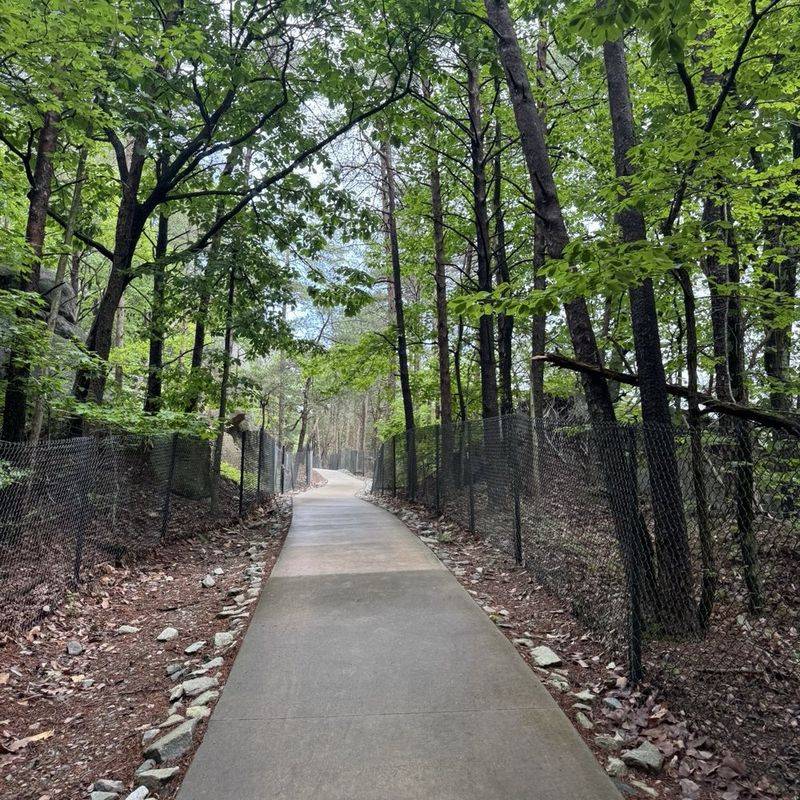
Ticks are commonly found in wooded or brushy areas, in leaf litter, and along yard edges. Those are the spots where lawn gives way to wild growth.
If your yard has that kind of border, it makes sense to think about where people actually cross it.
North Carolina Cooperative Extension, in its pest alert on ticks in the landscape, points to paths and activity areas as the places to work on. It suggests clearing vegetation that brushes against people and pruning overhanging branches along paths.
It also suggests keeping a border between lawn and woods.
Picture the trail to the creek, the gap where kids cut through to a neighbor’s yard, or the swing set near the tree line. A shrub leaning into a walkway matters more than a thicket thirty feet from anywhere you go.
Walking your own yard with that eye can show you which spots deserve attention.
Not every wooded yard is the same. A shaded Piedmont lot with deep leaf litter, a sunny coastal plain edge, and a mountain slope with rhododendron can all have different conditions and different levels of risk.
Tick habitat and the effect of landscape changes can vary by species, location, and yard.
So drop the hunt for a repellent plant. Put your attention on where bodies and brush meet.
Manage the boundary around activity areas
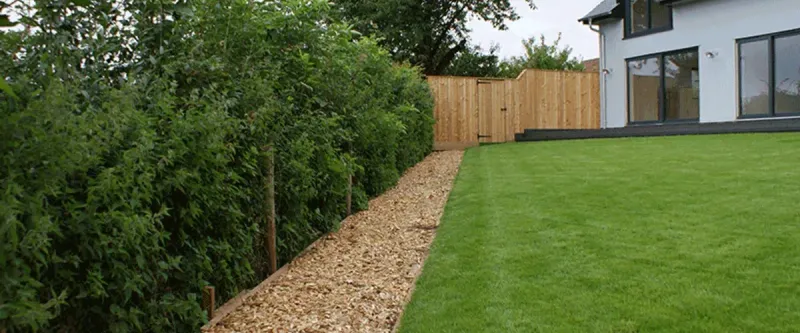
If a play area or patio sits near the woods, CDC gives specific advice in its guidance on preventing tick bites. Clear tall grass and brush at the edge of the lawn.
Mow regularly. Place a barrier of wood chips or gravel, about 3 feet wide, between the lawn and wooded areas.
The goal is to cut down on exposure and to restrict tick movement into the spaces people use. CDC presents these steps as ways that can help reduce blacklegged tick populations or limit migration into recreational areas.
They are not a promise of a tick-free yard.
A simple setup might look like this. Mow the lawn on a regular schedule, trim back the brush that creeps in at the fence line, and lay a strip of chips or gravel along the border closest to the play area.
Keep the strip tidy so weeds and tall grass do not rebuild a bridge across it.
North Carolina Extension adds a path-focused tip in its landscape pest alert. Keep paths clear so that plants are not brushing against legs and sleeves.
Notice that all of this is aimed at spaces your family uses. You do not need to rework the whole back acreage.
A modest, well-kept boundary where kids and adults spend time is a sensible place to begin.
Treat landscaping advice as risk reduction, not a guarantee
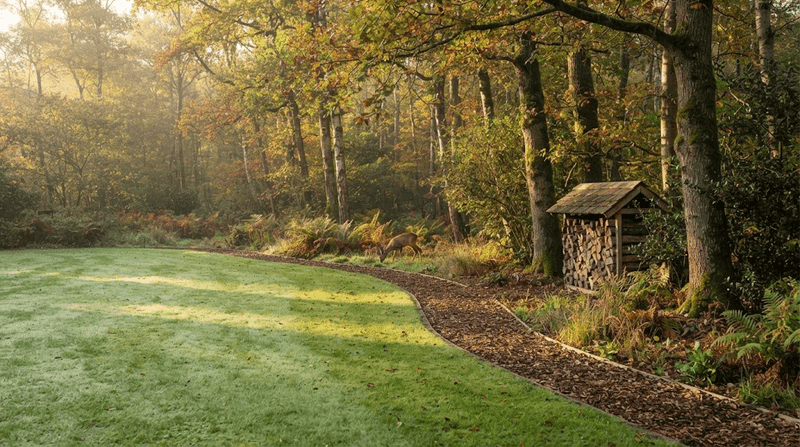
Boundary measures make practical sense, but the research behind them is mixed. A 2024 field study in Connecticut, published in Environmental Entomology, looked at residential yards.
It found no statistically significant drop in blacklegged tick nymph density tied to wood-chip barriers, leaf removal, or leaving grass unmowed.
Scope matters here. The study covered a limited set of properties and focused on one life stage of one tick species.
It was done in Connecticut, so it is not proof about North Carolina yards, and it does not settle the question for every tick species.
What it does is add a caution. It qualifies the general advice rather than overturning it.
CDC still lists mowing, brush clearing, and the 3-foot barrier among its recommended steps, as noted in its tick prevention guidance.
The practical meaning is simple. Treat these steps as reasonable risk reduction for the places your family spends time, not as a guarantee of fewer ticks or protection from tickborne disease.
If you invest in a barrier, do it because it is cheap and tidy and keeps people out of brushy growth, not because you expect a tick-free lawn.
Landscaping works best as one layer among several. The next sections cover the other layers.
Choose native plants for the conditions on your site
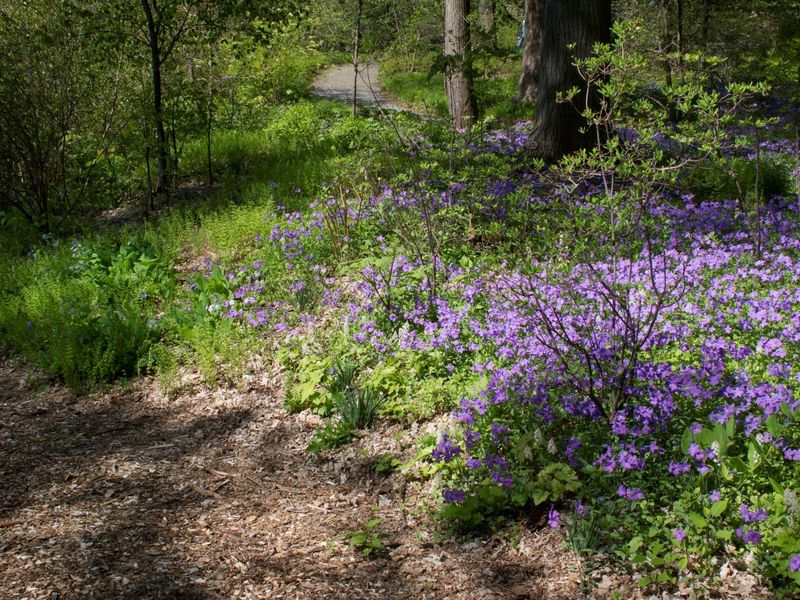
Once you have handled the boundary, native plants can still have a place in your yard. NC State Extension’s native plants chapter lists native groundcovers such as pussytoes, Pennsylvania sedge, partridgeberry, and heartleaf foamflower.
Treat them as plants to investigate, not as universal picks and not as tick control.
Fit comes first. Look at how much light the spot gets, what the soil is like, and how well it drains.
Then think about growth habit and what the planting is for, whether that is covering bare ground, softening a path edge, or adding spring bloom.
Pussytoes tend to suit sunnier, drier spots, while partridgeberry and foamflower lean toward shade. That kind of difference is why a plant that thrives in a mountain woodland may struggle in a hot, clay-heavy Piedmont lot.
Native does not mean maintenance-free or right for every yard.
Leaf litter is a tradeoff. CDC includes leaf removal among its steps for tick-safe zones, while NC State describes fallen leaves as natural mulch that can help native plantings.
Keep leaf removal to the maintained lawn, play areas, and high-use spots, and leave the leaves in the wooded parts of the yard.
That approach lets you rake where people walk and mulch naturally where plants grow. Each choice has its own reason, and neither depends on a claim about ticks.
Keep personal precautions in place
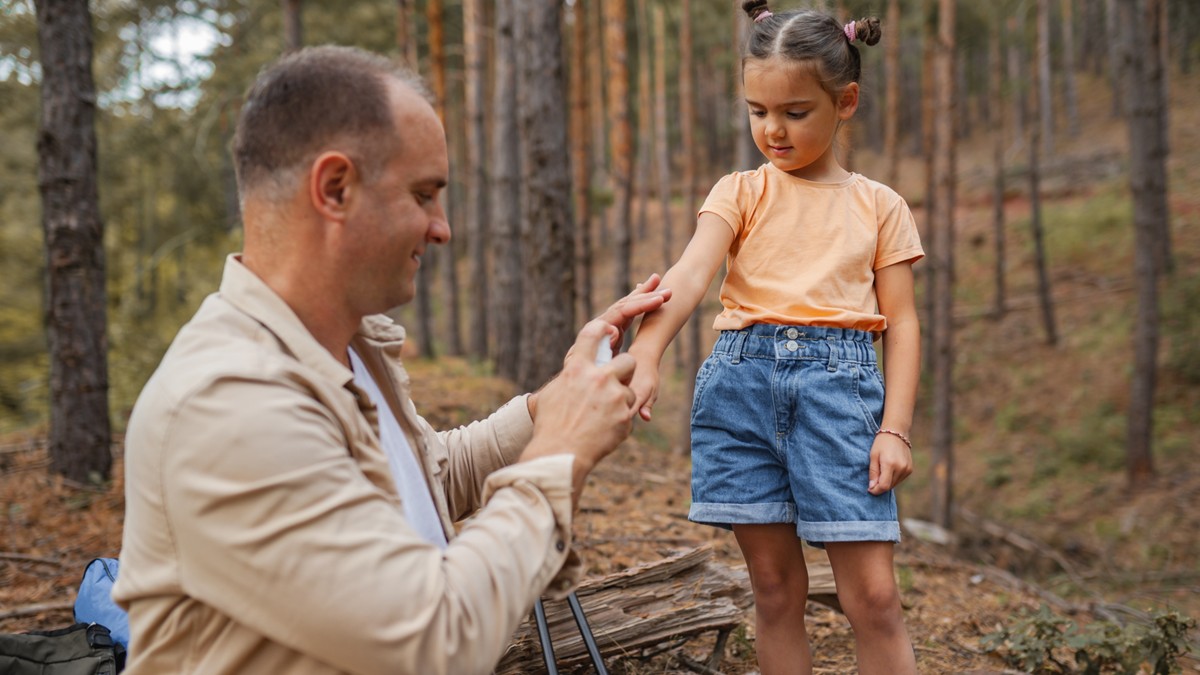
Landscaping changes only go so far. CDC says that landscaping and pesticides do not replace personal precautions.
Your own habits are still the most direct layer of protection.
In its prevention guidance, CDC recommends EPA-registered repellents used according to their labels. It also recommends checking people and pets after time outdoors and examining clothing and gear.
Read each label and follow it as written.
One firm rule applies to kids. CDC says not to use products containing oil of lemon eucalyptus or PMD on children under 3.
Check the ingredient list before you buy anything for a young child.
North Carolina Extension also advises tick checks after outdoor activity, and it repeats the advice to keep paths clear of vegetation that brushes against people, as described in its landscape pest alert. A few minutes at the back door can be as useful as an hour with the string trimmer.
As for sprays, do not count on broad yard spraying to prevent infection. If you ever consider a pesticide, follow the product label and ask local health or agricultural officials about the product, timing, and rules.
Start with the edge your household uses most
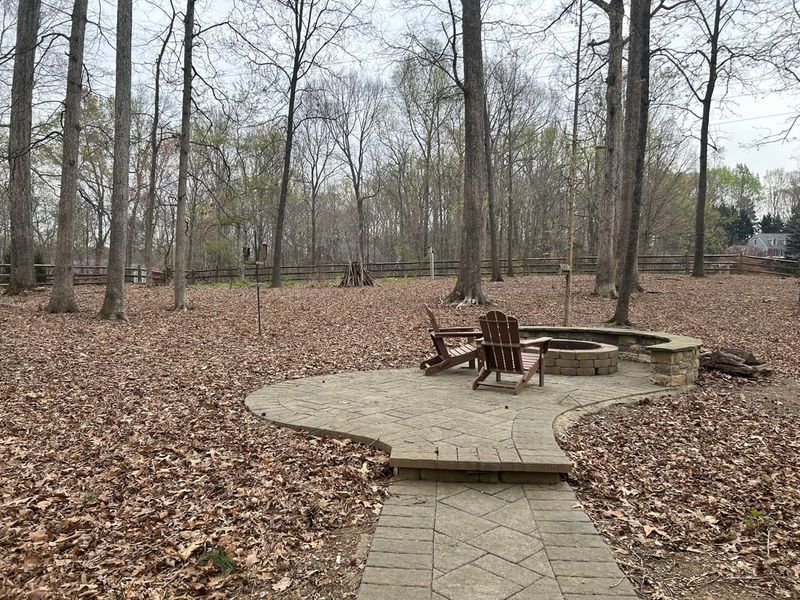
Pick one spot to begin. Walk the yard and find the path, play area, or seating space closest to the woods, because that is where the plan counts most.
There, keep the lawn mowed, cut back brush at the edge, and consider a 3-foot chip or gravel strip, following CDC guidance. Pair it with repellent used by the label and a tick check after everyone comes inside.
If you want native plants, treat that as its own project. Match them to light, soil, and drainage using NC State’s native plant guidance, and choose them for beauty and wildlife value.
A small, well-kept edge beats a grand plan you never finish.