
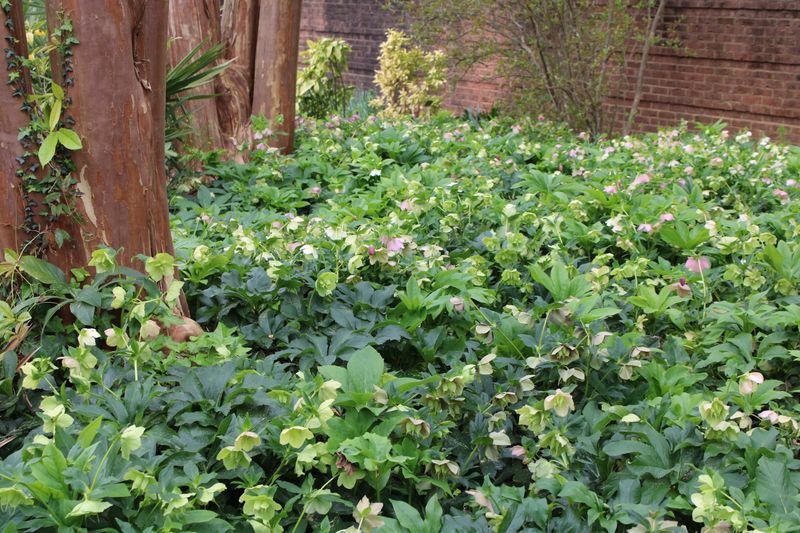
A shaded bed can look pretty empty once the leaves drop and the cold settles in. Hellebores are a tough perennial that can bring flowers and often green leaves to those quiet spots in late winter.
They are not the only plant that blooms in the cold, but they are a useful one to know. Here is how to pick, place, and plant them in North Carolina.
Hellebores brighten winter, but they are not alone
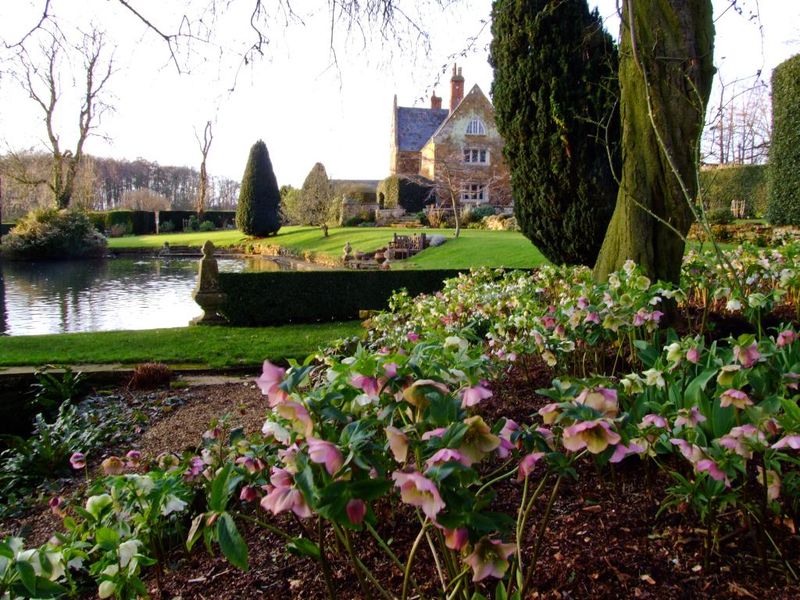
Picture a shady corner in February, with bare branches overhead and last year’s leaves on the ground. A hellebore can change that view.
Lee County Extension reports that many hellebores have evergreen foliage, and common garden types flower in winter or early spring.
The timing is wide. In Lee County, varieties are described as flowering from late December through February.
A Dare County Extension article gives a broader span, from November to March. Where you live and which plant you buy will shape what you see.
Hellebores are also not the only winter bloomers in the state. NC State lists a camellia cultivar that flowers in November and December.
Duke Gardens also describes winter-blooming camellias in central North Carolina. So think of hellebores as one good option for cold-season color, not the only one.
Three things decide how well a hellebore does for you: which type you choose, how much light and drainage your bed has, and how you handle the first months after planting. The next sections walk through each one so you can decide if these plants fit your yard.
Not every hellebore blooms at Christmas
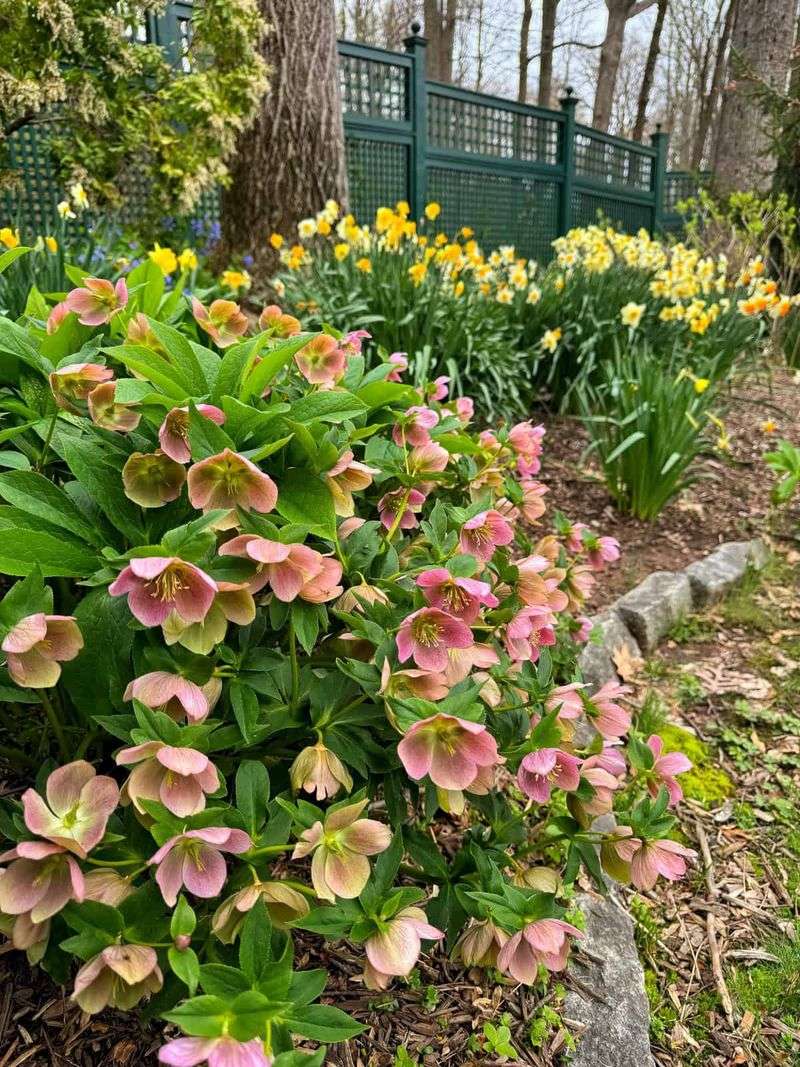
Plant tags and catalogs use names like Christmas rose and Lenten rose, and they are not interchangeable. Clemson Extension says Christmas rose usually begins blooming in December, while Lenten rose blooms in winter and early spring.
That gap can mean weeks of difference in your bed.
Local ranges in North Carolina show the same spread. Lee County Extension reports varieties flowering from late December through February.
A Dare County Extension article stretches the window from November to March. Treat those dates as examples, not promises.
So what should you do at the garden center? Read the tag for the species and cultivar name, and ask staff when that plant usually flowers.
If you want a spread of color, you might mix two types with different bloom seasons.
A mountain garden, a Piedmont yard, and a coastal bed can all run on different schedules, since cold snaps and warm spells shift the timing. Keep a simple garden note each year with the date of the first open flower.
After a season or two, you will know what your own spot tends to do.
Part shade and good drainage make the right home
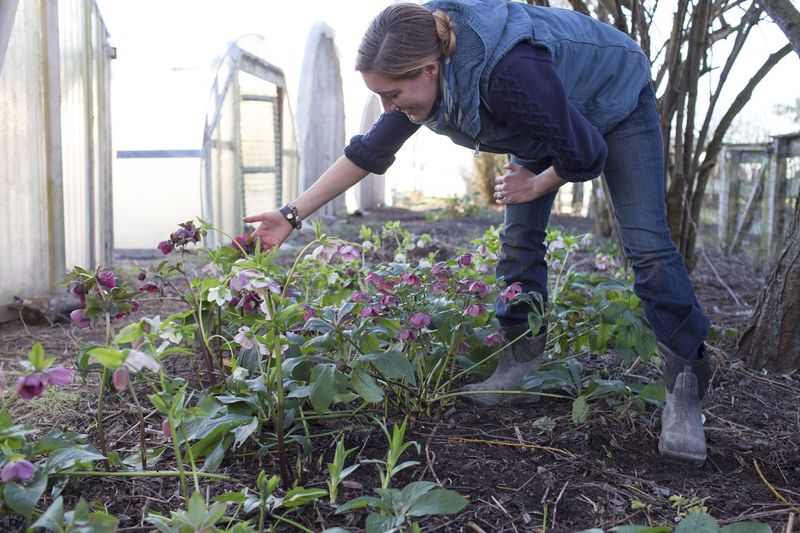
Hellebores like part shade. A spot beneath deciduous trees works well, since the branches are bare in winter and leafy in summer.
Another good choice is a bed that gets morning light and afternoon shade, as noted by Lee County Extension.
Soil matters just as much as light. These plants prefer organically rich, well-drained soil.
Wet ground is the main danger, because it can lead to root or crown rot.
Here is a quick test before you buy. After a heavy rain, check the spot a few hours later.
If water is still standing, pick a different place or build up the bed with compost so excess water can drain away.
Clemson’s hellebore fact sheet gives similar site advice. Red clay is common across much of the Piedmont, so mixing in organic matter can help loosen heavy soil.
Low spots at the bottom of a slope are usually poor choices.
Leave space for the plant to spread over the years. Setting it where you can see it from a window helps too, since late-winter flowers often face downward and are best enjoyed up close.
Plant in fall when conditions still allow establishment
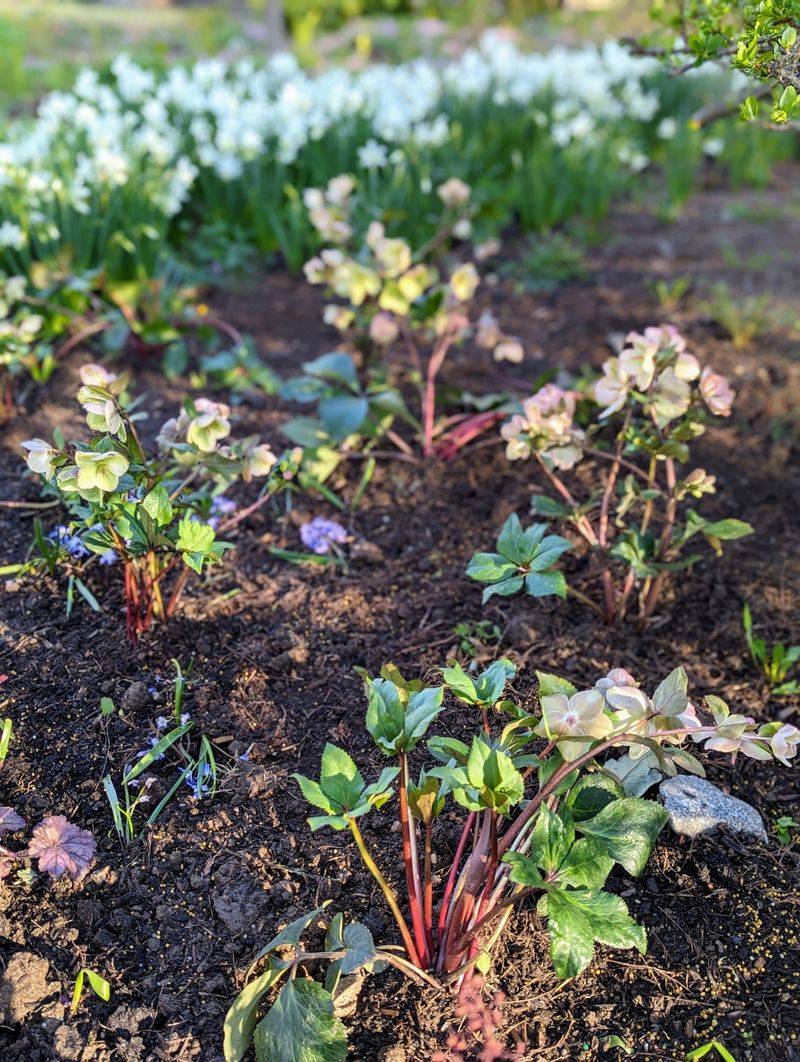
Fall is a smart time to plant hellebores, but the calendar is less strict than many people think. Lee County Extension recommends late spring or early fall for planting them.
The goal is to give roots time to settle before hard cold arrives.
Broader guidance backs this up. A Lee County article on fall planting of perennials and trees says fall planting can help plants establish.
It describes the state’s gardening fall as often starting in September and running as late as early October, depending on conditions.
That means there is no single statewide deadline. A mountain yard may get frost weeks before a coastal one.
Soil that is still workable and not frozen is a better guide than a date on the wall.
If you miss the early fall window, late spring is another option from the same advice. You can also shop in fall to see plants and their buds, then plant when the weather allows.
Check the forecast first and avoid planting right before a hard freeze.
Water new plants while they settle in
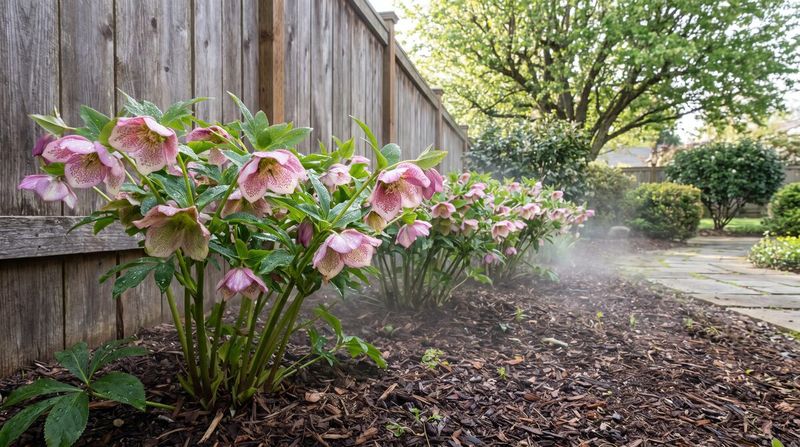
Good establishment starts before the plant goes in the ground. Prepare the planting area by loosening the soil and working in organic matter, as North Carolina Extension planting guidance suggests.
Then set the plant in and water it well.
For the first weeks and months, keep an eye on rainfall. If rain is lacking, give the plant extra water.
A slow soak at the base is better than a quick sprinkle on the leaves.
Organic mulch, such as shredded leaves or pine bark, is worth considering. It can help the soil hold moisture and keeps the root zone more even.
Keep it from piling against the crown of the plant.
Established plants are a different story. Lee County Extension notes they can tolerate some drought, though they may still need water during dry periods.
A fall dry spell or a dry stretch in winter is a good time to check the soil with your finger.
Newly planted hellebores may sulk a bit the first year. That is normal, so judge them by how the leaves look and how they grow.
Seed-grown hellebores take patience
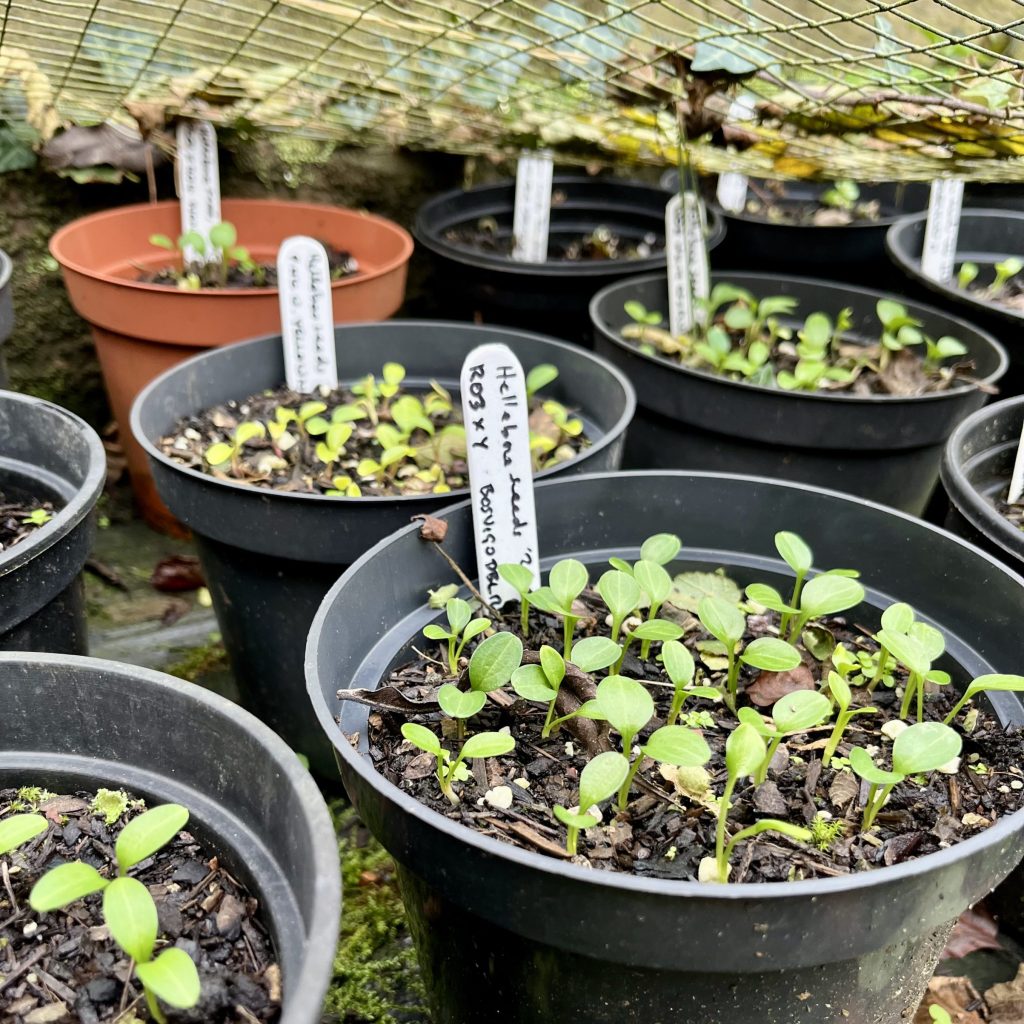
Many gardeners hope for flowers the first winter, but seeds work on a slower clock. Clemson reports that most seedlings take two to three years to bloom.
The NC State plant profile says plants grown from seed may take two years.
If you start from seed, plan to wait. Those first years are for leaf growth and root building.
It helps to mark where seedlings are so you do not pull them as weeds.
Want flowers sooner? An established nursery plant is a better bet than seed.
Even then, there is no guarantee it will flower in its first winter, since a move can set a plant back for a season.
When shopping, look for a healthy, well-rooted plant with several strong crowns. Buds or flowers on the plant at purchase are a good sign of maturity, though they do not promise a repeat show next year.
A little patience goes a long way here. Plants that settle in well can reward you for many winters.
Evergreen leaves still need seasonal attention
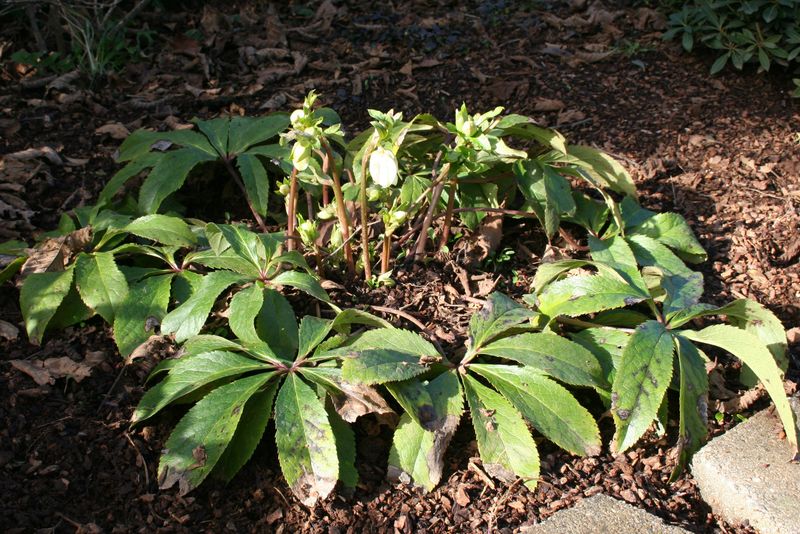
Evergreen sounds like a promise of perfect leaves, but winter can be rough. The NC State plant profile notes that harsh winters can scorch or tatter the foliage.
After a hard freeze or icy wind, some leaves may look brown at the edges or flop over.
Do not panic if that happens. The plant is often fine underneath, and new growth comes along in late winter.
A bit of damage is part of growing a winter plant outdoors.
Tidying helps the flowers show. Clemson recommends removing old foliage as new leaves and flowers emerge.
Use clean pruners and cut the old leaf stems near the base, taking care not to snip new buds.
Wear gloves while you work. Once the old leaves are gone, the fresh flowers are easier to see and the plant looks neater.
Add the clippings to a compost pile or bag them.
A quick check every couple of weeks in late winter is plenty. You are watching for new shoots and removing only what looks worn out.
Handle hellebores carefully and watch for self-seeding
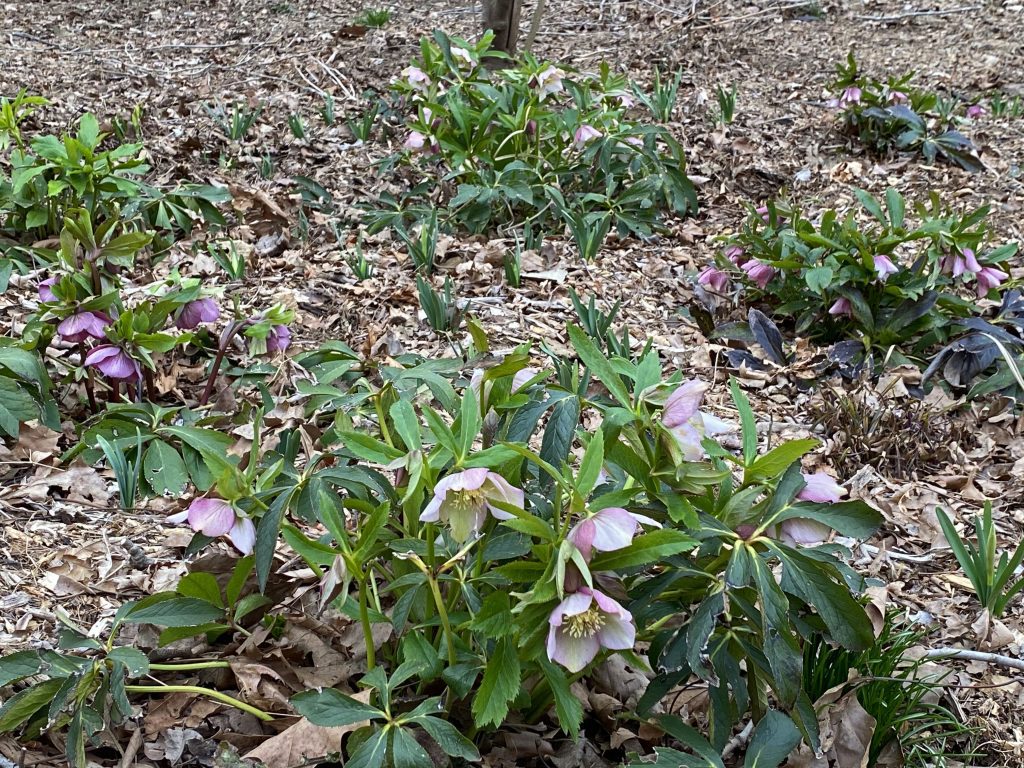
Before planting, know what you are bringing home. NC State’s plant pages identify toxicity if eaten and possible skin irritation from cell sap.
Wear gloves when handling hellebores, and keep children and pets from eating any part of the plant.
These plants are not native to North Carolina. NC State describes the genus as native to Europe, Morocco, and temperate Asia.
It also says they self-seed, and that the NC Invasive Plant Council regards them as potentially invasive, though the threat is low.
In practice, that means a few extra seedlings may pop up near the parent plant. If you prefer a tidy bed or care about native plantings, pull the seedlings you do not want.
Keep hellebores away from natural areas.
Deer and rabbits tend to avoid hellebores, according to the NC State Helleborus orientalis page. That is a tendency, not a guarantee, so hungry animals may still nibble in a hard winter.
Choose hellebores for a realistic winter-color payoff
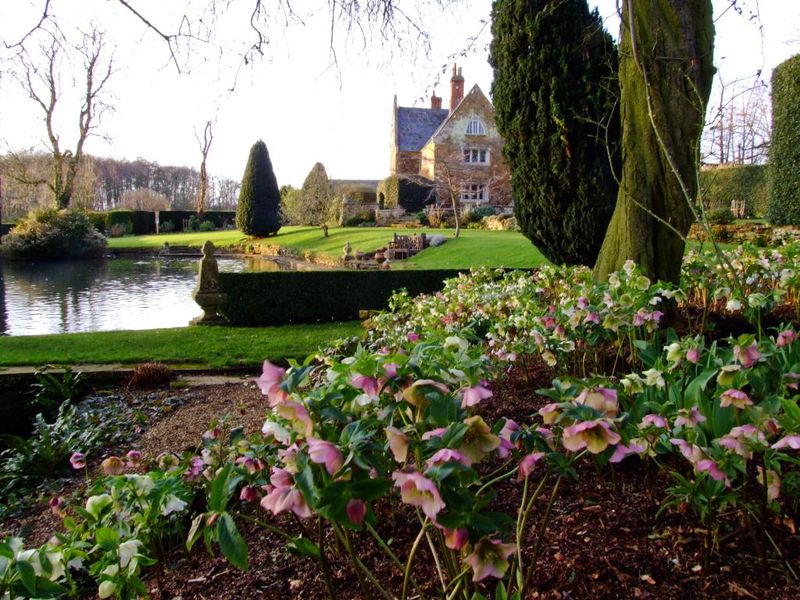
Hellebores suit a well-drained, part-shade bed when you pick a type for its likely bloom season. Plant at a suitable time, such as early fall or late spring per Lee County Extension, and allow time to settle in using the fall planting guidance.
They offer useful seasonal color, not a set bloom date or exclusive claim on winter. Think of them as one good voice in a cold-season garden.