
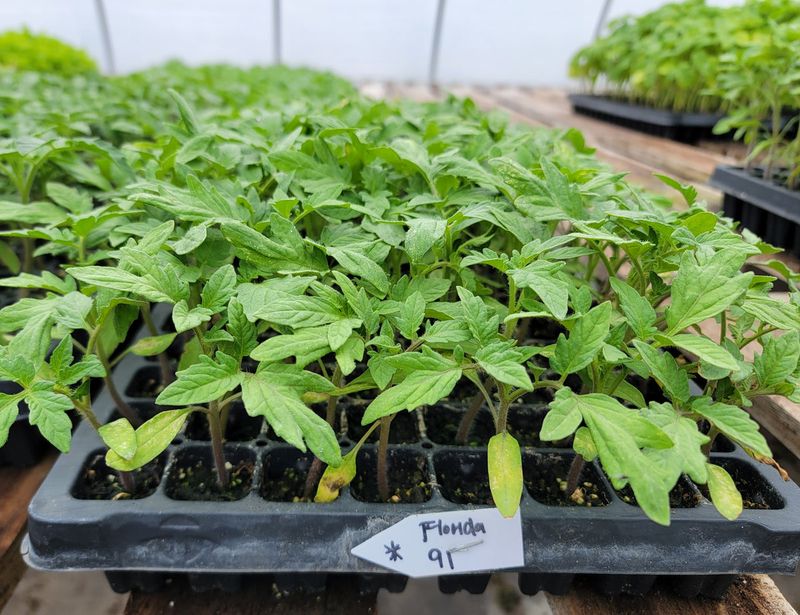
Florida’s fall tomato season starts while the garden still feels like summer. The trick is choosing varieties that can handle lingering heat, then planting at the right time for your part of the state.
Typical planting windows run July through August in North Florida, August through September in Central Florida, and August through February in South Florida, so check your local UF/IFAS calendar before digging. These seven choices offer a useful mix of heat-setting slicers and small-fruited tomatoes for a productive fall garden.
1. Solar Fire
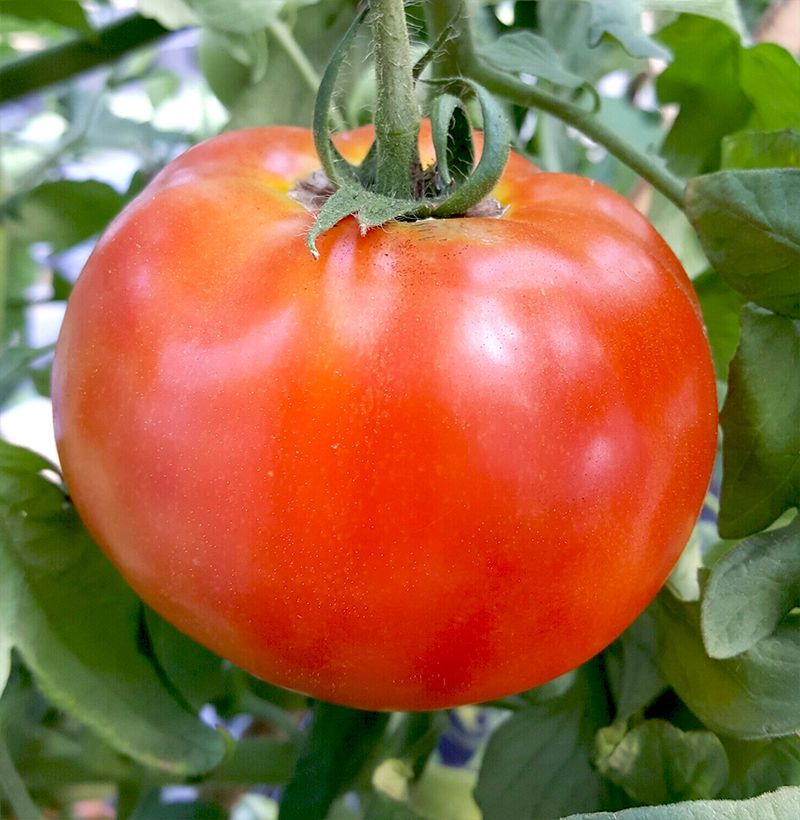
A sandwich tomato that can set fruit through warm weather earns its space in a Florida fall bed. Solar Fire was developed by University of Florida breeders for hot growing conditions, making it a strong starting point when ordinary slicers drop their flowers.
Expect round, red tomatoes on a determinate plant, meaning most growth and harvest happen within a fairly concentrated period. Its firm fruit works well for slicing, salads, and sharing, especially when several tomatoes ripen close together.
Plant sturdy transplants in a sunny, well-drained bed, and install a cage before the roots spread. Mix compost into sandy soil, but avoid loading the planting hole with rich fertilizer, which can push leafy growth at the expense of fruit.
Water at soil level and cover the ground with mulch, keeping it away from the stem. Solar Fire has useful disease resistance, but that does not make it immune to Florida’s leaf diseases, pests, or flooding.
Choose it when you want a practical, Florida-bred slicer rather than a sprawling vine. Even heat-setting tomatoes can pause during extreme temperatures, so steady care matters more than promises of nonstop production.
2. Florida 91
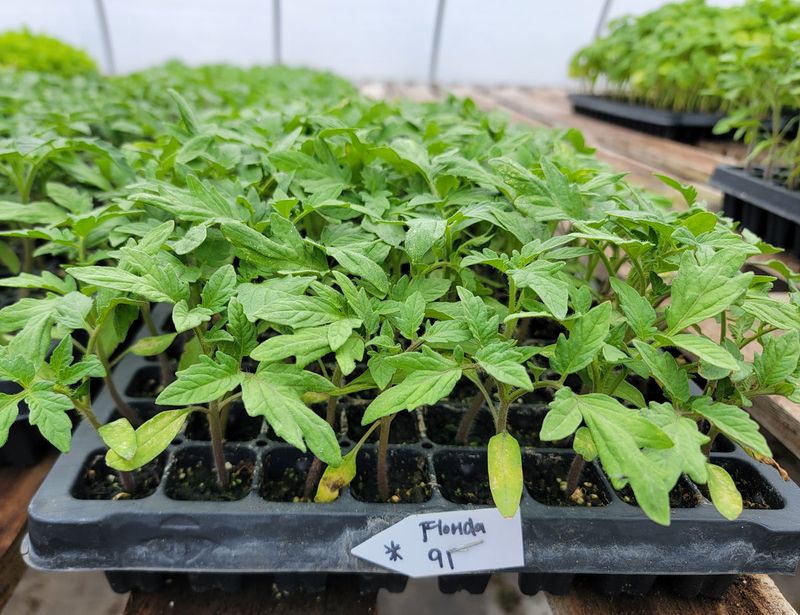
Warm nights can spoil a tomato crop before a single fruit forms. Florida 91 is valued for setting fruit under warmer conditions than many standard large-fruited varieties, which gives it a clear role in an early fall planting.
The tomatoes are sizable, red, and suited to burgers or thick sandwich slices. Its determinate growth habit also makes harvest easier to manage than a tall vine that keeps stretching through the season.
Give each plant a sturdy cage and follow the spacing on the transplant label. Crowding plants together traps damp air, making Florida’s already difficult leaf-disease problems harder to control.
Consistent moisture is especially helpful as these larger fruits expand. A bed that swings from very dry to soaked can contribute to cracking and blossom-end rot, so check the soil beneath the mulch rather than judging by the surface.
Florida 91 is a good fit for gardeners who care more about dependable slicing tomatoes than unusual colors or shapes. Check the seed packet for its specific disease-resistance package, and remember that heat tolerance does not protect roots from root-knot nematodes unless resistance is specifically listed.
3. Heatmaster
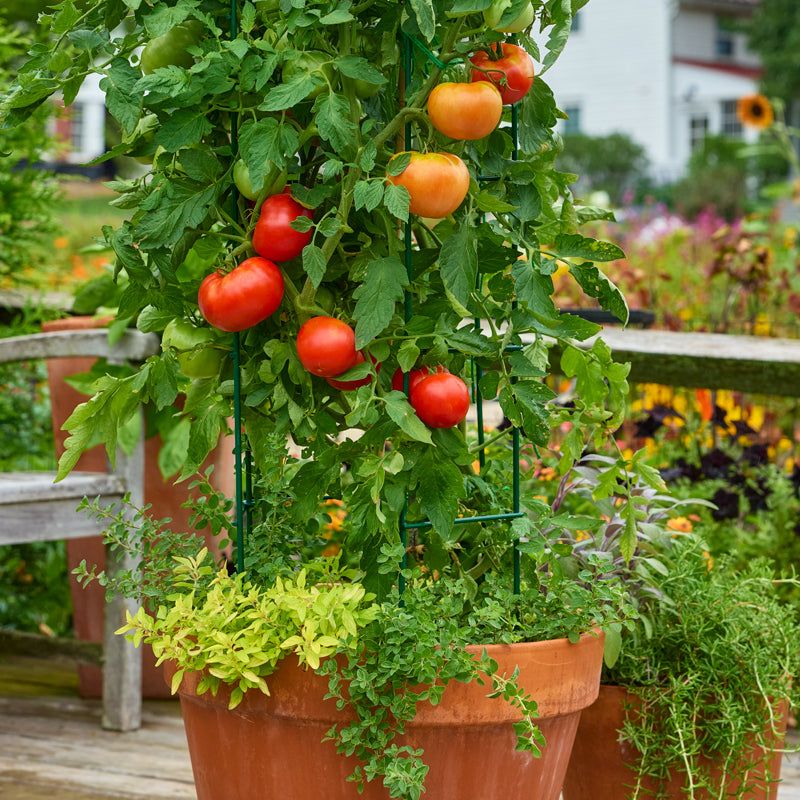
Not every backyard has room for a long tomato row. Heatmaster offers a heat-tolerant slicing option with a determinate habit, making it worth considering for a small raised bed or a roomy patio container.
Its red fruit gives you the familiar tomato shape and size many cooks want without choosing a giant, season-long vine. A cage is still necessary, since a compact plant can become surprisingly heavy once fruit develops.
For container growing, use a pot that holds at least 10 gallons, preferably larger, with generous drainage holes. Fill it with quality potting mix rather than Florida yard soil, which can bring drainage problems and soilborne pests into the container.
Set the pot where it receives at least six hours of direct sun, and check moisture daily during hot weather. A light-colored container helps limit root-zone heating compared with a dark pot sitting on hot pavement.
Heatmaster suits gardeners who want a manageable plant near the kitchen door. Feed according to the fertilizer label, and avoid letting the pot dry completely between waterings, especially once flowers and young fruit appear.
4. Phoenix
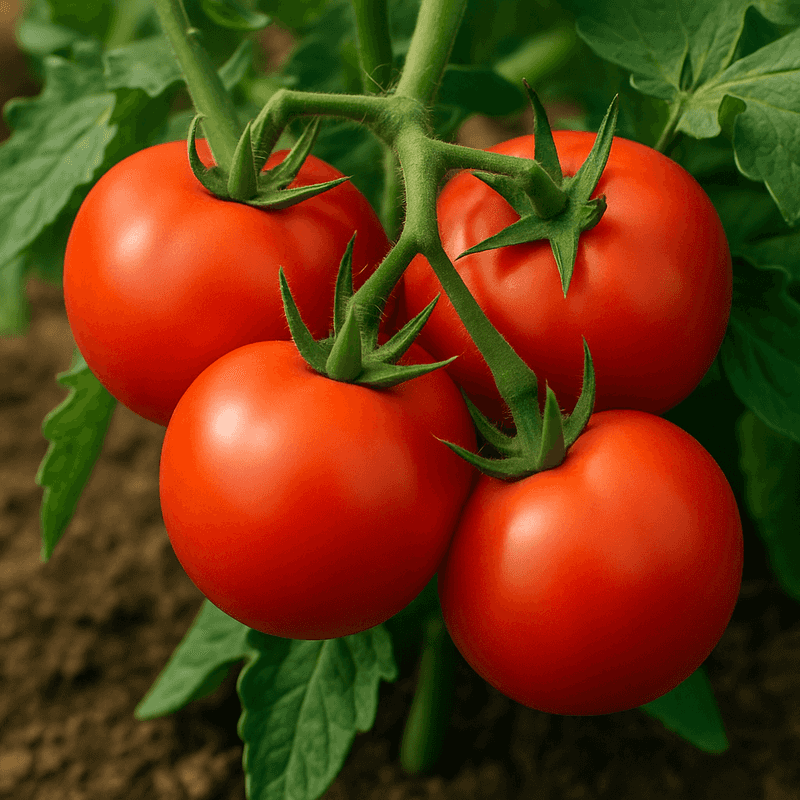
Big fruit needs a little shelter from Florida’s fierce sun. Phoenix combines hot-weather fruit-setting ability with a leafy plant that can help shade its developing tomatoes, making it a useful choice for gardeners seeking substantial red slicers.
The plant is determinate, so plan for a focused crop rather than an endless climb up a tall trellis. Its firm tomatoes are handy for kitchen use and hold up well when carried in from the garden.
Resist the urge to strip away healthy leaves to expose every fruit. Leaves supply energy and help reduce sunscald, the pale, damaged patches that can develop on tomatoes exposed to intense sunlight.
Instead, remove foliage that touches the soil or shows clear disease symptoms, using clean tools. Water near the roots and leave enough room between plants for leaves to dry after rain.
Phoenix belongs in a sunny bed with reliable drainage, not a low spot that stays wet after a thunderstorm. Add support at planting time and secure it well, because a heavily loaded plant can catch wind during Florida’s fall storms.
5. Heatwave II
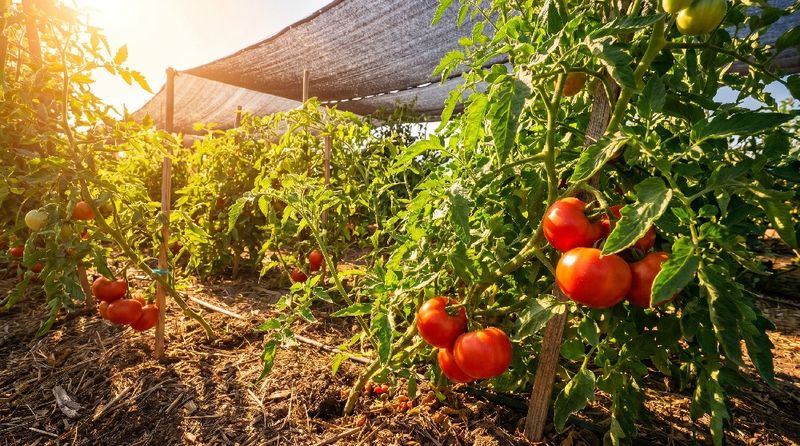
Getting a crop started before cooler weather arrives can feel like a race in North Florida. Heatwave II brings together relatively early maturity and the ability to set fruit in warmer weather, giving gardeners another option for a short fall window.
It produces medium-sized red tomatoes on determinate plants. Look specifically for Heatwave II when buying seeds or transplants, since similar names do not always mean the same variety or resistance package.
Start with healthy transplants when your planting window is already open. Days-to-harvest figures generally refer to time after transplanting, and actual ripening can slow when weather, root stress, or heavy cloud cover interferes.
Prepare the bed before bringing plants home so they do not sit for days in small nursery pots. Plant deeply enough to cover part of the lower stem after removing buried leaves, while keeping the root zone above any area prone to standing water.
For North Florida gardeners, early planting within the recommended local window helps reduce the chance of losing green fruit to a freeze. In Central and South Florida, the same variety can provide a manageable crop as the worst heat begins to ease.
6. Sun Gold
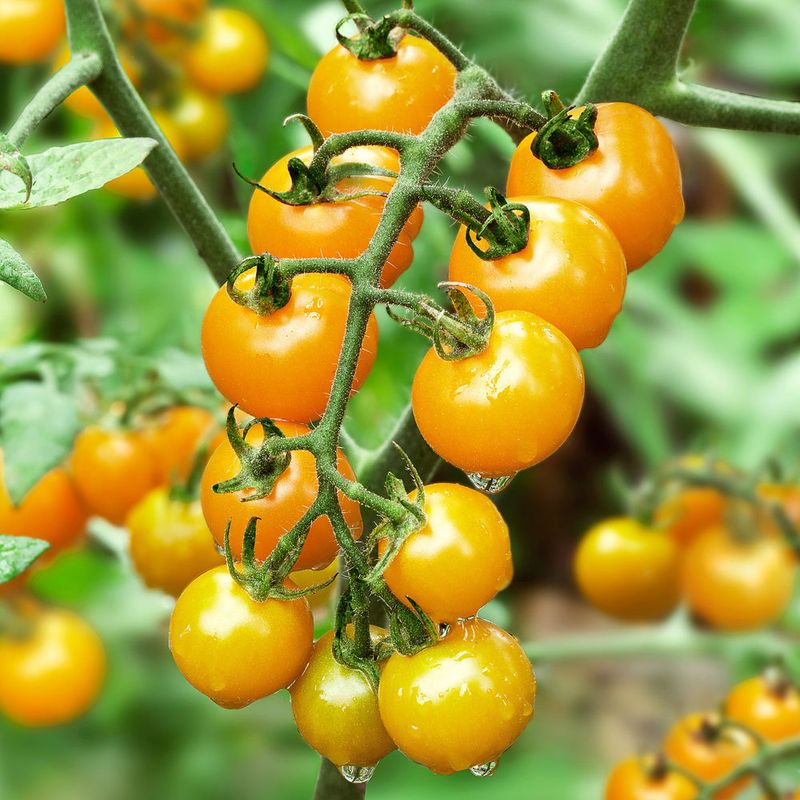
A handful of warm, orange cherry tomatoes can make the walk to the garden worthwhile. Sun Gold earns its spot through sweet flavor, early harvests, and the general advantage small-fruited tomatoes have when large slicers struggle to set.
Unlike the compact hybrids earlier in this list, it is indeterminate and needs a tall, secure cage or trellis. Give the vine room rather than trying to squeeze it between two bush tomatoes.
Sun Gold is not a specialized heat-setting slicer, and extreme heat can still interrupt flowering and fruit production. Its strength is offering frequent, snack-sized harvests as conditions improve, rather than asking each blossom to produce a large tomato.
Pick fruit when it reaches a rich golden-orange color. Ripe cherries can split after heavy rain, so harvest regularly and consider picking nearly ripe fruit before a forecast downpour.
Use drip irrigation and mulch to keep moisture more even in Florida’s sandy soil. Choose Sun Gold if flavor is your first priority and you do not mind regular picking, tying up new growth, and watching a vigorous vine climb well above a short cage.
7. Everglades
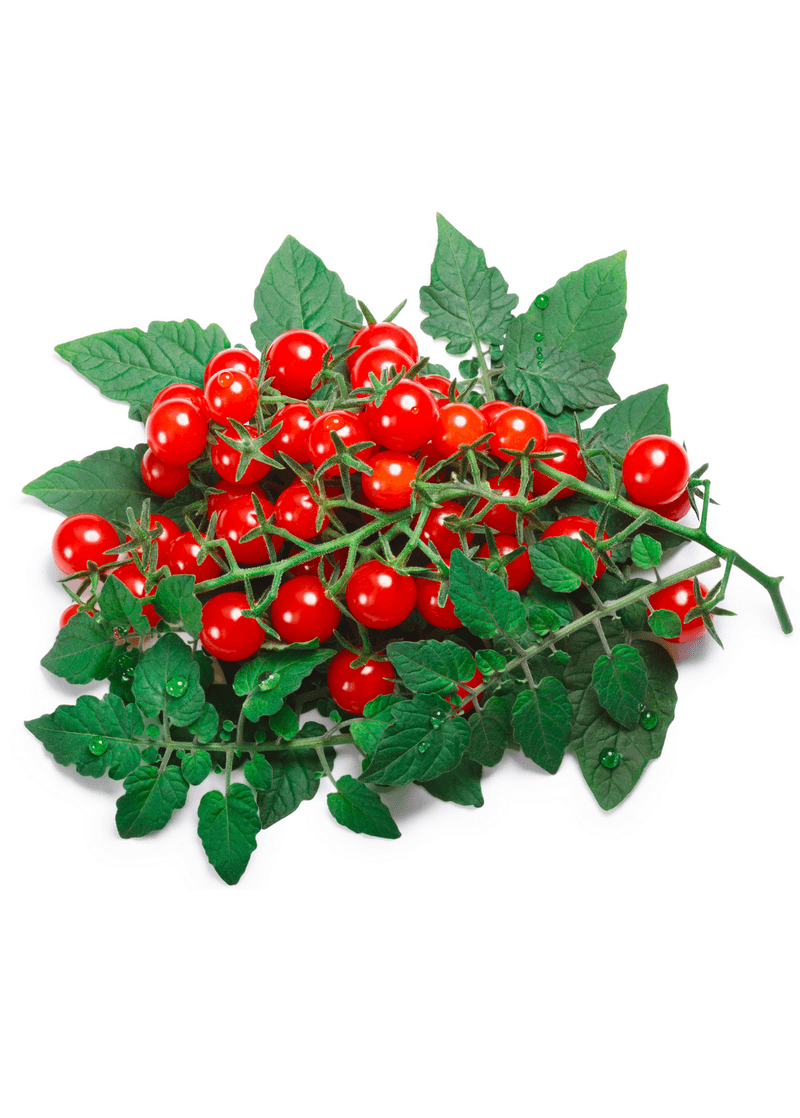
Tiny tomatoes can be a smart answer to a very big heat problem. Everglades tomatoes, commonly sold as a currant-type tomato, are known for coping well with Florida’s warm, humid growing conditions.
The fruit is much smaller than a typical cherry tomato, so think salad sprinkles and garden snacks rather than sandwich slices. Their useful difference is resilience and steady small harvests when larger-fruited choices may be less cooperative.
Do not mistake small fruit for a small plant. These vines can spread widely, so provide a broad support or a dedicated edge of the vegetable garden where growth will not smother nearby peppers and herbs.
Buy seed from a reliable source, since plants sold under the Everglades name can vary. Although often described as wild or naturalized in Florida, that does not automatically make every seed strain a documented Florida native.
Harvest often, remove unwanted seedlings, and keep fallen fruit from turning into next season’s surprise tomato patch. Everglades is the pick for gardeners willing to trade large, tidy fruit for a vigorous plant with a strong reputation for handling difficult Florida weather, while still providing water, drainage, and basic pest checks.