
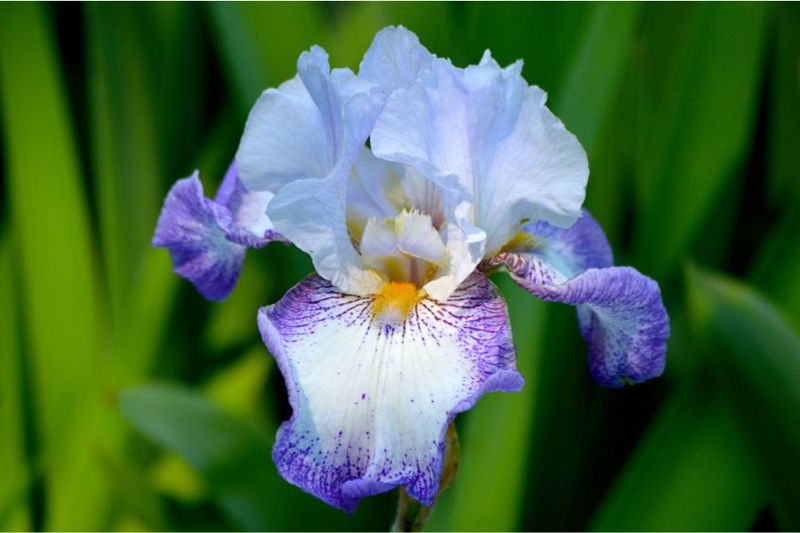
Some flowers fade after a season or two, but a few tough plants come back every spring for decades. In North Carolina, from the mountains to the coast, these long-lived bloomers can save you money, time, and sore knees.
Many of them also feed bees, butterflies, and hummingbirds that call our state home. Late September is a smart time to plant most of them, so roots settle in before winter and reward you next spring.
1. Peony
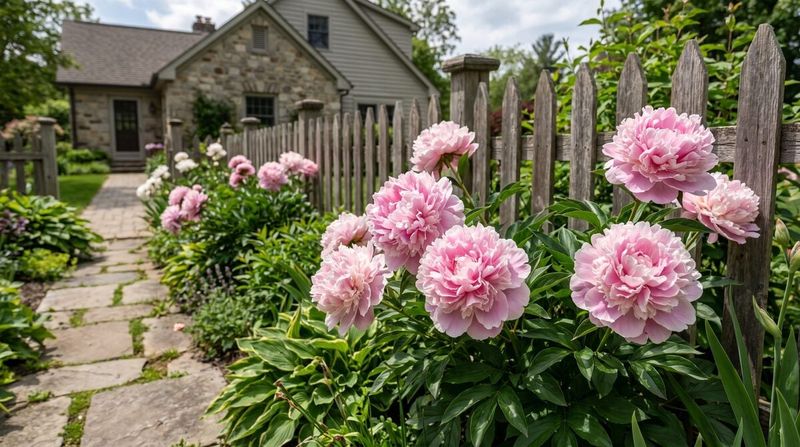
Grandma’s peonies are still blooming by the old farmhouse porch, and that is no exaggeration. Peony clumps can live 50 years or more when left undisturbed, which makes 20 years almost a warm-up.
They do best in the mountains and Piedmont, where winters give them the chill they need. Coastal plain gardeners can still try early-blooming varieties like Festiva Maxima or Coral Charm in a spot with afternoon shade.
September is prime peony planting time in NC. Set the pink eyes no more than 1 to 2 inches below the soil, or the plant may refuse to bloom.
Then walk away, because peonies dislike being moved.
2. Purple Coneflower
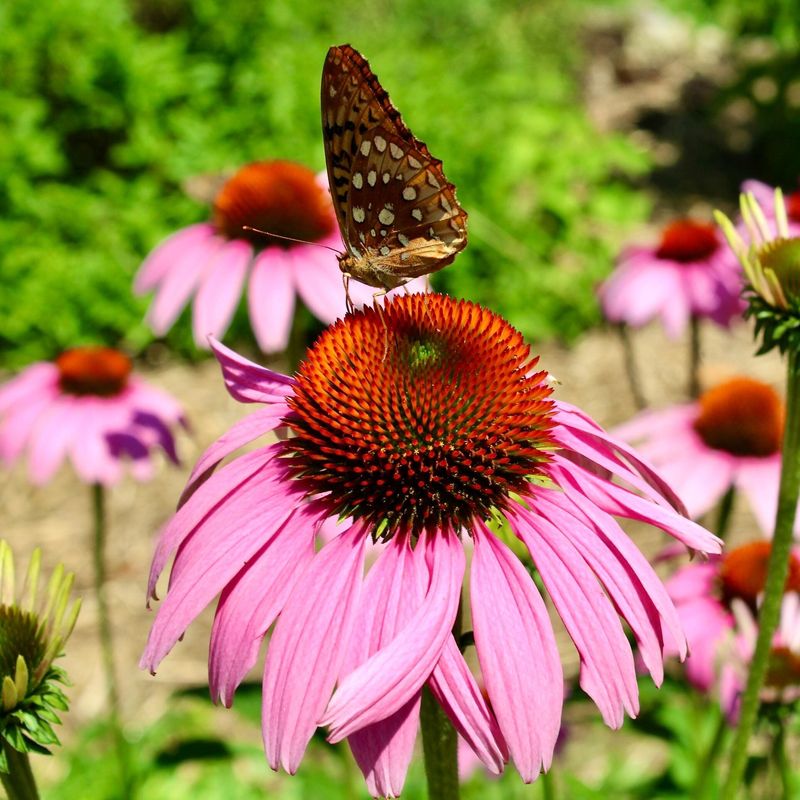
Goldfinches love it. Butterflies love it.
And you will love how little it asks of you.
Purple coneflower is native to the Southeast and shrugs off Carolina heat, humidity, and dry spells once established. Individual plants may slow down after several years, but they reseed gently, so a patch can keep going for decades without you buying another pot.
Leave the seed heads standing this fall. They may help feed finches through winter, and the dropped seed fills gaps for you next spring.
Plant in full sun with decent drainage, and skip the heavy fertilizer, which can make stems flop.
3. Daylily
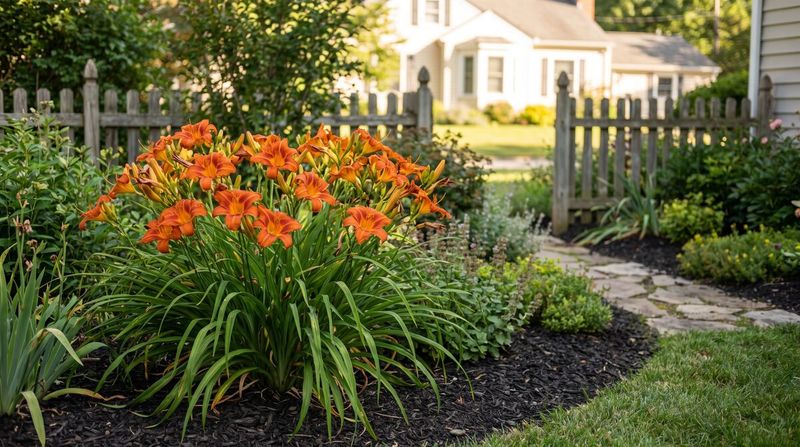
If a plant could survive a teenager forgetting to water it all summer, it would be the daylily. Gardeners across the state know clumps that have lived along driveways and ditches for 30 years or more.
Daylilies handle clay soil, sandy coastal ground, and mountain cold with equal calm. Reblooming types like Stella de Oro or Happy Returns can flower on and off from late spring into fall.
One small task every five years or so helps: divide crowded clumps in early fall. Choose named garden hybrids rather than the roadside ditch lily, which spreads aggressively and can crowd out native plants.
4. Black-Eyed Susan
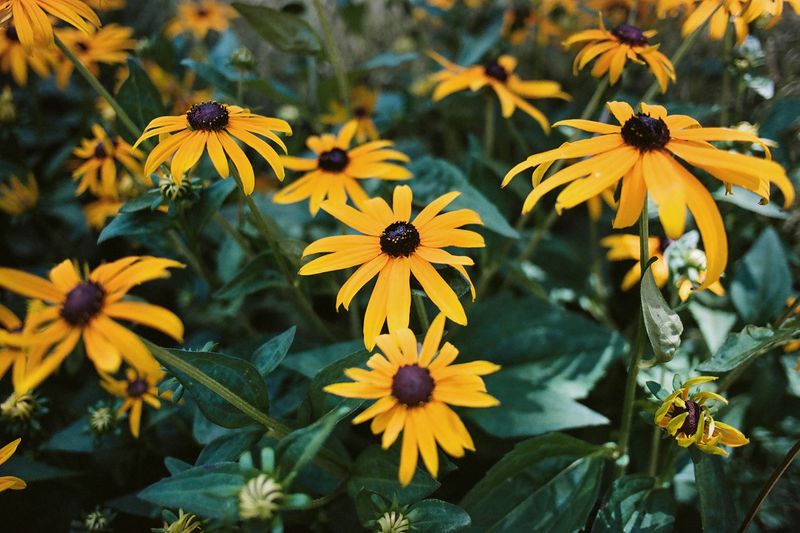
Golden petals, dark centers, and a sunny attitude that lasts from July into fall. Black-eyed Susan is a true Carolina native, and the perennial Rudbeckia fulgida forms colonies that spread slowly by roots.
That steady creeping is the secret to its long life. While the original crown may age out, new shoots keep the patch going year after year.
Bees and small butterflies visit all summer, and birds pick at the seed heads later. Plant now in a sunny bed, water through the first fall, and expect a fuller display every season after.
5. Bearded Iris
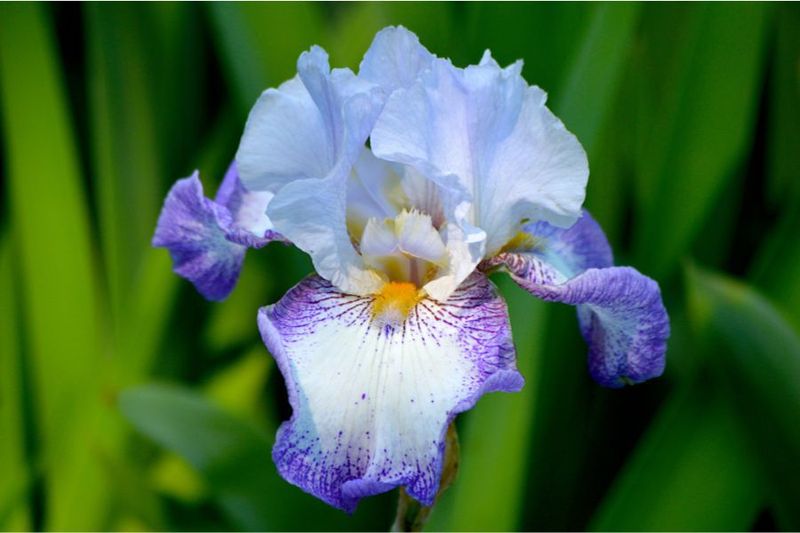
Here is a fun bit of history: bearded irises were often passed between neighbors and families, and some NC gardens still grow rhizomes that are generations old.
These spring bloomers thrive on sun and good drainage. Plant the rhizomes so the tops peek above the soil, like a duck floating on water.
Burying them too deep in heavy Piedmont clay can invite rot.
Late summer into September is the ideal window for planting or dividing. Every three to five years, lift crowded clumps, toss old woody pieces, and replant the healthy fans.
That simple refresh can keep a bed going for decades.
6. Butterfly Weed
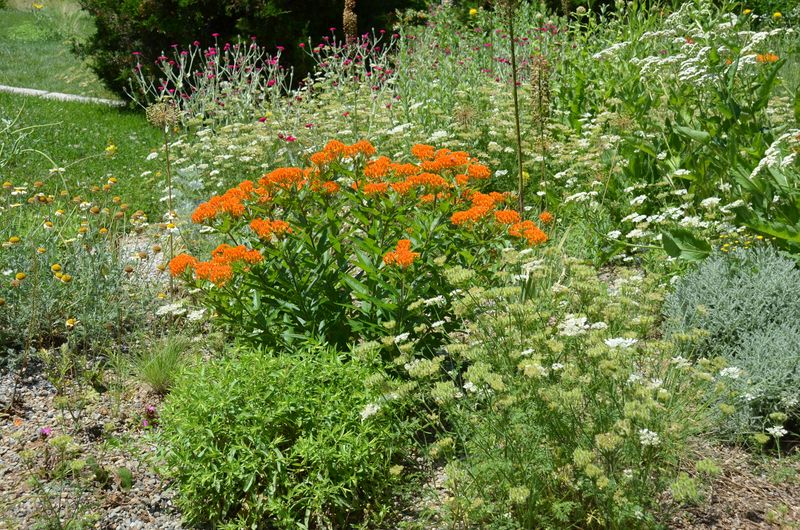
Monarchs passing through North Carolina each fall need milkweed, and butterfly weed is one of the prettiest ways to help. Its blazing orange flower clusters bring in bees, swallowtails, and hummingbirds too.
The plant grows a deep taproot that makes it remarkably drought tolerant. That same root is why mature plants can last 20 years or more, and also why you should never try to move one.
It wakes up late in spring, so mark its spot to avoid digging it up by mistake. Give it full sun and lean, well-drained soil, especially in sandy coastal plain yards where it feels right at home.
7. Hellebore
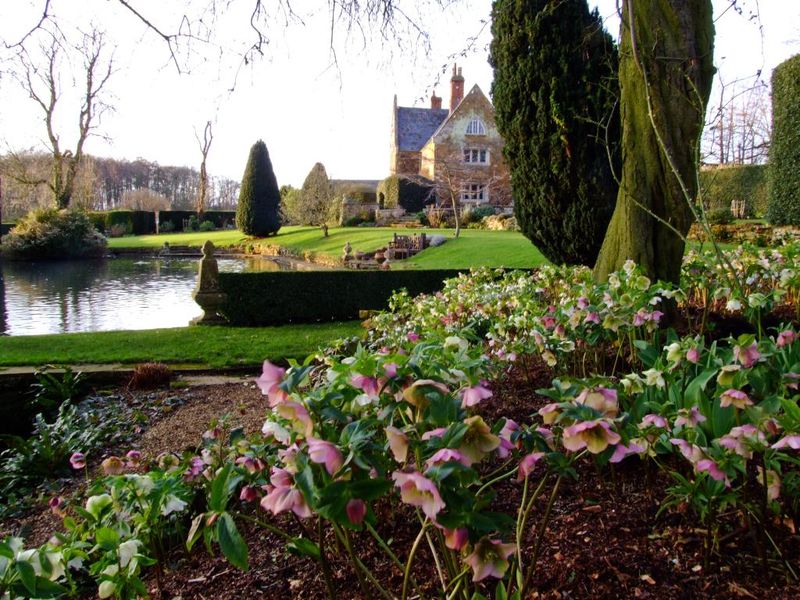
Picture a gray February morning, and right there under the oaks, cups of pink, plum, and cream flowers are open. Hellebores, often called Lenten roses, bloom when almost nothing else will.
They are built for shade, which makes them a rare long-lived option for wooded NC lots. Established clumps commonly thrive for 20 years or longer and seed politely around their base.
Deer and rabbits usually leave them alone because the leaves are toxic, so keep pets from chewing them. Plant in fall in rich, well-drained soil, and simply trim tattered old leaves in late winter before new blooms rise.