
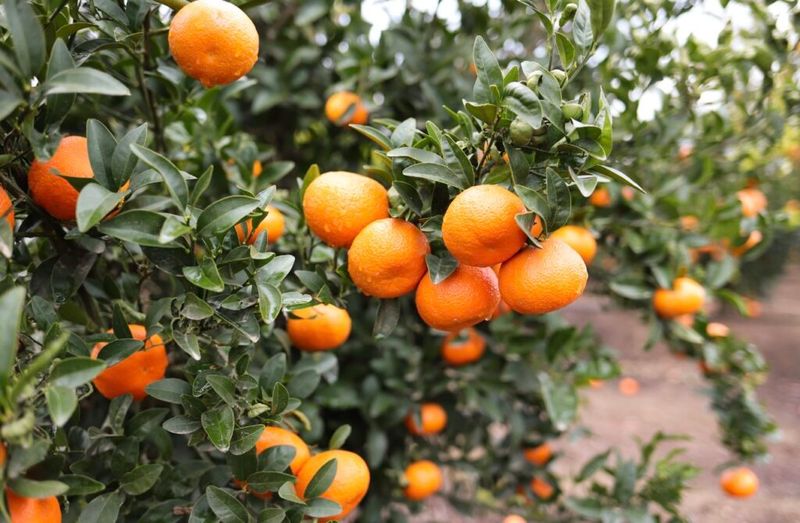
Few things disappoint like biting into a homegrown orange that is sharp and sour. Many gardeners hear that one November chore decides how sweet winter citrus will taste, but real life is more flexible than that.
Fruit ripens on its own schedule, shaped by variety, weather, and where your yard sits in California. A few simple habits can help you pick at the right moment.
November is a checkpoint, not a sweetness switch
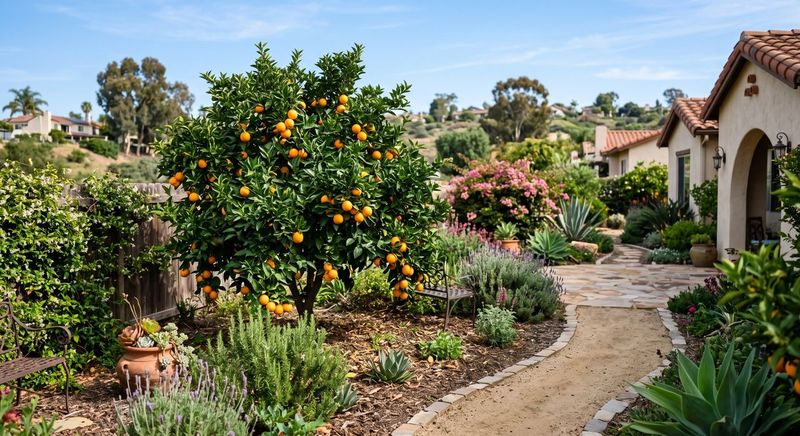
Plenty of garden advice points to one November task as the make-or-break moment for sweet winter fruit. No source we reviewed identifies a single November action that decides whether California citrus tastes sweet.
Taste comes from many things working together, and no one chore controls it.
The more useful idea is narrower and easier to act on. With sweet citrus like oranges and mandarins, you can check the fruit itself before you harvest.
A quick taste tells you far more than a calendar date or a to-do list ever could.
Timing matters because citrus does not follow one statewide schedule. UC IPM citrus guidance notes that ripening depends on the variety and the place where it grows.
A tree on the cool coast and one in a hot inland valley can be weeks apart, even when both are the same type.
Fruit type matters too. Lemons and limes are meant to be tart, so the advice here is aimed at sweet citrus.
Local conditions, including cold snaps, also play a part in how long you can wait.
One more point helps set expectations. UC Davis postharvest information explains that citrus does not get sweeter after it is picked.
That makes the decision to harvest a one-way street, and it is why checking the fruit first is worth the minute it takes. The next sections show how to do that, and what to avoid along the way.
Why citrus maturity and flavor vary
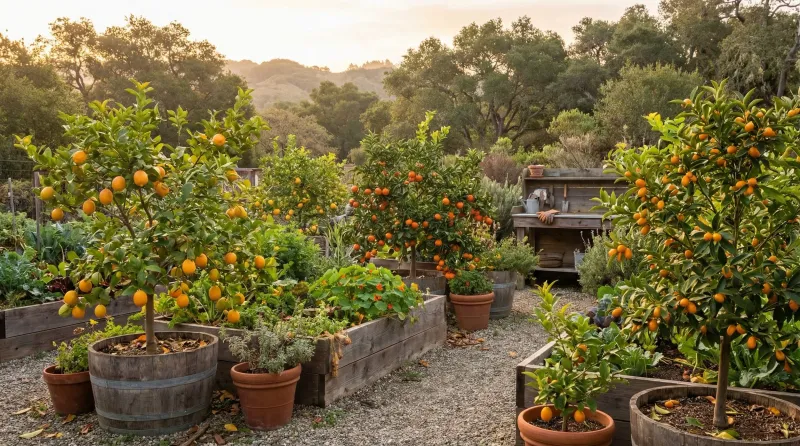
Two trees growing a few miles apart can produce fruit that tastes very different on the same day. Variety, growing conditions, and time on the tree all shape when fruit reaches good flavor.
Some types are ready early in winter, while others hold on until spring.
Summer heat plays a big role. UC IPM notes that some citrus needs more summer heat and may take longer to build enough sugar in cooler-summer areas.
If you garden near the coast, your fruit may simply need more time than a neighbor’s inland tree.
Sweetness is only part of the picture. UC Davis describes orange flavor in terms of the balance between soluble solids, which are mostly sugars, and acid.
An orange with plenty of sugar can still taste sharp if acid is high, and no single care step guarantees the balance.
That balance is why tasting works better than guessing. Your tongue picks up the whole blend at once, which a calendar cannot do.
Finally, keep the fruit type in mind. Extension citrus guidance reminds growers that lemons and limes can be fully mature while still sour.
A wait-until-sweet rule makes sense for oranges and mandarins, but it would have you waiting forever on a Meyer lemon or a Bearss lime.
Taste a sample before harvesting sweet citrus
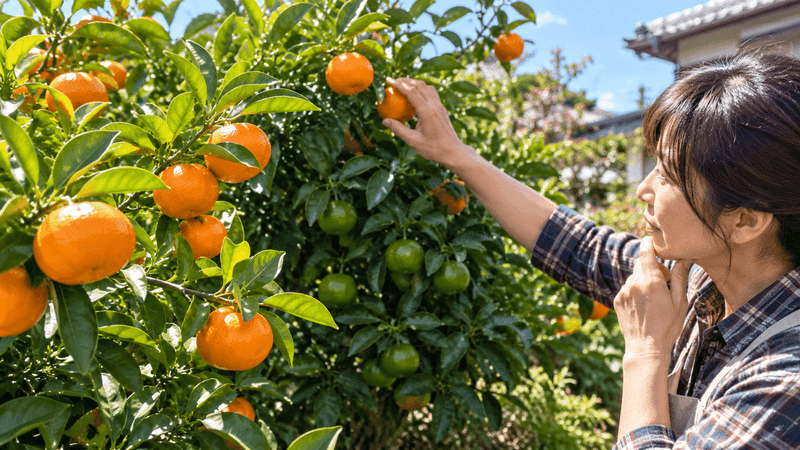
The simplest maturity check is also the most reliable one. Pick a single representative orange or mandarin, peel it, and taste it.
If it is sweet and pleasant, the fruit is ready for you to enjoy.
UC ANR advises using taste rather than rind color to decide when to harvest. That puts the decision in your hands instead of in the date on the calendar.
If the sample is sour, leave the rest on the tree. UC ANR’s orange tree answers suggest waiting and tasting another fruit the following week.
Repeat until the flavor suits you.
Choose your sample with a little care. Pick a fruit of average size from the outer part of the canopy, then try one from a shaded inner branch another day.
Fruit in full sun can ripen ahead of fruit in shade, so one taste does not prove every fruit has the same maturity.
Keep notes if you like. Jot down the date and how the fruit tasted, and next year you will have a handy guide for your own yard.
This approach works for oranges and mandarins. For lemons and limes, tartness is normal, so judge them by size, juiciness, and how you plan to use them.
Peel color cannot confirm that fruit is ready
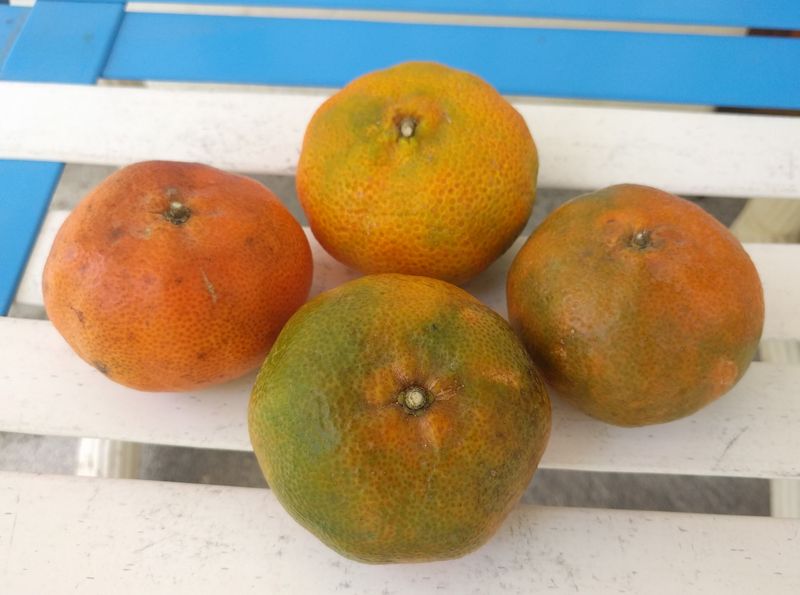
A deep orange peel looks like a promise of sweetness, but it can be misleading. Cooler fall temperatures can change rind color before the fruit inside is ready to eat.
You may see a gorgeous orange on the outside and a sharp taste on the inside.
The reverse can happen as well. Fruit in warmer spots may taste good while some green still shows on the peel.
Color tells you about the skin, and taste tells you about the fruit.
A UC ANR navel orange fact sheet points growers toward judging maturity by more than looks. Treat color as a hint to start tasting, not as a signal to start picking.
Picking too early has a lasting cost. UC Davis postharvest guidance says citrus will not become sweeter after harvest.
A sour orange left in a bowl may soften or dry out, but it will not turn sweet.
So skip the plan of picking a big batch and letting it mellow on the kitchen counter. Taste a sample on the tree, and let the result decide whether to pick today or wait another week.
A freeze forecast can change how long you wait

Leaving sour fruit on the tree is good advice only when the weather cooperates. Freezing temperatures can damage citrus fruit, and the risk is not the same everywhere.
A mild coastal yard and a frost-prone inland one face very different odds.
According to UC IPM citrus guidance, damage depends on the variety, how mature the fruit is, and how long the cold lasts. A brief dip may do little, while several hours at low temperatures can cause real harm.
That is why no single temperature works as a universal cutoff. Instead, build the habit of watching your local forecast, especially overnight lows in your own neighborhood.
Know your cultivar, too. Some types hold up better than others, and fruit that is nearly ready faces a different choice than fruit that is far from ripe.
If a hard freeze looks likely, you have a decision to make. Taste a sample, and if the fruit is already pleasant, picking ahead of the cold may make sense.
If it is still sour, weigh the forecast against what you know about your yard before you wait.
Microclimates matter as well. A tree near a south-facing wall may fare better than one in a low spot where cold air settles.
November fertilizer and drought stress are not sweetness fixes
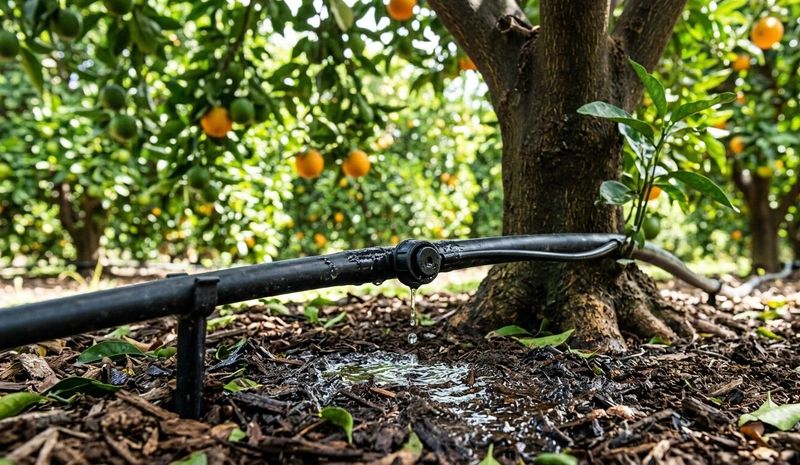
Two tempting shortcuts float around in fall: add fertilizer, or cut off the water. Neither one is a reliable way to sweeten fruit.
Skipping a November feeding is not a secret to sweetness either, since no one step controls flavor.
UC IPM recommends nitrogen applications around January or February, then in May and possibly June. It also cautions that late-season fertilizing may affect fruit quality and delay rind coloring.
So the practical move is to follow that regular schedule rather than add a fall feeding.
Water is the other temptation. Some people believe stressing a tree concentrates sugars, but that idea is not backed by home-garden guidance.
UC IPM notes that proper watering supports fruit quality, and that underwatering can lead to smaller fruit.
California winters bring uneven rain. In dry spells, citrus may need supplemental water, as UC Master Gardeners in Alameda County explain in their watering guidance.
Skip the blanket November schedule. Push a trowel or finger into the soil under the canopy, check recent rainfall, and look at the leaves.
Water when the soil and tree say so, and hold off when rain has done the job.
That approach also respects water limits in many California cities, since you only apply what the tree truly needs.
Let the fruit, tree, and forecast guide the harvest
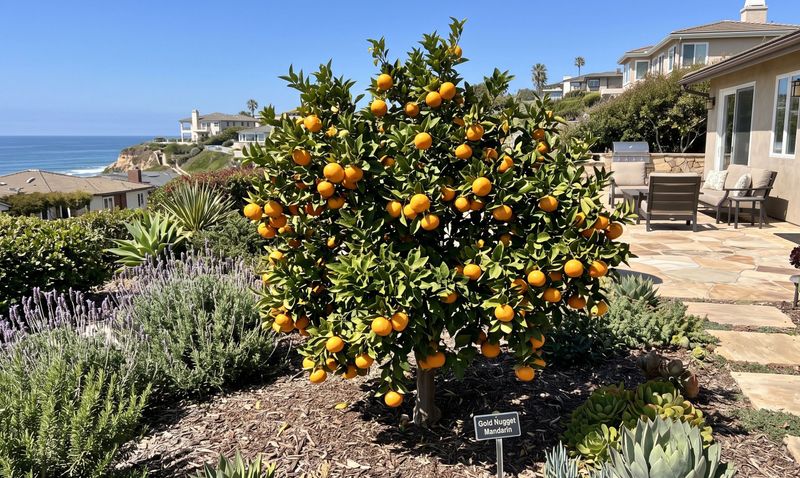
Think of the harvest as a short routine. Taste an orange or mandarin, check the forecast, and decide from there.
Leave color, indoor ripening, fertilizer, and water stress out of the plan, since UC ANR, UC IPM, and UC Davis point to none of them as a fix.
No method promises perfect flavor, but a patient taster usually gets close. The tree keeps its own time, and your tongue is the best clock you own.