
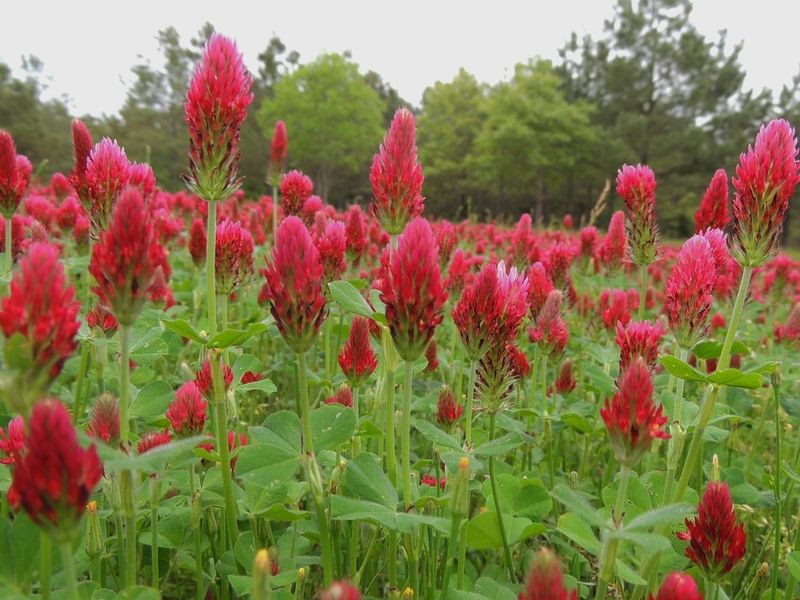
An empty garden bed in winter can turn into a patch of weeds before you know it. Crimson clover is one cover crop that Southern gardeners sometimes use to fill that space.
It can help hold back weeds and add some nitrogen, but it does not fit every bed or every region. Here is how to decide if it suits your garden and how to plan for spring.
A vigorous clover stand can suppress weeds, not guarantee a clean bed
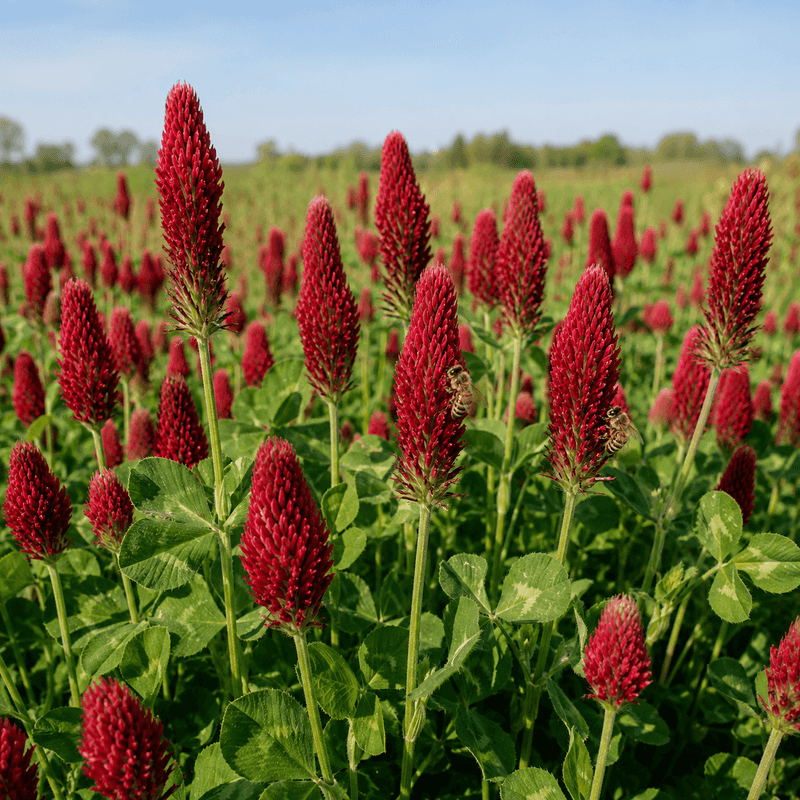
Think of a clover stand as a crowd that leaves little room for newcomers. When crimson clover grows thick, it competes with weeds for space, light, water, and nutrients, which is how UF/IFAS describes weed suppression by cover crops.
One field study offers a small piece of support. Researchers working in a reduced-tillage vegetable system found lower weed density in crimson clover plots than in bare plots.
That is one study in one type of system, so it does not predict what will happen in your home bed or with every weed species.
The catch is the word “vigorous.” If seed does not sprout well or the stand stays thin, weeds will move into the gaps. Clover is also not the only way to cover soil, since a layer of mulch can protect a bed too.
Treat clover as one option that works best when it establishes well, and expect to pull a few weeds anyway.
November fits some Southern planting windows, not all of them
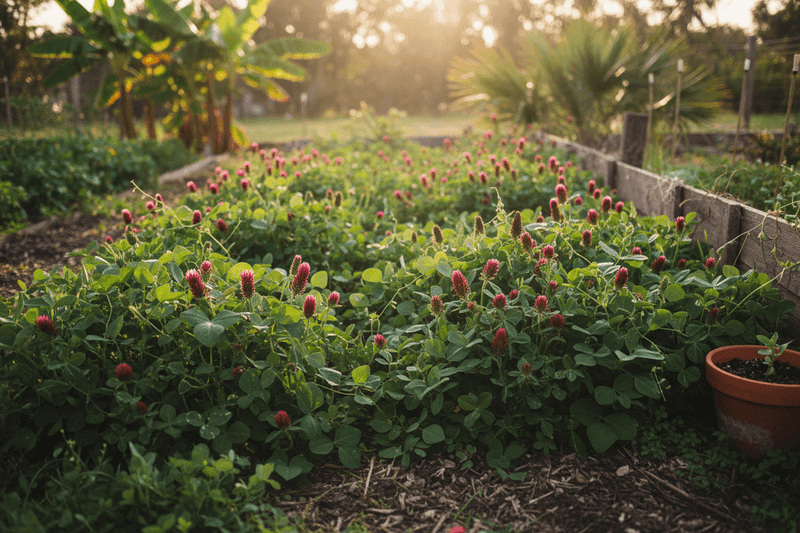
Timing is where Southern advice splits. Texas guidance from the Southern Cover Crops Council lists a cool-season planting window of September 15 through November 30.
November sits inside that range, though earlier sowing in the window gives seedlings more time to grow before cold.
North Florida runs a bit tighter. UF/IFAS lists October 1 through November 15 for that part of the state, so a late November sowing there falls outside the suggested dates.
South Florida is a different story. UF/IFAS cautions that winter cover crops may not suit its climate, so gardeners there should not assume clover will work at all.
Your best move is to call or check with your county Extension office and ask for the planting dates for your own area. Treat November as one possible month in some places, not a rule for the whole South.
Check the bed’s pest history before choosing crimson clover
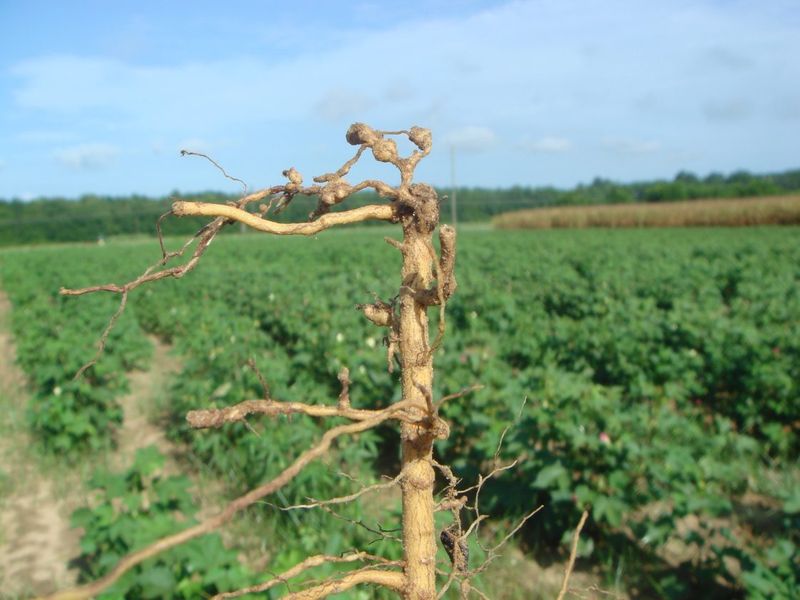
Ask yourself one question about each bed: have the roots of past crops ever looked knotted or swollen? Those galls are the classic sign of root-knot nematodes, tiny soil worms that stunt tomatoes, okra, peppers, and many other vegetables.
For beds with that history, crimson clover deserves a second look. UF/IFAS warns that crimson clover can encourage root-knot nematodes over winter, which could leave the pest in better shape when spring crops go in.
This is a caution about specific beds, not a prediction that every garden will have trouble. If you have never seen nematode damage, the concern may not apply to you.
Pest history is also separate from timing. A bed can sit in the right planting window and still be a poor match for clover.
If you are unsure, ask your county Extension office about a soil test for nematodes and about cover crops better suited to that bed.
Prepare the bed and sow according to local seed directions
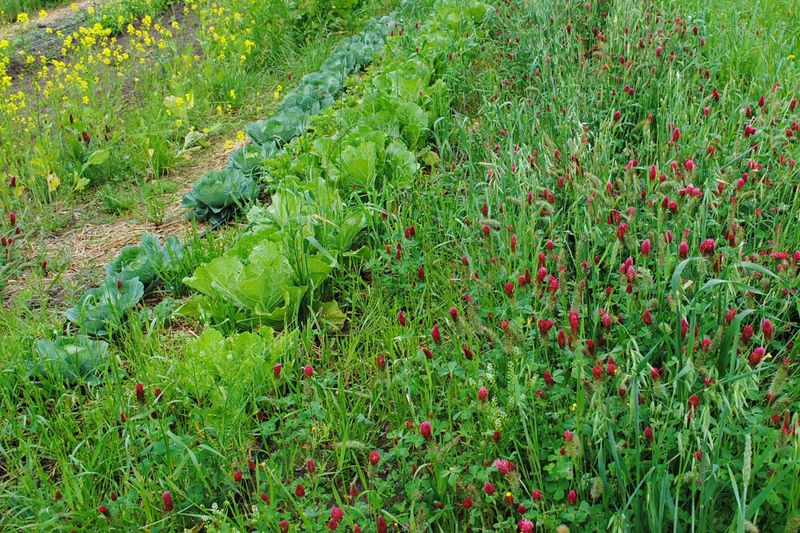
Start by clearing the bed. Pull or cut existing weeds and old crop debris so the clover seedlings are not shaded out on day one.
Loosen the surface a little with a rake.
Next, spread the seed evenly. Mixing it with a handful of dry sand can help you see where it lands.
Then rake lightly or press it down with a board or your feet. As Purdue’s home garden guide suggests for small-seeded covers, the aim is soil contact without deep burial.
Rates and depth are where you should follow the seed label rather than a number from an article. Texas A&M’s clover planting guide shows that published rates differ by region and sowing method.
Use the directions for your area and your way of sowing.
Water after sowing if no rain is coming, and keep the surface from drying out while seeds sprout.
Good establishment depends on drainage and early care
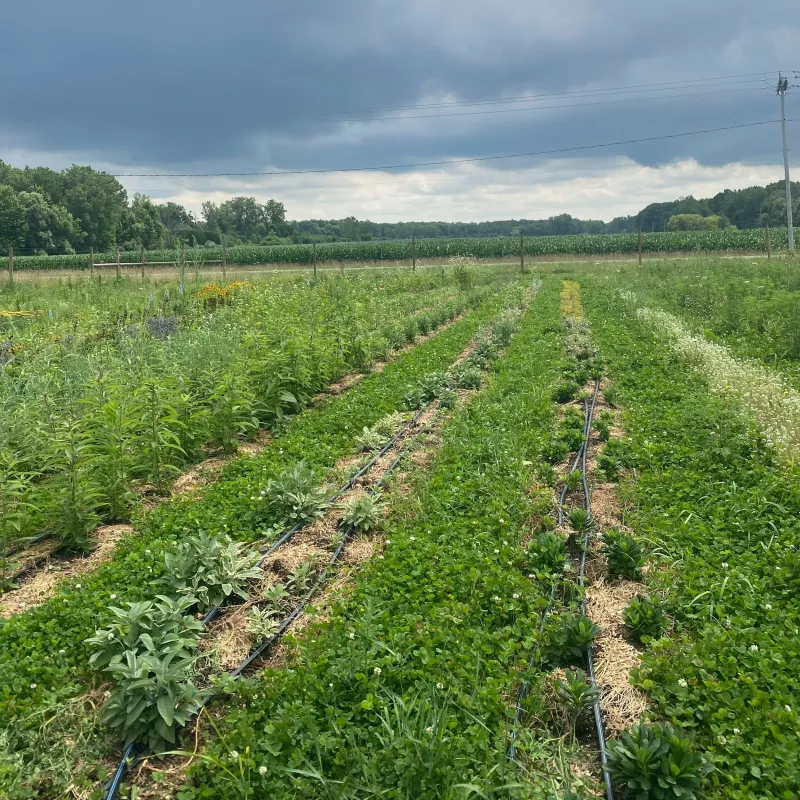
Walk your bed after a heavy rain. Spots where water stands for a day or more are poor places for clover.
UF/IFAS Gardening Solutions notes it is best suited to North and Northwest Florida, and a UF/IFAS legume guide says it prefers well-drained soil and does not tolerate flooding.
Early weeks matter too. Seedlings that stay dry may sprout unevenly, so water when rain is lacking during establishment, as Purdue’s guidance advises.
Look for bald patches a few weeks after sowing. Wherever clover is sparse, weeds can keep growing, so you may need to hand-pull them or reseed small gaps if timing allows.
Good drainage and steady moisture improve your odds, but they cannot guarantee a thick stand. Weather and soil still have a say.
Clover’s nitrogen contribution depends on growth and decomposition
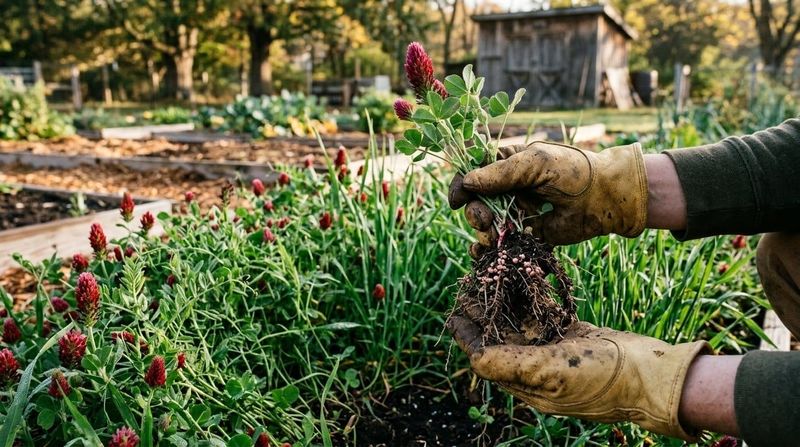
Clover belongs to the legume family, which can team up with Rhizobium bacteria in root nodules to capture nitrogen from the air. Texas A&M recommends inoculated seed where clover has not grown before, because the right bacteria may be missing from the soil.
Fixing nitrogen is not the same as handing it to your tomatoes. NC State Extension explains that clover has to grow first, and the nitrogen becomes available to later crops as the plant material breaks down.
That means amount and timing swing with how much clover grew, the weather, and how you end the cover. A thin stand adds little, and a lush one adds more.
A USDA fact sheet on crimson clover gives farm-scale figures that should not be read as a home-bed promise.
Treat clover as a helpful boost, and keep soil testing and fertilizing as part of your plan.
Plan how to end the cover before spring planting
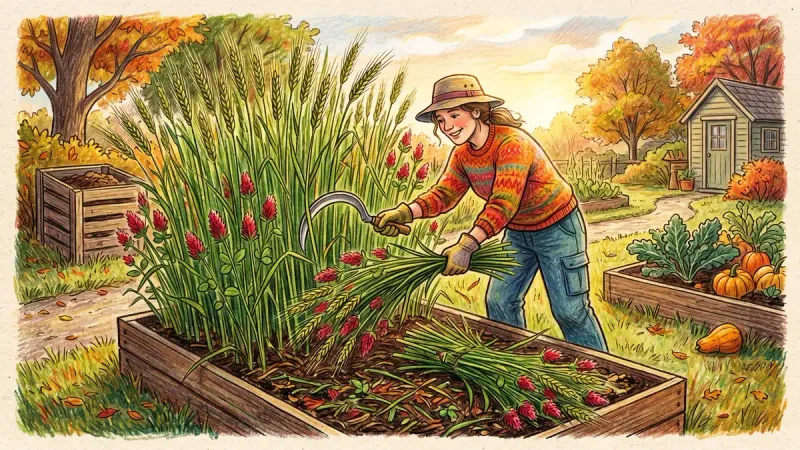
Before you sow, decide how the clover will come out. In a mild Southern winter you cannot count on frost to kill it.
Iowa State Extension notes that clover may winter-kill in some climates, and lists tillage and smothering among other ways to end a cover crop.
Plan the work for a few weeks ahead of transplanting. Cutting or turning the clover under and giving it time to break down keeps it from fighting your new plants, as Purdue’s garden guidance suggests for spring bed prep.
Watch the bloom too. Crimson clover can reseed, and UF/IFAS forage guidance points to that habit, so end it before seed forms if you do not want clover coming back.
Here is a simple rule: sow only if your local window fits, the bed has no nematode worries, drainage is good, and you have a firm spring removal plan. If one piece is missing, mulch may serve you better.