
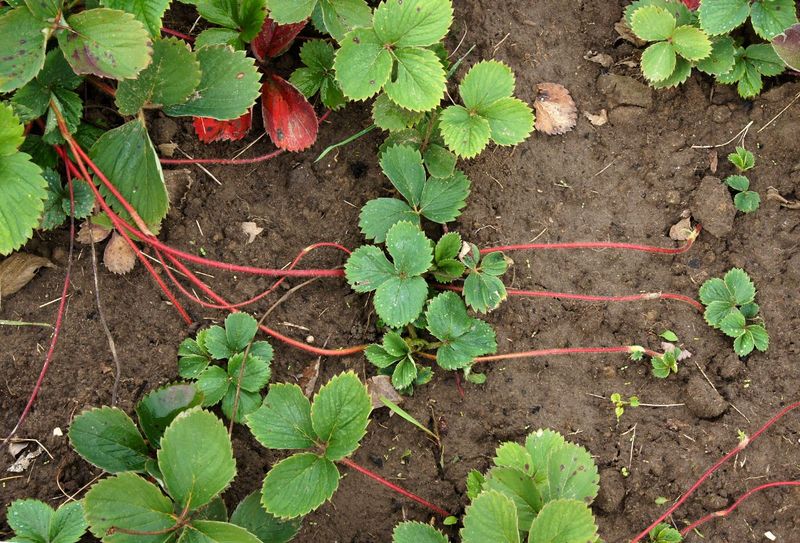
Strawberry plants send out long, creeping stems called runners, and fall is when many gardeners wonder what to do with them. For some types of strawberries, autumn growth helps set up the next crop.
Whether to cut or keep those runners depends on what you grow and what kind of bed you want. Here is how to decide for your own Southern garden.
Fall bud formation depends on the strawberry type
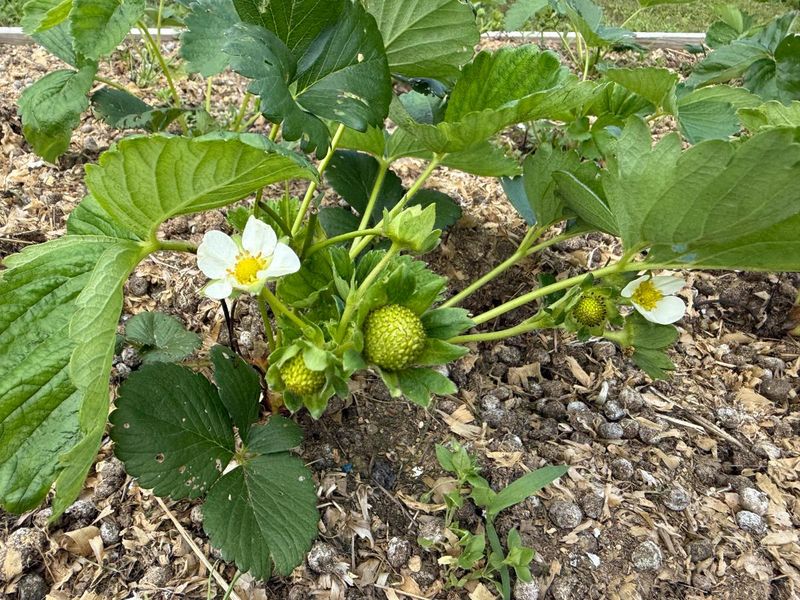
Autumn is a busy time inside a strawberry plant, but not every type is doing the same job. Many June-bearing strawberries start forming flower buds in fall, which is why Oklahoma State University Extension describes fall as a key period for fruit-bud formation.
Growth the plant makes now can matter for the crop that follows.
That does not mean every strawberry planted in fall is setting buds for next spring. Flowering depends on the variety, temperature, and day length, and UF/IFAS notes that most varieties need particular temperature and day-length conditions to flower and fruit.
Florida shows how different the schedule can be. Home strawberries there are generally planted in fall and flower and fruit in the same fall-to-spring season, so they are not waiting a full year for a crop.
Before following any runner advice, check your plant tag or nursery record. Knowing whether you have June-bearing, everbearing, or day-neutral plants tells you which advice fits your bed.
Runners can compete with plant growth, but they do not starve it
A runner takes energy to build, and the plant has only so much to share. NC State Extension says fall runners can compete with crown formation and floral-bud development.
That is a real concern, but it is a possible effect, not a certain loss.
Plenty of other things shape next season’s berries. Variety, temperature, day length, how well the plant has established, and its overall health all play a part, so one pruning job will not decide the harvest.
Field results show the same mixed picture. A Florida field study reported yield benefits from runner removal in some cultivar-years and no yield difference in another season.
Treat runner removal as one tool in your kit. It may help the mother plant put more into its crown, and the tradeoff is fewer daughter plants.
Choose a runner strategy that fits your bed
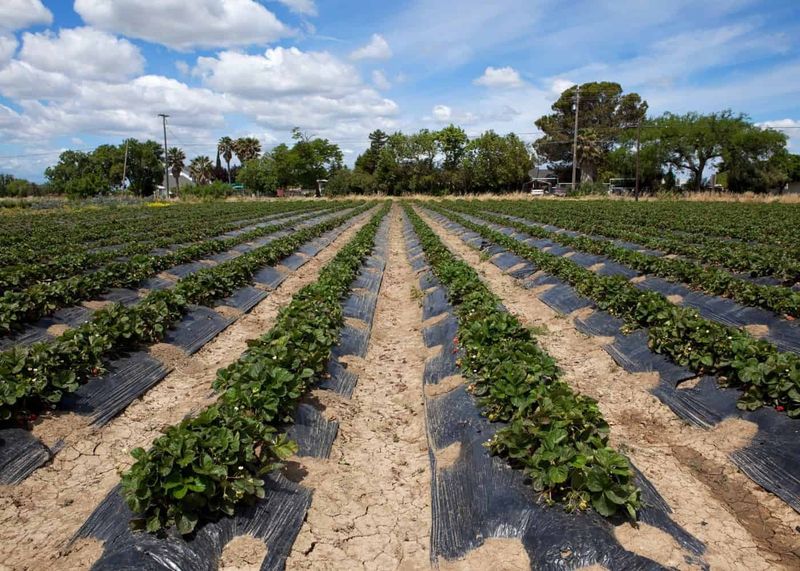
Start with your goal, because the right answer changes with the bed. Gardeners growing individual plants, a hill system, or a container where spreading is unwanted usually do better removing runners.
The UC Statewide IPM Program covers runner pruning for this kind of upkeep.
A June-bearing matted row works the opposite way. You need daughter plants to fill in the row, so selected runners stay.
Region matters too. UGA Extension describes letting runners form the matted row in north Georgia, while preferring an annual hill system in middle and south Georgia.
Plant type adds another layer. June-bearing, everbearing, and day-neutral plants do not share the same flowering pattern or runner needs, so no blanket rule to cut everything or keep everything fits every garden.
Keep selected runners when building a matted row
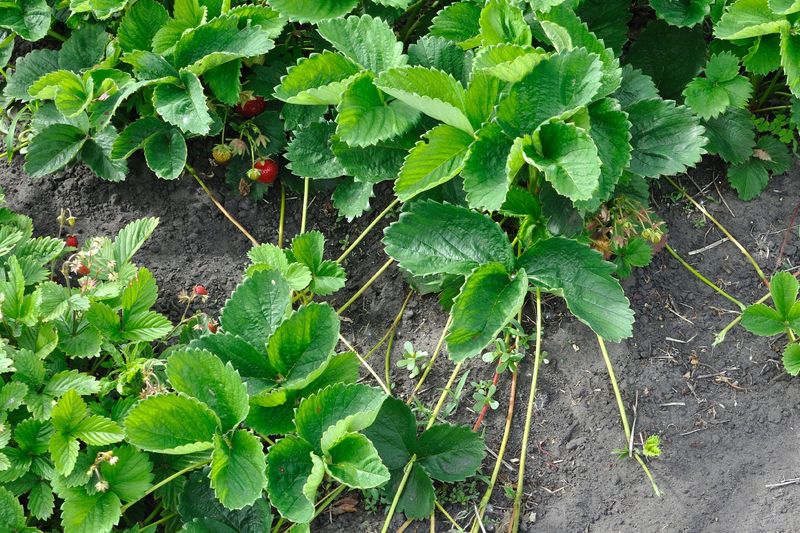
If you are starting a June-bearing matted row, runners are your building material. Let the mother plants send out runners and guide the young daughter plants into the row so they root where you want them.
Over time they fill the bed.
Choose which runners stay. Space the daughters out along the row, and snip or redirect any that wander into paths or neighboring beds.
Georgia is a good reminder that location changes the system. UGA Extension describes using runners to form a matted row in north Georgia, while middle and south Georgia gardeners are steered toward an annual hill system.
So if you garden in hills or containers, skip this approach. Matted-row management is for gardeners who actually want the bed to spread.
Cut unwanted runners after plants establish
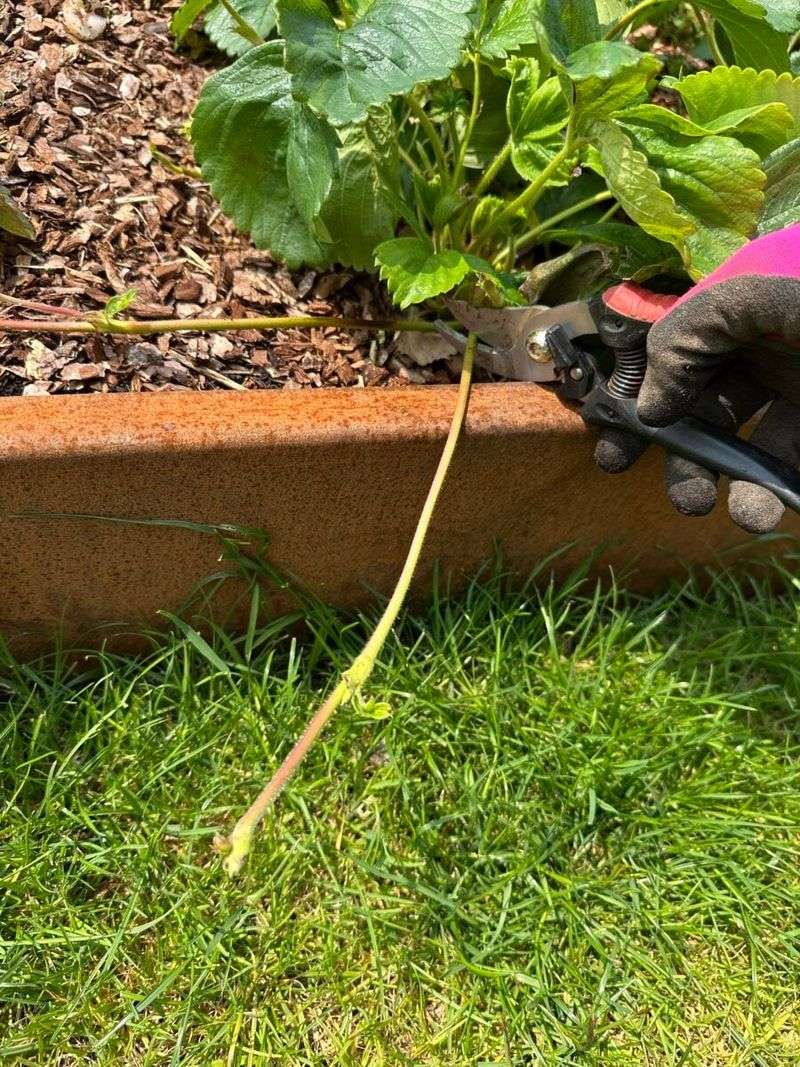
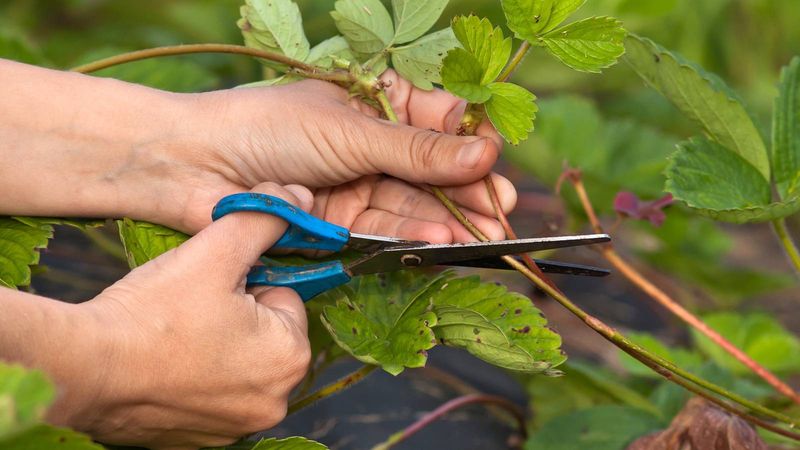
When you want tidy individual plants or a hill-style bed, trimming runners is a sensible habit. Use scissors or pruning shears and cut the runner rather than pulling it.
Tugging can disturb the shallow roots and crown, as the University of Minnesota Extension and the UC Statewide IPM Program both suggest cutting.
Give new transplants time to settle first. NC State Extension recommends waiting about three to four weeks after transplanting before its fall runner removal.
That comes from a commercial transplant setting, so treat it as a helpful reference point rather than a fixed home-garden date.
Walk the bed every week or two and clip new runners as they appear. Pruning may help the mother plant, but it will not guarantee a bigger harvest on its own.
Florida and Texas do not share one strawberry calendar
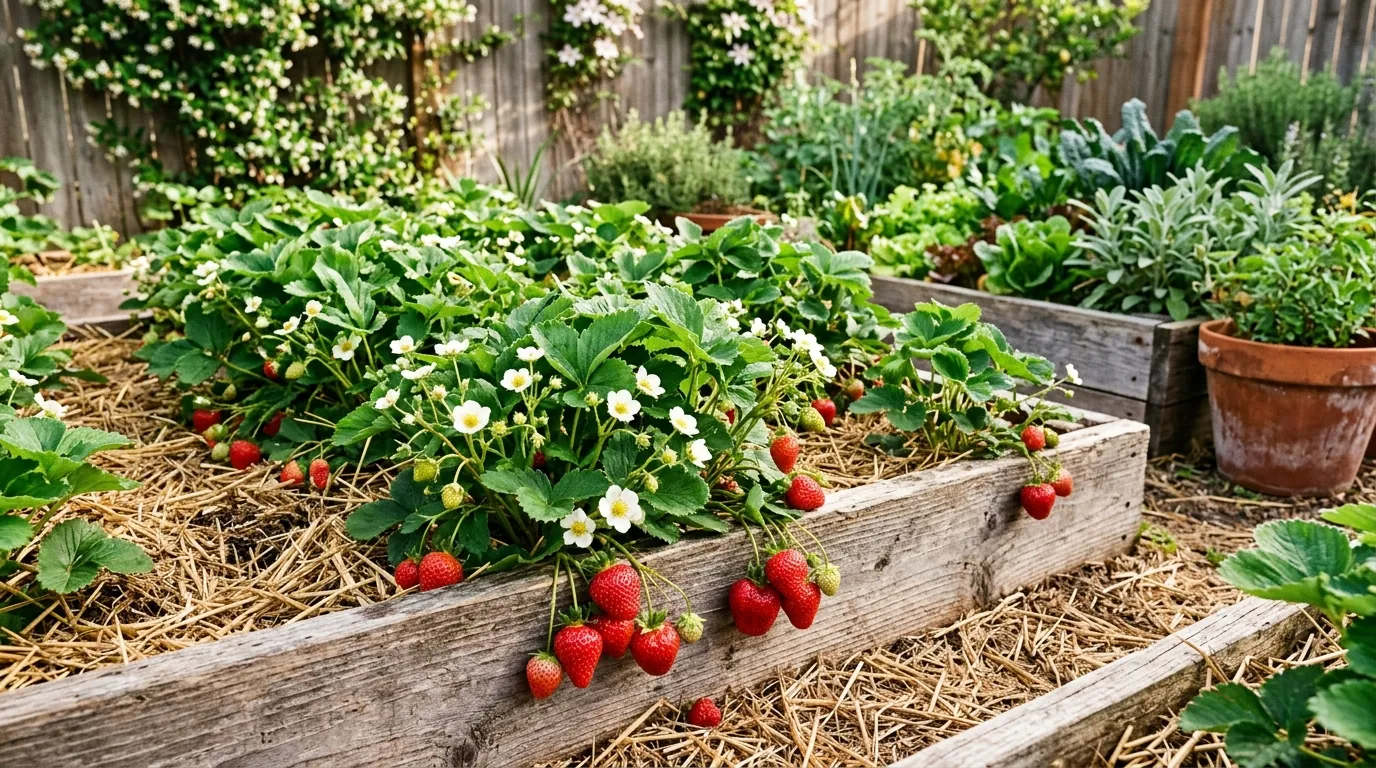
Southern gardeners cannot borrow a calendar from one state and expect it to fit another. UF/IFAS describes Florida home strawberries as generally grown as annuals.
They go in during fall, typically flower and fruit from November into April or May, and are usually replaced after the season.
That means a Florida bed is not sitting through winter waiting for one big spring crop. Runner decisions there center on keeping the planted crop productive for the season.
Texas commercial guidance reads differently. Texas A&M AgriLife recommends fall transplanting for spring harvest in its commercial system and says plants need an extended cool period to develop future crowns and flower buds.
It also notes heat stress can complicate early planting in South Texas.
Because that guidance is commercial, treat it as context rather than a home schedule. Check your local extension office for planting and fruiting windows near you.
Fall is not one date across the South, and your best runner plan follows your own calendar.