
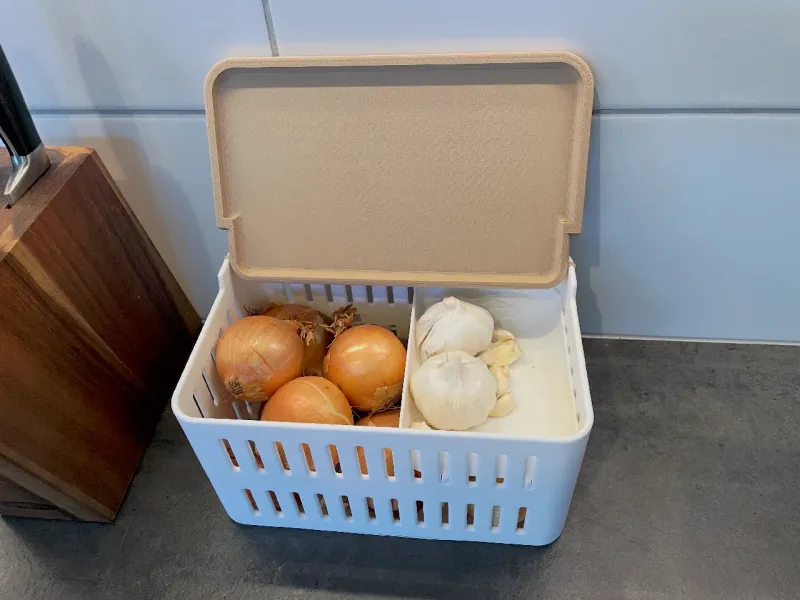
You pulled a beautiful harvest of garlic and onions from the garden, and now some bulbs are sprouting or feeling soft. It is a frustrating sight after months of work.
Warmth in your storage spot may play a part, but it is rarely the whole story. Here is how to figure out what is going on and how to give your bulbs a better chance.
Warmth may contribute, but it is not the whole diagnosis
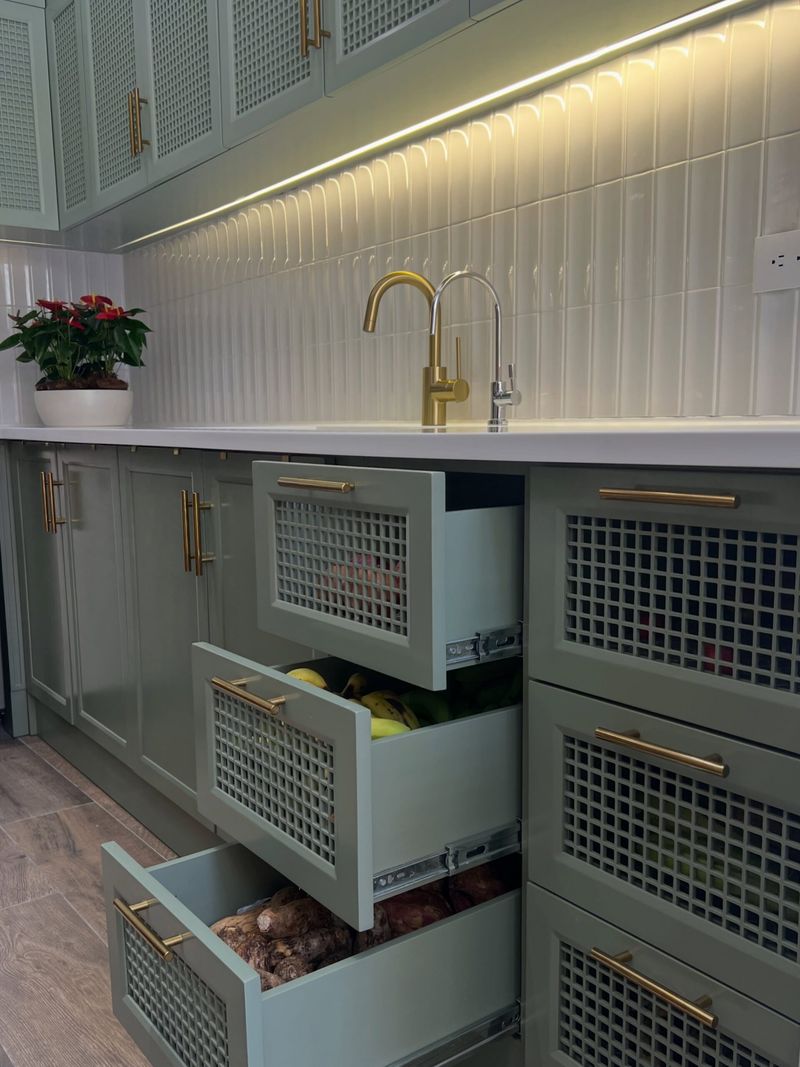
Finding green shoots on your garlic or a squishy spot on an onion is discouraging, especially when you grew them yourself. Take a breath.
A warm, humid, poorly ventilated counter is one plausible reason bulbs fail early, but it is only one piece of the puzzle.
Both crops react to temperature, moisture, and airflow. UC Davis postharvest research notes that garlic is prone to sprouting at intermediate temperatures, and warm air can also speed water loss, leaving bulbs soft or shriveled.
Onions are sensitive to similar conditions, as described in Utah State onion handling advice.
Not every counter is a problem, though. A dry, shaded, airy spot can work well for short-term storage.
The trouble tends to show up near heat, damp, or direct sun. Also, January is not a set failure date.
How you cured the bulbs, their condition at harvest, the variety, and the moisture around them all change how long they keep. So look at the whole setup instead of blaming one thing.
Temperature can trigger sprouting or speed moisture loss
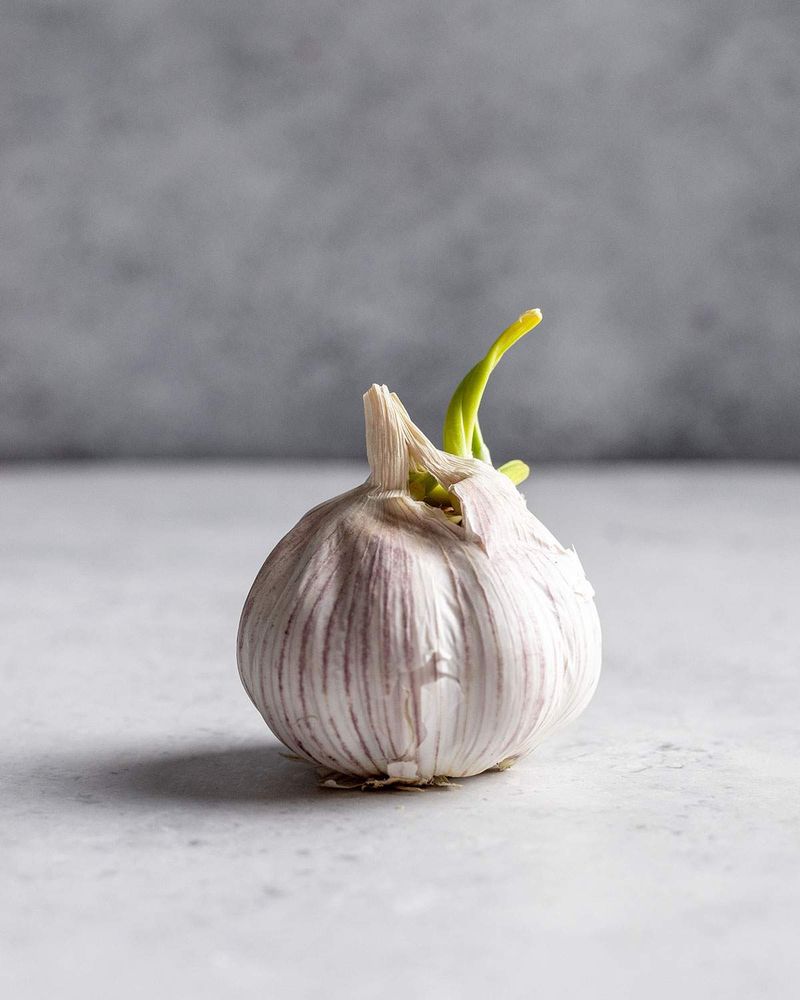
Temperature affects garlic in more than one way. Oregon State Extension reports that garlic sprouts fastest at roughly 40 to 60 degrees F.
That means a spot that feels pleasantly cool is not automatically the safest one.
Warmer rooms bring a different risk. According to UC Davis, garlic held at 68 to 86 degrees F under low humidity may stay in good condition for 1 to 2 months before turning soft, spongy, or shriveled.
Heat tends to pull moisture out of the bulb over time.
Neither pattern explains every bulb, and onions do not necessarily behave the same way. Temperature effects depend on the crop and on how long it is stored.
One more reassurance: a sprout by itself does not mean your garlic has gone bad. Oregon State’s garlic handout says sprouted garlic is still edible.
Humidity and airflow shape how well bulbs keep
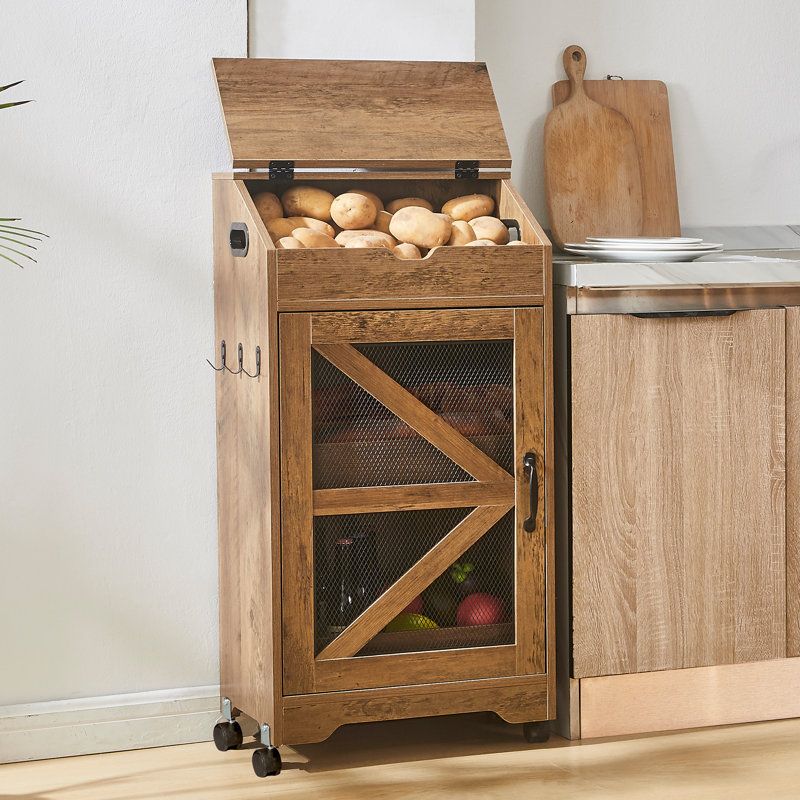
Humidity is a balancing act. Too much moisture can encourage mold and rooting, while very dry air can pull water out of bulbs and leave them shriveled, as UC Davis explains for garlic.
Dry, intact skins and moving air help bulbs stay in good shape, a point also covered in Utah State’s onion management guide.
In the humid South, damp air deserves extra attention. UF/IFAS notes that warm, humid air can cause condensation on cold onions, which is a reminder to avoid damp handling.
Try a quick walk-through of your storage spot. Is the basket near a sink, dishwasher, or stove?
Does a sunny window hit it in the afternoon? Is the air stuffy?
Any of these may add heat or moisture, though none guarantees trouble. If the spot feels dry, shaded, and breezy, it may be just fine.
Cure and sort the harvest before storing it
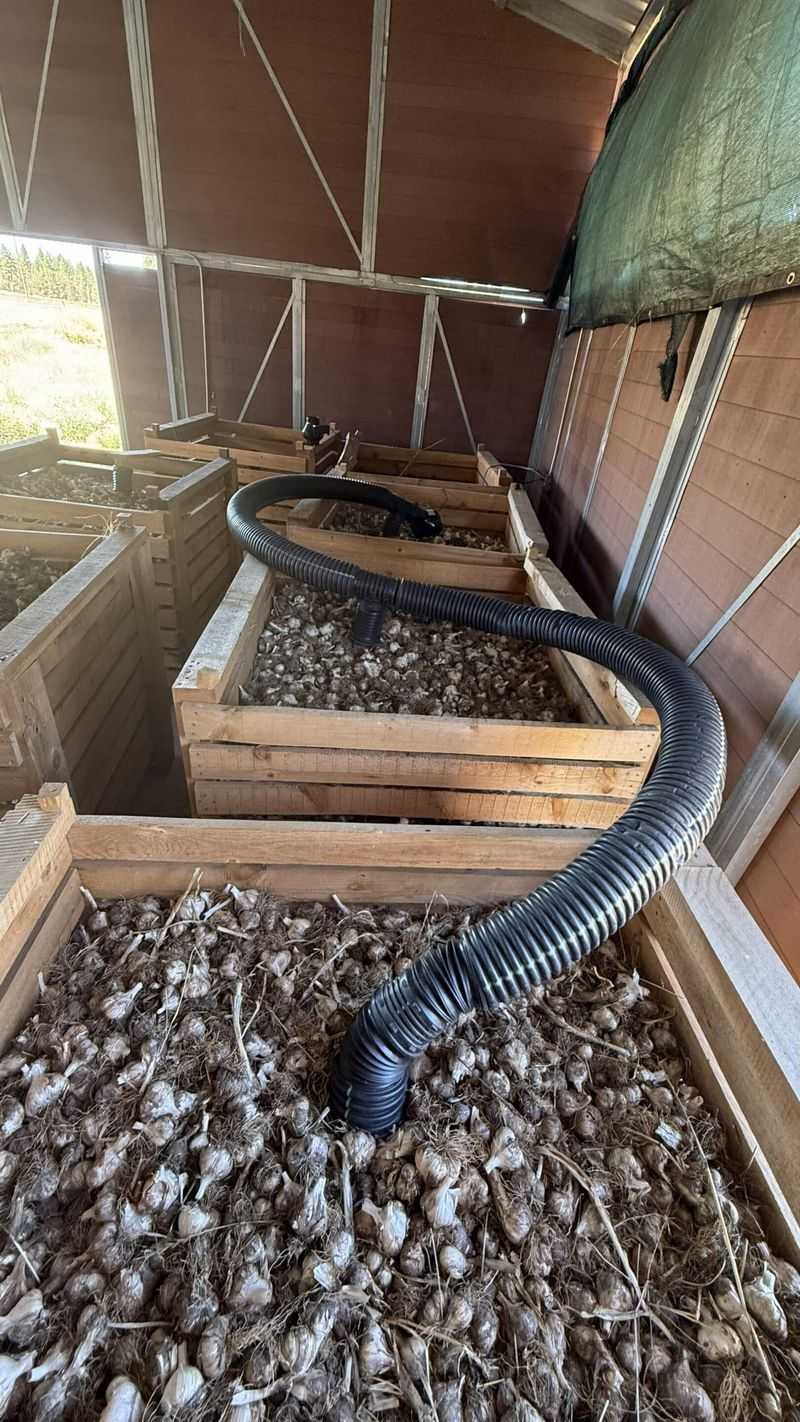
Storage starts with curing. Garlic is ready when its skins are papery and roots are dry, and Utah State Extension suggests curing it for 1 to 2 weeks in a shady, warm, well-ventilated place.
Onions usually take longer. Penn State Extension says curing can take 2 to 4 weeks, depending on conditions, until the neck and outer layers are dry.
In a humid Southern spring, expect the longer end if rain or damp air slows drying.
Once cured, sort. Set aside bruised, damaged, immature, or soft bulbs for the kitchen right away, since University of Minnesota Extension and University of Georgia Extension both stress picking sound produce for keeping.
Keep in mind that the curing spot is not the final storage spot. Warm and shaded works for drying, but finished bulbs need a different setup.
Choose a dry, shaded, ventilated home storage spot
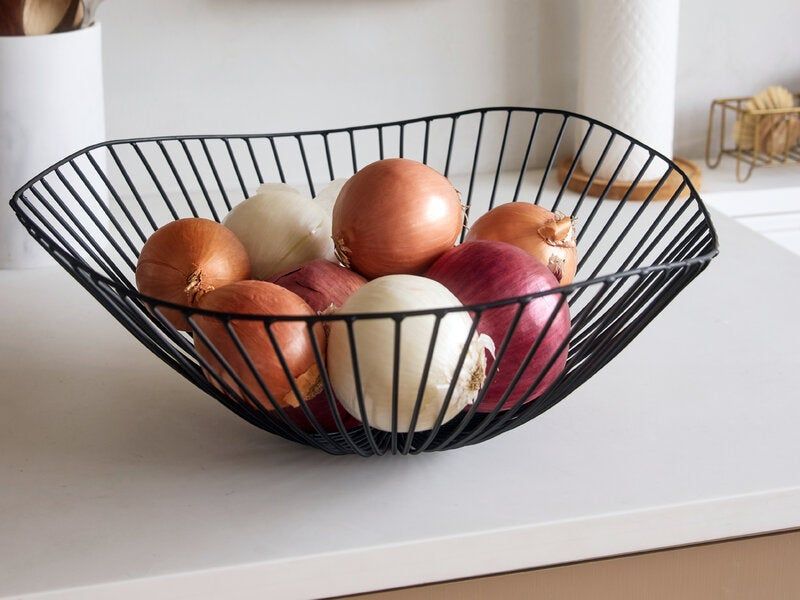
Now for the practical part. Pick a place away from the stove, dishwasher, and other heat-producing appliances, out of direct sun, and away from damp corners.
Oklahoma State Extension recommends a well-ventilated pantry area for whole garlic and onions.
Choose an open basket, mesh bag, or slatted crate instead of a sealed plastic bag, which can trap moisture. Spread bulbs out rather than piling them deep.
You may see very cold numbers in the research. UC Davis lists 30 to 32 degrees F and 60 to 70 percent humidity for long-term commercial garlic storage, and Utah State gives about 32 degrees F for onions.
Those are benchmarks for controlled storage, not household requirements.
There is no single refrigerator rule that suits every home, and no spot can guarantee long storage. Aim for dry, shaded, and breezy, then watch how your bulbs respond.
Variety and crop type set different expectations
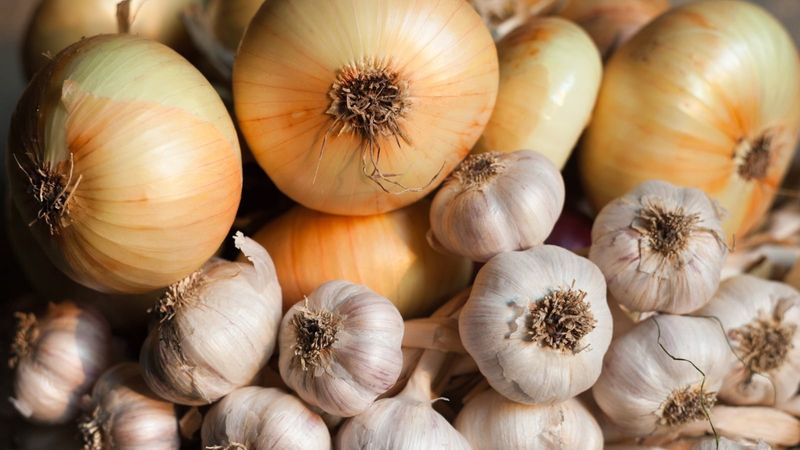
Two gardeners can follow the same steps and still get different results, because varieties differ. Texas A&M AgriLife Extension notes that mild, sweet Texas onions may keep only 2 to 3 months, which is less than more pungent storage onions.
Garlic varies too. Oregon State Extension estimates up to 9 months for softneck and about 6 months for hardneck under ideal conditions.
Treat those numbers as rough estimates, since home conditions are rarely ideal.
Here is a practical way to use this. If you grew a sweet onion, plan to use it first, and save the pungent ones and softneck garlic for later in the season.
If a sweet onion softens in the fall, that may be its normal pace rather than a sign you did something wrong.
A warm counter can shorten storage life, but variety, curing, and bulb condition help explain outcomes too.
Inspect stored bulbs and use trouble spots first
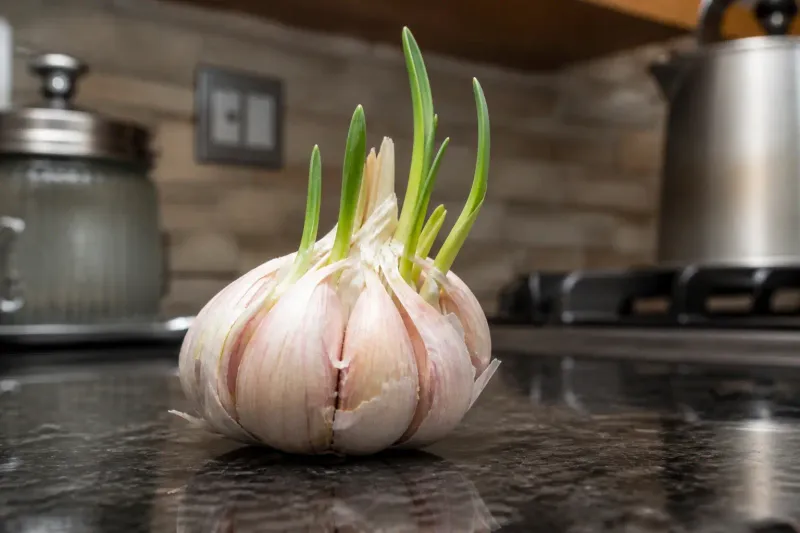
Make a habit of checking your stash every week or two. Pick up bulbs, give them a gentle squeeze, and look for dark spots, mold, or a sour smell.
Both University of Minnesota Extension and University of Georgia Extension support inspecting produce and removing pieces that begin to decay, so one bad bulb does not spoil its neighbors.
Sort what you find. Sprouted garlic is different from spoiled garlic, and Oregon State Extension says sprouted garlic is still edible.
That statement does not cover garlic with mold, decay, or soft, damaged tissue, and it should not be stretched to onions.
Use sprouting or slightly soft bulbs first and keep the firm ones for later. Dry, airy storage helps your odds, but no setup comes with a deadline guarantee.