
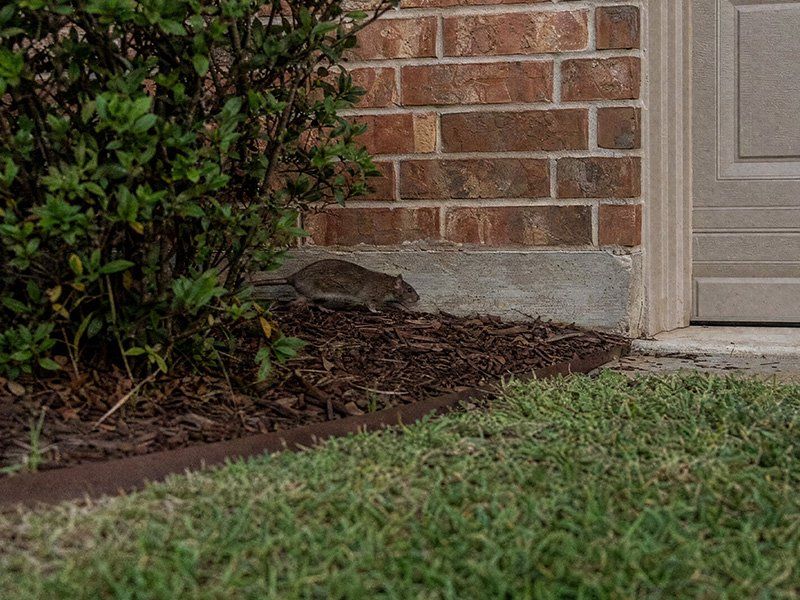
Fall cleanup is the perfect time to look at what is really going on at the edges of your garden beds. Many Central Texas homeowners worry that their mulch is helping rats and ticks get close to the house.
The real story is a bit different, and it gives you more control than blaming one bag of mulch. A few simple changes to the cover, food, and clutter around your beds can make your yard less welcoming to both pests.
Mulch itself is not the proven culprit
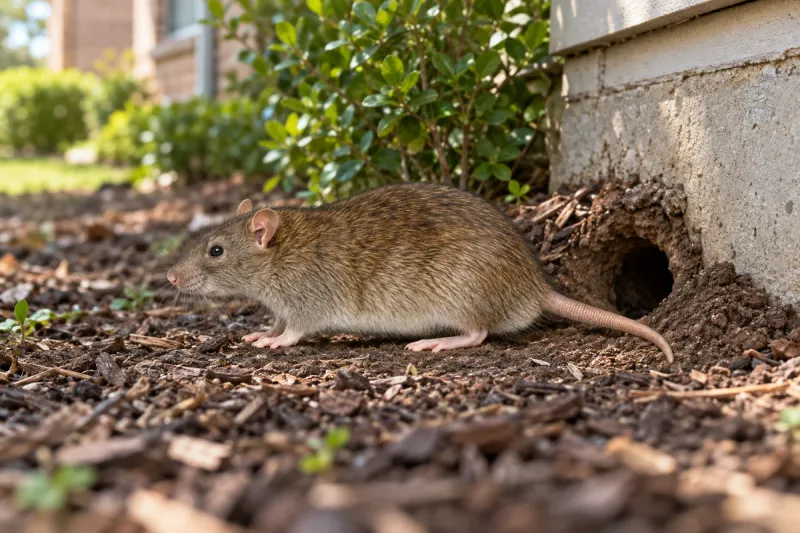
Here is the correction up front: no mulch type has been shown to attract rats or to act as a tick nursery. The sources reviewed for this article simply do not make that case.
What they do describe are the conditions around the mulch, and those are things you can change.
For rats, the University of California’s statewide IPM guidance on rats points to dense vegetation near the ground along with food, water, and shelter. Roof rats, for example, often nest aboveground in shrubs, trees, or thick plantings, so the problem is not always something hiding under a mulch layer.
For ticks, CDC prevention guidance focuses on leaf litter, tall grass, and brush near homes and lawn edges. Texas A&M AgriLife describes ticks waiting on grass and shrub edges for a passing animal or person.
Wooded edges and animal hosts also play a part.
Your concern is reasonable, and the fix is practical. You can keep mulch where it helps your plants and still trim back the cover, clutter, and food sources that matter.
No cleanup will wipe out rats or ticks, but it can reduce the habitat they like.
What makes a bed useful to rats?
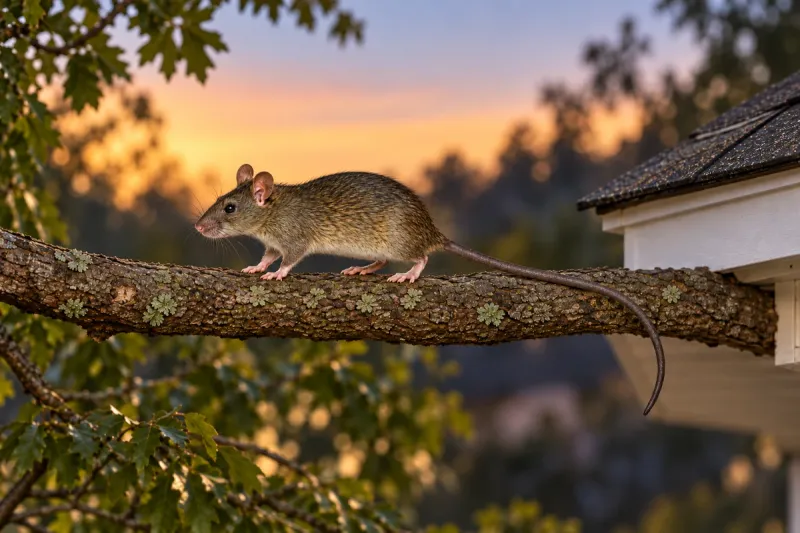
Rats look for three things: food, water, and shelter. Dense, low vegetation gives them cover to move around unseen, which is why a thick tangle of groundcover or shrubs touching the house can be more helpful to them than any particular mulch.
UC IPM’s rat guidance lays out these habitat factors clearly.
Not every rat behaves the same way. Roof rats commonly nest aboveground in shrubs, trees, or dense vegetation, so a heavy planting near a wall may matter more than the soil surface.
Picturing every rat as a mulch-bed burrower can send you after the wrong fix.
Start with what you can see. Thin out dense ground-level growth near the house so there is less hidden travel space.
Pick up fallen fruit and nuts, which is a common fall chore under Texas pecan, fig, and citrus trees.
Next, look at the easy meals. Keep compost covered and managed, and store pet food in sealed containers rather than leaving bowls out overnight.
Check for gaps where animals could get into buildings.
If you do need to deal with rats directly, CDC trapping guidance recommends snap traps around the home, with poison considered only for persistent problems. Always follow label directions and keep traps and bait away from children and pets.
Ticks favor brush, grass, and leaf litter

Ticks are not scattered evenly across a yard. They are tied to places where animals pass by and where cover keeps them from drying out.
CDC lists leaf litter, tall grass, and brush as the spots to tackle near your home and along lawn edges.
Texas A&M AgriLife adds a useful picture: ticks wait on the tips of grass and shrub edges for a host to brush past. That makes the border between a mowed lawn and an unkempt strip a spot worth a second look.
The action list is simple. Rake and remove leaf litter from around beds and along the foundation.
Keep nearby grass and weeds short, and mow regularly so the edges stay open. Pull back brush that crowds the areas where kids and pets play.
Do not assume ticks vanish when summer ends. Texas DSHS notes ticks are most active in warmer months but can still be active in fall.
That means fall yard work is a good time for a quick check of your clothes and skin afterward.
Risk is not the same in every yard. A property backing onto woods or a creek with deer and other wildlife will differ from a small, open city lot.
Also, Texas DSHS says Lyme disease is not commonly acquired in the state, so avoid assuming advice written for other regions applies here.
Keep mulch for plants, not as a pest treatment
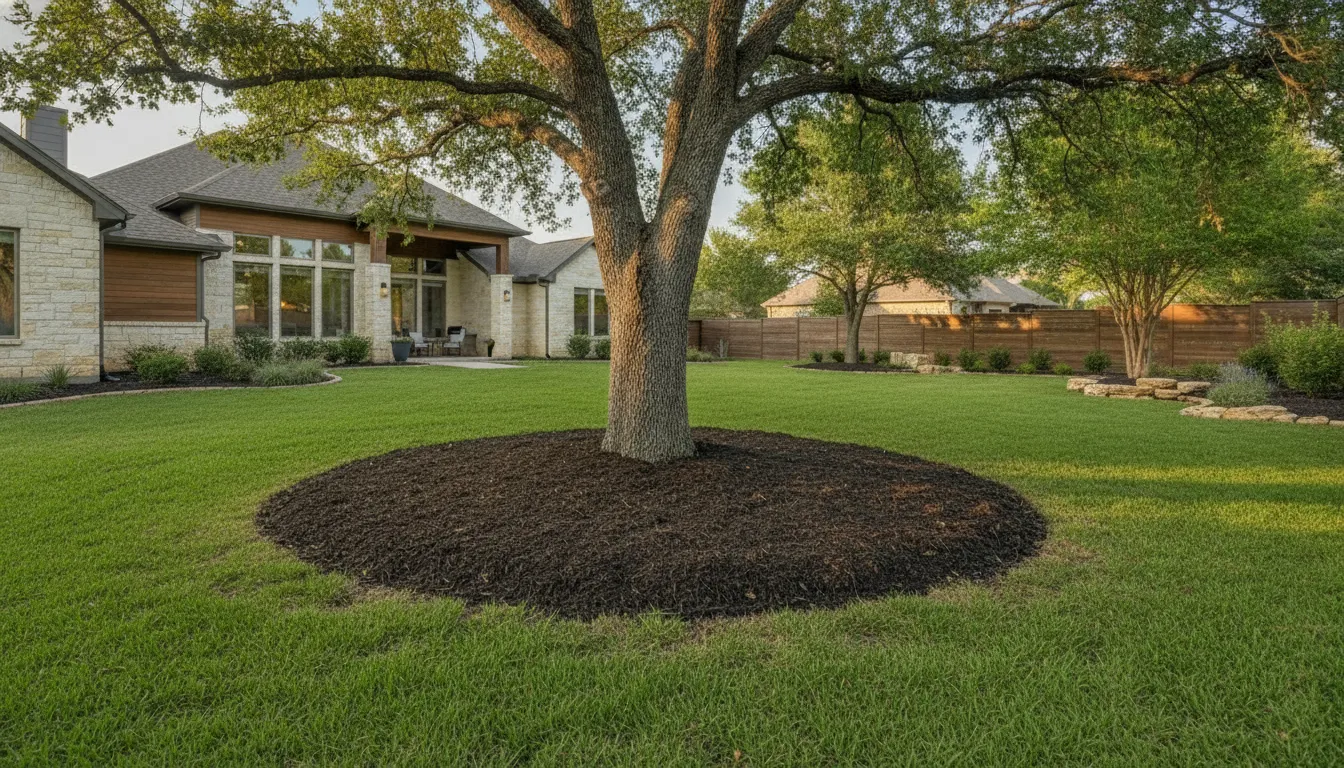
Stripping every bed bare is not the answer. Texas A&M Forest Service lists real benefits of mulch, including water conservation, weed suppression, and soil temperature regulation.
In a Texas summer of triple-digit heat and watering limits, those perks are hard to give up.
The same agency gives clear advice for trees in its mulching guidance: apply no more than 2 to 3 inches around trees, and keep it from piling against the trunk. A mound of mulch against the bark, sometimes called a mulch volcano, is a tree-care problem no matter what pests are around.
Treat that advice as plant care only. It is not a rule that a certain depth keeps rats or ticks away, and no source reviewed says so.
The depth is about healthy roots and trunks.
So how do you use this in fall? Refresh thin spots, pull mulch back from trunks and from the base of the house, and rake out any matted, soggy piles.
Skip the urge to blame one material for pest trouble.
Put your effort into the surroundings instead. Open up the dense growth, clear leaf litter, and remove food sources near the beds.
The mulch can stay and keep doing its job.
Could a gravel or wood-chip border help?
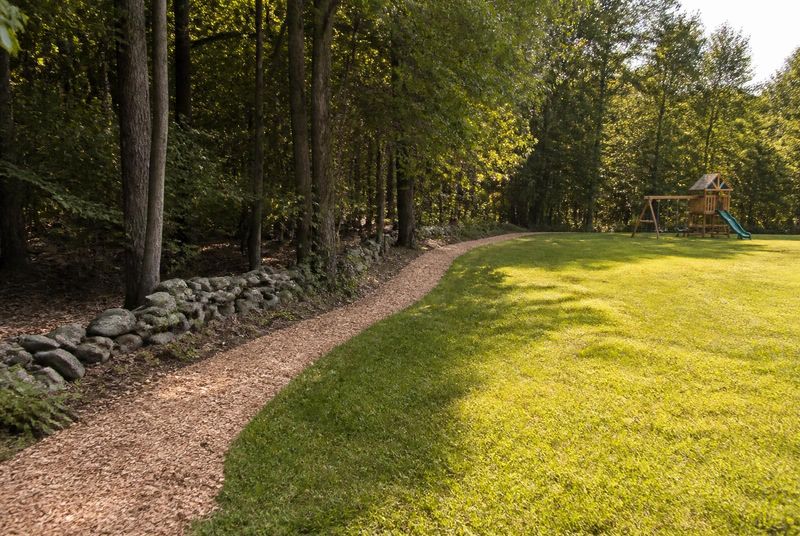
You may have heard that a strip of gravel or wood chips keeps ticks out. The idea comes from CDC prevention guidance, which suggests a 3-foot barrier of wood chips or gravel between wooded areas and recreational areas.
Its purpose is to restrict the movement of blacklegged ticks from the woods into the places where people spend time.
That scope is narrow. The advice is aimed at blacklegged ticks, not every tick species found in Texas.
It does not show that a border will control ticks in every Central Texas yard, and it will not remove ticks or stop bites.
It also is not a treatment for a flower bed. Texas A&M AgriLife points to brushy areas and grass or shrub edges as places where ticks are encountered, but that does not make a chip border a proven fix for a typical bed.
If your yard backs onto woods, a border may be a reasonable option to consider alongside the basics. Think of it as one small piece of a bigger plan.
Keeping grass short, clearing leaf litter, and cutting back brush still do most of the everyday work.
Skip any promise that a gravel swap will solve a pest problem. CDC also says pesticides should not be relied on alone, so layer your steps and keep expectations realistic.
Make fall cleanup about opening the edges

Think of fall cleanup as opening up the edges, not emptying the beds. Rake out leaf litter, pick up fallen fruit and nuts, and thin dense low growth that hugs the house, as UC IPM suggests for rat cover.
Secure pet food and compost, and keep grass and weeds short near beds, following CDC advice.
Keep the mulch that is working, and follow the 2 to 3 inch tree guidance away from trunks. Stay alert afterward, since Texas DSHS says ticks can remain active in fall.
A mulch swap will not solve a pest problem, but a tidy edge gives pests fewer places to settle.