
A brush against a mint leaf can make a November patio smell fresh in seconds. Florida’s cooler fall weather gives many fragrant herbs a welcome break from summer heat, making this a good time to refresh pots and borders.
Although these plants are often called rat repellents, there is little evidence that growing them keeps rats away. Enjoy their scents while tackling the things that actually attract rodents: spilled seed, fallen fruit, open trash, and easy shelter.
1. Peppermint
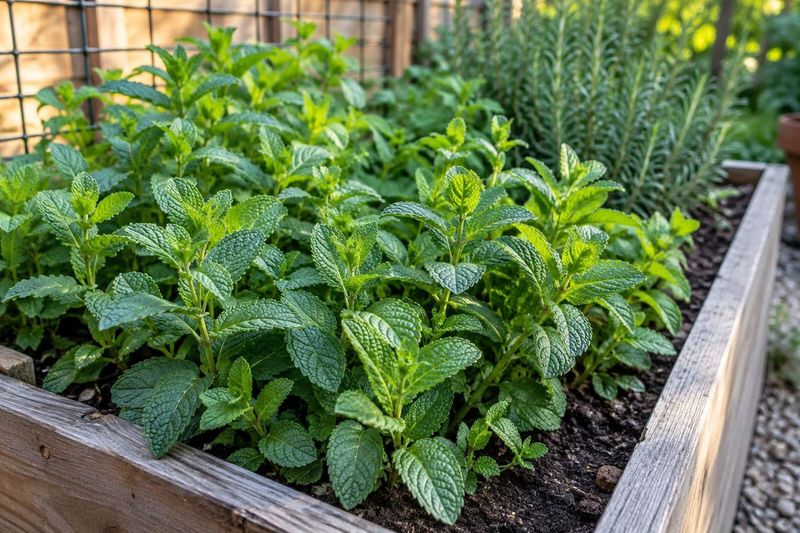
Brush a few leaves on your way to the porch, and that familiar minty smell follows you inside. Peppermint offers one of the boldest scents on this list, especially when its leaves are gently rubbed or picked for tea.
It also sits at the center of many rodent-repellent claims. Concentrated peppermint preparations have been studied in limited settings, but a living plant does not release the same dose, and a pot beside the door is not a reliable rat barrier.
For a Florida November planting, choose a container with drainage holes and give it morning sun with some afternoon shade. Keep the soil evenly moist rather than soggy, checking more often during warm, windy spells.
Containment matters because mint spreads through creeping stems and can crowd nearby plants. Set the pot on a stand or paved surface, trim wandering growth, and harvest often for a bushier shape.
Use it near an outdoor sitting area where you can enjoy the fragrance. Keep nearby birdseed and pet food secured, since those rewards matter far more to rats than mint leaves.
2. Rosemary
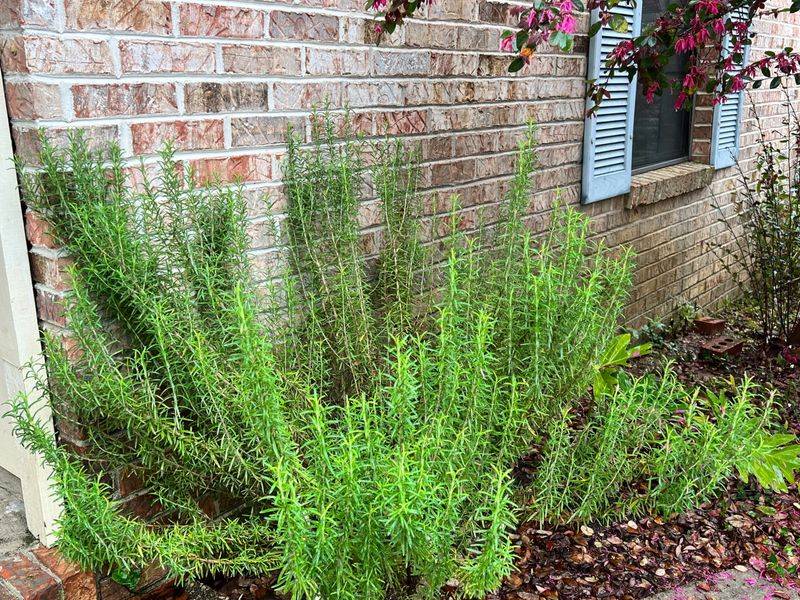
A sunny front step deserves a plant that smells as good as Sunday dinner. Rosemary brings a pine-like, savory fragrance and a neat evergreen shape, giving a Florida entry some structure when summer flowers begin to fade.
November is a useful time to establish it because milder temperatures reduce stress. Choose a spot with at least six hours of sun and excellent drainage, especially where heavy rain can leave the ground wet.
A container is often easier than a low garden bed. Use a loose potting mix, keep the drainage holes clear, and let the upper soil dry somewhat before watering again.
Its aromatic oils explain why rosemary appears on homemade pest-deterrent lists, but planted shrubs have not been shown to keep rats out of yards. Avoid turning a row of rosemary into a thick hiding place against the house.
Instead, leave room to inspect behind the plants and prune lightly for an open shape. Clip a sprig for roasted vegetables, and let the shrub earn its space through scent, looks, and kitchen usefulness.
3. Lavender
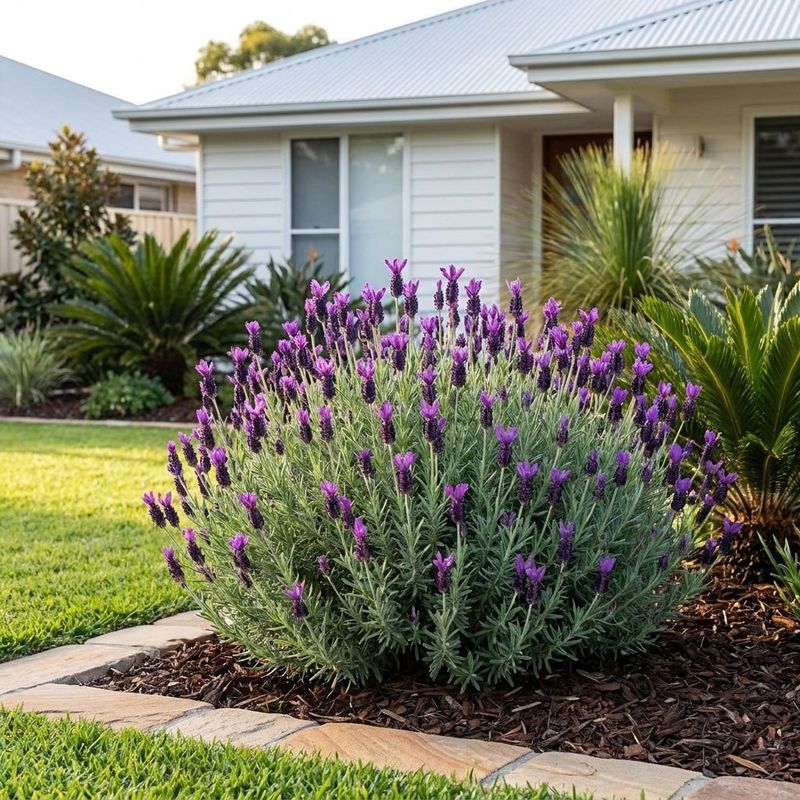
Silvery leaves can brighten a patio even before the purple flowers arrive. Lavender adds a soft floral-herbal scent, but it deserves a careful placement in Florida rather than a promise of effortless growth.
Humidity and wet roots are its biggest hurdles. Spanish lavender, Lavandula stoechas, is often a more practical choice for a cool-season container display than English lavender, though success still depends on your location and care.
Give it strong sunlight, moving air, and a pot with fast drainage. Keep it away from sprinklers that wet the foliage each day, and do not assume that sandy ground drains well if the site stays saturated after rain.
November offers a gentler growing window, particularly in North and Central Florida. In warmer parts of the state, treat lavender as an experiment rather than a guaranteed long-lived shrub.
The fragrance is pleasant to people, but evidence that a lavender plant repels garden rats is lacking. Place it where you can appreciate the leaves and flowers, not where you need dependable rodent protection.
4. Lemongrass
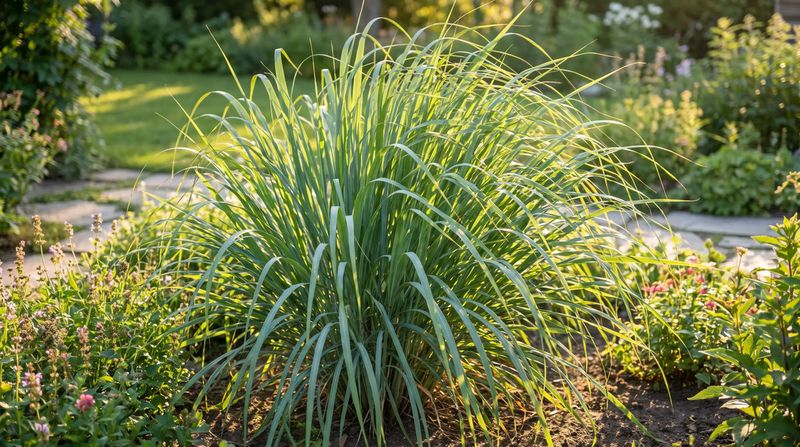
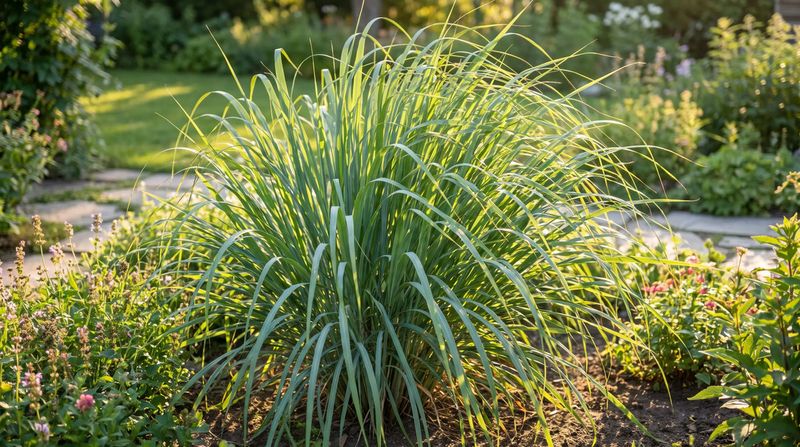
For a citrus scent with a bigger visual presence, look beyond the little herb pots. Lemongrass forms a fountain of narrow leaves, making it useful as a bold accent beside a sunny Florida patio.
Choose culinary lemongrass, Cymbopogon citratus, if you also want stalks for cooking. Its lemon fragrance becomes strongest when the foliage is handled or cut, rather than drifting constantly across the yard.
South Florida gardeners can usually keep it growing through November. In North Florida, frost can damage the foliage, so a movable container offers more flexibility than an in-ground planting.
Provide plenty of sun, steady moisture, and room for the clump to widen. A large, stable pot works well, but old blades should be removed carefully because their edges can be sharp.
Despite claims about aromatic grasses, a lemongrass clump is not a proven rat deterrent. Dense, neglected growth can actually offer cover, so thin dead material and leave a visible gap between the plant and your home.
Its real payoff is an attractive tropical shape plus fresh flavor for soups and broths.
5. Lemon Thyme
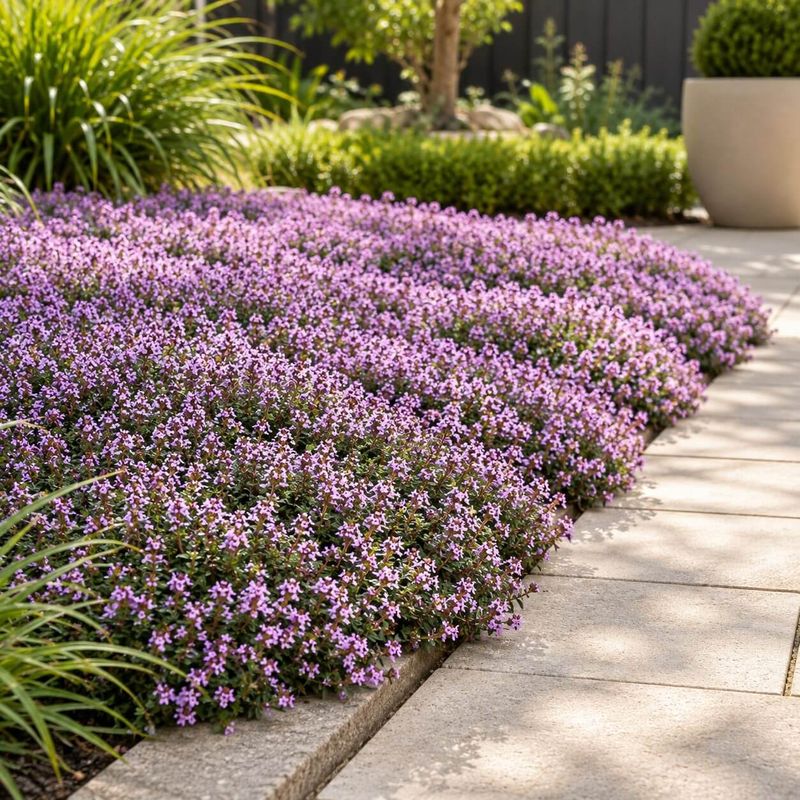
Small spaces can carry plenty of fragrance. Lemon thyme tucks a bright citrus note into tiny leaves, making it a useful choice for a sunny tabletop planter or the front edge of an herb display.
Unlike tall lemongrass, it keeps a low profile. That makes it easier to enjoy close up and easier to inspect around, without creating a wall of foliage beside a doorway.
Florida’s milder November conditions suit a trial planting better than the steamy summer months. Give lemon thyme good sunlight and sharp drainage, and keep it separate from thirsty herbs that need constantly damp soil.
In a container, water thoroughly when needed, then allow some drying before the next watering. Avoid burying the crown under mulch or crowding it beneath larger plants that block airflow.
Its scented oils sometimes earn it a place on pest-repellent lists, but there is no solid basis for relying on the living plant to stop rats. Grow it for the pleasant leaves and tidy habit instead.
Snip a little for vegetables or fish, leaving enough leafy growth for the plant to recover.
6. Garden Sage
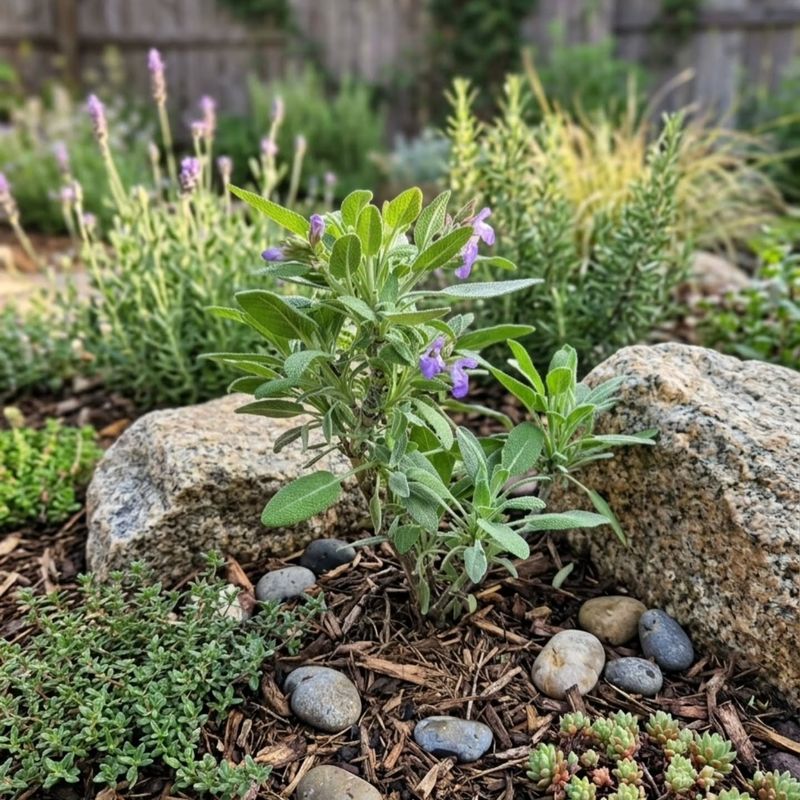
Holiday cooking gives this herb an easy reason to earn a place near the kitchen door. Garden sage has soft gray-green leaves and a warm, earthy aroma that stands apart from the sharper mint and citrus scents in this list.
Buy culinary sage, Salvia officinalis, rather than assuming every ornamental salvia has the same flavor or uses. A small nursery plant gives you a quicker November display than starting from seed.
Florida gardeners should focus on drainage and air movement. Full sun usually works well during the cooler season, while a container lets you manage moisture more closely than a damp bed.
Water at soil level and avoid leaving the roots wet for long periods. Humid summers can be difficult, so consider sage a rewarding cool-season herb even if it does not become a permanent yard fixture.
Its strong smell is not proof of rodent control, and a living sage plant should not replace sealing gaps or removing food sources. Harvest modestly, skip heavy pruning into bare woody stems, and enjoy a useful herb with an appealing silver finish.
7. Sweet Basil
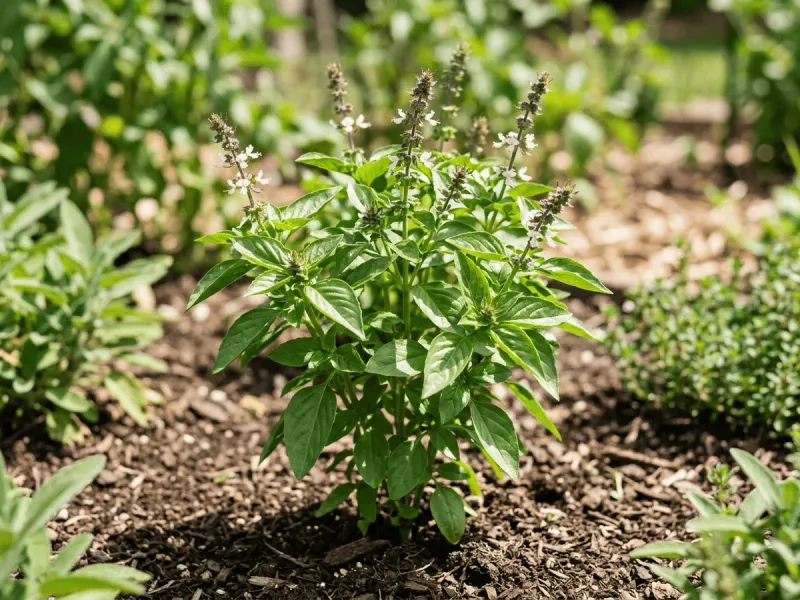
On a warm November afternoon in South Florida, fresh basil still feels right at home. Its sweet, slightly spicy fragrance makes an outdoor meal feel special, and regular picking gives you an immediate kitchen reward.
Sweet basil, Ocimum basilicum, is best treated according to your part of the state. Southern gardens can often keep it productive in fall, while North Florida gardeners need to watch for chilly nights and frost.
Choose a sunny position and a pot filled with well-draining mix. Water when the surface begins to dry, directing water toward the roots rather than repeatedly soaking the leaves.
Pinch the growing tips to encourage branching. Removing flower buds helps keep leaf production going, although allowing a separate plant to bloom can provide food for visiting pollinators.
Claims that basil sends rats packing go beyond the evidence for plants growing outdoors. Its scent does not cancel out the attraction of fallen tomatoes, open compost, or pet food.
Keep the area tidy and enjoy basil for what it reliably delivers: fragrant foliage, fast growth during suitable weather, and plenty of flavor.
8. Lemon Balm
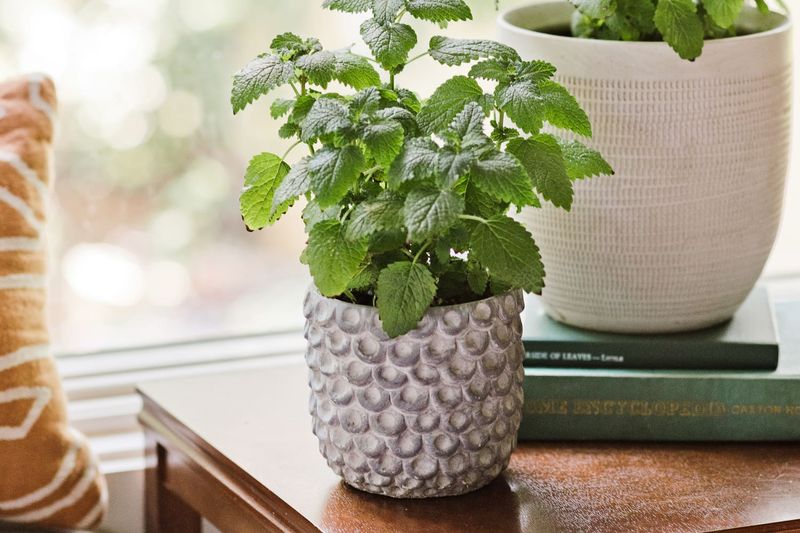
A leaf rubbed between your fingers releases a lemony scent without a single fruit in sight. Lemon balm offers a softer, sweeter fragrance than peppermint, making it a pleasant addition near a favorite porch chair.
Cooler fall weather provides a useful growing window in Florida, especially where the plant struggles through summer heat. Morning sun and afternoon shade are a sensible starting point, with adjustments based on your local conditions.
Use a separate container filled with a moisture-holding but well-draining mix. Lemon balm belongs to the mint family and can spread, so a pot makes its growth easier to manage.
Trim it regularly to keep the plant leafy, and remove unwanted seedlings if it flowers and sets seed. Do not let a thick tangle develop around stored garden supplies or along a fence.
Like the other herbs here, lemon balm has no well-established role as a living rat barrier. The lemon smell is a benefit for you, not a substitute for pest management.
Harvest clean leaves for tea or fruit dishes, using only plants you have positively identified and grown for edible use.
9. Rose-Scented Geranium
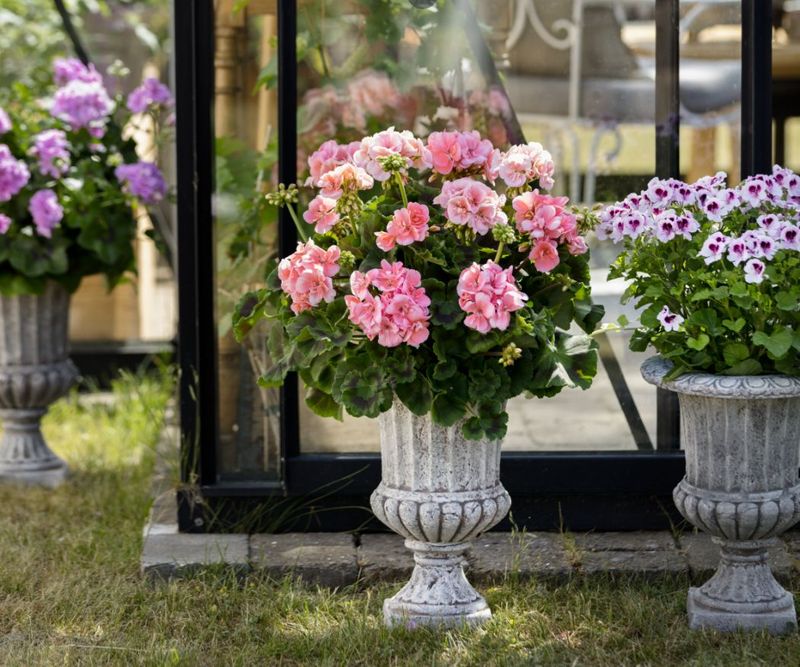
Not every fragrant garden needs to smell like dinner. A rose-scented geranium adds a floral note through its leaves, with textured foliage that looks attractive even when flowers are scarce.
Look for a clearly labeled rose-scented Pelargonium, since scented geraniums come in several fragrances. The familiar mosquito-plant label does not establish reliable mosquito control, and it certainly does not prove protection against rats.
For a Florida November display, start with a container in bright light and morning sun. Give it afternoon relief if your patio stays hot, especially in the southern part of the state.
Let the upper potting mix dry somewhat between waterings, and pinch the tips to encourage fuller growth. Shelter it from frost in North Florida, and avoid keeping the foliage crowded or constantly wet.
Keep plants away from pets that chew leaves, since Pelargonium can be toxic to cats and dogs. Place the pot where people can gently touch the foliage and enjoy its fragrance.
Finish your planting refresh by securing trash, collecting fallen fruit, and checking for rodent entry points. Those steps provide protection that fragrant plants cannot promise.