
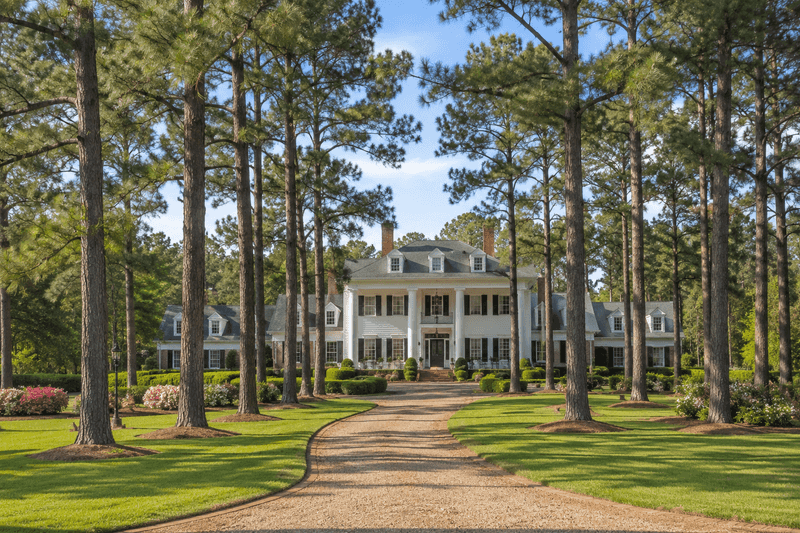
After dark, an owl may be watching your yard while you are watching TV. These quiet hunters eat rats, mice, and other small animals, and native trees give them places to rest and scan for prey.
The right tree can also add shade, shelter wildlife, and make your yard more inviting. These seven Florida natives offer different benefits, though planting one cannot guarantee an owl will move in.
1. Southern Live Oak
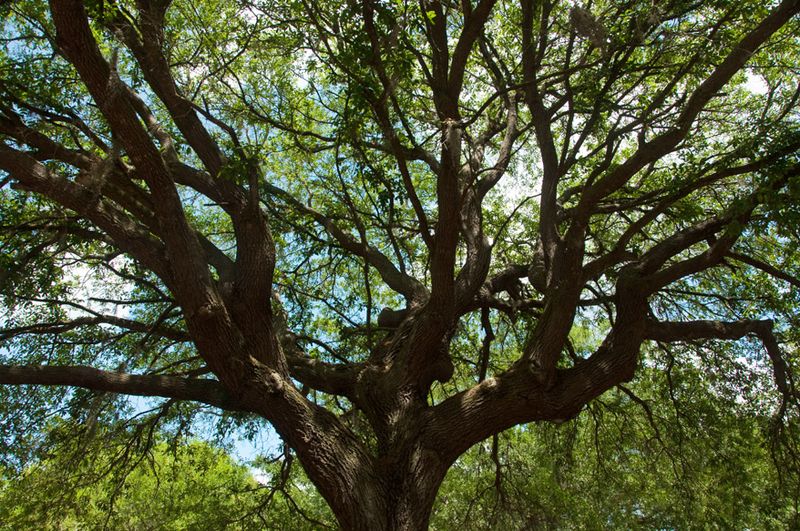
A broad, sturdy branch makes a fine lookout for a bird that hunts by watching and listening. Southern live oak, Quercus virginiana, develops a spreading crown with large limbs that offer many possible resting and hunting spots.
Its greatest advantage is staying power. A healthy oak can serve generations of wildlife, while older trees may develop cavities that eastern screech-owls can use if the openings and surrounding habitat suit them.
Plan for a giant, not a tidy corner tree. Live oaks commonly reach 40 to 80 feet tall and can spread wider than their height, so keep them well away from roofs, utilities, and cramped planting strips.
Choose a sunny location with room for roots, and water regularly while the tree becomes established. Keep mulch away from the trunk and avoid piling soil over existing roots.
If your yard already has a mature oak, protecting it may offer more immediate value than planting anything new. Have a qualified arborist assess questionable limbs rather than stripping out every branch that looks old.
2. Longleaf Pine
For a dry, sandy property, a tall pine can fit the site better than a thirsty shade tree. Longleaf pine, Pinus palustris, belongs to Florida’s native upland landscapes and offers elevated branches with views across open ground.
That open structure is its special strength here. An owl using an exposed limb can watch the edge between trees and a clearing, although hunting success depends on prey, nearby cover, and the species of owl.
Give longleaf pine full sun and plenty of space. Mature trees often reach 60 to 80 feet or more, making them better choices for larger yards than narrow spaces between houses.
Young plants pass through a grass stage, when they look more like a tuft of needles than a tree. That slow-looking beginning is normal, so buy healthy nursery stock and resist adding fertilizer just to force height.
Keep lawn equipment away from the trunk, and do not cut off the growing tip. Planting a longleaf is a long-term habitat project, not a quick way to install an owl perch.
3. Slash Pine
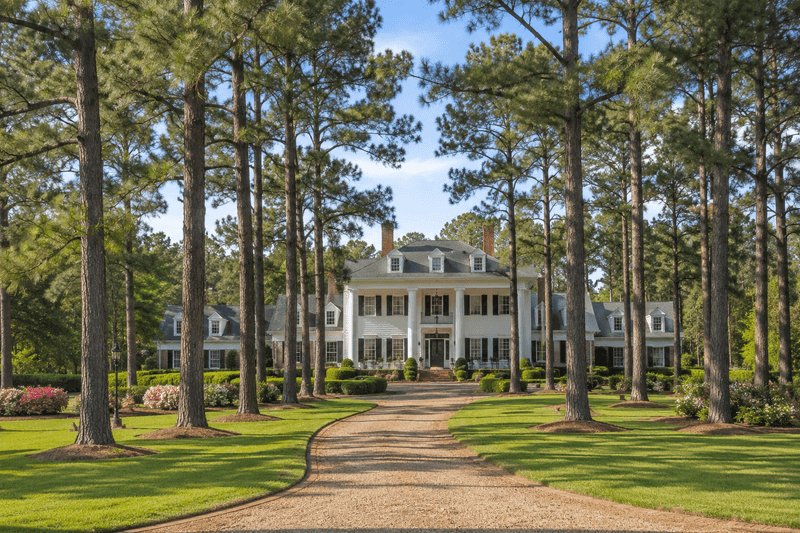
Not every Florida yard is high and dry. Where sandy soil stays seasonally moist, slash pine, Pinus elliottii, may be a better match than longleaf pine, provided you choose stock suited to your part of the state.
This fast-growing native creates height and a branching crown that owls may use for resting or surveying nearby openings. Existing mature pines offer those benefits now, while young trees need years to develop useful size and structure.
Expect a large tree, commonly around 60 to 80 feet tall. Place it in full sun with generous clearance from buildings and overhead wires, and avoid treating its planting spot like a heavily watered lawn.
Established pines can suffer when construction cuts their roots or changes the soil level around them. Protect the root area during driveway work, fence installation, and other yard projects.
Before storm season, have a qualified arborist check trees showing fresh lean, root movement, or major damage. Keeping a suitable pine is helpful habitat work, but retaining an unsafe tree is not necessary to welcome wildlife.
4. Bald Cypress
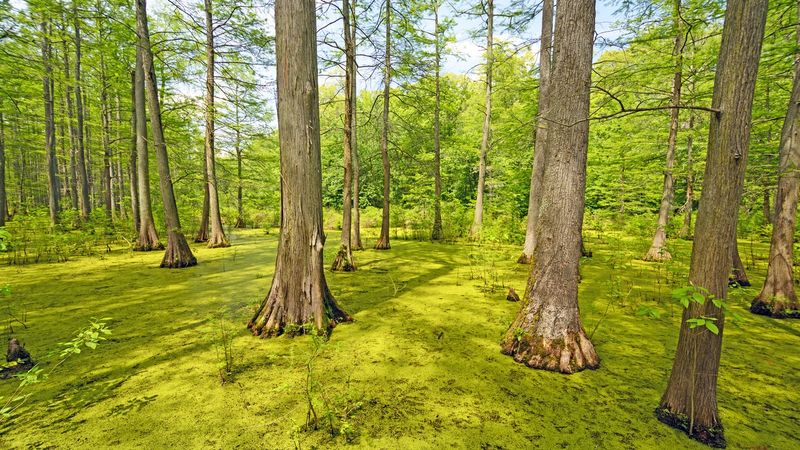
A low spot that stays damp can become an asset instead of a planting headache. Bald cypress, Taxodium distichum, handles wet ground and periodic flooding, making it useful where many familiar yard trees struggle.
Its value for owls comes partly from location. A mature cypress near wooded freshwater habitat can provide perches in the kind of landscape barred owls often use, though a single tree cannot replace a larger woodland.
Allow room for a tree that may reach 50 to 70 feet or more. Full sun supports good growth, and a naturally moist planting site reduces the need to fight the conditions you already have.
Near wet soil, cypress roots may produce knees that interrupt a smooth lawn. Keep the tree away from tight walkways and use a mulched or planted area beneath it rather than expecting easy mowing.
The feathery foliage turns rusty brown and drops in fall, which is normal for this deciduous conifer. Skip landscape lighting aimed into its branches so any nighttime visitors have a darker, quieter resting place.
5. Southern Magnolia
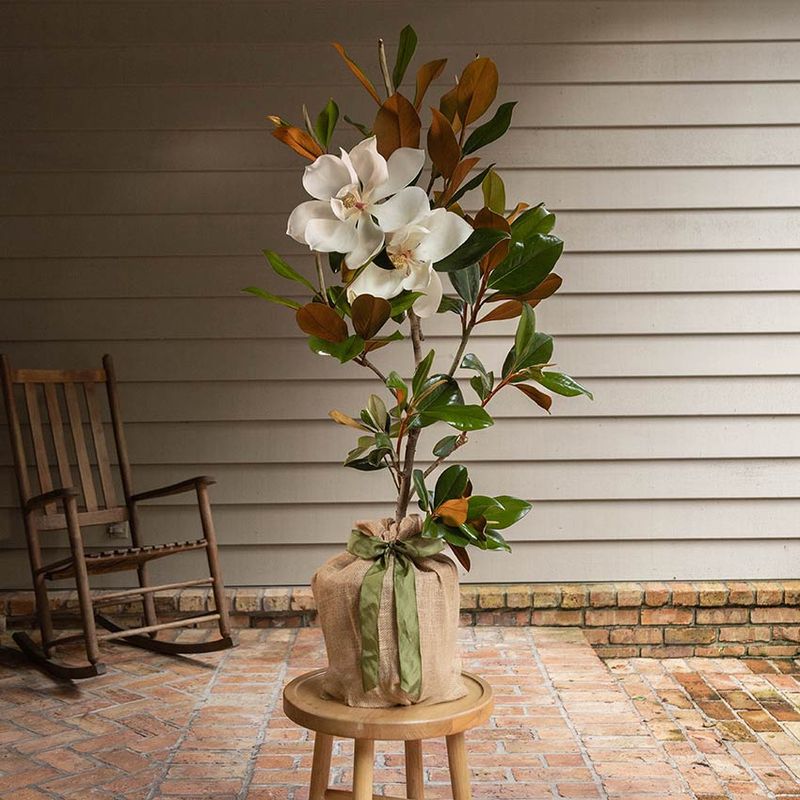
Sometimes a bird needs a hiding place more than a clear view. Southern magnolia, Magnolia grandiflora, brings dense evergreen foliage that can shelter a resting owl from sun, wind, and unwanted attention during daylight.
Think of this choice as cover first and a hunting lookout second. Its leafy interior serves a different role from the open branches of a pine, especially in a yard that already has clear edges where owls can hunt.
The species is native to North and Central Florida, with local suitability worth checking before planting farther south. Full-size trees commonly grow 60 to 80 feet tall, while named cultivars vary greatly in size.
Choose moist, well-drained, preferably acidic soil and allow space for low branches. Avoid limbing up the tree simply to fit lawn beneath it, since that removes much of its sheltered character.
Large leaves and seed pods create steady litter, so place it where a mulched bed looks natural. If you discover a roosting owl, watch from a distance and keep pets away rather than approaching for a photograph.
6. Red Maple
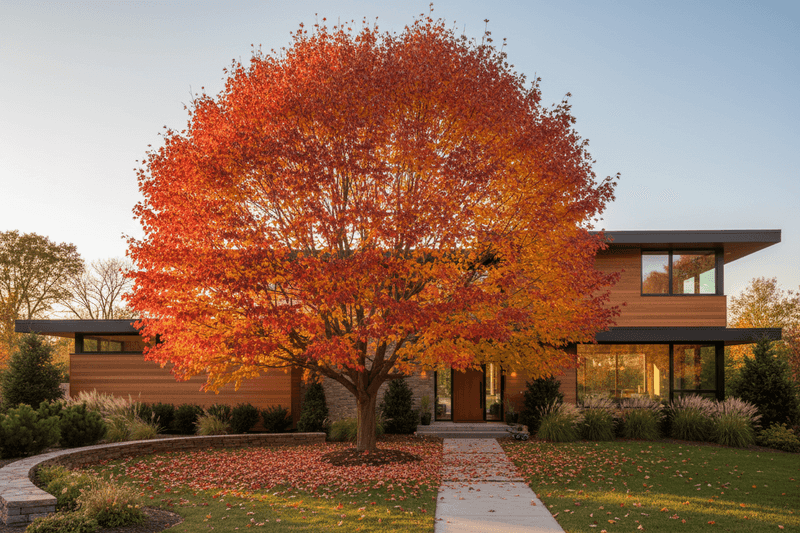
Color and wildlife value can share the same planting spot. Red maple, Acer rubrum, adds red flowers, winged seeds, and sometimes bright fall leaves while building a branching canopy that birds can use.
For this list, its useful niche is a moist yard that needs a deciduous shade tree rather than an evergreen screen. Owls may perch in mature branches, and suitable cavities can develop as trees age, but neither use should be assumed.
Florida-grown nursery stock is a smart starting point because red maple occurs across a wide geographic range. Ask your county Extension office about local performance, especially in southern counties or where irrigation water and soil are alkaline.
Plant in sun to partial shade with enough space for a tree commonly reaching 40 to 60 feet. Avoid hot, dry pockets of deep sand unless you can meet its moisture needs.
Surface roots may become a nuisance beside pavement, so choose the location carefully. Early structural pruning can help develop sound branching without the severe cutting that weakens a tree and removes potential perches.
7. Sweetgum
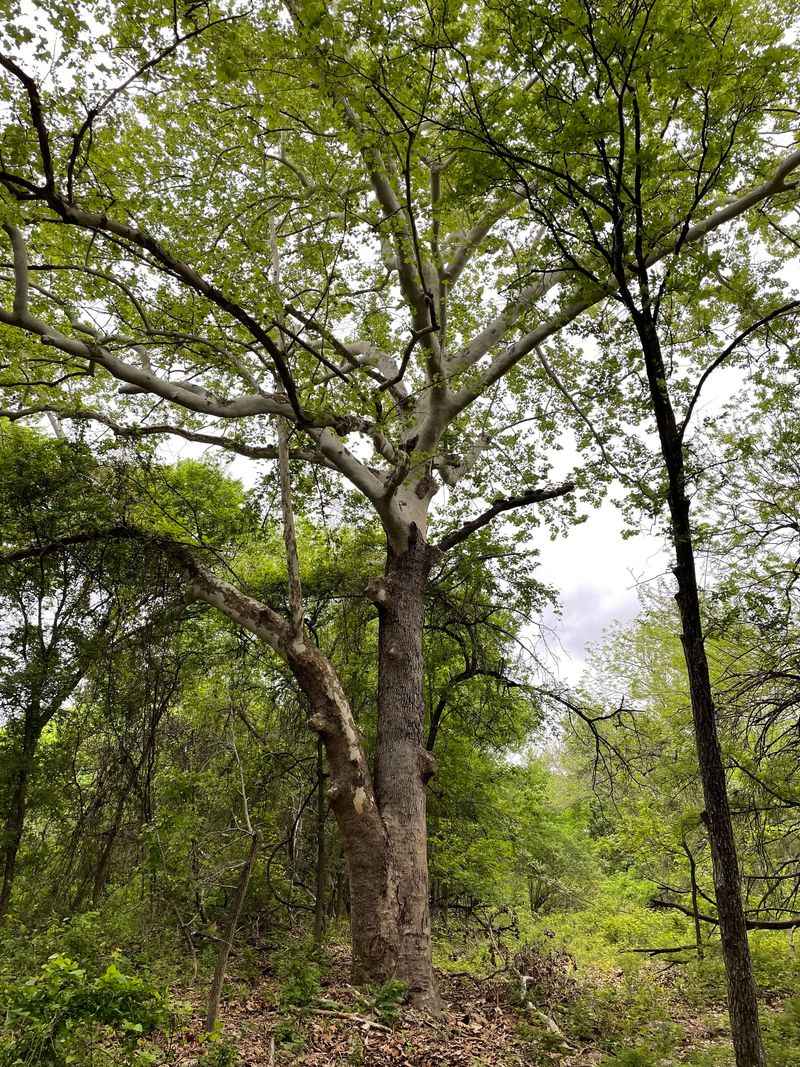
Those prickly seed balls deserve an honest warning before you plant. Sweetgum, Liquidambar styraciflua, is best placed along a roomy yard edge, not over a patio, pool deck, or barefoot shortcut.
In the right location, this North and Central Florida native offers a tall deciduous canopy and long-term wildlife value. Older trees can develop cavities, including openings that may suit small cavity-nesting birds such as eastern screech-owls.
Give it sun and moist, well-drained soil, with room for a mature height of roughly 60 to 80 feet. A broad planting bed makes fallen leaves and seed balls easier to tolerate than they would be in a closely groomed lawn.
Keep any cavity-bearing tree only when its condition and location allow it safely. Ask an arborist to assess decay near buildings or busy areas, and never reach into a hole to check for wildlife.
Whatever tree you choose, avoid rodent poisons that can harm owls through poisoned prey. Darker nights, protected habitat, and patience matter more than trying to lure a bird with food or recorded calls.