
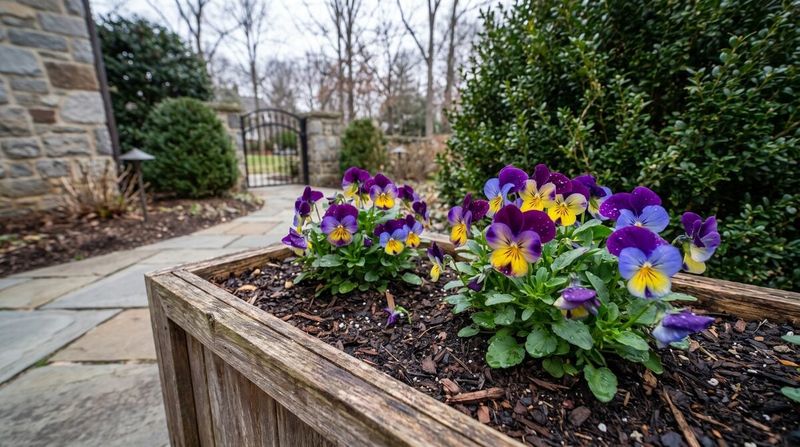
Pansies can brighten a North Carolina yard all winter, but cold snaps test them. A few simple checks before a long stretch of freezing weather can help your plants head into it in better shape.
Soil moisture and mulch matter, though they are only part of the story. Here is what to look at this November, and what no chore can promise.
November is a useful window, not a guarantee
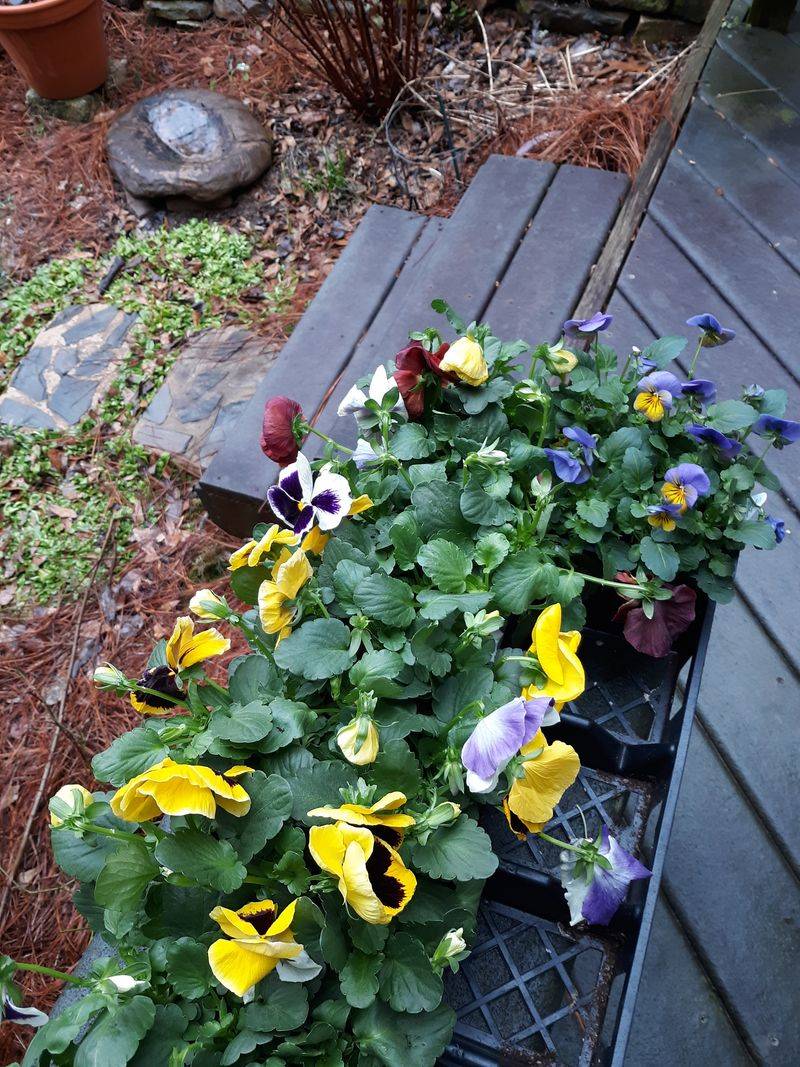
Late fall is when many North Carolina gardeners look at their pansies and wonder how they will handle the cold ahead. It is a good moment to check on them, because winter weather can arrive quickly and plants do better when they are ready.
Still, no single November chore decides whether pansies live or keep flowering.
Timing of planting matters too, and it is a separate question from winter prep. Richmond County Extension gives late October to early November as the best planting window for its area.
That is a local recommendation, not a statewide deadline, and the mountains, Piedmont, and coast all have different cold patterns. Plants set out too late may not establish before winter, which can make them less ready for freezing weather.
In eastern North Carolina, Pamlico County Extension notes that pansies are commonly planted from late October through November. So if yours went in recently, they may still be settling in.
Think of the steps in this article as ways to support your plants. Watering when needed, using suitable mulch, and choosing a good site can all help, but none of them can guarantee survival or nonstop blooms.
Water before prolonged cold only when the soil needs it
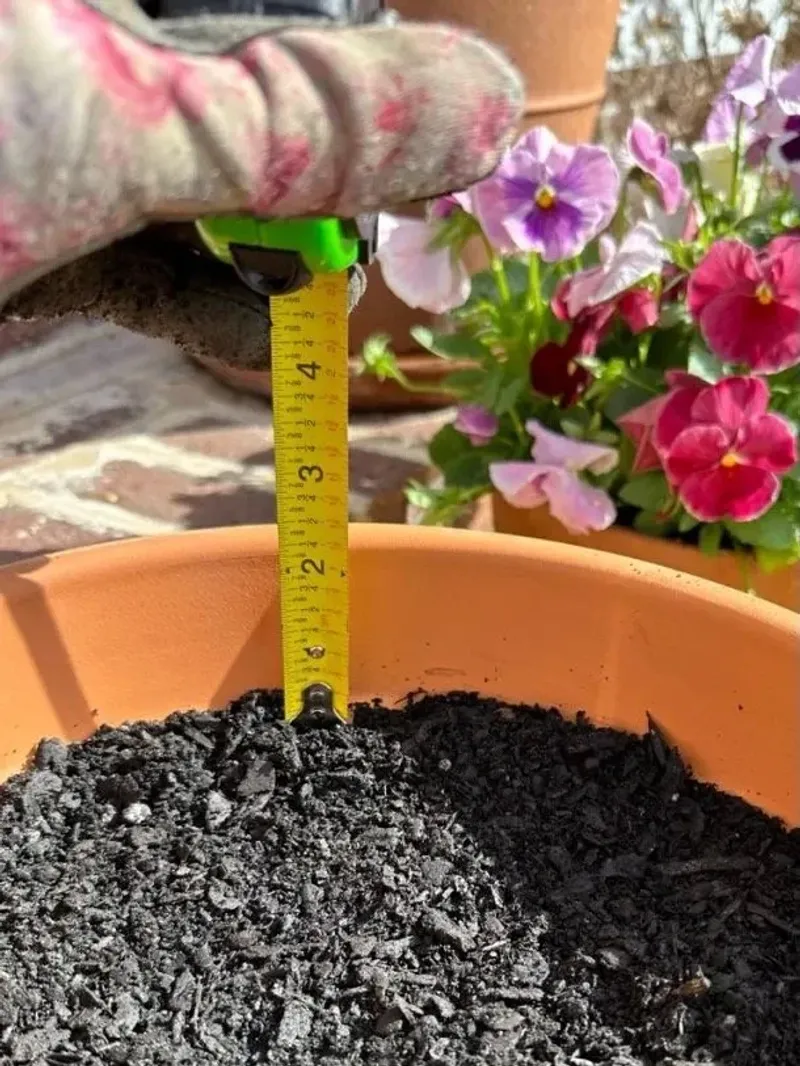
Before a long cold spell is forecast, press a finger into the soil of your pansy beds and containers. If it feels dry a couple of inches down, give the plants a drink.
That is the core step recommended in Pamlico County Extension guidance, which advises watering beds and containers ahead of prolonged cold when they need it.
Winter watering should follow the weather, not a summer-style calendar. Cooler air means plants use less water, and rain may already be doing the job.
Pamlico Extension offers a rule of thumb: if less than an inch of rain fell in a week, a dry bed may need help. Containers dry out faster than ground beds, so check them more often.
More water is not better. Pansies do poorly in soggy soil, so let a wet bed drain and skip the hose.
Water in the morning when you can, because Richmond County Extension cautions against late-day watering that leaves leaves wet overnight. If the soil is already damp and rain is on the way, the best move may be to do nothing at all.
Mulch can buffer roots, but the material matters
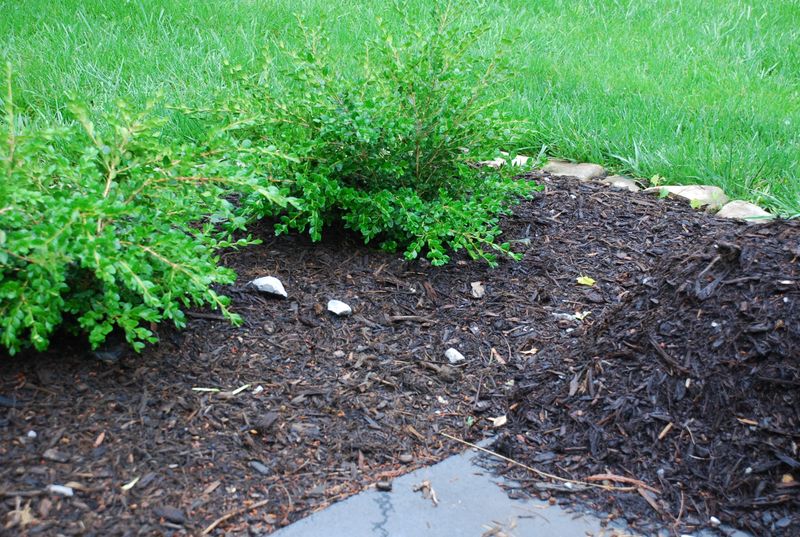
A layer of suitable mulch may help hold moisture in the soil and insulate pansy roots. According to Richmond County Extension, mulch is a useful tool for pansy beds.
Spread it around the plants, not over them, so the crowns stay open to air and light.
The material you choose is important. The NC State Extension Gardener Handbook warns that pine straw around pansies can reduce growth and flowering.
For that reason, pine straw should not be your everyday mulch for North Carolina pansies. A thin layer of a finer material kept clear of the crowns is a safer routine choice.
Pine straw does have one narrow role. University of Georgia Extension describes it as temporary whole-bed cover during exceptional cold.
If you use it that way, plan to take it off when the cold passes so it does not linger around the plants.
Where pansies grow shapes how well they handle winter
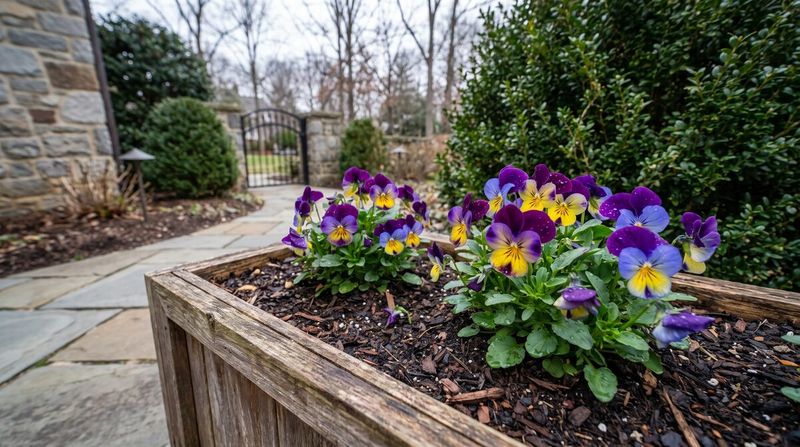
Water and mulch cannot fix a bad spot. A pansy planted in a shady, soggy corner will struggle no matter how carefully you prepare it for cold.
The site itself sets the stage for how plants cope with winter.
Richmond County Extension recommends six to eight hours of sun and well-drained soil. Sun helps plants keep growing through the short days of winter.
Drainage matters because pansies do not tolerate wet feet, meaning roots sitting in standing water.
If water pools in a bed after rain, consider raising it a little or mixing in compost before the next planting. Containers need drainage holes and should never sit in a full saucer of water.
Establishment counts as well. Pansies that had time to root in before cold arrived are in a stronger position than ones set out just before a freeze.
Walk your yard in November and notice which spots stay wet, which get the most sun, and which are exposed to wind. That gives you a better sense of what your plants face.
A cold snap can pause flowers without killing the plants
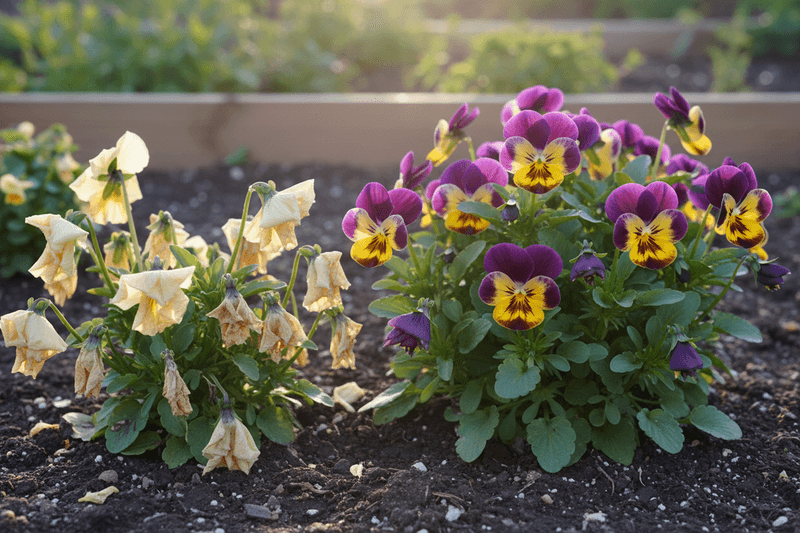
Seeing droopy pansies after a freezing night can be alarming, but it does not always mean the plants are lost. University of Georgia Extension reports that foliage may wilt and turn gray-green below 25°F.
Healthy plants may survive short periods in the single digits.
Surviving is not the same as blooming without a break. Cold can damage flowers even when the plant itself pulls through, so expect some pauses and ragged blooms.
Give plants time to recover once temperatures rise before deciding they are done.
For an exceptional freeze, UGA describes a temporary step: a 2 to 4 inch layer of pine straw over the whole bed when temperatures are expected to drop below 20°F for several hours, especially with drying winds and soil at risk of freezing. Rake it off when the cold passes.
This does not prevent all damage, and it is not routine mulch advice. The NC State handbook warns that pine straw left around pansies can reduce growth and flowering.
A quick pre-freeze check is more useful than a promise
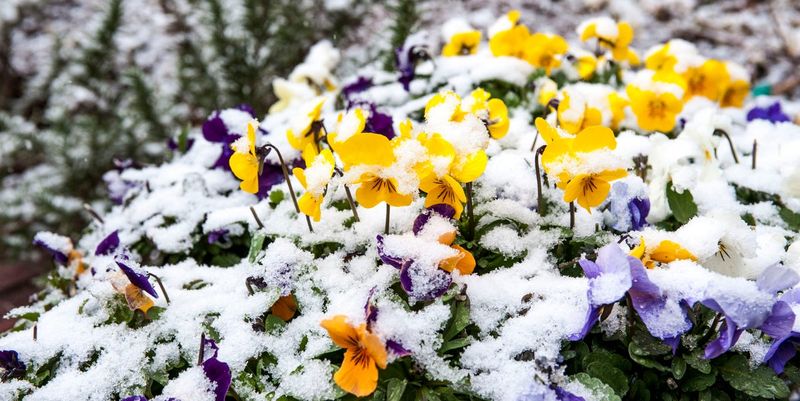
Before the next long cold stretch, look at the rain gauge, feel the soil, and water only if it is dry. Keep drainage in good shape and use suitable mulch that leaves the crowns uncovered, as Pamlico County Extension and Richmond County guidance suggest.
These steps support winter readiness, but they cannot ensure uninterrupted blooms. Pansies are tough, yet they still have good days and bad days in January.
Give them a decent start and let the weather do what it will.