
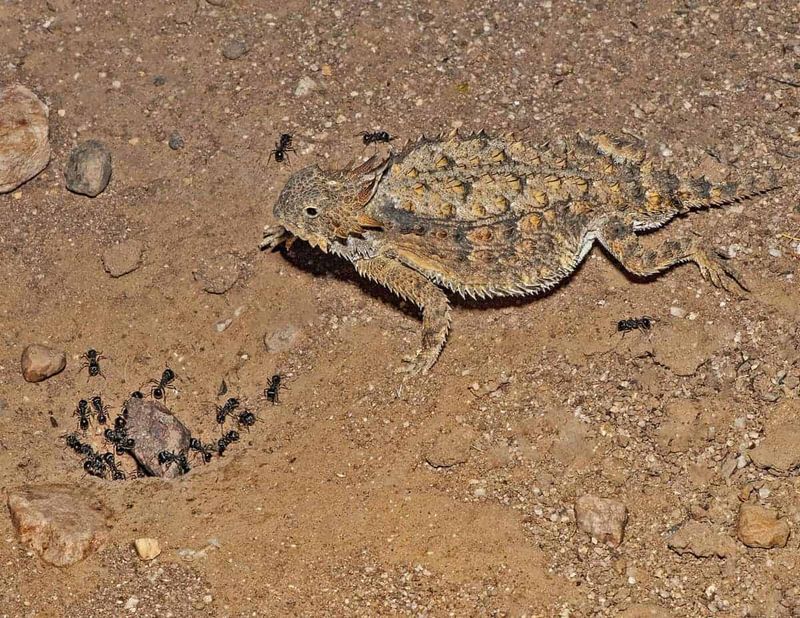
A Texas horned lizard is a flat, spiky little reptile that many Texans remember from childhood and rarely see now. These lizards eat a lot of harvester ants, the big red ants that build bare, round nests in sandy ground.
A few simple yard choices can protect that food source without putting people or pets at risk. Here is what to do, what to skip, and what no yard habit can promise.
Harvester ants are an important part of the horned lizard’s menu
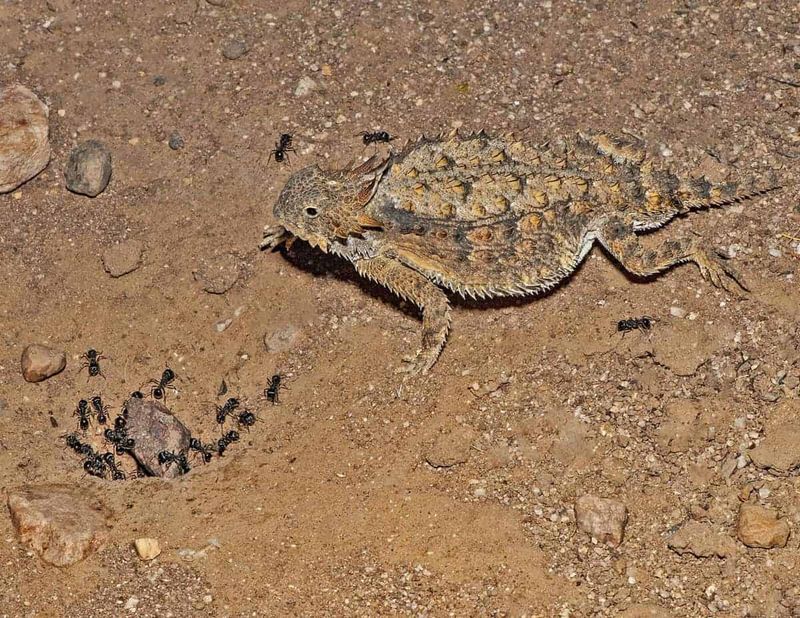
Texas horned lizards are ant specialists. Texas A&M AgriLife Extension notes that harvester ants are native to Texas and that horned lizards depend on them, which is why it suggests considering leaving them alone where the lizards occur.
One field study gives a sense of how heavily the lizards rely on them. In a 2012 Arizona study, researchers identified 1,821 prey items from 25 scats, and 97.69 percent were harvester ants.
That number describes one group of lizards in one place, so it is a vivid example and not a rule for every Texas lizard, season, or neighborhood.
For a gardener, the practical meaning is simple. A confirmed harvester-ant colony on your property may be a meaningful food source for any horned lizard living nearby.
Protecting it keeps that food available, but it does not mean a lizard will show up.
The key word is confirmed. Before you leave any mound alone, make sure you know which ant built it, which is what the next section covers.
Identify the ants before changing your routine
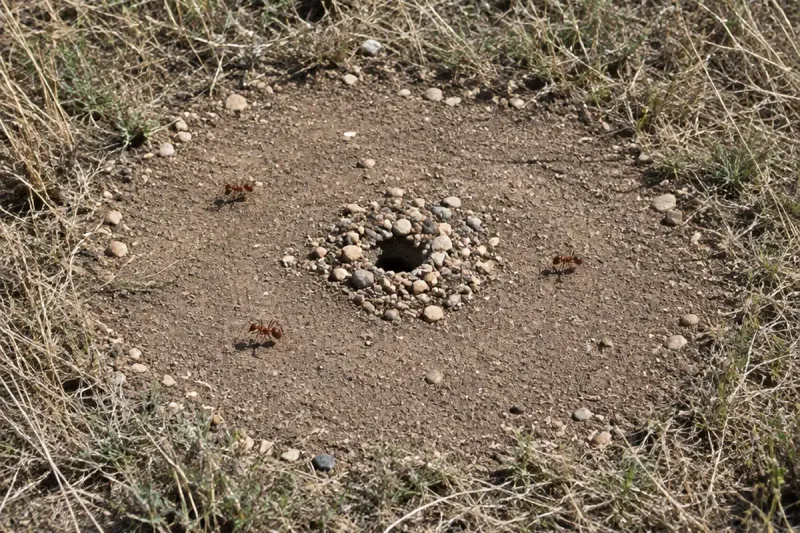
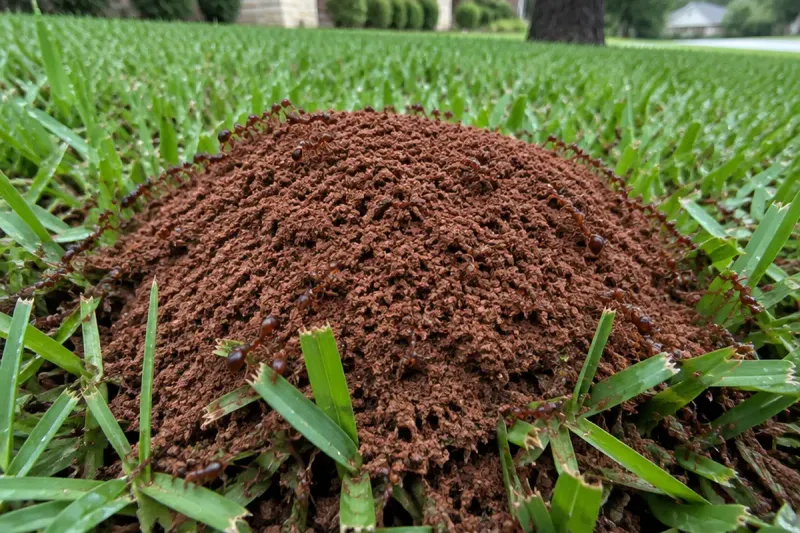
A walk around the yard with a sharp eye can tell you a lot, from a safe distance. AgriLife Extension describes Texas harvester ants as relatively large ants that commonly clear a broad, bare area around a single central entrance.
Red imported fire ants usually look different. Their mounds typically lack a central opening, as explained in the Texas A&M fire ant FAQ.
Fresh mounds often show up after rain as loose, crumbly domes of soil.
Treat these features as clues, not proof. Native ants can resemble imported fire ants, and mound shape alone may not settle the question.
If you are unsure, call your county Extension office or ask a qualified identifier. Many offices can help if you bring a photo or follow their sampling advice.
Do not poke, dig into, or stir up a colony to get a better look. Watching ants come and go from a few feet away is safer for you and gives you a better read on the nest.
Broadcast fire-ant bait can harm the colony you want to protect
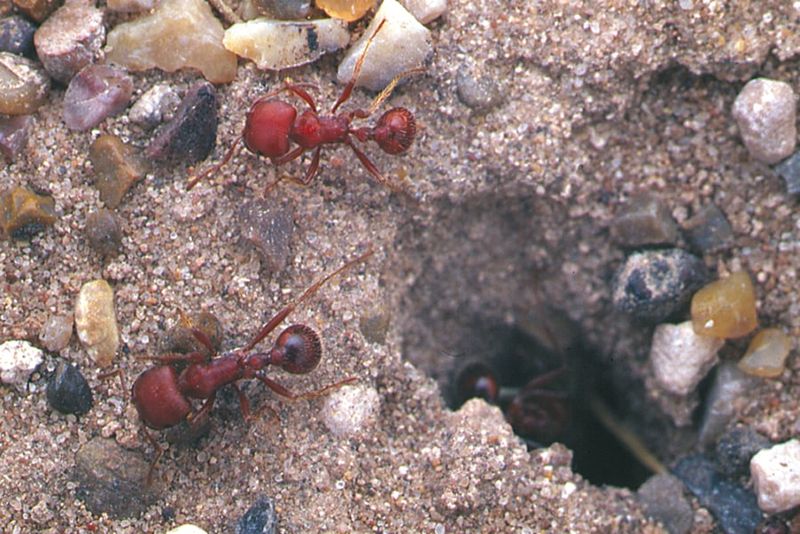
Here is the main yard change. Where you have confirmed harvester ants, skip broadcast fire-ant bait.
Texas A&M AgriLife warns that fire-ant baits can kill harvester ants, so spreading granules across a whole area can wipe out the very colony you are trying to keep.
This is guidance for specific spots, not a ban on fire-ant control. Fire ants are a real problem in many Texas yards, and broadcast treatment is a standard approach in plenty of settings.
The point is that it clashes with protecting native harvester ants where they live.
A practical example is a sandy back corner of a property with one bare, round nest and a lizard-friendly look. Spreading bait over that corner could remove the colony, while the same product might be reasonable on a shady lawn that has only fire-ant mounds.
Remember what this protects. Keeping the colony alive preserves a food source for horned lizards.
It does not show that a lizard will appear or return.
Treat nuisance fire-ant mounds selectively when needed
Fire ants that threaten kids, pets, or play areas still need an answer. Texas A&M AgriLife says individual mound treatment is an option for small areas or for homeowners who want to preserve native ants.
That differs from broadcast treatment in a simple way. Instead of covering a whole section of yard, you deal only with the mound causing trouble, such as one beside a walkway or a swing set.
Harvester-ant nests elsewhere on the property are left out of it.
Choose a product labeled for the way you plan to use it, and follow its current label for application, safety, and placement. Labels and registrations change over time, so rely on what is printed on the package you buy and not on older instructions you may find online or in dated publications.
Make sure the mound really is a fire-ant mound first. Treating a harvester-ant nest by mistake defeats the goal.
If you are unsure, ask your county Extension office, which is also noted in AgriLife’s harvester-ant guidance as a place to get help with ant questions.
Food alone does not make a yard suitable habitat
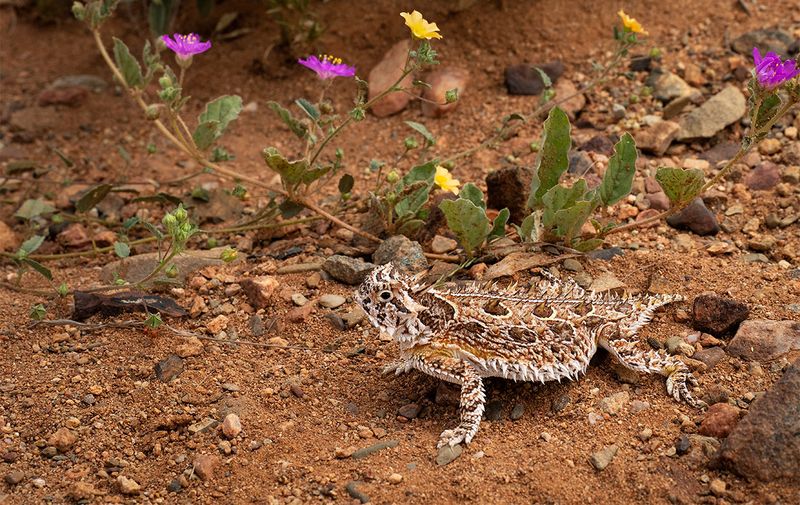
A full pantry does not make a home. Texas Parks and Wildlife describes horned lizard habitat as arid or semiarid open areas with sparse plant cover, commonly with loose sand or loamy soils.
Many suburban lawns do not match that description. Thick turf, dense shrubs, heavy mulch, and compacted soil can all work against the open, bare-ground conditions the lizards use.
A study at two Central Texas sites found that lizards used different ground-cover conditions, and that plants crowding in limited use in some areas. Two sites cannot speak for every home lawn, but the study shows that ground cover matters, not just ants.
Access matters too. Even a yard with the right soil may be cut off by roads, fences, and developed lots.
Research on small towns found that they can limit lizard dispersal and reduce genetic diversity, which points to the value of connected habitat.
For a gardener, that means keeping open, sparsely vegetated sandy or loamy patches where they already exist and not smothering them. Even so, these steps make a place more compatible with lizards and cannot guarantee one will arrive.
Protecting a mound does not prove a lizard will return
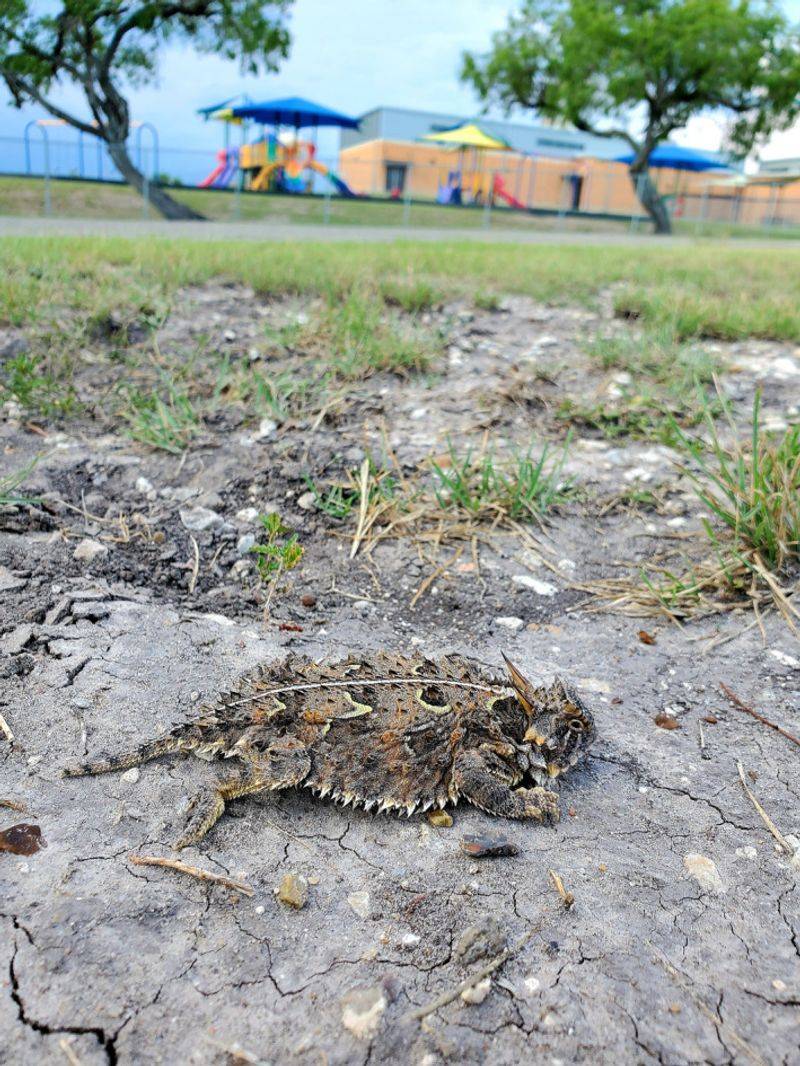
Evidence links these ants and lizards, but it stops short of a promise. In TPWD’s volunteer survey results, horned lizard presence was associated with harvester ants.
That is a pattern, not proof that keeping a colony makes lizards appear.
The survey also has a sampling caveat. Reported sightings around homes may partly reflect where volunteers happened to look, so they do not show how often lizards use residential yards.
Lizards do turn up in some small towns, which is encouraging. Still, small-town research also found limits on movement between populations, so a report from one town does not predict what will happen in your yard.
If a lizard never shows up, your effort was not wasted. Many native insects, birds, and other animals may also benefit from an intact ant colony and open ground.
So what can the change realistically do? Skipping broadcast bait where confirmed harvester ants live preserves a food source, and that is all it promises.
Keep the colony and any lizard encounter safe
Harvester ants can sting, and the stings can be painful. According to AgriLife Extension, the ants are generally reluctant to attack, but you should not disturb a colony or keep one where people or pets must walk regularly.
If a nest sits beside a path, play area, or dog run, the safer choice may be to leave it out of the traffic pattern or get advice from Extension before acting.
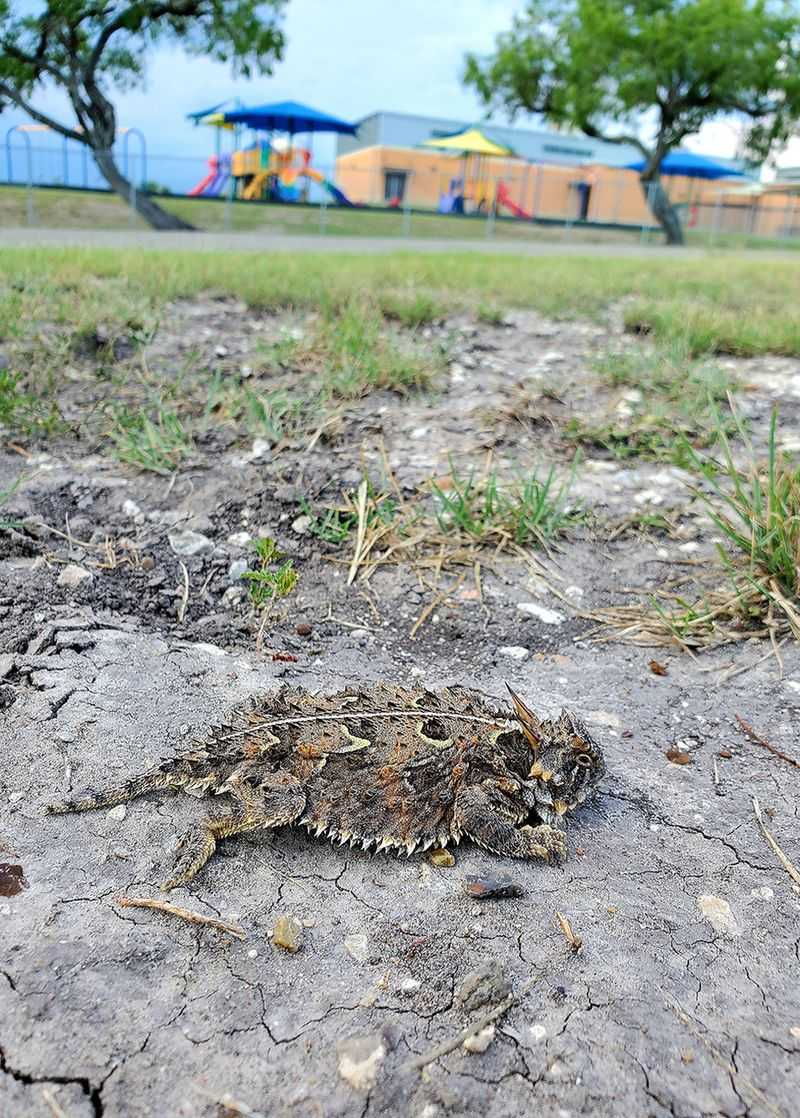
The Texas horned lizard is listed as threatened in Texas, according to TPWD’s threatened and endangered species list, and the Outdoor Annual says hunting threatened nongame species is unlawful. If you spot one, enjoy it from a distance and do not pick it up, keep it, or move it.
A protected colony feeds a possible visitor, but it cannot summon one. The best sign you did it right is an ordinary ant nest humming quietly in the sun.