
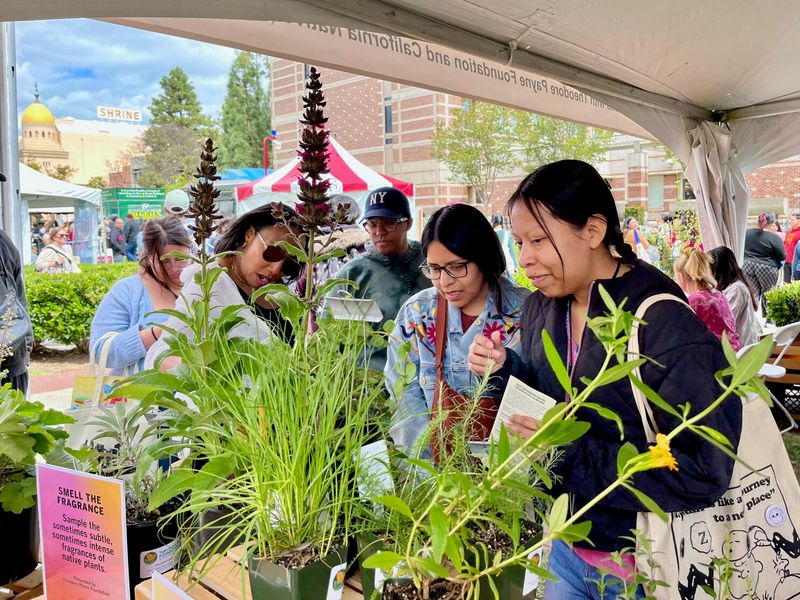
Native plants can cost a lot at the nursery, but some California gardeners fill their yards for free. Across the state, neighbors gather at plant swaps to trade cuttings, seedlings, and seeds of plants that belong here.
These plants can help bees, birds, and butterflies while using far less water than a thirsty lawn. Here is how to find a swap near you and what to bring when you go.
1. Your Local California Native Plant Society Chapter
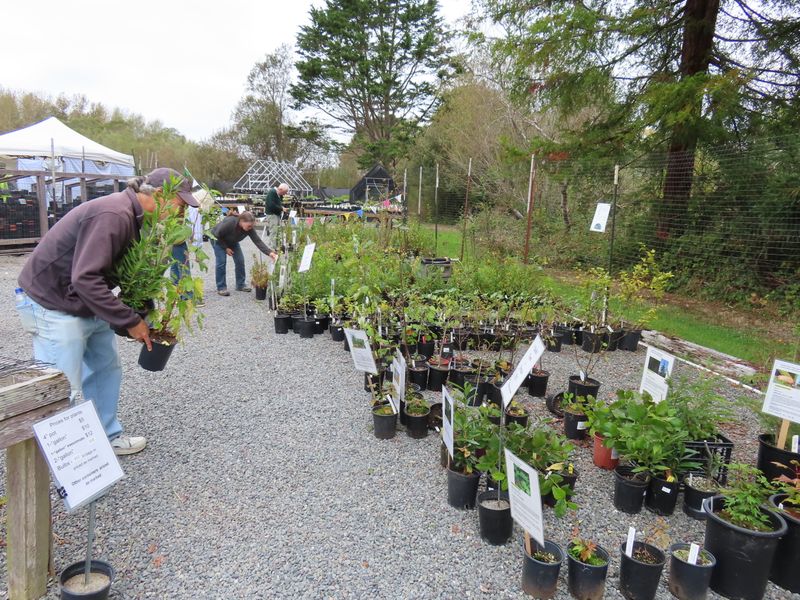
Ask any longtime native gardener where they got their first free manzanita cutting, and odds are good the answer involves a CNPS chapter. The California Native Plant Society has more than 30 chapters statewide, and many host member swaps, seed exchanges, or giveaway tables at meetings.
Start at the CNPS website and use the chapter map to find the group covering your county. Events calendars often list propagation workshops where volunteers share extra seedlings.
Membership is not always required to attend, though joining can help support habitat work.
2. Public Library Seed Libraries
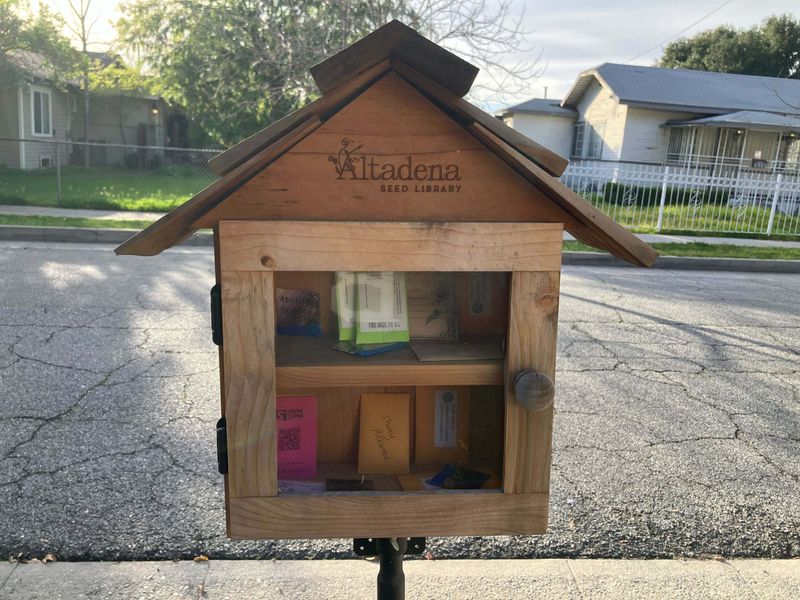
Old card catalogs have found a second life. Dozens of California libraries now run seed libraries where you can borrow packets of poppies, lupine, or milkweed and return seeds after your plants bloom.
Libraries in places like Richmond, Sacramento, and parts of Los Angeles County have offered these programs, and some host seasonal swap days with live seedlings. Call your branch or check its events page.
One tip: ask if the seeds are labeled as native. Some collections mix in vegetables and non-natives, so read packets carefully before planting.
3. Neighborhood Facebook and Nextdoor Groups
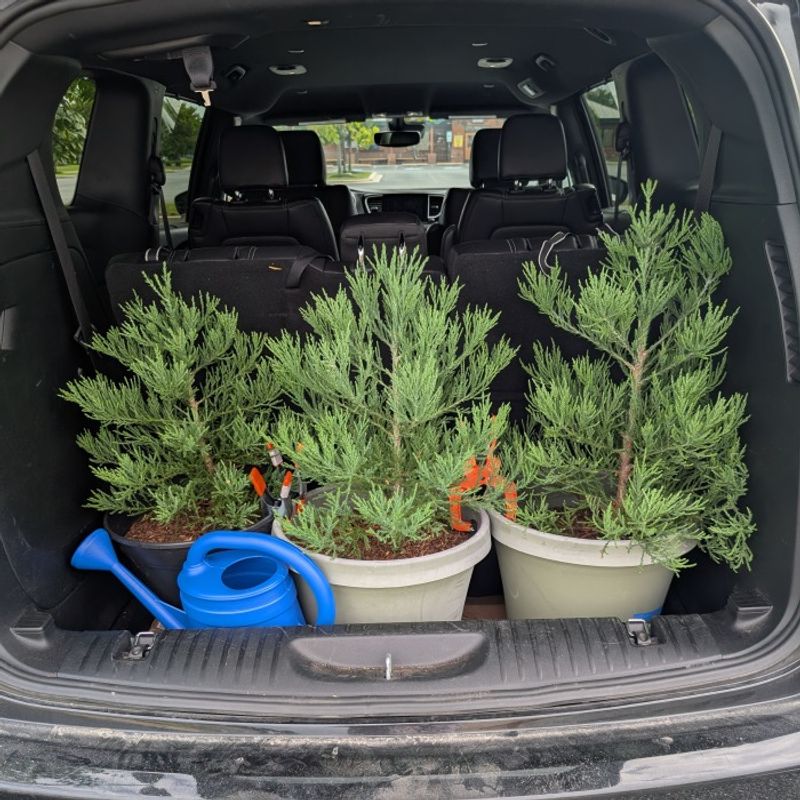
Sometimes the best swap is three houses down. Search Facebook for terms like your city name plus native plant swap, or browse Buy Nothing groups, where neighbors regularly give away divisions of yarrow, deer grass, and California fuchsia.
Nextdoor works too, especially in spring and fall when gardeners thin crowded beds. Post what you have and what you want.
You might be surprised how many people have extra coyote mint sitting in pots.
Meet in public spots or do porch pickups, and ask for the plant name so you know what you are bringing home.
4. Botanic Garden and Arboretum Events
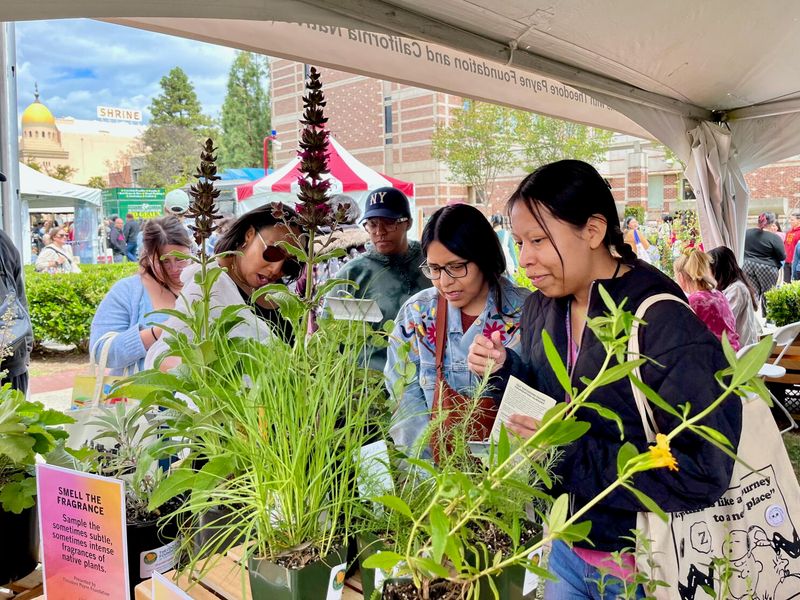
Places like Theodore Payne Foundation, the UC Santa Cruz Arboretum, and California Botanic Garden in Claremont are hubs for native plant lovers. Many focus on sales, but volunteer days, member perks, and community events sometimes include free seedlings or seed giveaways.
Even when plants are not free, these gardens are great places to meet people who run smaller swaps. Ask staff or docents about upcoming exchanges.
Volunteering in their nursery may also earn you take-home plants and real propagation skills.
5. Water District Lawn Replacement Workshops
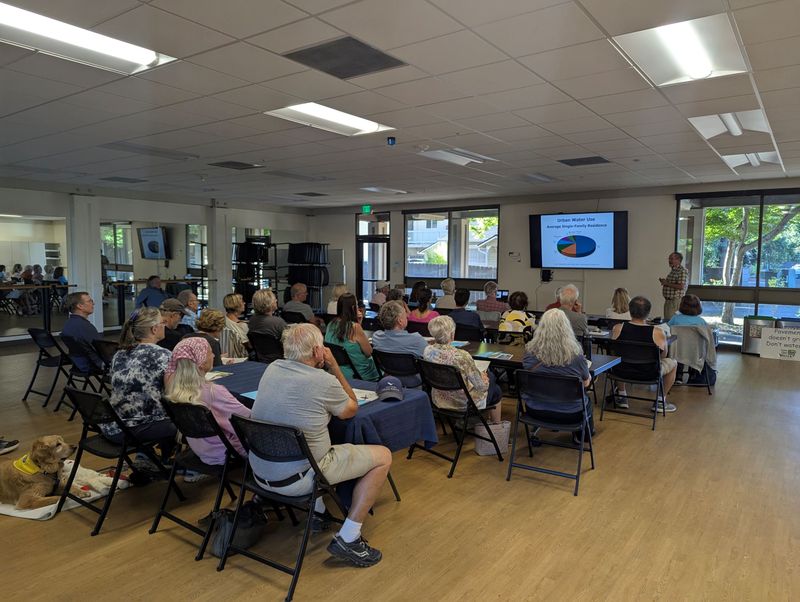
Ripping out a lawn? Your water agency may want to help.
Many California water districts run free landscape classes, and some hand out native plants or plant vouchers to attendees.
Programs vary a lot by district and change over time, so check your utility’s conservation page. Pairing these classes with turf rebates could seriously cut the cost of a water-wise yard.
You also learn which plants suit your soil and sun before you dig.
6. Community Garden Swap Days
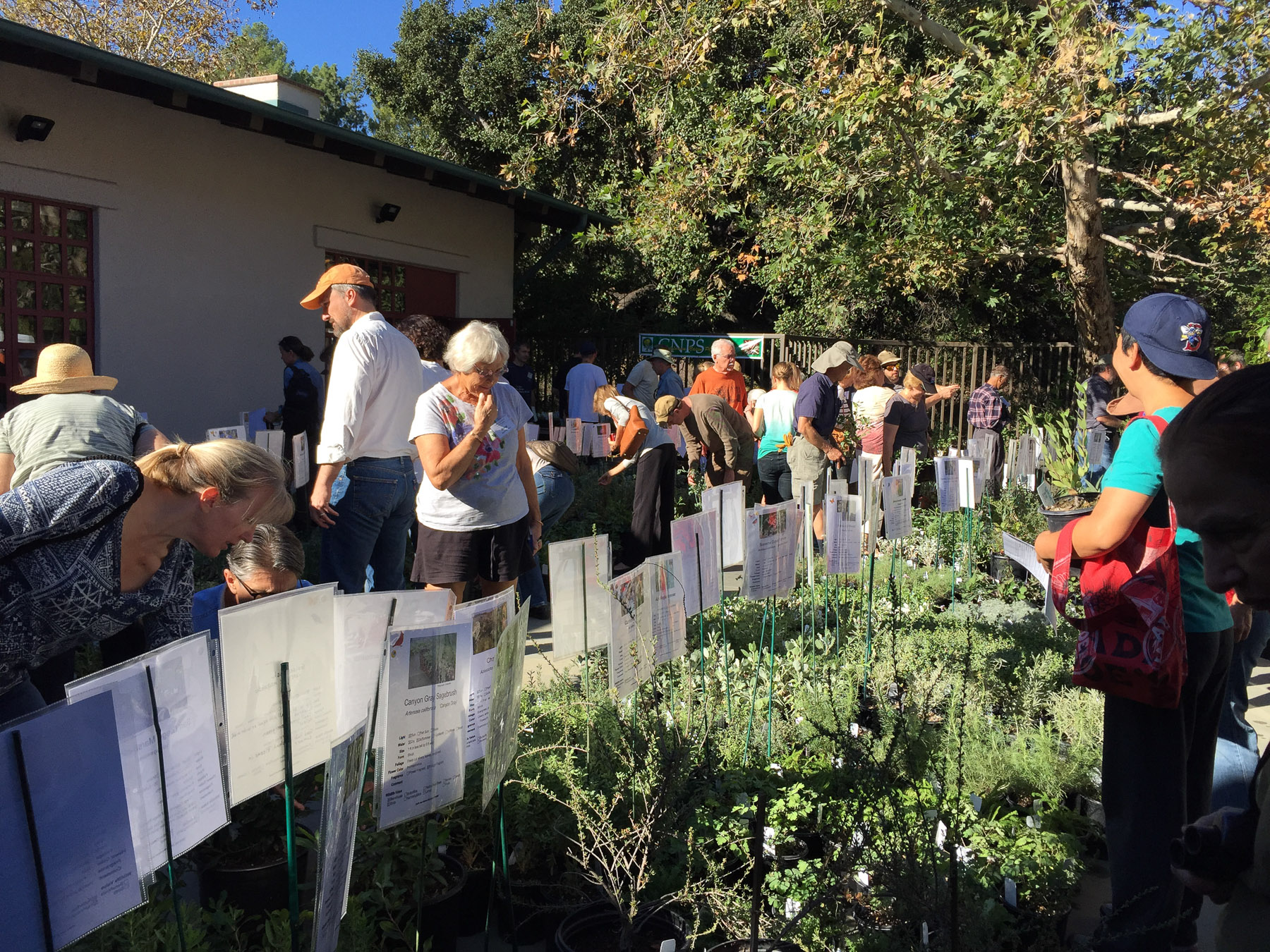
Picture a picnic table covered in yogurt cups full of seedlings and hand-written labels. That cheerful scene happens at community gardens across California, especially before winter rains, which is prime native planting season.
Many gardens open swap days to the public, not just plot holders. Bring a few extras to share.
Even a handful of seeds collected from your own California poppies counts as a fair trade.
7. Earth Day and Pollinator Week Festivals
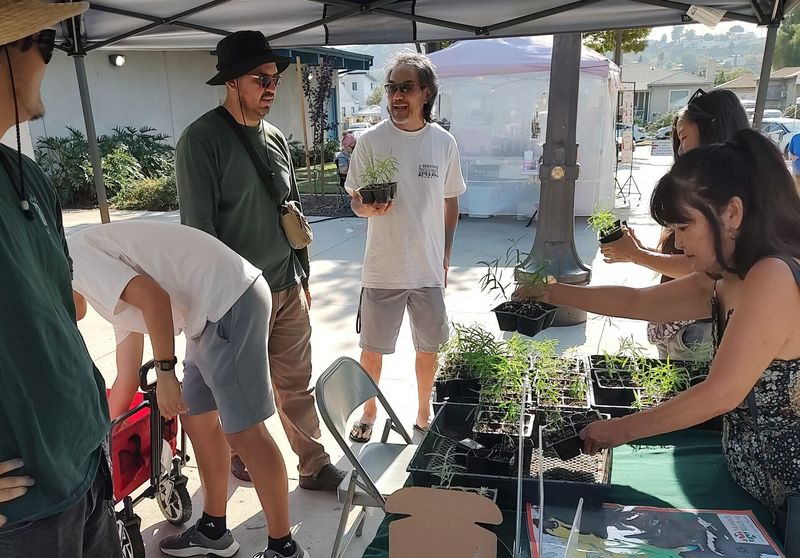
Monarchs are the stars here. Festival booths around Earth Day in April and Pollinator Week in June often give away native milkweed, sages, and wildflower seeds to help butterflies and bees.
Look for narrowleaf milkweed, a California native, rather than tropical milkweed, which can disrupt monarch migration. Cities, nature centers, and Resource Conservation Districts frequently host these booths.
Arrive early, since free plants tend to vanish fast.
8. How to Make the Most of Any Swap
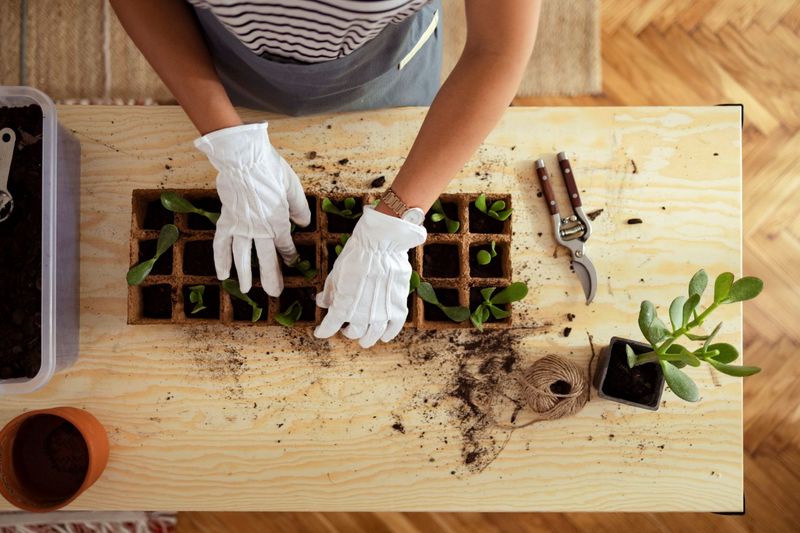
Good swap manners go a long way. Label everything with the common and scientific name, and pot cuttings a few weeks ahead so they arrive rooted.
Skip invasive plants like Mexican feather grass or ice plant, even if someone asks. Check incoming plants for pests and Argentine ants before setting them in your beds.
Finally, plant in fall or early winter so rains can do the watering. Your free seedlings will settle in with less effort and less water.