
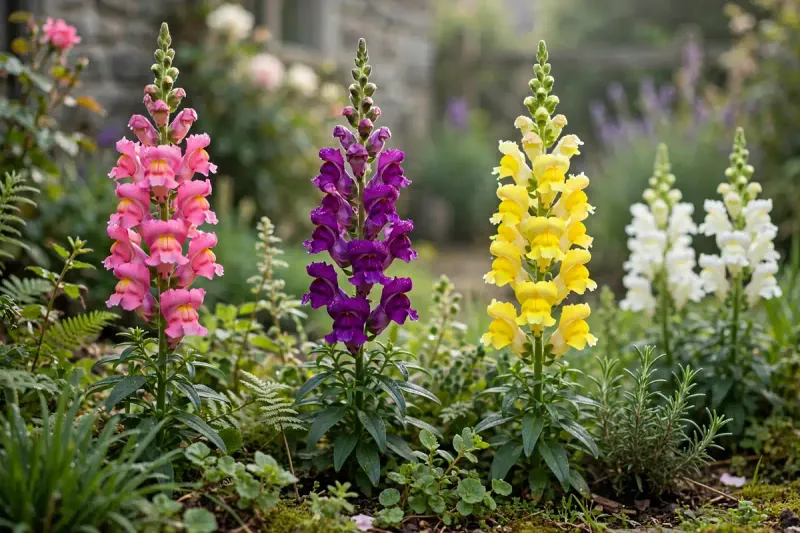
Bare beds in November do not have to stay bare. Snapdragon transplants can fill them with tall spikes of color when the weather finally cools down.
Timing matters, though, and Texas and Florida do not share one calendar. Here is how to decide if now is right for your yard, and what kind of show to expect.
November can work, but timing depends on location
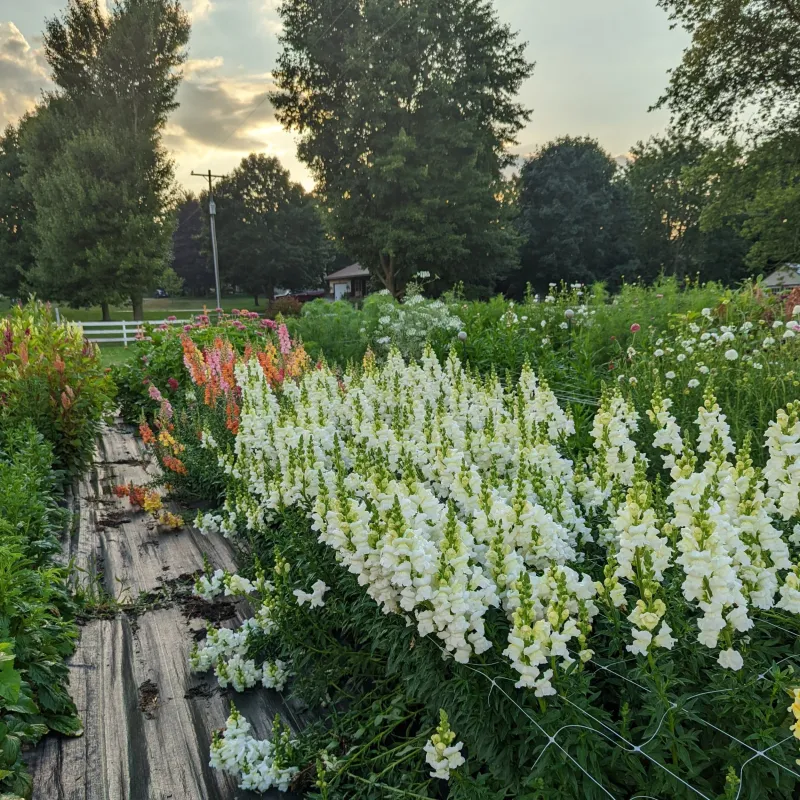
Fall planting can set up a good cool-season show, but nobody can name one November deadline for the whole South. In Florida, UF/IFAS recommends fall planting for winter color in zones 9A to 11B.
In zone 8B, plants only sometimes survive and flower through winter, so north Florida gardeners should expect more risk.
Texas needs extra care. The Texas A&M schedule many gardeners pass around is the Fall Direct Seeding Guide.
As the name says, it covers sowing seed outdoors, and its dates vary by region. Those dates are not a verified schedule for nursery transplants, and November should not be read as a statewide Texas cutoff.
Texas AgriLife does confirm that snapdragons are cool-season annuals that can go in during fall for winter color. So before you buy, check with your county extension office about transplant timing, and think about your own frost patterns and soil.
Choose transplants for color sooner
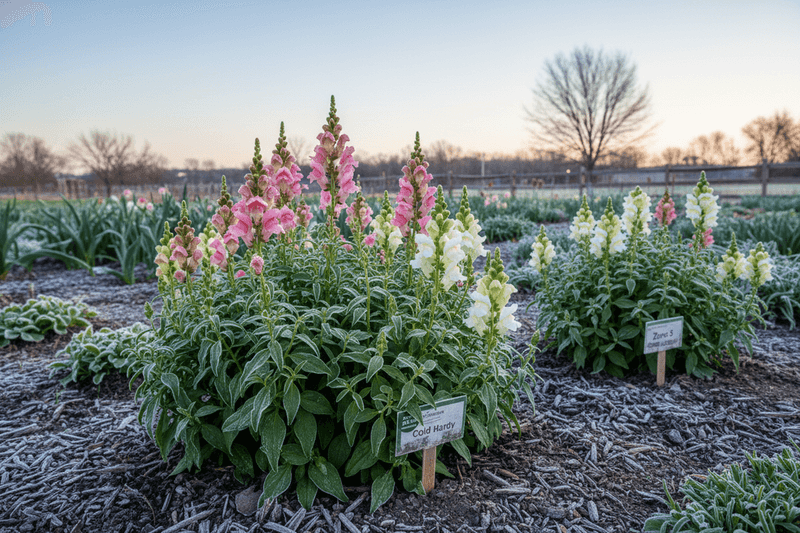
Buying established snapdragons from a nursery gets you much closer to flowers this season than scattering seed in November. A transplant already has a head start, while a seed has to sprout and grow first.
Think of them as two different projects.
UF/IFAS recommends starting seed 6 to 8 weeks before transplanting. That means seed sown in a bed in November is still weeks away from being the size of a nursery plant you can set out today.
One Central Florida container trial shows how long the wait can be. In that UF/IFAS trial, plants germinated in October made their first flower spikes in late January.
It was one trial, not a schedule for every variety or yard, but it gives a feel for the patience seed-grown plants can require.
If you want visible color soon, pick compact, healthy transplants and save seed for a project you can start earlier.
Give plants light and well-drained soil
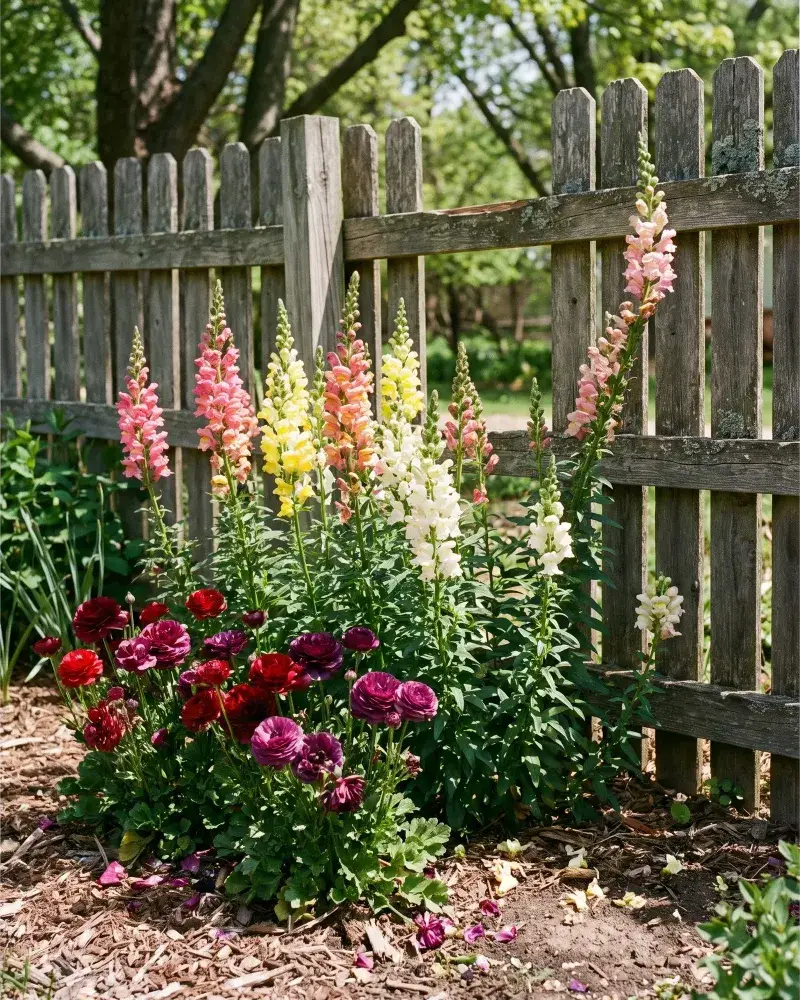
Where you plant matters as much as when. Pick a spot with full sun to partial shade, and lean toward the sunnier end.
Williamson County AgriLife suggests at least six hours of sun and good drainage.
Drainage deserves a close look. If water sits in a spot after rain, build up the bed with extra soil or choose a different place.
Snapdragons in soggy ground tend to struggle.
Leave room between plants. UF/IFAS lists spacing of 6 to 12 inches, which gives each plant air and space to fill out.
Tighter spacing within that range suits a full, packed border, and wider spacing suits a bed you want to see the soil between.
Snapdragons also have low drought tolerance. Check the soil during dry spells and water when it feels dry a little below the surface.
Newly planted transplants need the most attention while their roots settle in.
Expect a long season, not nonstop winter flowers
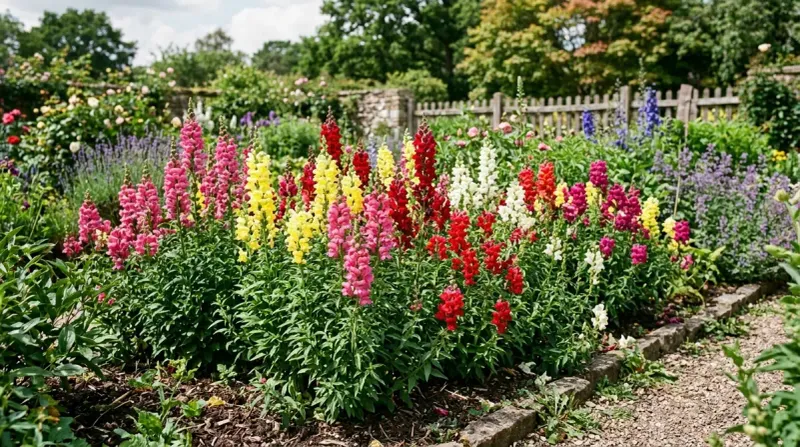
A good snapdragon season is long, but it has gaps and an ending. UF/IFAS says Florida bloom may continue until April or May.
That is the upside gardeners hope for.
Real timelines can look different. In the Central Florida container trial, plants made their first spikes in late January and kept flowering until rising heat impeded development in June.
That is one trial, and your yard may not match it.
Cold can pause things too. Clemson Extension notes that plants may stop blooming during the coldest part of winter, then flower again later.
If your plants go quiet in January, that does not always mean something is wrong. Look for healthy green leaves and new growth.
Flowering depends on your location, the weather, when you planted, and your growing conditions, so treat any bloom calendar as a rough guide.
Use simple care to support repeat flowering
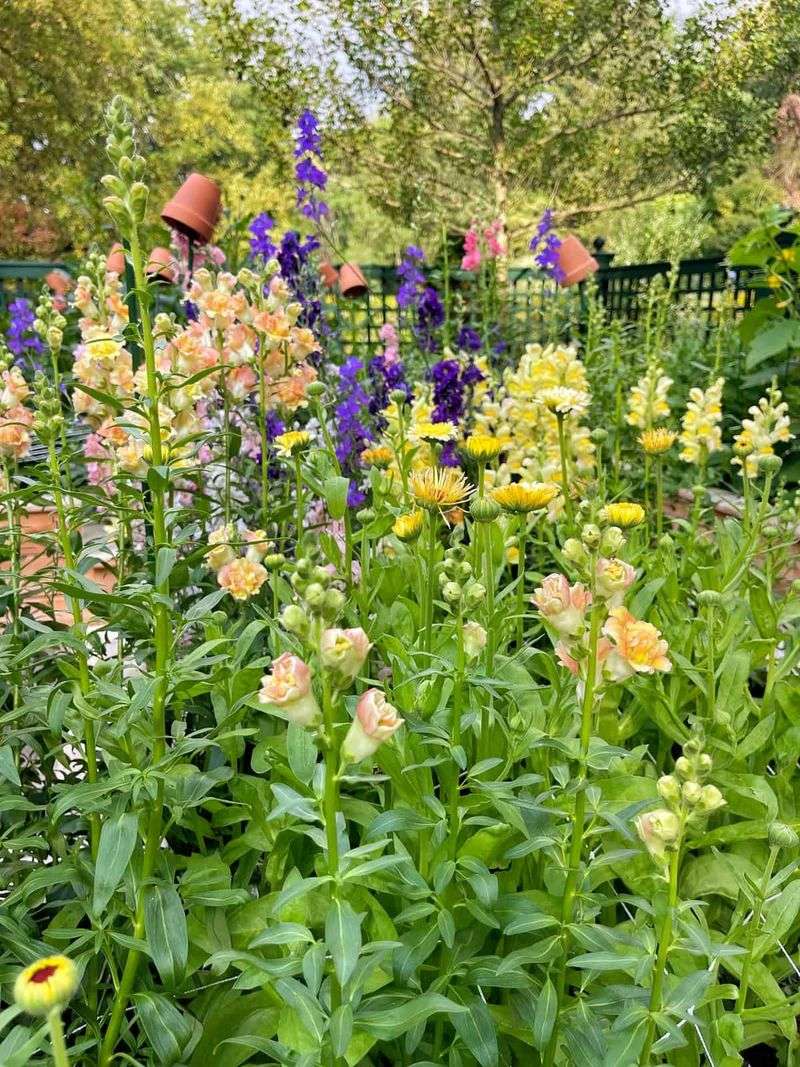
A few small habits may help plants keep producing. Water through dry spells, since snapdragons do not handle drought well.
Then watch the first round of flowers.
When those first blooms fade, cut the plants back. UF/IFAS describes cutting back after the first flowers fade to encourage a second crop.
It may help, but it cannot promise a set number of new blooms.
Pinching is another tool. Texas A&M Earth-Kind guidance says pinching can keep plants compact and freely flowering.
The catch is timing, because pinching before flowering delays bloom.
If you want color quickly, skip the early pinch on plants that already show buds. Keep in mind that no trimming routine can overcome a hard freeze or a hot spell, so treat these steps as helpful nudges rather than fixes.
Protect plants during severe cold
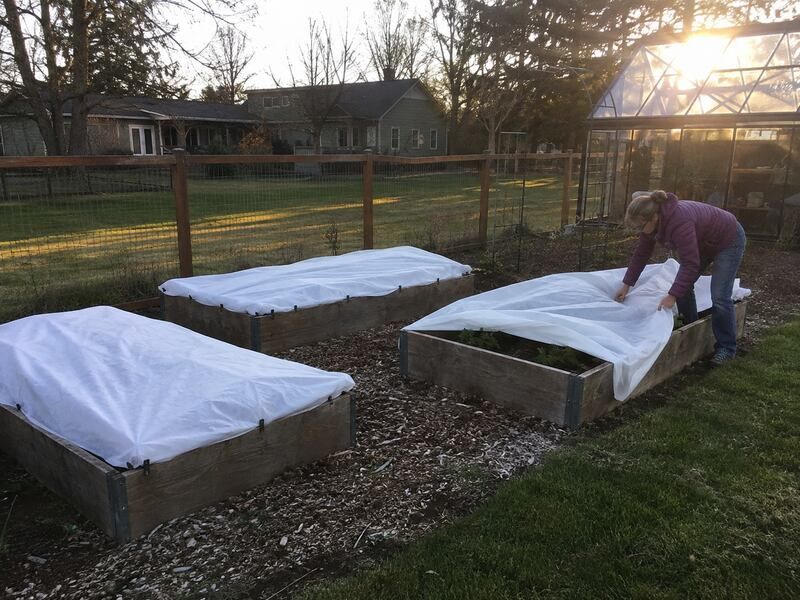
Snapdragons have a reputation for handling chill, and there is truth in it. UGA Extension says hardened-off plants can withstand sub-freezing temperatures and recommends covering them during record cold.
Hardened-off means plants that have adjusted to outdoor conditions, not ones fresh from a warm greenhouse.
That advice comes from Georgia, so treat it as regional guidance rather than a promise for every Texas or Florida yard. Cultivars, microclimates, and the length of a freeze all change the outcome.
A sheltered bed near a wall may fare better than an open, windy one.
When a severe cold snap is forecast, drape a frost cloth or light sheet over the plants in the evening and remove it the next morning. Texas gardeners in colder areas can also look at the AgriLife notes on snapdragons, which describe them as cool-season plants that fade as spring warms.
Check local transplant guidance, pick nursery plants for earlier color, and enjoy the season you get. A snapdragon bed that rests in January and returns in March is still a good deal.