
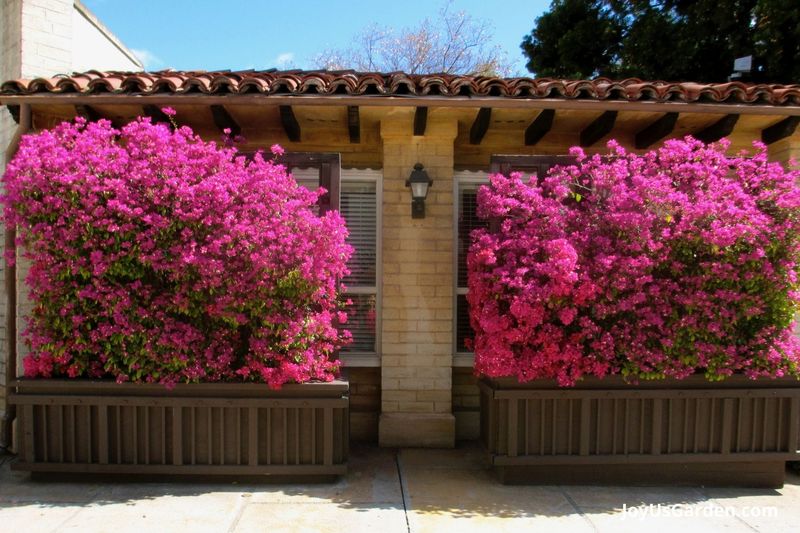
Bougainvillea can turn a Florida yard into a blaze of pink, red, orange, or purple, so a sudden shower of fallen color can feel alarming. Cooler weather brings real changes to how the plant looks, but not every change means trouble.
Learning to read the whole plant helps you tell a normal color shift from a problem. A few simple steps taken before a cold snap can also help you protect the plant and support future flowering.
Winter color can change without telling the whole story
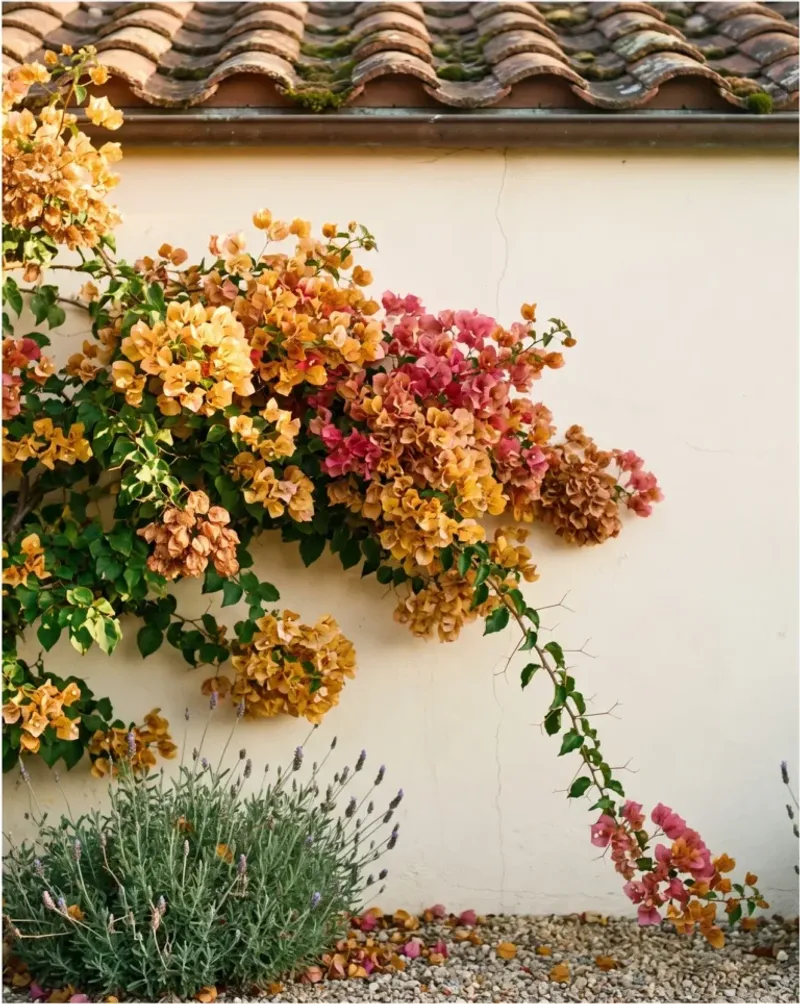
Those bright petal-like parts on a bougainvillea are not petals at all. They are bracts, which are modified leaves, and the true flowers are the tiny pale tubes sitting in the middle of them.
According to UF/IFAS gardening guidance, the colorful bracts appear periodically through much of the year and can be especially plentiful in winter, though not on a guaranteed schedule.
So when bracts drop, it helps to resist the urge to name a cause. Losing bracts does not prove that cool weather did it, and it does not prove the plant is healthy either.
A flush of color naturally fades and falls, but the same loss could also show up when a plant is stressed, so look at everything else going on.
Leaf drop is a different symptom and should not be lumped in with bract loss. UF/IFAS Charlotte County notes that leaves may drop after a flowering period, or in connection with cold, too much water, or too little sun.
Yellowing can have other causes as well, including soil pH and nutrient availability.
Instead of judging from one clue, check the whole plant. Ask what the recent weather was, whether the soil stays soggy, how many hours of direct sun the plant gets, and whether it just finished a big bloom.
A plant in a shady spot with wet roots tells a very different story than a sunny, well-drained one that just finished flowering. Notice, too, whether the stems and remaining leaves still look firm and healthy.
Those answers will guide what you do next, and they keep you from fixing a problem that does not exist.
What possible freeze injury can look like
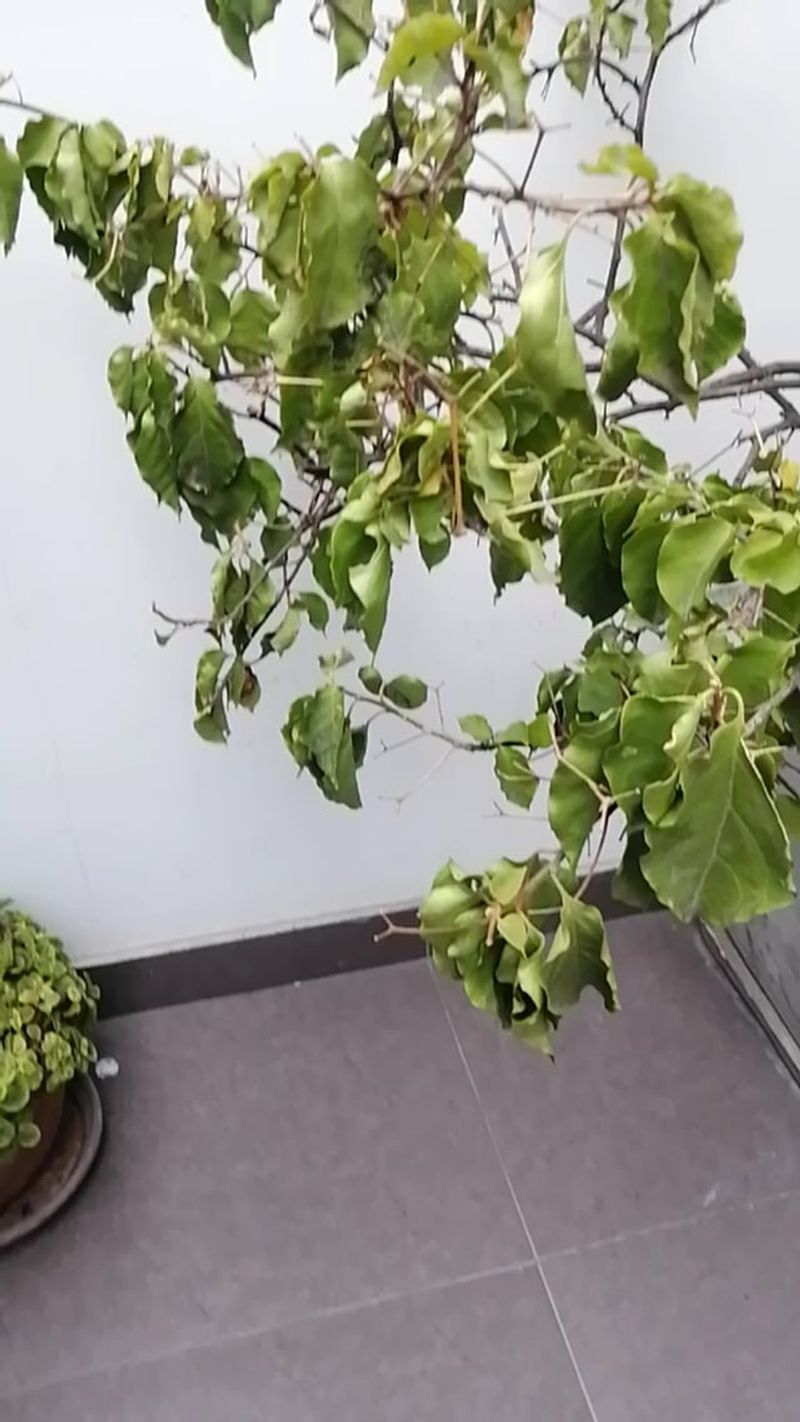
After a cold night, the tissue itself gives better clues than fallen bracts do. Leaves or stems that look water-soaked, limp, mushy, or blackened may have suffered freeze injury, as described in Texas A&M AgriLife Extension guidance on frosts and freezes.
These are general signs of cold damage in plants, not a rule written just for bougainvillea.
They are also not the only warning signs, and they are not a final verdict. A few darkened tips do not mean the whole plant is lost, and a plant that looks fine the morning after may show trouble later.
Cold damage can take time to become clear, which is why patience matters.
Compare this with bract loss alone. Bracts on the ground, with firm stems and healthy leaves still attached, point to a different situation than soft, discolored growth after a freeze.
Leaf drop sits in the middle, because it has several possible causes, including flowering, cold, excess water, and too little sun, as UF/IFAS Charlotte County explains.
The best habit is to look the plant over once the weather event has passed. Note which branches look limp or blackened, check the weather you just had, and keep a few photos.
For more background on how cold affects landscape plants, see the UF/IFAS cold protection publication. Then wait and watch rather than reacting to a single symptom.
Protect the plant before a freeze arrives
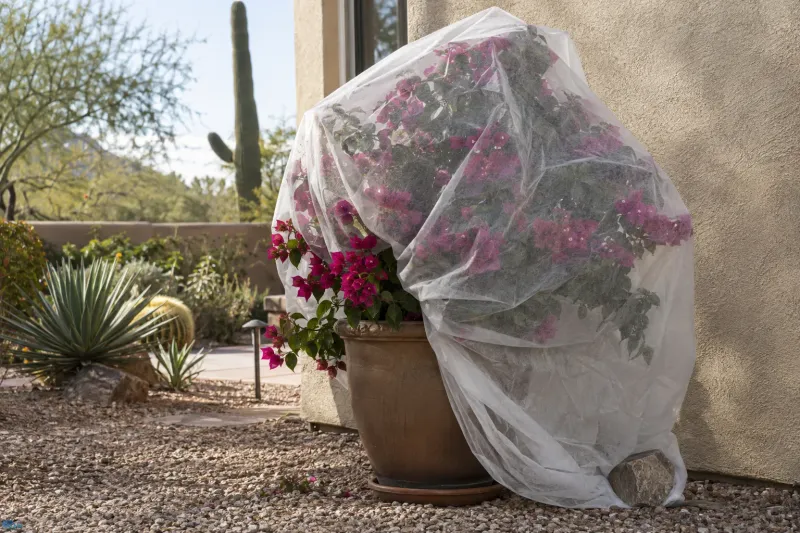
When a freeze is in the forecast, the plan depends on where your bougainvillea lives. For a tender plant in a pot, UF/IFAS advice on preparing for cold weather is to move it to shelter when that is practical.
A garage, enclosed porch, or spot under a roof overhang can all help, and bringing it back out once the cold passes keeps it in good light.
Pots can be heavy and thorny, so wear sturdy gloves and plan ahead. A plant dolly or a helper makes the job easier.
Do the move before dark so you are not wrestling branches in the cold.
Plants growing in the ground cannot be moved, so covering is the better option. The cover should reach all the way to the ground to trap warmth rising from the soil.
A sheet, blanket, or frost cloth works for this, and a cover that stops short of the ground lets that warmth escape.
Remove the cover after temperatures rise above freezing, so the plant is not left wrapped up in warm sun. Skip the idea of running a sprinkler over the plants overnight.
UF/IFAS warns that this method needs continuous, properly designed irrigation, and an ordinary home system may waste water or create damaging ice.
Avoid mistimed winter care

Some of the most tempting chores can work against you in cold months. Fertilizer is one of them.
UF/IFAS advises against fertilizing cold-sensitive plants in late fall or winter, because fertilizer can encourage new growth that is vulnerable to cold.
Pruning has its own timing rule. UF/IFAS also advises against pruning before a potential freeze, so leave the shears in the shed when a cold night is on the way.
That is the guidance as given, and there is no need to guess at the reason behind it.
What if the freeze already happened and some branches look rough? Resist the urge to cut right away.
The extent of injury may not be clear until the plant pushes out new growth in spring, and early cuts can remove stems that would have recovered.
A practical approach is to let the plant show you what survived. When spring growth begins, you can see which stems leaf out and which stay bare, and prune with much better information.
Until then, keep watering sensible, avoid soggy soil, and give the plant time. Waiting can feel uncomfortable when branches look ragged, but it is usually the more careful choice.
Support flowering without expecting a set schedule
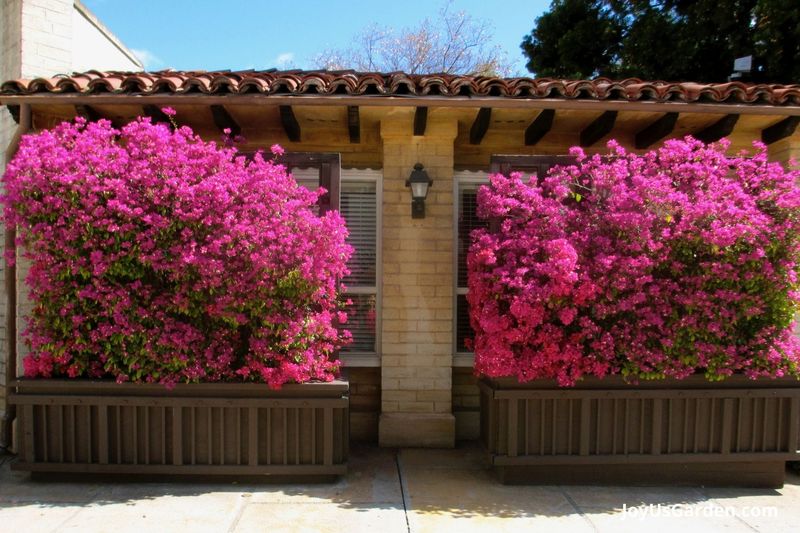
Some conditions make blooms more likely, though none of them guarantee a show. UF/IFAS points to full sun and well-drained soil as the basics.
Florida’s sandy ground often drains quickly, which helps, but a pot with poor drainage or a low, soggy corner can undo it.
A few habits can work against flowers. Keeping soil overly wet is one, and too much nitrogen is another, since it can push leafy growth over blooms.
Frequent pruning can also remove the growth that would have carried developing color.
Timing varies too. For South Florida, UF/IFAS Miami-Dade guidance describes bougainvillea commonly beginning to flower in late fall or early winter.
That is a typical pattern for that region, not a statewide calendar.
The same guidance notes that flowering depends on factors such as day length, soil moisture, fertilizer, pruning, and temperature. A plant in Miami, one in Tampa, and one in the Panhandle may not follow the same rhythm.
Treat sun, drainage, and restrained feeding as ways to give the plant its best chance, and let its own timing unfold without promising a late-winter display.
Choose a suitable time for routine pruning
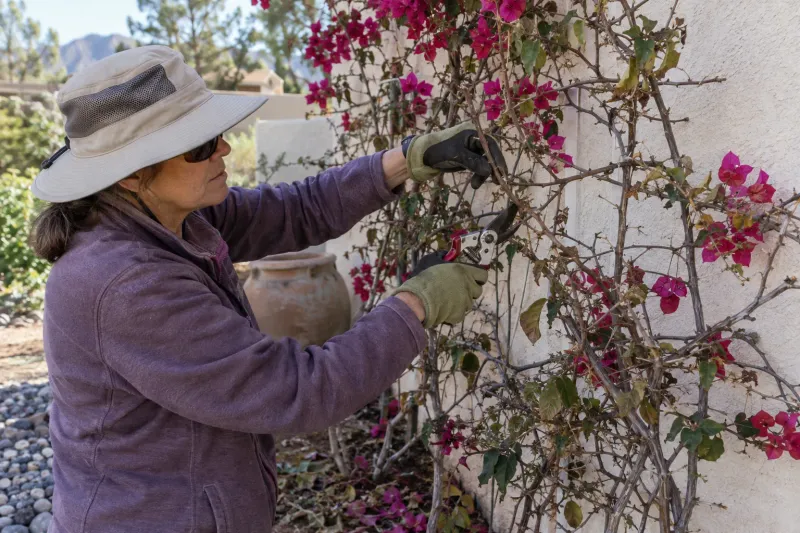
Routine shaping is a separate job from emergency freeze care. For regular trimming, UF/IFAS recommends late winter or early spring after flowering, or the start of the rainy season.
Those windows let you shape the plant once a bloom cycle has wrapped up.
Late summer or early fall is a poorer choice. Pruning then may reduce the following winter’s flowers, so a tidy plant in September could mean less color later.
Wear sturdy gloves and long sleeves, because many cultivars have sharp thorns. Clean, sharp tools make cleaner cuts and make the work easier on your hands.
Keep routine pruning apart from cold weather decisions. Do not prune just before a potential freeze, as UF/IFAS cold weather guidance advises, and do not cut right after suspected cold injury.
Wait for spring growth to show which stems survived, then combine any damage cleanup with your regular shaping.
Protect the plant and let its timing vary
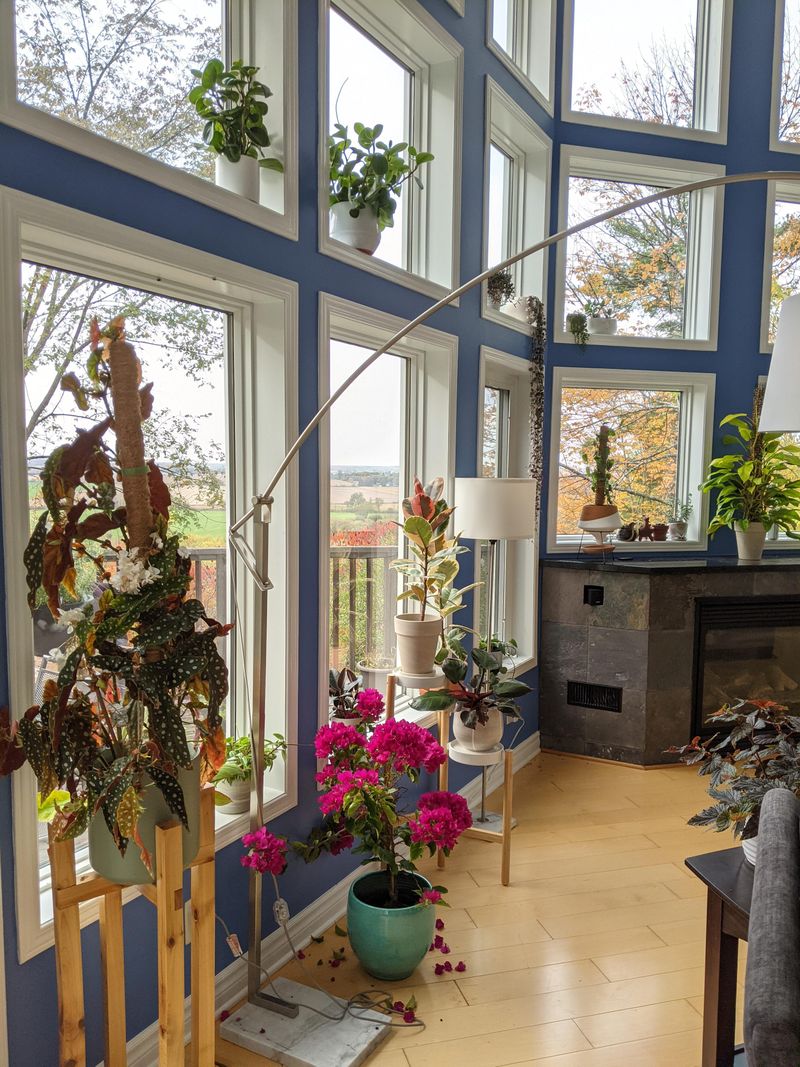
Fallen bracts are a clue, not a verdict, so look at the whole plant, from stems to soil to recent weather. Shelter pots and cover landscape plants before a freeze, skip winter fertilizer, and hold off on pruning until spring growth shows what is alive.
Sun and good drainage, as noted by UF/IFAS, support flowering.
Bloom timing still varies by location, as South Florida guidance suggests, so the plant sets its own calendar.