
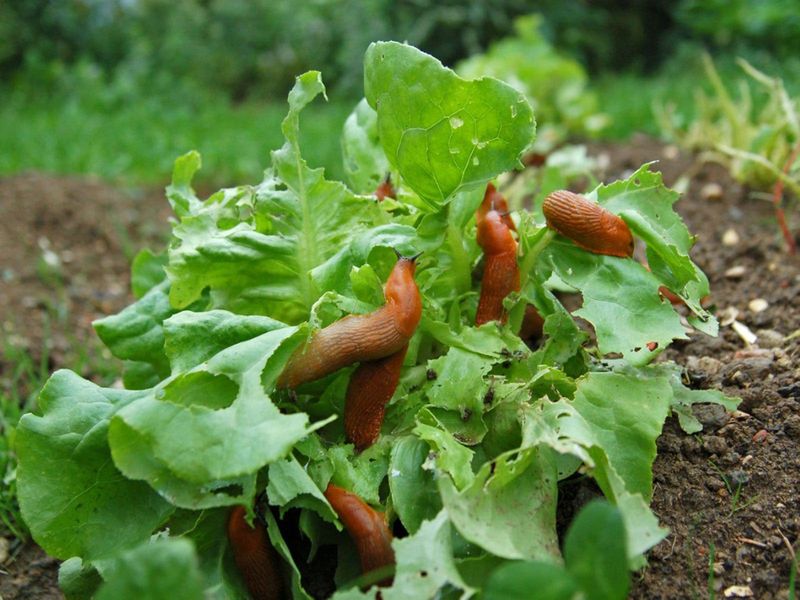
You walk out to your fall lettuce and find leaves chewed into ragged holes that were not there yesterday. Slugs and caterpillars can both do this kind of damage, and they call for different fixes.
A few minutes of detective work at the plant can keep you from treating the wrong pest. Here is how to read the clues and respond with the right move.
Do ragged holes identify the culprit?
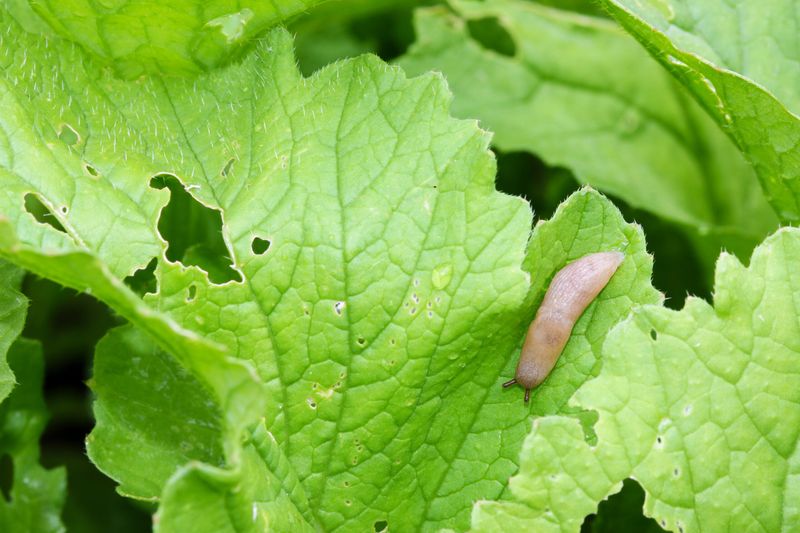
Ragged holes feel like a clear signature, but they are not. UF/IFAS lettuce guidance lists several caterpillars, including beet armyworm, loopers, and cutworms, that chew large holes in lettuce.
Slugs can leave irregular holes too, and UF/IFAS slug advice points out that they feed at night.
That means the shape of the hole cannot tell you which pest visited. Nothing we have says caterpillars are usually the cause in home gardens, and nothing says slugs are either.
Both are real possibilities.
The same goes for the word overnight. It describes when you noticed the damage, not when the feeding happened or who did it.
Plenty of chewing could have occurred at dusk or earlier in the day and simply shown up by morning.
So the plan is to stop guessing from the holes and start looking for pest-specific clues: slime, droppings, webbing, and cut stems. The next sections walk through each one before any treatment enters the picture.
Inspect the plant and nearby hiding places
Timing helps here. Check your lettuce at dusk, after dark, or early in the morning, when both slugs and caterpillars are more likely to be out in the open.
Bring a flashlight and look under leaves, around the crown, and along the soil surface for caterpillars.
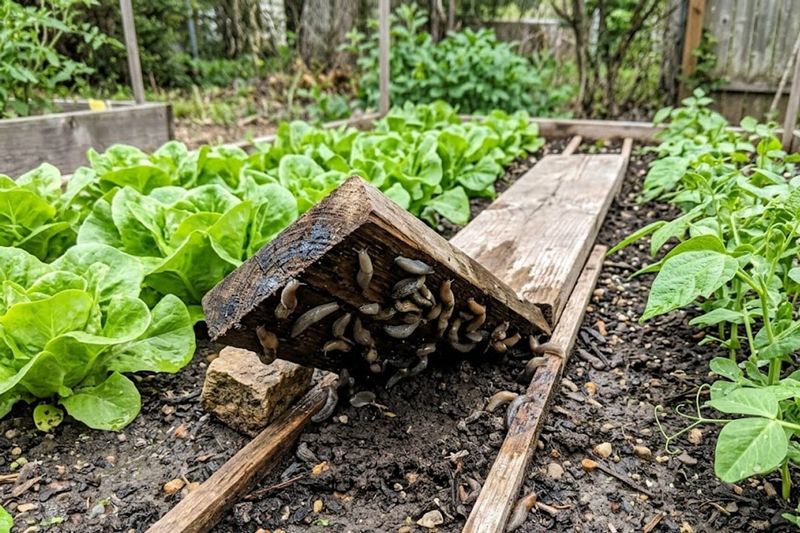
Then widen the search. Slugs tend to hide in nearby debris, mulch, pots, or under boards during the day, so lift a few of those and look.
UF/IFAS notes that these damp shelters are where they gather.
Now read the evidence. Caterpillars often leave small, pellet-like droppings called frass, and some species spin light webbing.
UMass Extension describes these signs, along with the shiny slime trails that point to slugs.
One caution: finding no slime does not clear slugs. Trails dry up, get washed off by irrigation, or may never show on leaf surfaces.
Treat each clue as one piece of the picture, and keep looking if the picture is unclear.
A severed young stem points toward cutworms

Picture a small lettuce seedling lying on its side, snipped off right at the soil. That is a stronger cutworm clue than any pattern of leaf holes.
According to Virginia Tech Extension, cutworms usually feed at night and hide in shallow soil or debris during the day.
That daytime habit tells you where to search. Go out after dark with a flashlight and check the soil around a freshly damaged plant.
You can also dig gently in the top inch or so nearby, since a cutworm may be curled into a C-shape.
Leaf damage does not completely rule cutworms out, because some species can climb and feed on leaves. But a cut stem on a young plant is the better lead.
Even then, confirm before acting. A severed stem plus a curled caterpillar in the soil nearby is a reasonable identification.
A stem cut alone is a good hint, not proof.
Armyworms can injure the crown and growing point
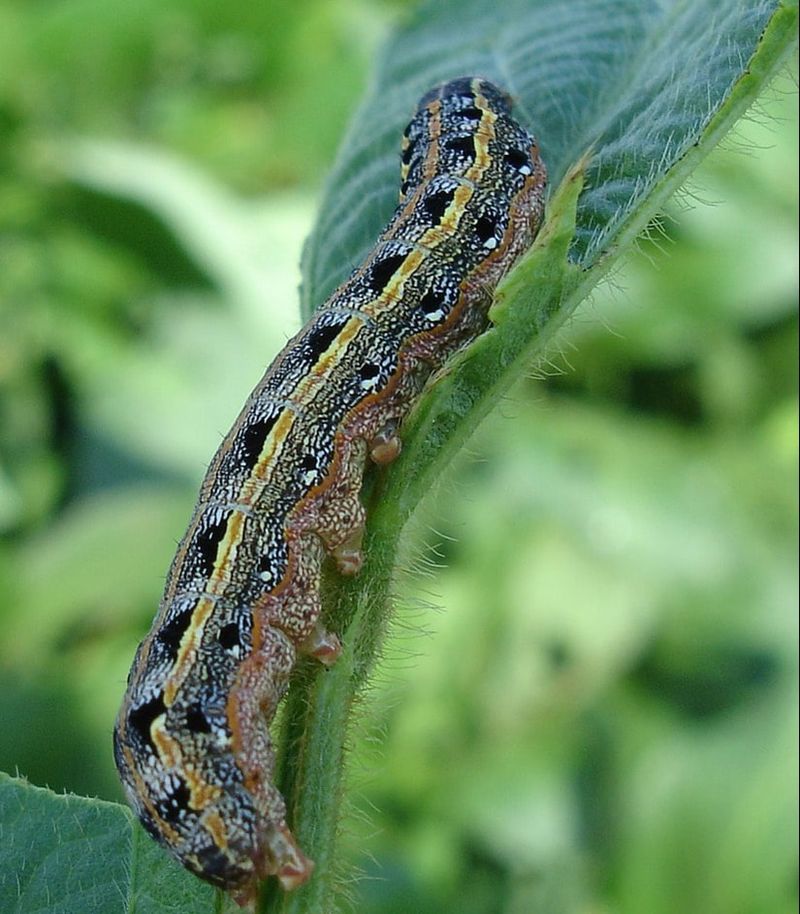
Armyworms are a different story from cutworms, and mixing them up leads to the wrong expectations. Instead of clipping a seedling at the soil, armyworms can injure lettuce seedlings at the crown and growing point, and some can bore into formed heads.
A plant with a chewed-out center is worth a closer look.
Florida guidance in UF/IFAS Common Insect Pests of Lettuce names beet armyworm and other Spodoptera caterpillars among lettuce pests. Pull back outer leaves and check inside the head for droppings or a feeding caterpillar.
The word armyworm covers more than one species. The UC IPM lettuce profile describes a different armyworm than the beet armyworm in the Florida list, so appearance and damage alone may not tell you which one you have.
Armyworms do not explain every ragged hole, either. Loopers and other caterpillars also feed on lettuce, and slugs remain possible.
Name the pest only after you have found it on the plant.
Hand-pick confirmed caterpillars before considering a spray
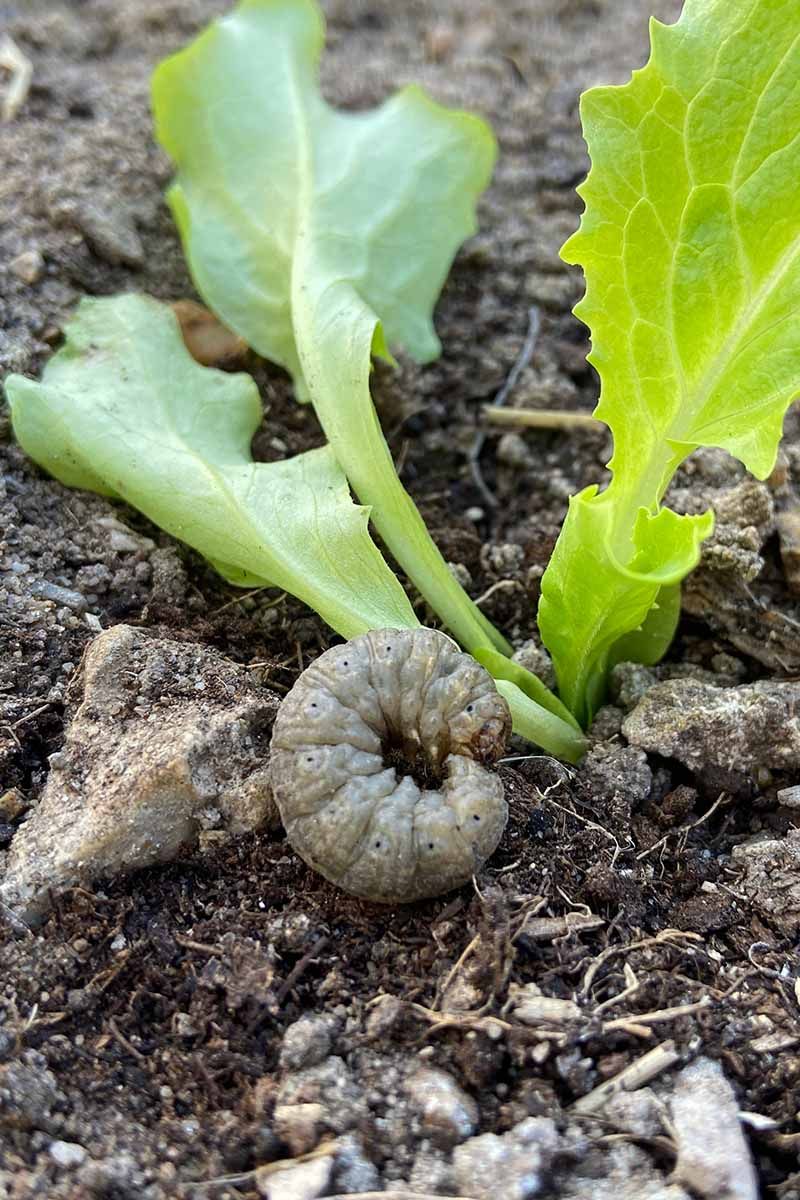
Once you have actually found caterpillars, start small. For a modest infestation in a home garden, hand-picking at night is a sensible first step, and Virginia Tech Extension lists it among the options for cutworms.
Drop the caterpillars into soapy water, and repeat for several evenings.
If numbers keep climbing, a caterpillar-targeting Bt product is one option, but only if its label lists lettuce and the pest you found. Bt tends to work best on young, actively feeding larvae, so older caterpillars may not respond as well.
Natural does not mean harmless to everything. Cornell Cooperative Extension notes that Bt kurstaki affects moth and butterfly caterpillars, so keep it from drifting onto plants that host caterpillars you want around.
Read the label for crop directions and the preharvest interval, which is the wait between spraying and harvesting. Mississippi State Extension explains why these intervals matter.
Cutworm collars are prevention for vulnerable young transplants. They will not fix holes in established leaves.
If you find slugs, choose slug-focused steps
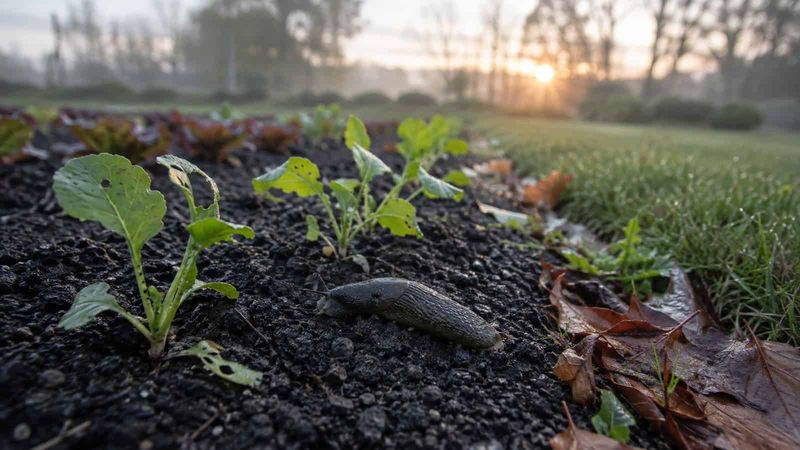
Sometimes the flashlight turns up slugs instead. In that case, caterpillar steps will not help, and the response shifts.
Hand-pick slugs at night, or set out a simple board or flat shelter and check beneath it during the day, when they tend to hide.
You can also make your bed less inviting. Clearing excess damp debris and cutting back on unnecessary irrigation can make hiding places less favorable, though these steps may reduce slugs rather than eliminate them.
UF/IFAS also advises identifying snails before control, since some are beneficial.
Skip the salt. It can damage plants and soil, which puts your lettuce at risk along with the pest.
The takeaway is simple: holes tell you something ate your lettuce, but the culprit you find tells you what to do.