
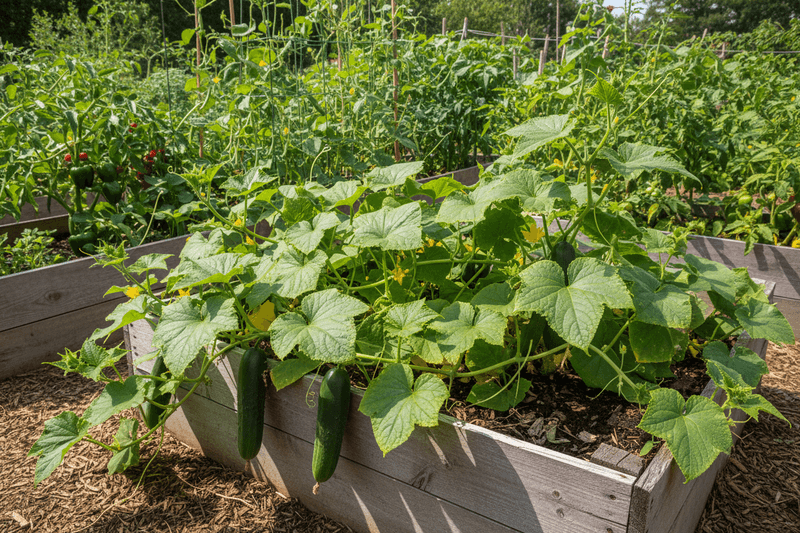
Your fall cucumber vines were cranking out fruit, and then a cool snap hit. Now the growth has slowed and the cucumbers taste sharp.
Cold may play a part, but it is rarely the whole story. Here is how to sort out what is going on and what to do with the vines you have left.
Cold can slow growth, but it does not explain bitterness by itself
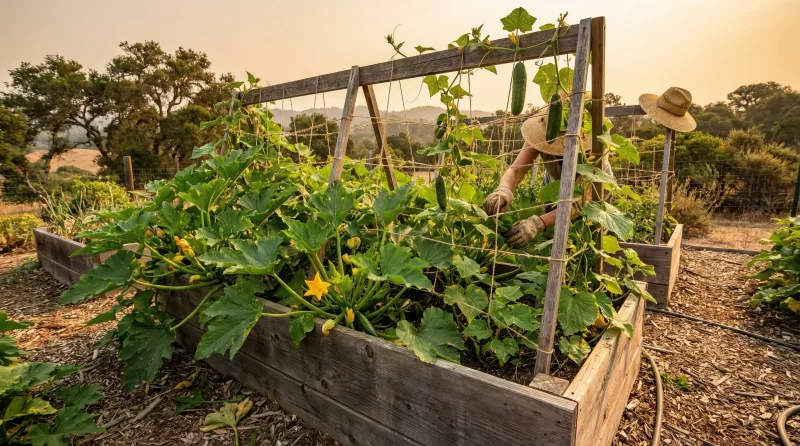
Cool weather and bitter fruit often show up together, so it is easy to link them. The two are separate problems, though.
Penn State Extension notes that temperatures below 50°F slow cucumber growth and maturity.
Slower growth is not the same as cold injury. Purdue Extension warns that a sudden drop below 50°F can cause cold damage in actively growing plants.
The key word is sudden, since a gradual cooling gives vines more time to adjust.
Fifty degrees is a useful warning sign, not a line every vine obeys. Some vines may keep creeping along, while others stall.
Neither fact shows that one cool night made a particular vine stop growing or made its fruit bitter, and flavor needs its own check.
Check several possible contributors to bitter fruit
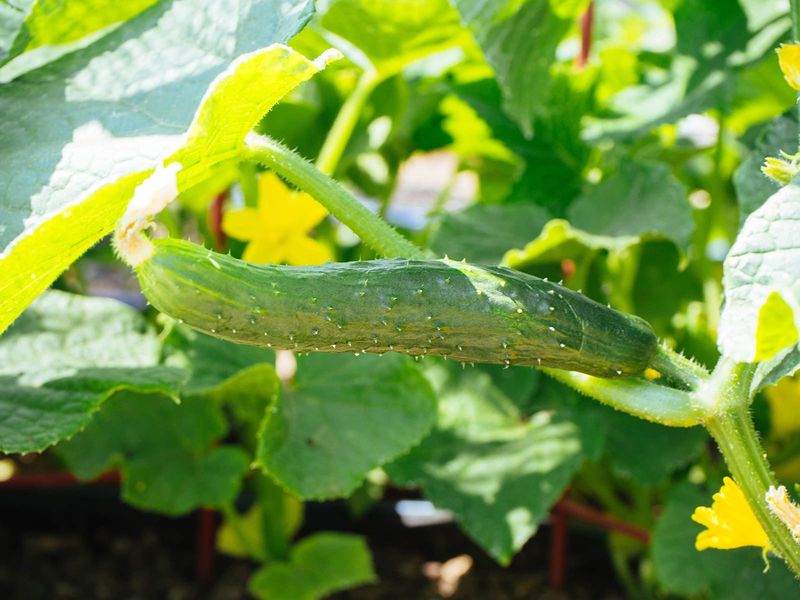
Bitterness usually points to a plant under stress, and stress comes in many forms. Alabama Extension lists wide temperature swings as one contributor.
It also names soil moisture, fertility, soil pH, disease, and insects as possible stressors.
Heat belongs on that list too. Nebraska Extension points to high temperatures and too little or uneven water as bitterness triggers.
Variety matters as well, since some cucumbers are simply more prone to it.
Fall in the South can deliver hot afternoons followed by chilly nights, so a vine may face several stresses at once. Cold may be part of the picture, but nothing here suggests it is the only or the most likely cause.
Treat the list as a checklist, and work through it vine by vine in the next steps.
Poor pollination can affect fruit set and shape
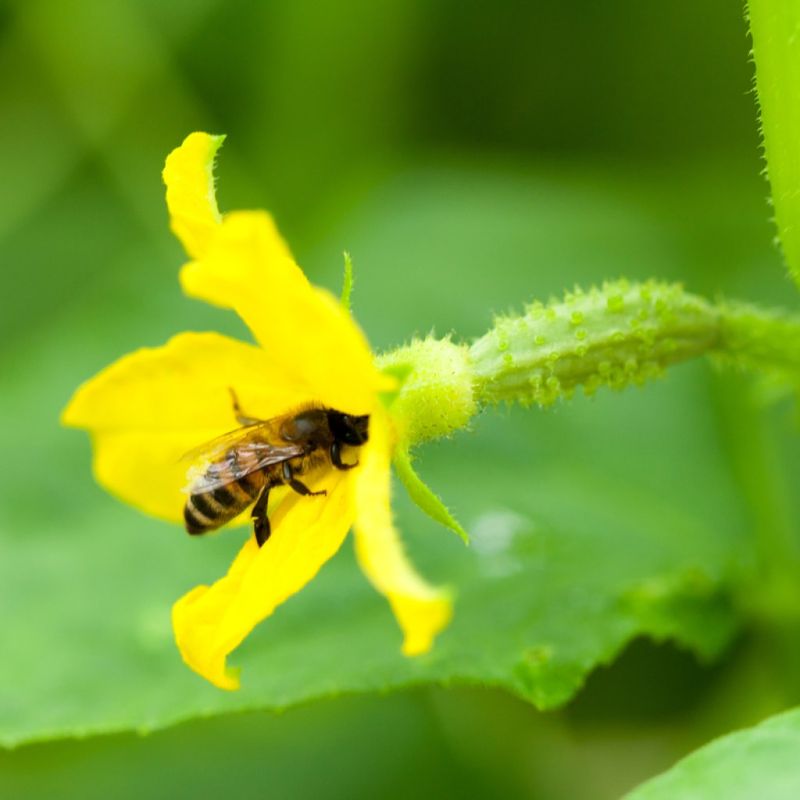
Stunted or crooked cucumbers are not automatically a cold symptom. Cucumbers need pollination to form properly, and UF/IFAS Gardening Solutions notes that outdoor plants generally rely on bees.
Fewer bee visits can mean fewer fruit.
The University of Arkansas Extension says inadequate pollination can reduce fruit set or produce misshapen cucumbers. Look for small fruit that yellow and drop, or cucumbers that are fat at one end and pinched at the other.
Keep this separate from the flavor question. Pollination affects how fruit develops, not how it tastes.
A well-shaped cucumber can still be bitter, and a misshapen one can taste fine, so judge shape and flavor on their own.
Inspect the vine before changing its care
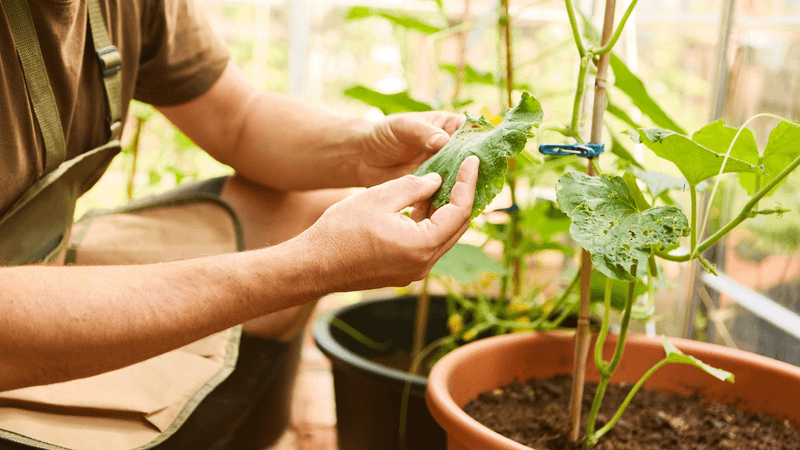
Start with the soil. Push a finger a couple of inches down near the roots, since dry pockets and soggy patches both stress plants.
Alabama Extension lists moisture among the factors tied to bitter cukes, so aim for reasonably steady moisture rather than feast and famine.
Next, turn over a few leaves. Look for aphids, cucumber beetles, spotting, mildew, or wilting that does not match the soil moisture.
University of Georgia Extension covers common cucumber pests and problems worth knowing.
Hold off on fertilizer unless you have evidence of a nutrient problem, such as a soil test or clear deficiency signs. Extra feeding on a cool-stressed vine may not help.
These checks can reveal or ease stress, but they cannot promise a rescue for a failing vine.
Harvest sound cucumbers before they become overmature
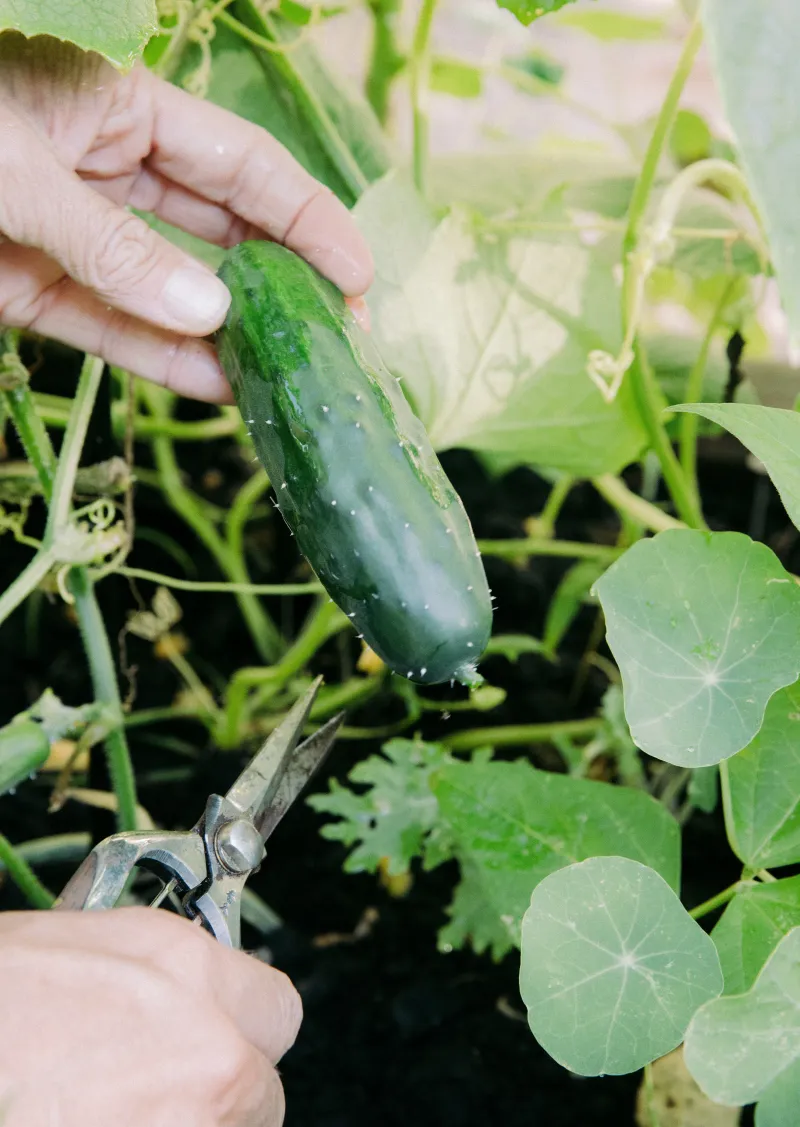
Cucumbers taste best when they are still immature, so an oversized fruit sitting on a slow vine is rarely a good deal. Pick firm, sound cucumbers at a usable size as soon as you see them.
Illinois Extension encourages harvesting on the young side for the best quality.
Walk the vine every day or two, and look under the leaves. Fruit you miss keeps ripening, and University of Georgia Extension explains that leaving ripening fruit can hinder continued development.
Yellowing, bloated cucumbers are past their prime.
Picking promptly gets usable fruit to your kitchen before frost or overripeness claims it. It does not guarantee a cold-stressed plant will start growing again, so treat it as good housekeeping rather than a fix.
Harvest ahead of frost and treat covers as limited protection
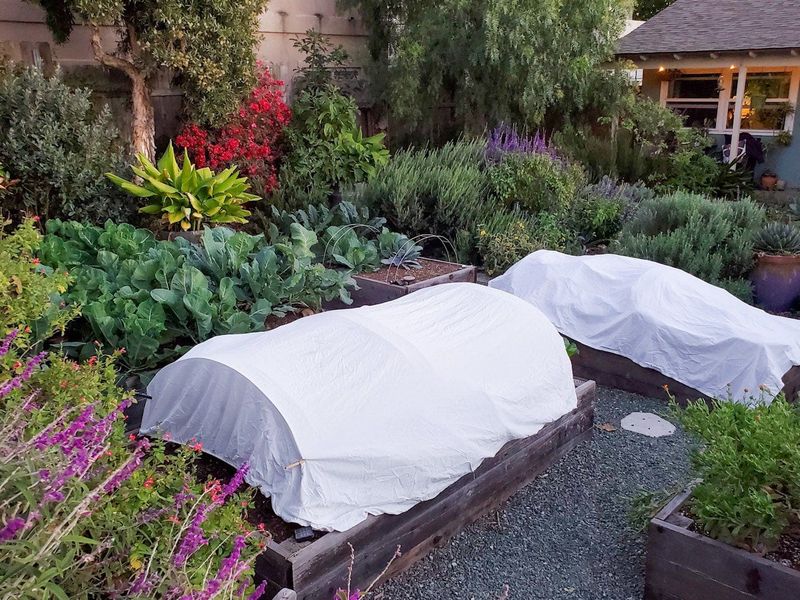
When the forecast shows frost, pick ripe cucumbers first. Fruit left outside overnight can be damaged, and you will not get it back.
Virginia Cooperative Extension covers fall garden protection, including covers.
A sheet or frost cloth may help a vine through a mild frost. It is not a guarantee against damaging cold, and a hard freeze can still get through.
Weigh it against how much the vine is worth keeping.
Covers over blooming plants come with a catch. UF/IFAS notes outdoor cucumbers generally rely on bees, and a cover can block them.
Uncover on mild mornings so pollinators can reach the flowers.
November is not a universal end to cucumber season
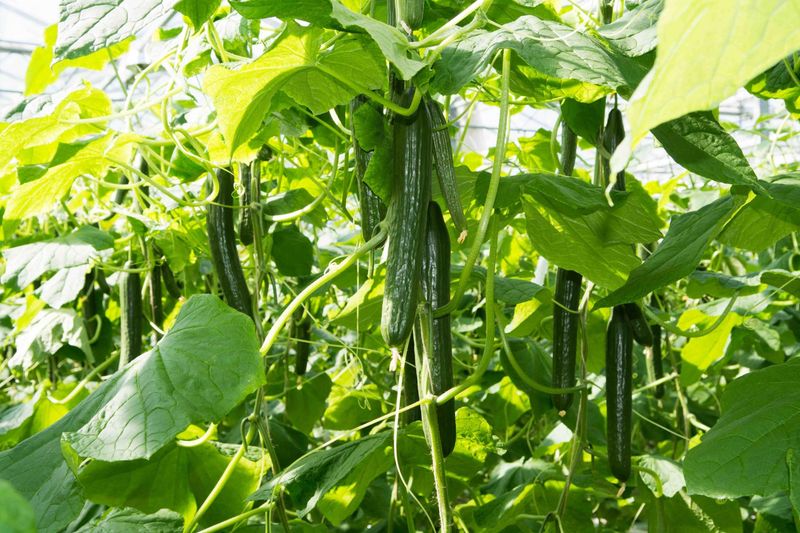
A calendar page cannot tell you when your cucumbers are done. In Central Texas, Texas A&M AgriLife Extension says fall cucumbers may be harvested from November until the first frost.
That puts the finish line at the frost, not the month.
Florida varies even more. UF/IFAS gives separate planting windows for North, Central, and South Florida, including fall and winter planting in the south.
A November vine in Miami lives a different life than one in Pensacola.
Check your local planting window and your frost outlook before deciding what to do with your vines. A cool week may be a pause in warm country and a finale up north.
Let your local forecast make the call.
Treat mild and intense bitterness differently
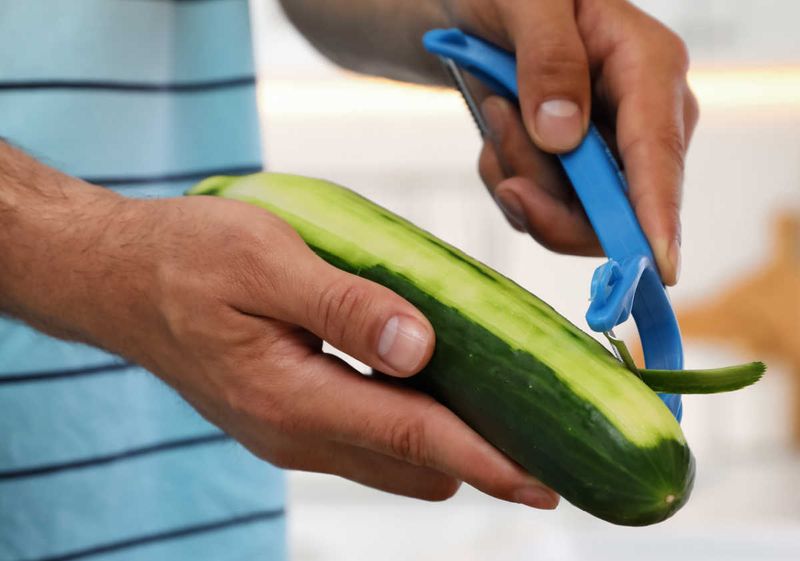
A slightly bitter cucumber is often still usable. Nebraska Extension notes bitterness tends to concentrate near the skin and stem end.
Peeling the cucumber and cutting off the stem end may improve mild bitterness.
Taste a small piece first. If it is only faintly sharp, those steps often help, though results vary.
Intense bitterness is different. Bitterness comes from cucurbitacins, and the FDA notes high concentrations can cause illness.
If a cucumber tastes strongly bitter, discard it rather than trying to make it edible.
Peeling is not a safety fix for harsh fruit. When in doubt, the compost pile is the safer place for it.