
Fall in California is the best time to plant wildflower seeds, because the winter rains do most of the watering for you. Many public libraries and garden groups across the state run seed libraries where you can pick up native seeds for free.
Planting natives instead of thirsty lawn grass or invasive flowers can help bees, butterflies, and birds that depend on them. Here are eight seed libraries and programs worth checking out before the first big storm rolls in.
1. Richmond Grows Seed Lending Library
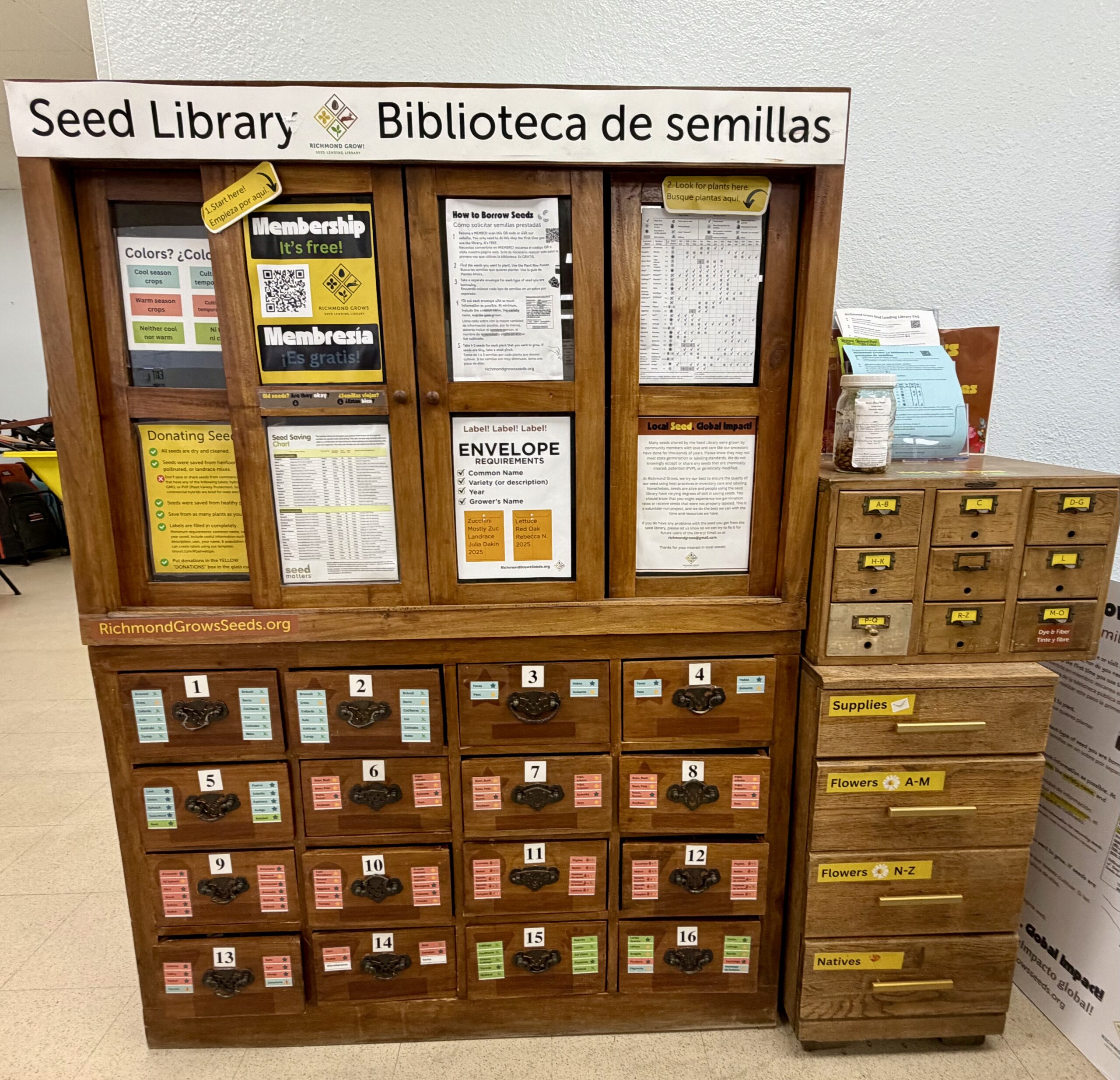
Back in 2010, a small group in Richmond had a simple idea: what if a library loaned seeds the way it loans books? Richmond Grows became one of the best-known seed libraries in the country, and it inspired dozens of copycats around California.
The setup is easy to use. You browse labeled drawers, take a few packets home, and you are invited to return some seeds after your plants bloom.
Offerings change by season, so it may help to call ahead or check their posts before visiting.
For Bay Area homeowners, the timing lines up nicely with fall sowing. Seeds scattered in October or November can sprout with winter rain and bloom in spring with little extra water.
2. Sacramento Public Library Seed Library
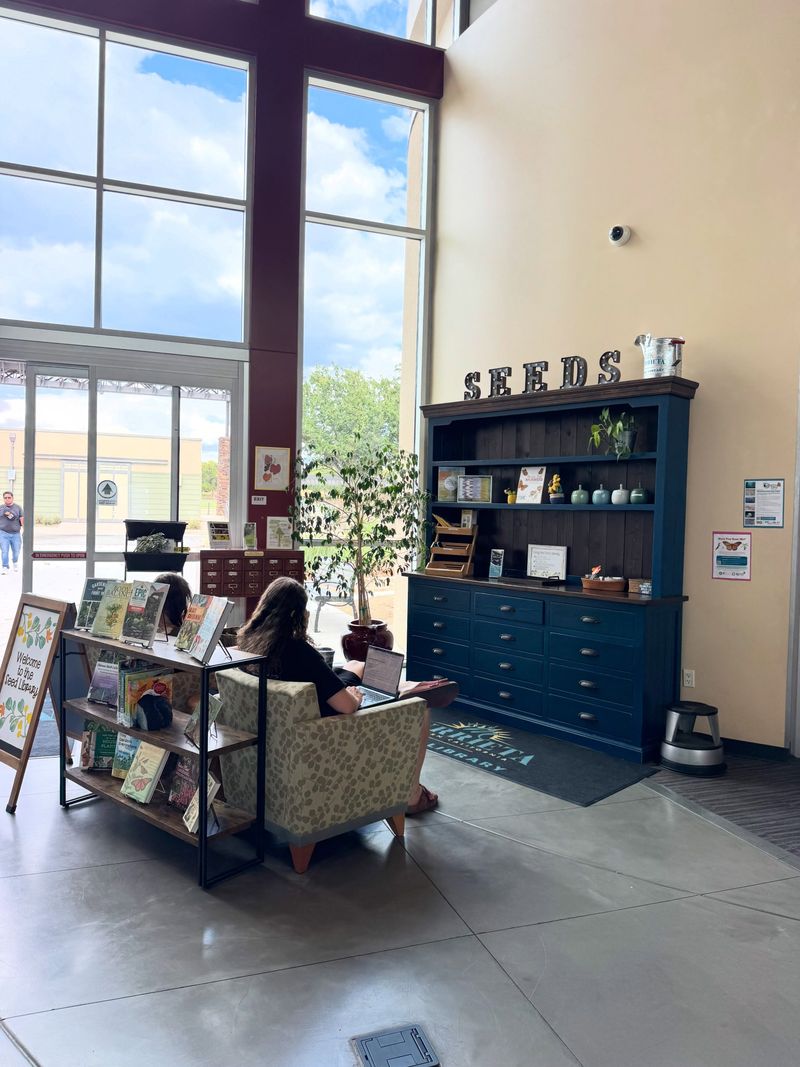
Got a library card in Sacramento County? You already have access to one of the larger public seed programs in the Central Valley.
Several branches have offered free seed packets, often including vegetables alongside native and pollinator-friendly flowers. Inventory varies from branch to branch, so checking the library website first can save you a trip.
Valley summers are brutal, which is exactly why fall planting matters here. Natives like California poppy and arroyo lupine can root down during the cool, wet months and finish blooming before the heat hits hard.
3. San Diego Seed Company and Library Partnerships
Southern California gardeners face a tricky balance. Rain is scarce, water rules can be strict, and many yards still hold plants that need constant irrigation.
Several San Diego County library branches have hosted seed libraries and exchanges, sometimes stocked with help from local growers. Look for coastal-friendly natives such as tidy tips, California bluebells, and goldfields.
These little annuals ask for almost nothing once winter rain arrives. Even a small patch near a walkway can draw native bees that you may not have seen in your yard before.
4. California Native Plant Society Chapter Seed Exchanges
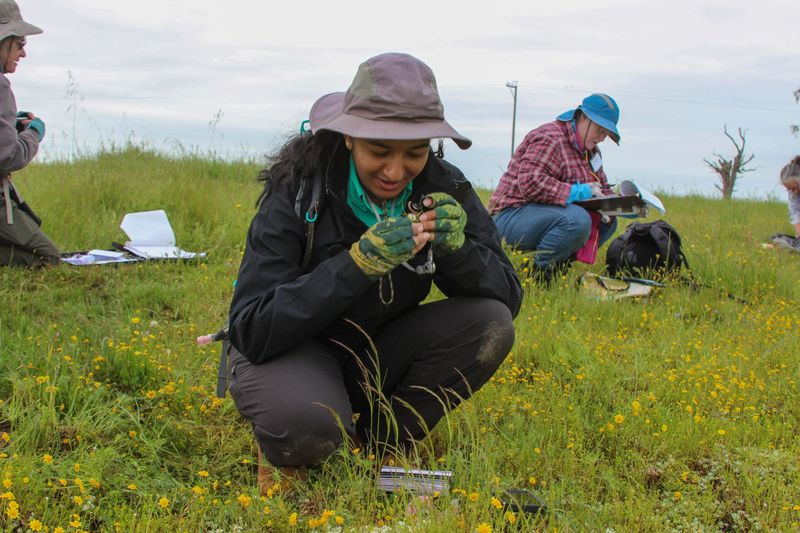
Here is a tip many new native gardeners miss. Local CNPS chapters often run seed exchanges at fall plant sales and member meetings.
The big advantage is local know-how. Volunteers can tell you which species fit your soil, your slope, and even your fire zone, which a generic garden center rack cannot.
Some seeds may be free while others cost a small donation. Either way, you walk away with seeds suited to your region and advice from people who have grown them for years.
5. Los Angeles County Library Seed Programs
Picture a suburban yard in the San Fernando Valley that swaps a strip of lawn for purple phacelia and orange poppies. Bees show up within weeks of the first bloom.
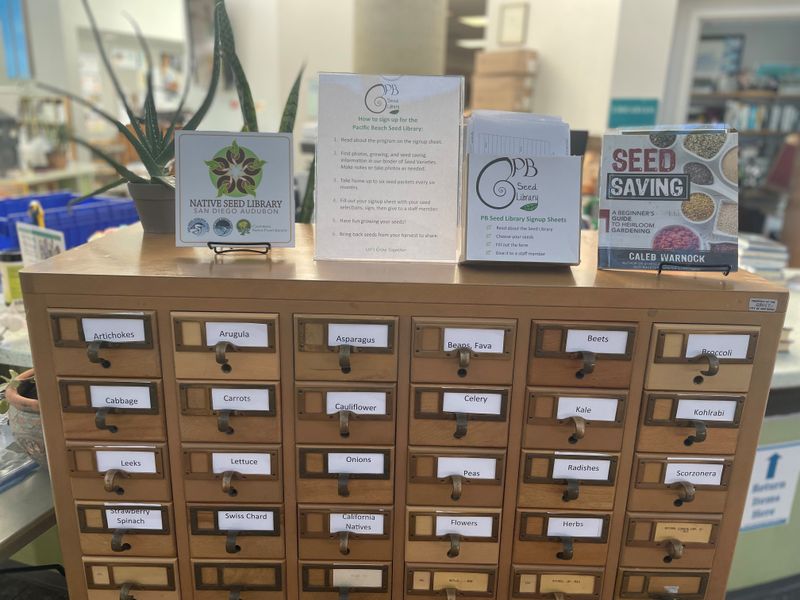
Various LA County Library branches have offered seed libraries, and some host workshops on saving and sowing seeds. Stock tends to change, so it pays to look up your nearest branch.
Phacelia is a particular favorite among native bees. Planting it is a small, real step toward a yard that supports wildlife instead of working against it.
6. Santa Cruz Public Libraries Seed Library
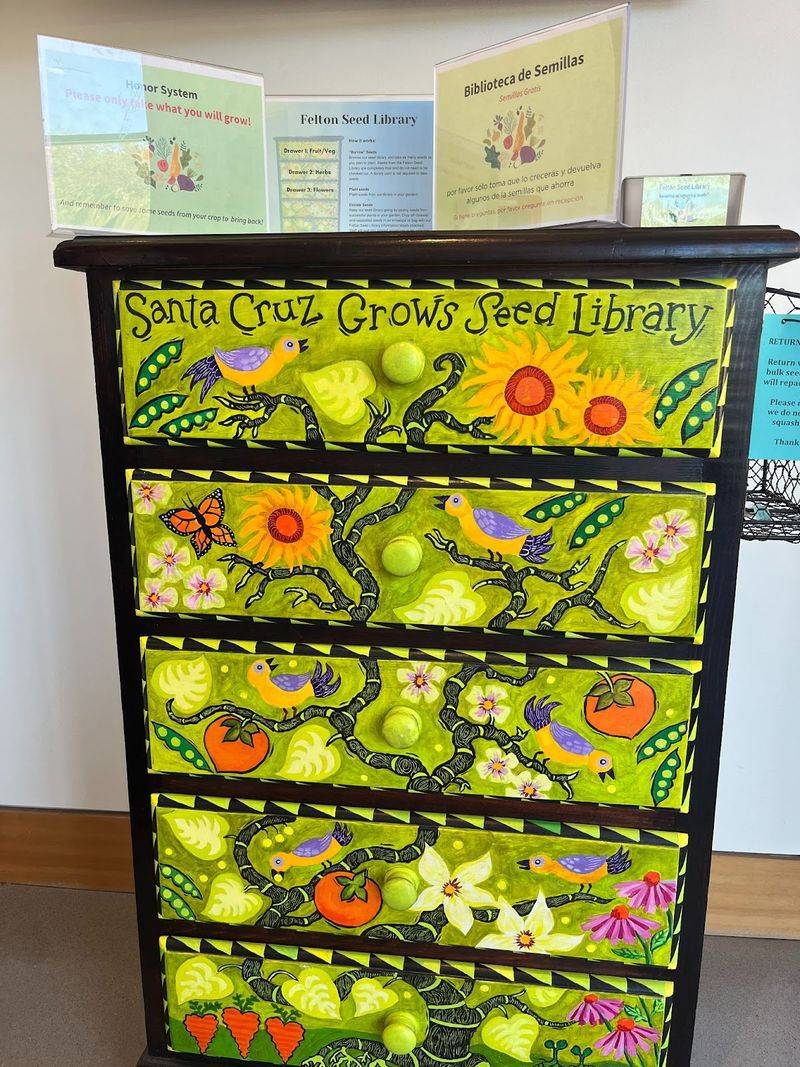
Fog, mild temperatures, and decent winter rain make the Central Coast a friendly place for wildflowers. Santa Cruz Public Libraries have been known for supporting seed sharing in the community.
Coastal gardeners can try species like seaside daisy companions, clarkia, and California poppy. Clarkia is often called farewell-to-spring because it blooms as the wet season ends.
Fun fact: clarkia was named after William Clark of the Lewis and Clark expedition. A little history in your flower bed never hurts.
7. Fresno County Public Library Seed Library
Farm country surrounds Fresno, yet plenty of homeowners there are still learning that a few native flowers can do a lot for local pollinators.
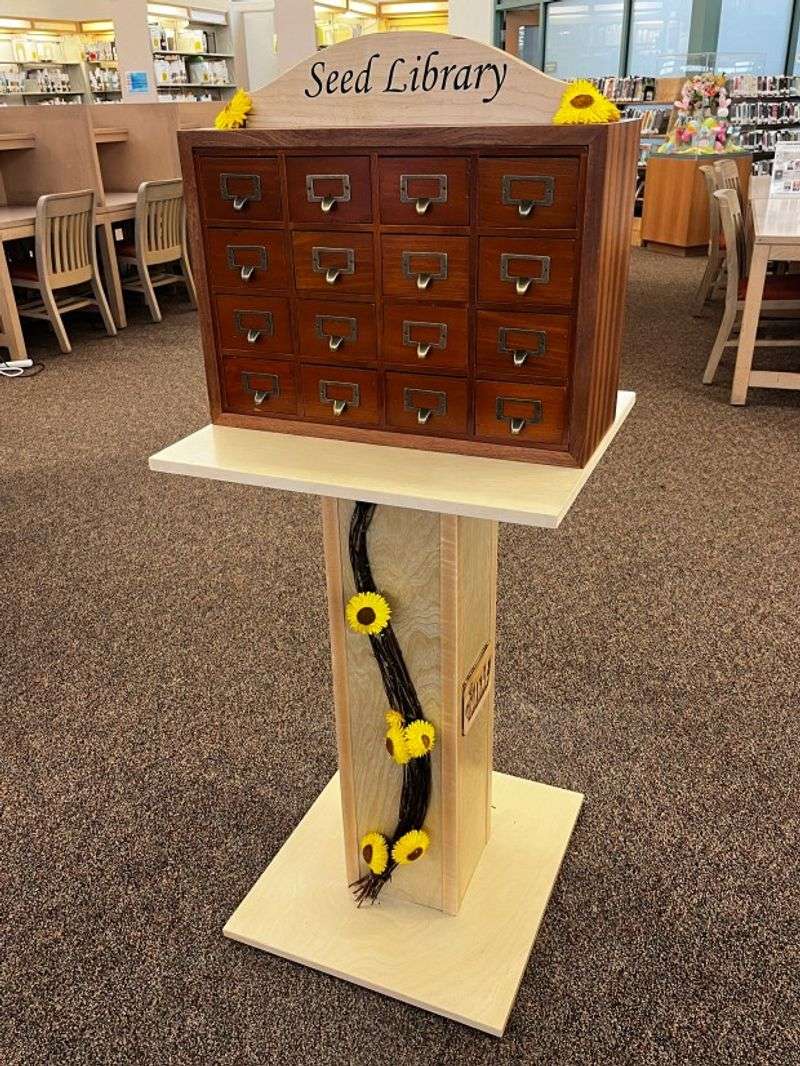
Fresno County Public Library has offered free seeds through its seed library program at participating branches. Selections have included edible plants and flowers, so ask staff which packets are California natives.
One practical hint: sow on bare, weeded soil and press seeds in lightly. Birds love an easy snack, and good seed-to-soil contact gives your wildflowers a better shot.
8. Little Free Seed Libraries in Your Neighborhood
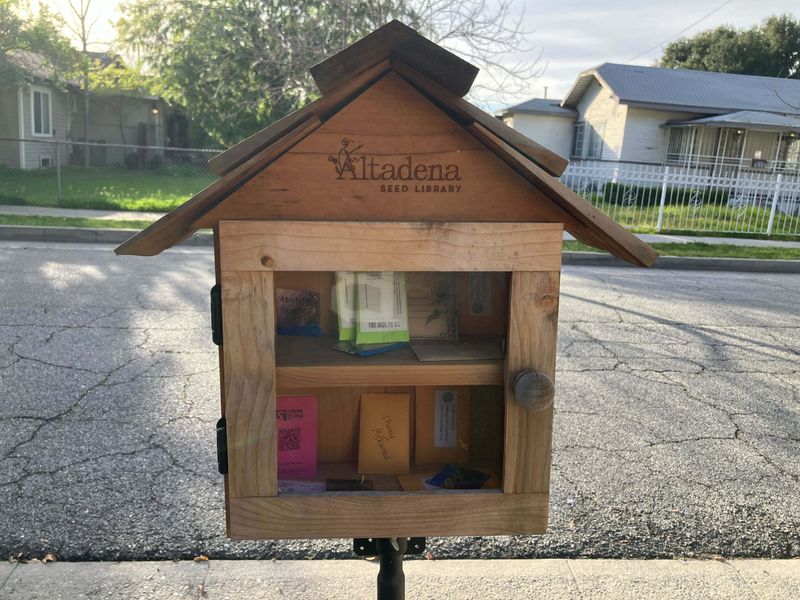
Sometimes the best seed source sits on a neighbor’s fence post. Small, homemade seed boxes have popped up across California suburbs, often stocked by local gardeners.
Quality and labeling can vary, so read packets carefully. Skip anything that looks like an invasive species, such as some non-native wildflower mixes that can crowd out true natives.
Feel like giving back? Save seeds from your own poppies or lupines next summer and leave a few packets for the next gardener.
That small habit can spread native blooms down a whole street.