
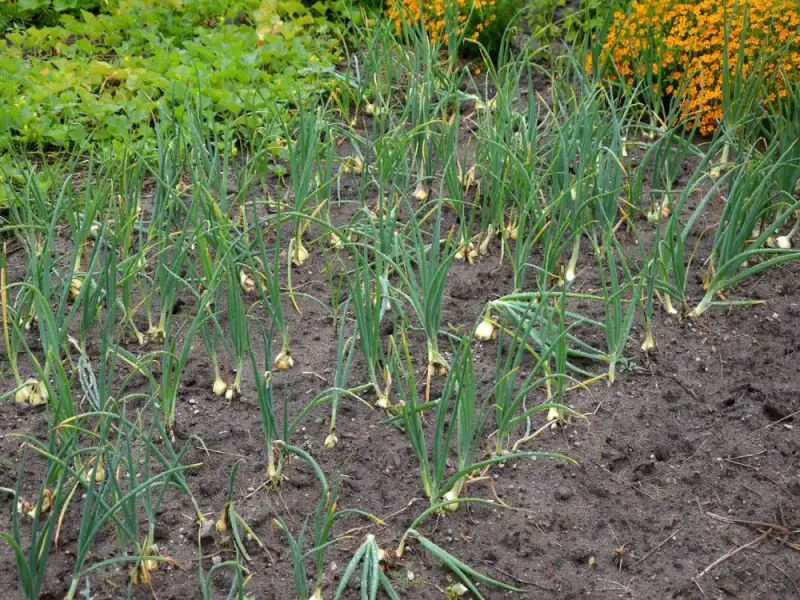
Spotting yellow leaves on your onion sets can make your stomach drop, especially when you planted them with such high hopes. The color change is real, but it does not point to just one problem.
Before you change how you water or build anything, a few quick checks can tell you what your plants are really dealing with. Here is how to look closely and choose a fix that fits.
Yellow leaves are a clue, not a diagnosis
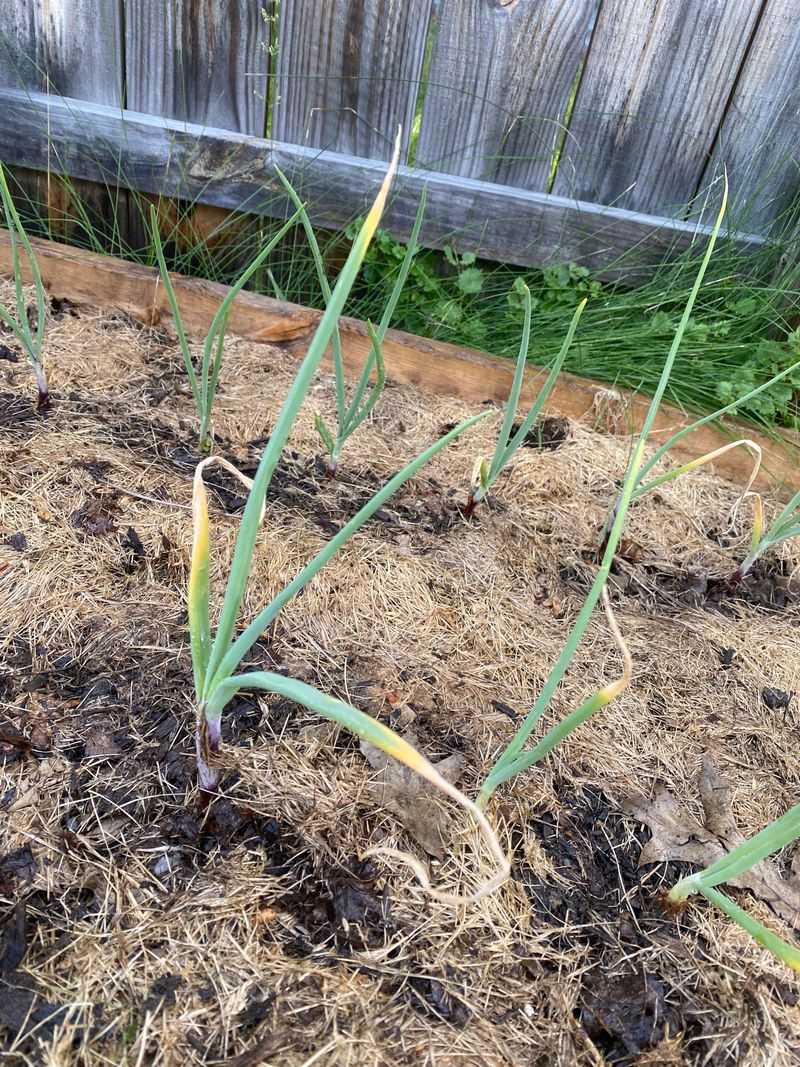
Seeing yellow on your onion tops is worrying, but the color alone cannot name the cause. Yellowing is a general symptom, and University of Maryland Extension notes it can come from waterlogged soil, disease, insects, nutrient problems, or the normal aging of older leaves.
That means November on the calendar does not point to a single culprit. A bed that is perfectly well drained can still produce yellow leaves, and a soggy bed can show up with plants that look fine for a while.
The leaf color is simply the first signal that something deserves a closer look.
So the smart move is to gather clues before you change anything. Check the soil, look at which leaves are affected, and inspect the roots and bulb base.
Each step narrows the list of possible causes, and together they help you pick a fix that matches what is actually happening in your garden rather than guessing from one symptom.
Check the soil before changing how you water
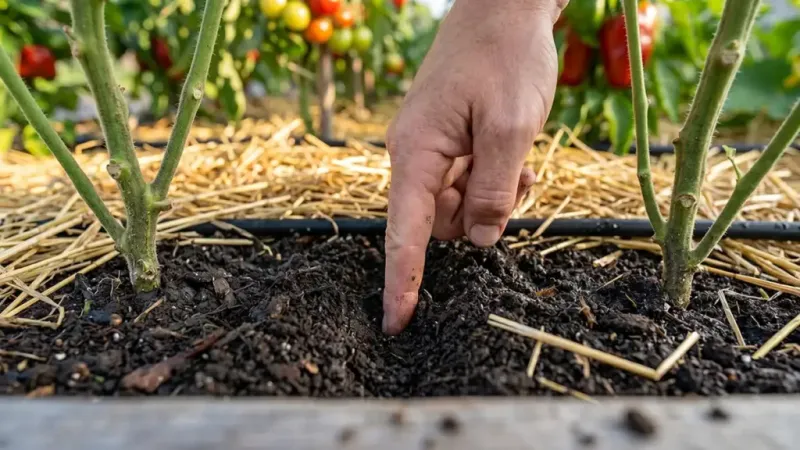
Soil moisture is the easiest clue to check, and it takes about a minute. Push a finger two or three inches down beside your onions.
Moist soil feels like a wrung-out sponge and crumbles a bit. Saturated soil feels slick, leaves water on your skin when squeezed, or leaves a puddle in the hole.
Think about the past week too. Did a heavy rain or a cold, cloudy stretch keep things damp?
Walk the bed after a storm and see whether water pools in one corner or drains within a few hours. Persistent standing water tells you much more than leaf color does.
Onions still need water. Alabama Extension advises keeping soil consistently moist but not saturated, and Michigan State Extension describes evenly moist, not wet.
Adjust watering only after you have felt the soil and counted recent rain.
Look for patterns beyond general yellowing
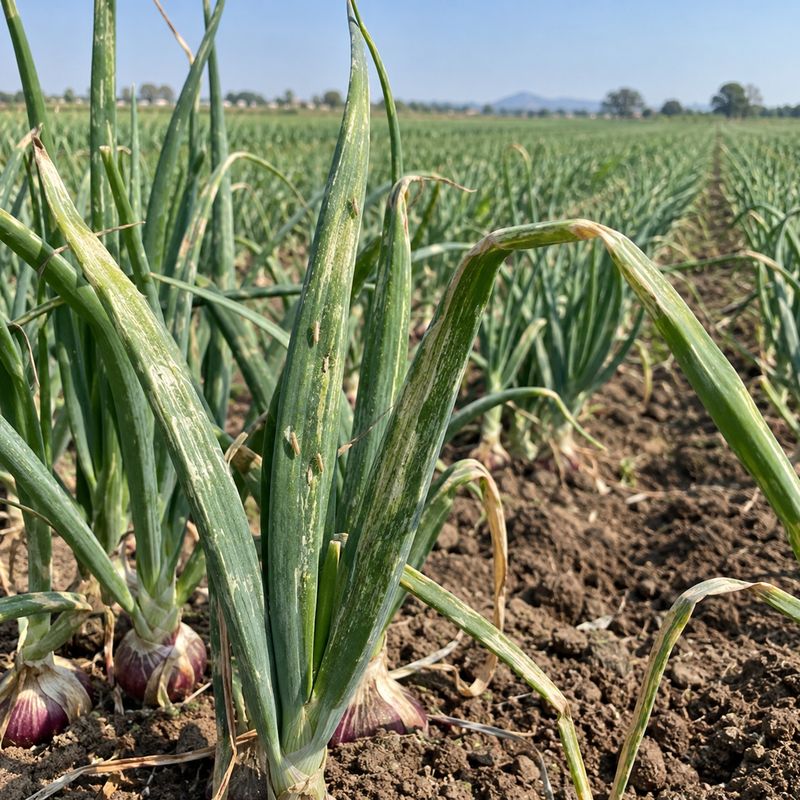
Take a slow walk down the row and notice which leaves are changing. If only the oldest, outermost leaves are fading while new growth stays green, that can simply be normal aging.
Yellowing across the whole plant or in the newest leaves tells a different story and deserves more attention.
Now look at the surface of the leaves. Washington State University Extension describes onion thrips damage that may start as pale or silvery streaks, which later turn yellow or brown.
A hand lens can help you spot tiny insects near the leaf bases.
Treat these as clues, not final answers. Streaks may point toward thrips, but they do not prove it.
In the same way, yellow leaves do not prove poor drainage. Write down what you see, including which leaves, what pattern, and how fast it spreads, so the next steps make more sense.
Inspect the roots and bulb base for disease clues
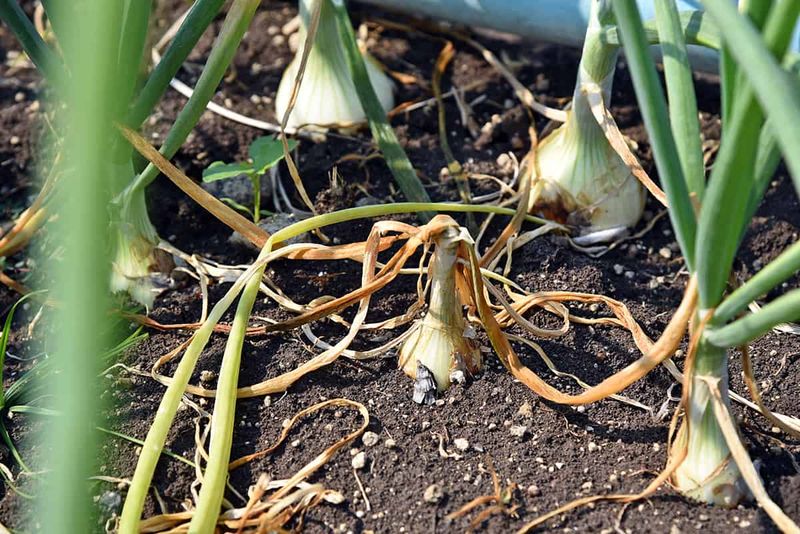
When leaves leave questions, the plant base can offer answers. Loosen the soil and carefully lift one affected onion, ideally one of the weakest.
Look at the roots, the bottom plate of the bulb, and the lowest part of the stem.
UC IPM lists several signs linked to Fusarium basal rot. These include leaf tips that yellow and die back progressively, roots that look darkened, and white fungal growth at the base of the bulb.
Finding these signs means the plant needs closer diagnosis. It does not prove that wet soil is the only cause, and one yellow leaf with healthy white roots is a very different picture.
If you see several of these clues together, a local county Extension office can help confirm what you have. Until then, avoid reaching for sprays based only on how the leaves look.
A raised bed helps when the planting area stays wet
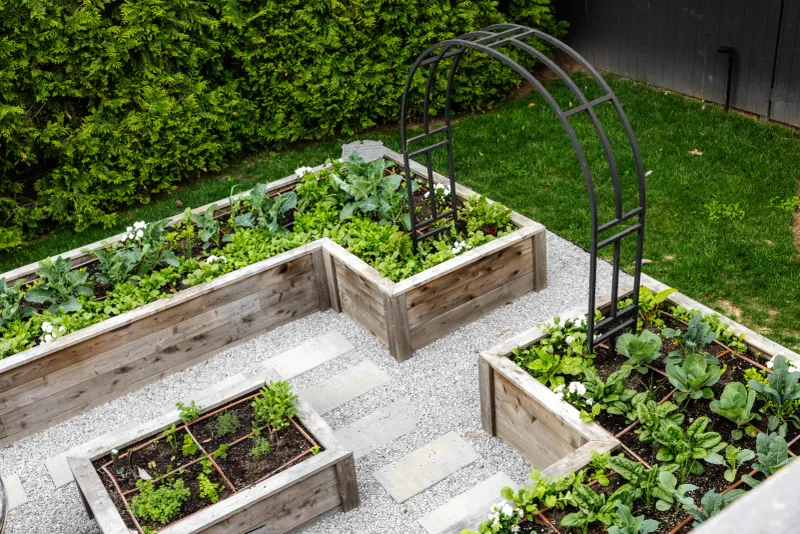
Some sites simply hold water. Heavy clay, a low spot in the yard, or a corner where roof runoff collects can keep roots sitting in soggy ground long after the rain stops.
In those places, raising the planting area can make a real difference.
As University of Maryland Extension explains, raised beds improve drainage and can reduce the risk of waterlogging. That is the job they do well.
Build one if you have watched water pool or the soil stay saturated for days. If your bed drains fine, a raised bed solves a problem you do not have.
Also keep expectations realistic. Better drainage lowers waterlogging risk, but it will not cure a disease already in the plants, and it cannot promise that no bulb will ever rot.
Fill it with loose, well-draining soil and keep watering evenly.
Fall onion timing depends on region and variety
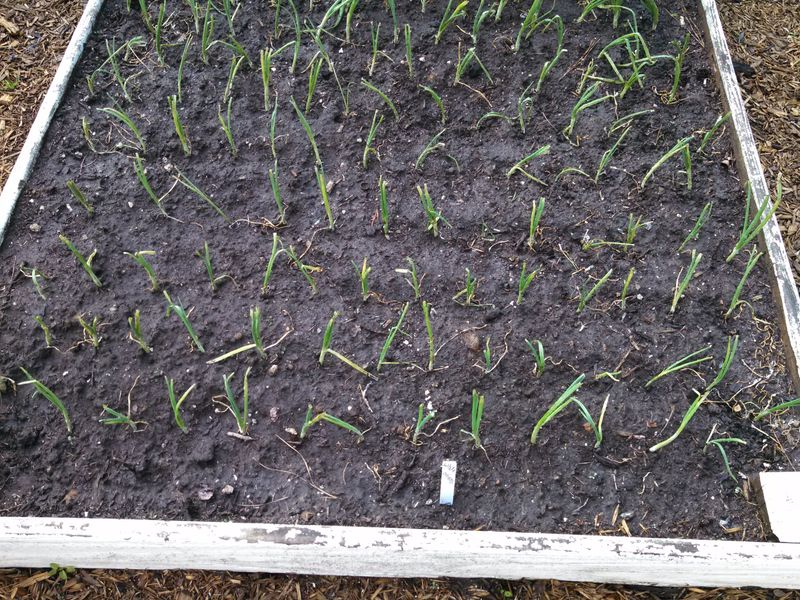
Fall planting is normal in the South, but the details change from place to place. UF/IFAS guidance recommends short-day onions for Florida and gives a planting window from September through December.
Texas is a different story. Texas A&M AgriLife Extension gives planting dates that vary by region, so a schedule that suits one part of the state may not fit another.
Florida advice should not be copied automatically into a Texas garden, and it cannot be assumed for sets whose type you do not know. Check the label on your sets, or ask the seller which day-length type they are.
Then match your timing to your own county guidance rather than assuming November suits every onion in every yard.
Choose your next step from what you find
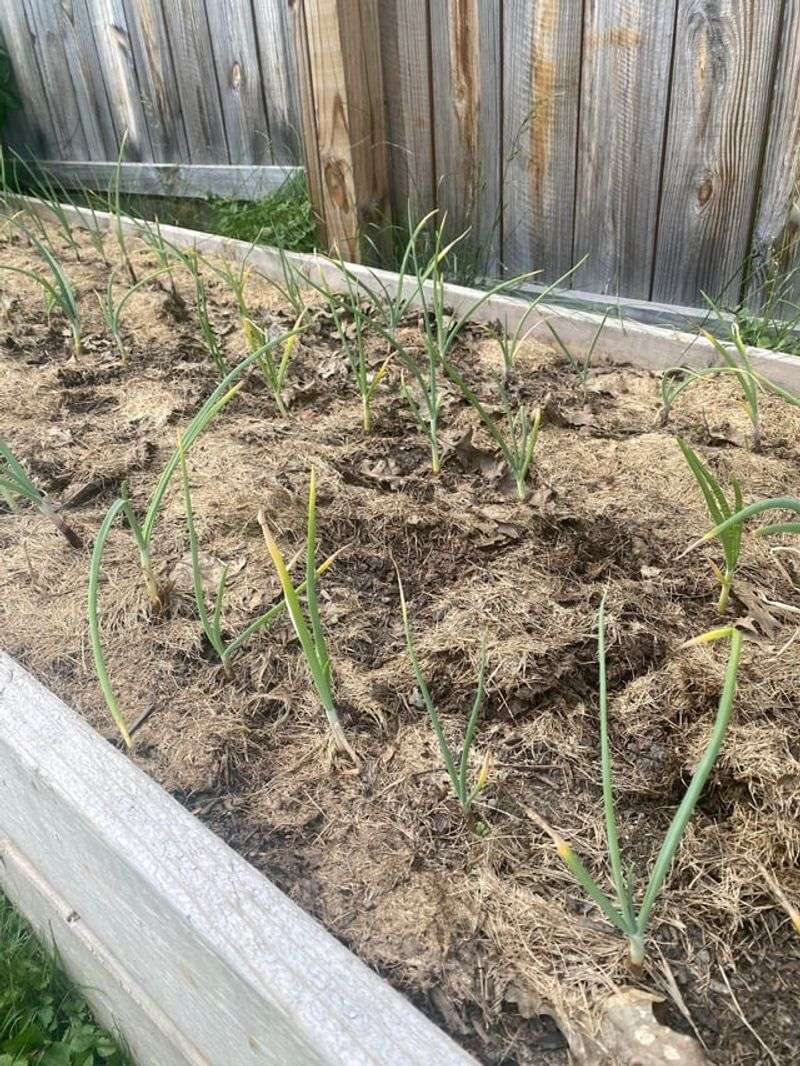
Start with the soil. Check moisture and look for pooling after rain, keeping in mind that onions still need moisture.
Next, study the leaf patterns and inspect the plant base for any of the clues described above.
If the site keeps draining poorly, a raised bed is a sensible way to improve drainage. Remember that yellow leaves alone neither diagnose rot nor predict winter loss.
Gardens answer questions when you look closely, and the best fix is usually the one that matches what you actually found.