
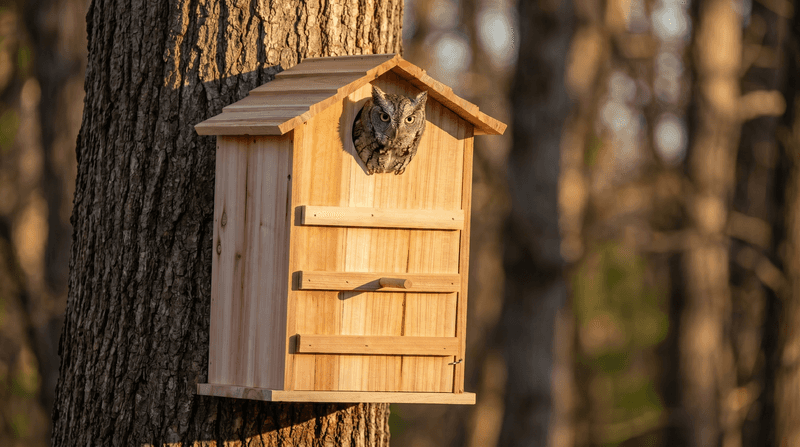
A small, well-made box might give a screech-owl a place to rest in your Central Texas yard. These little owls live in towns and suburbs, and many people never notice them.
Putting up a box in November is an easy project, but it comes with real limits. Here is what a box can and cannot do, and how to handle mice the proven way.
A screech-owl box may offer a useful cavity
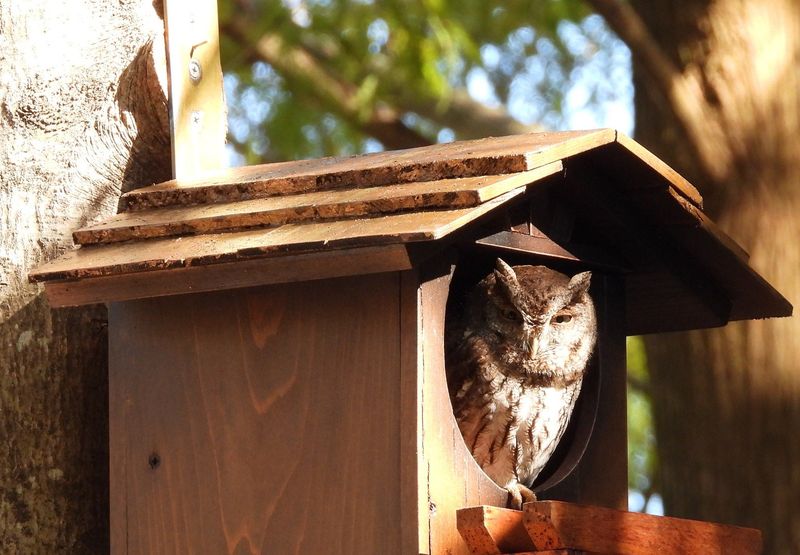
Eastern Screech-Owls live in Central Texas, and they can settle into suburban yards where mature trees offer shelter. Texas Parks and Wildlife Department notes that the Eastern species lives across most of the state, while Western Screech-Owls take over in the Trans-Pecos, with some overlap near the Pecos River.
The agency also says screech-owls sometimes accept specially designed nest boxes.
These owls are cavity users. In the wild, they depend on old woodpecker holes and natural hollows, and those can be scarce in newer neighborhoods where dead trees get removed.
A box can stand in for a missing cavity.
There is some research behind winter use, too. A long-term study in east-central Illinois, described in an Eastern Illinois University thesis, found the owls used artificial cavities more in winter.
That makes a box put up in November a sensible bit of habitat planning.
Still, nobody can promise an owl will move in. Illinois is not Central Texas, and no source shows that a box at your house will be occupied.
Think of it as an invitation that an owl may or may not accept, and be ready for a season or two of an empty box.
If you like the idea of supporting a small native predator, the cost and effort are modest. Just keep your expectations realistic and treat any visitor as a bonus.
Choose a species-specific box design
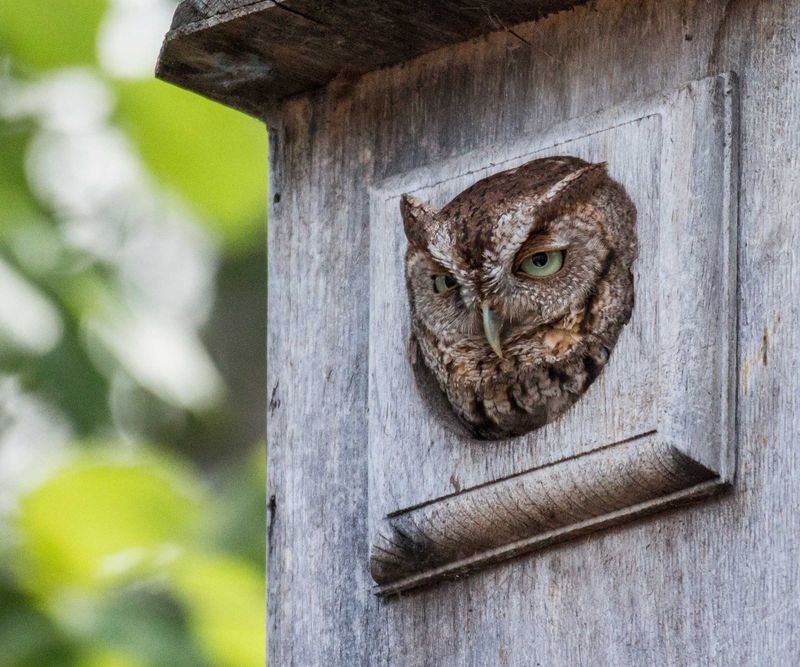
A generic birdhouse is not the same as an owl box. Screech-owls need a cavity sized for their bodies and an entrance that suits them, so start from a plan written for Eastern Screech-Owls rather than shrinking, stretching, or improvising a design.
For the entrance, Cornell Lab of Ornithology’s NestWatch recommends a 3-inch opening. It also recommends 2 to 3 inches of wood shavings or chips inside, since owls do not bring in nesting material the way many songbirds do.
Other guidance is a bit looser. UF/IFAS Extension in Sarasota County describes a small amount of shavings as optional.
So the 3-inch entrance and the shavings are best read as a plan’s recommendations, while the exact amount of bedding is where sources differ. Follow whichever complete plan you pick and stay consistent with it.
Notice what is missing here: a specific wood type. The sources used for this article do not name a required material, so look to the plan you follow for construction details like lumber, dimensions, and ventilation.
Skip any plan that does not say which species it is built for.
Before you build or buy, check that the plan names Eastern Screech-Owl, shows the entrance size, and tells you what to put inside. If it checks those boxes, you are on solid ground.
Choose a suitable site, not just an eave
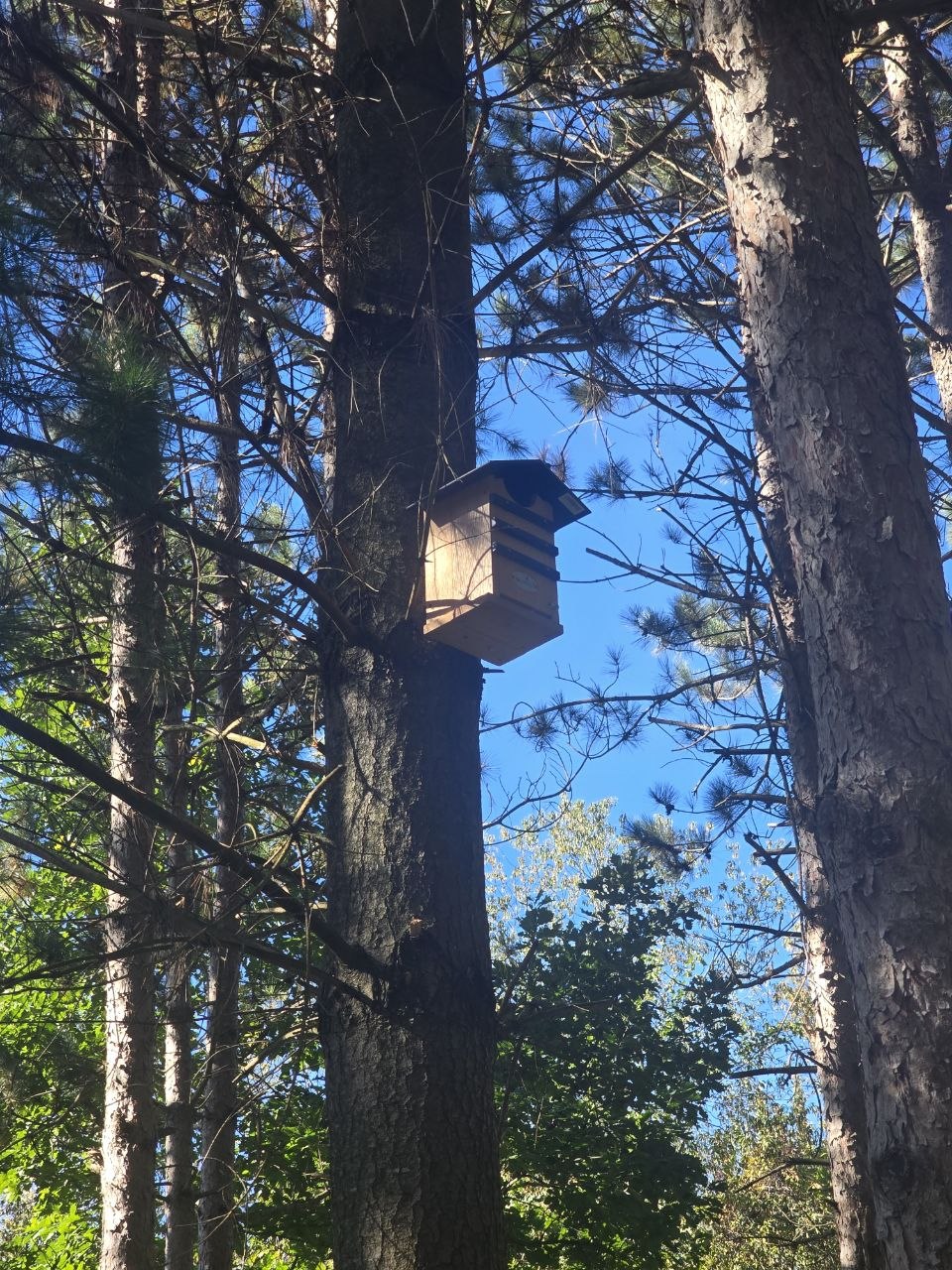
Where the box goes matters as much as how it is built. Cornell’s NestWatch suggests mounting it 10 to 30 feet high, under a limb, near a woodland edge with fields or wetlands next to it.
A nearby branch can help young owls climb out, as long as it does not block the opening.
That is more specific than the phrase under the eaves. In a Central Texas neighborhood, a yard with mature live oaks or pecans bordering a greenbelt, creek, or open lot may fit the description better than a bare wall on a treeless lot.
A building is still an option. UF/IFAS Extension lists a structure as a possible mount, though its general advice favors a sturdy tree trunk.
It also stresses shade and protection from strong winds, which matter in a place where afternoon sun is brutal and spring storms blow hard.
Run through a quick checklist before drilling anything:
Is the spot high enough and well anchored? Is the entrance clear of leaves, wires, and gutters?
Does the box get shade for much of the day? Is there woodland or open ground close by?
If the answer to several is no, a different spot, or skipping the box, may be wiser.
Secure mounting is a safety issue for you and the owls. Use a ladder carefully, get help for tall installs, and make sure the box cannot tip or swing in wind.
Use November as a chance to prepare
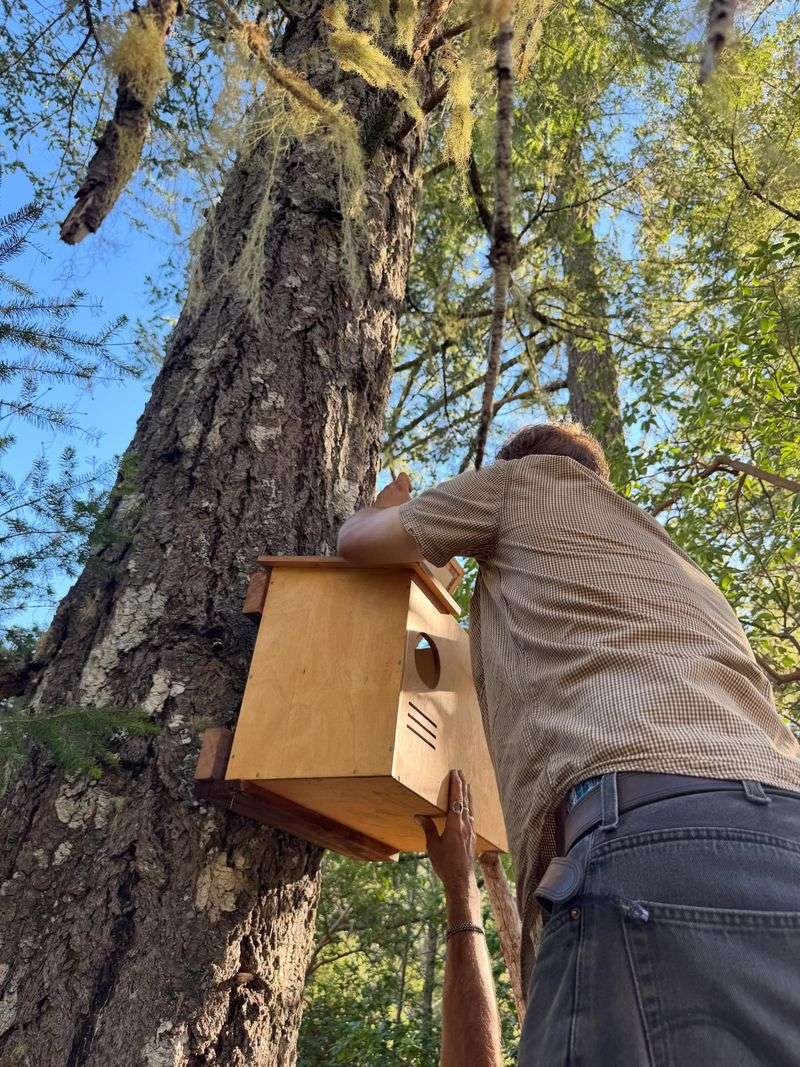
Late fall gives you breathing room. A box hung in November is ready well before nesting season, and owls have time to find it, look it over, and perhaps use it for roosting.
Missouri Extension says screech-owl boxes may be used throughout winter and recommends putting boxes up before nesting season. That supports November as advance preparation, not as a cutoff.
A box that goes up in December or January is not doomed, and a box up in November is not guaranteed a tenant.
A simple sequence keeps the project tidy:
First, pick your site using the habitat checklist. Second, choose a plan made for Eastern Screech-Owls and build or buy to match it.
Third, add the recommended shavings. Fourth, mount the box securely with the entrance clear.
After that, the best thing you can do is wait. Check from a distance, at dusk or early evening, for an owl in the opening or for droppings and feathers near the base.
Do not tap, shine lights in, or peek inside to see who is home.
Empty for a year? Do not panic.
Make sure the box is still sound and the entrance still open, and leave it be. Patience is part of the deal with wildlife projects.
An owl box cannot promise mouse control
Mice do show up on the screech-owl menu. Texas Parks and Wildlife describes a varied diet that includes insects, other prey, and small terrestrial mammals, and says the owls hunt after dark.
But a varied diet does not tell you where one owl will hunt. An owl that roosts in your box could forage along a creek two streets over, and nothing shows it would target house mice or lower the number inside your walls.
So a box is habitat, not a pest-control device.
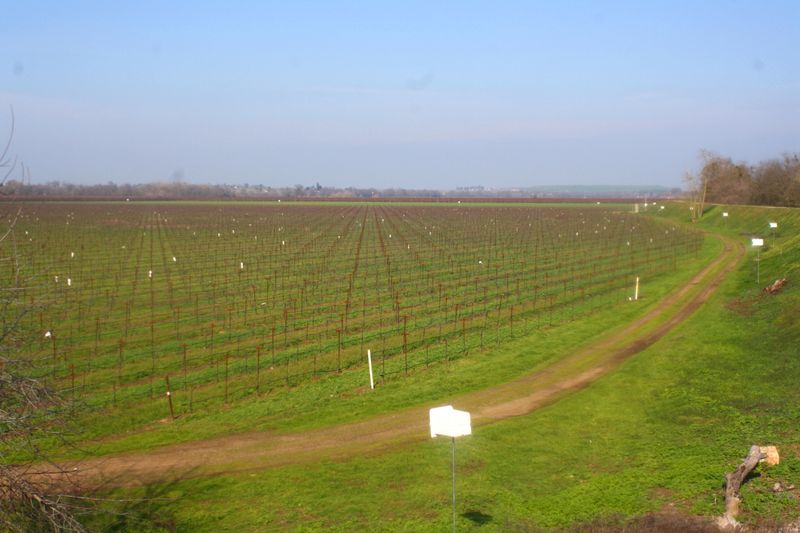
Rodent studies involve a different bird. A 2022 Napa Valley vineyard study of barn owl boxes found mouse numbers declined over the study period, but the drop was not significantly linked to nest-box presence.
A 2026 study at six Napa vineyards reported lower rodent numbers where barn owl hunting pressure was greater.
Those results differ from each other, and both concern barn owls in vineyards, not screech-owls around houses. They cannot tell you what a small box in a Central Texas yard will do.
The plain takeaway: put up a box because you enjoy supporting native owls, not because you expect fewer mice. If rodents are already in your house, the fix lies elsewhere, and the next section covers it.
Seal the routes mice use to enter
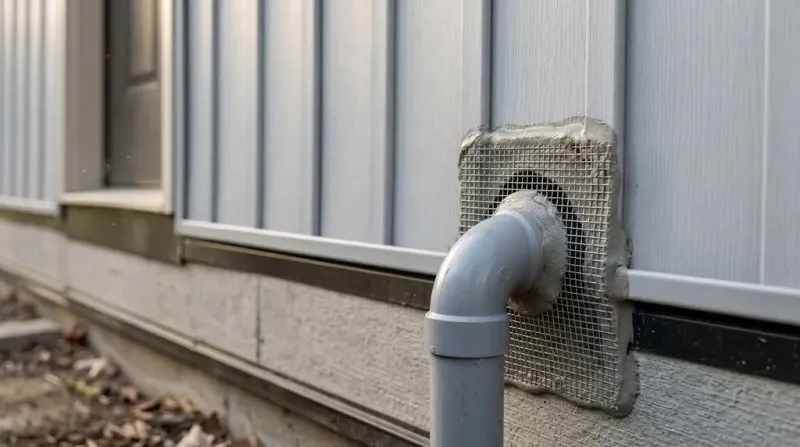
Mice get in through surprisingly small gaps. CDC guidance notes they can squeeze through a hole about a quarter inch wide, roughly the size of a pencil.
The CDC’s approach has three main parts. Seal gaps and holes in and around the home, secure food and garbage so mice have no reason to stay, and inspect roof features, including eaves and soffits, where openings often hide.
Walk the outside of your house with a flashlight. Look at utility lines, vents, the garage door seal, and spots where pipes pass through walls.
Then look up at the roofline, since the eave you were thinking of using for an owl box may also be a place where mice enter.
Inside, store pantry goods in sturdy containers, wipe up crumbs, and keep pet food put away overnight. Take trash out regularly and use bins with tight lids.
These steps target how mice enter and what draws them in. An owl box does neither.
Even if an owl someday roosts in your yard, sealing and cleaning up remain the dependable way to deal with rodents at home.
Protect owls and leave occupied boxes alone
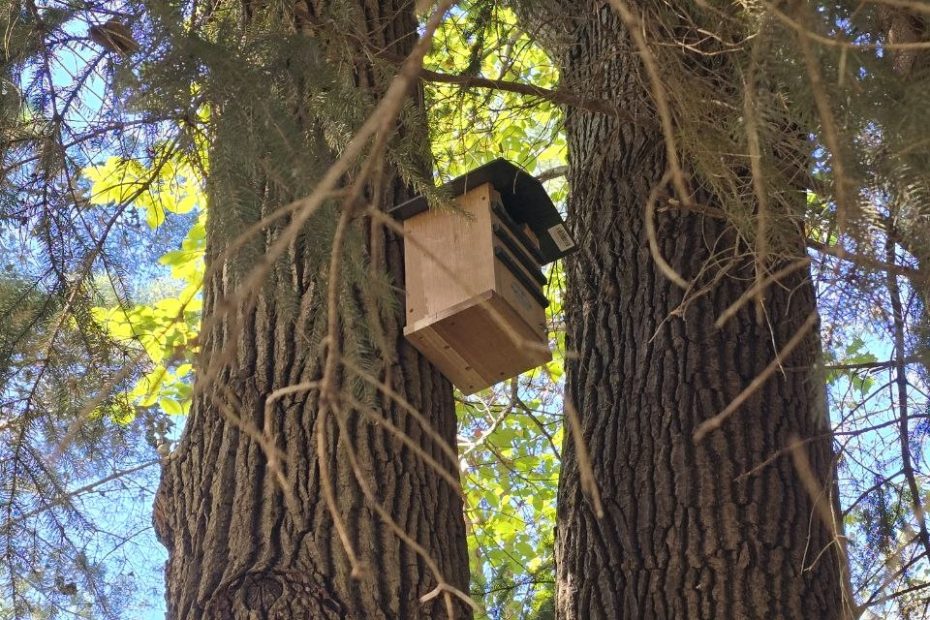
If an owl moves in, your job shifts to being a quiet neighbor. Cornell’s NestWatch warns that disturbing a nesting female during or shortly after egg-laying may lead to abandonment, so do not open, tap, or check inside an occupied box.
Legal rules for nests are not simple, and the federal guidance in a U.S. Fish and Wildlife Service memo has important qualifications.
So skip do-it-yourself fixes. If an occupied box is damaged, leaning, or otherwise needs attention, contact wildlife authorities and follow their direction instead of moving or handling its contents.
Poison is the other big concern. UF/IFAS Extension advises reducing rodenticide use because of secondary-poisoning risk to screech-owls, which can be harmed after eating poisoned prey.
Rodent bait and owl habitat do not belong together.
Watch from a window or from across the yard, keep pets and lights away from the tree, and enjoy the evening trills if you hear them.
A box is a small gift to wildlife, and the best way to give it is to let it be.