
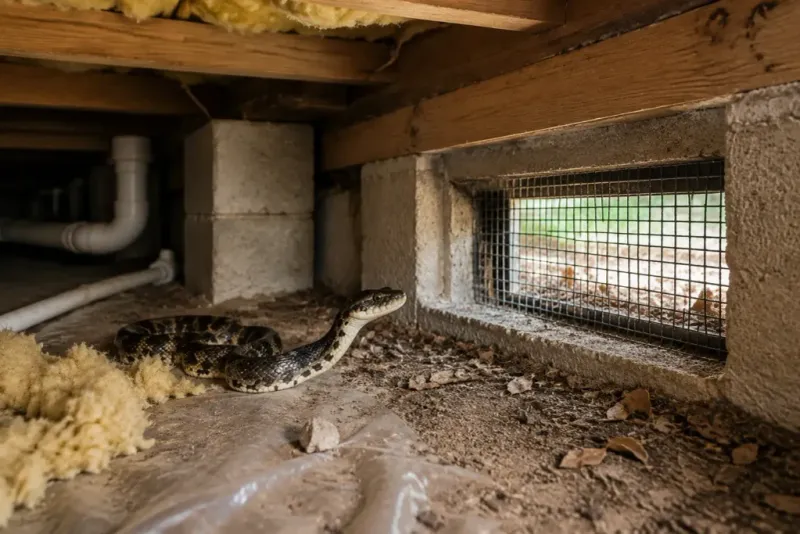
Stacked firewood and a dark gap under the shed can look like a perfect hiding spot for a snake. Fall is a good time to take a fresh look at those corners of your yard.
But a clue in November does not prove a snake is nearby, and it does not mean one is settling in for winter. Here is what the signs can mean, and how to cut down on hiding places without guesswork.
A woodpile can offer cover, not prove a snake is there
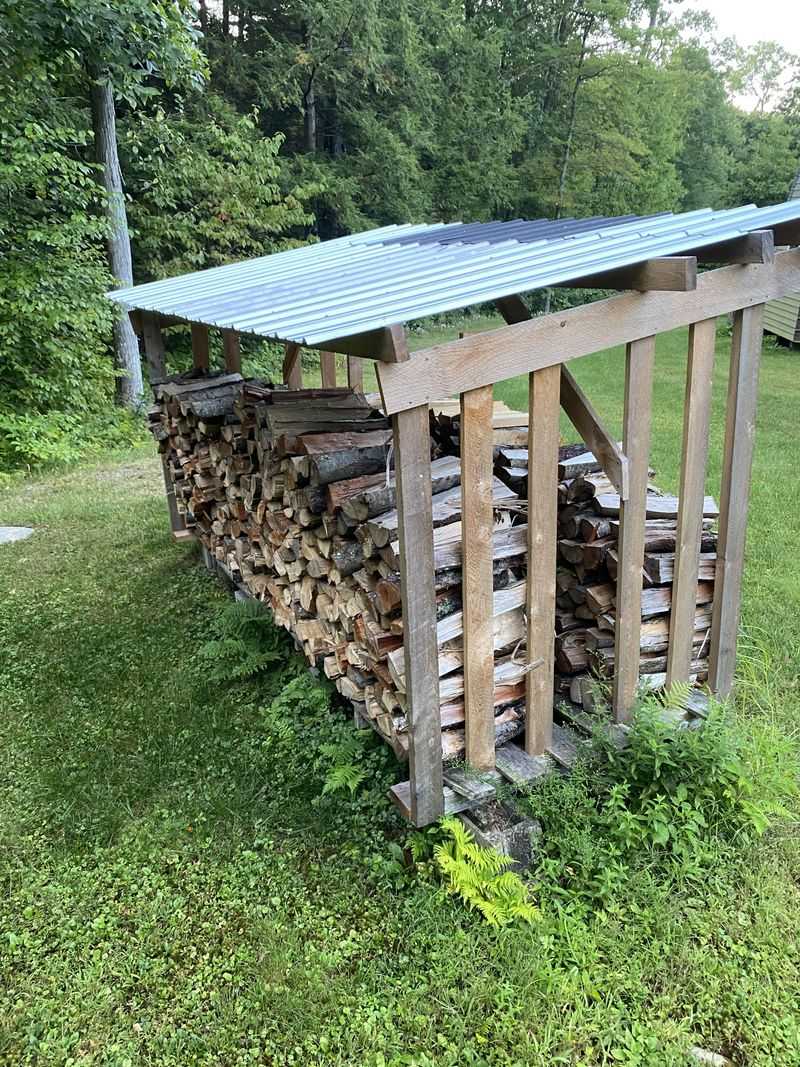
Snakes look for places that feel hidden and sheltered. Woodpiles, brush, leaf litter, rocks, tall grass, and dark spaces under buildings all fit that description, and Texas Parks and Wildlife lists wood and debris piles among the spots snakes may use for shelter.
Food matters too. Mice and rats often move into the same cluttered corners, and some snakes may follow that supply of prey.
That is one reason a messy pile can make a yard more appealing to certain species.
Still, suitable habitat is only that: suitable. A stack of logs tells you a snake could use the spot, not that one is tucked inside right now.
Think of it as a risk factor you can change rather than a sign of an occupant. UF/IFAS also suggests storing firewood neatly on a rack instead of directly on the ground, which is a simple habitat tweak from Florida guidance that leaves fewer cozy gaps.
November does not mean the same thing everywhere
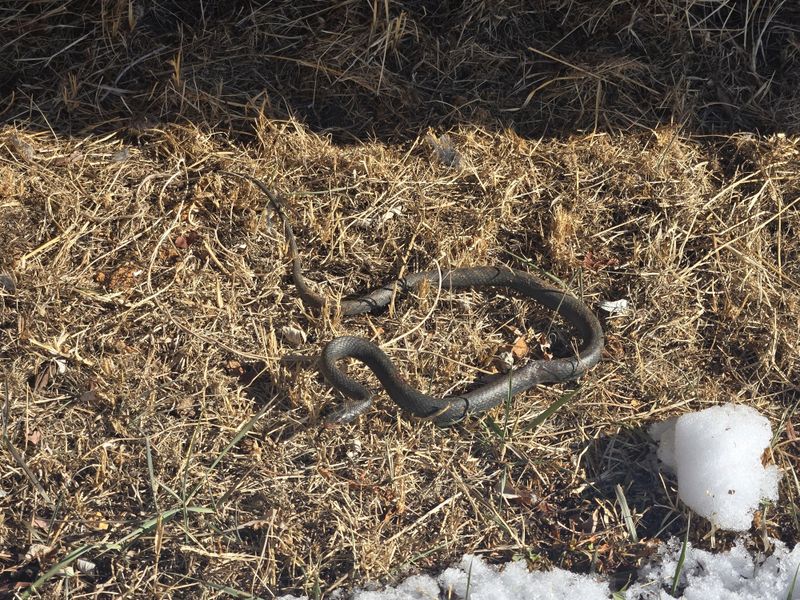
Gardeners sometimes hear that snakes all vanish for winter once November arrives. Real life is messier.
Texas Parks and Wildlife says many Texas snakes shelter during the cold months, but timing depends on how cold it gets where you live.
Florida shows how much the picture can change. UF/IFAS describes eastern indigo snakes as staying active on the surface all year in south-central Florida, while those in northern Florida seek winter burrows.
Likewise, UF/IFAS notes that eastern diamondback rattlesnakes can be active nearly year-round in warm winters.
So a mild November afternoon in Miami and a frosty one in north Texas are very different situations. Species, temperature, and location all shape what a snake does.
Treat any single species as an example, not a rule for every snake or every yard.
A shed skin shows past presence, not current occupancy
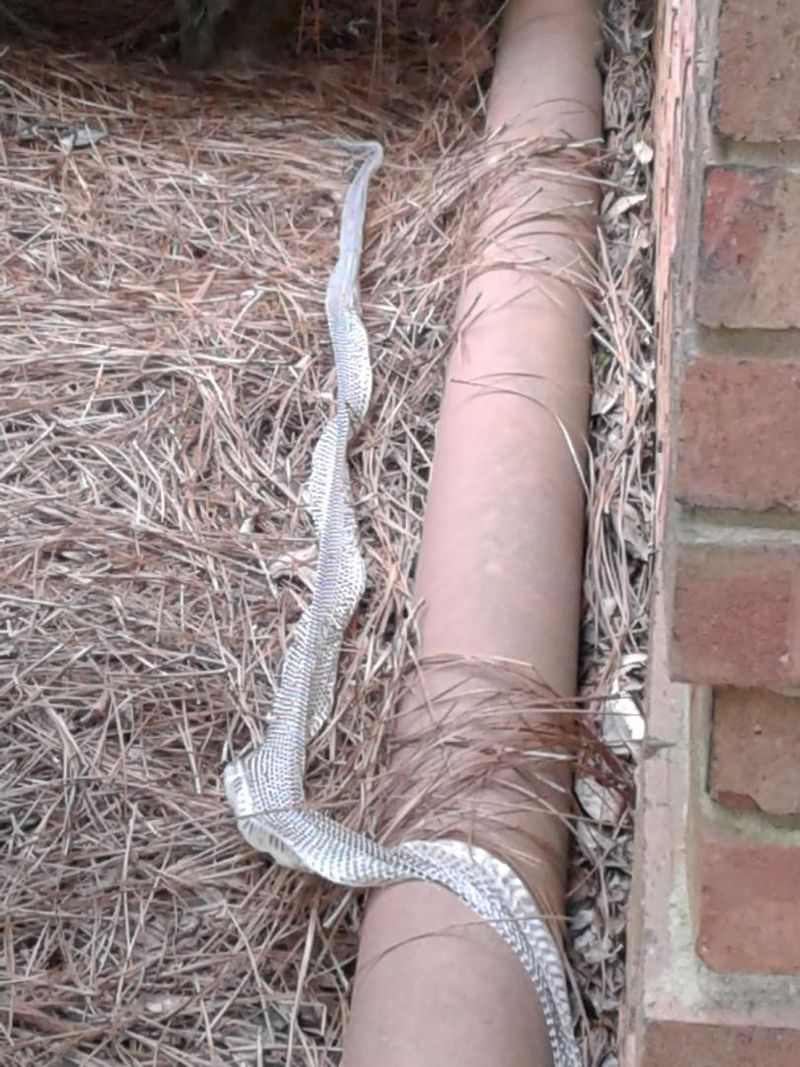
Finding a papery, see-through snake skin can give you a jolt. It is a real sign that a snake passed through at some point.
What it cannot tell you is when, or whether the snake is still around.
Penn State Extension points out that a snake may have moved on by the time someone finds its shed skin. The skin stays behind while the animal travels.
The same goes for other yard clues. The sources reviewed do not describe any reliable November sign that confirms a snake has picked a winter shelter nearby.
A skin is better read as a nudge to check your yard setup, such as piles of debris or gaps near the ground, than as proof of a current resident. You can read more in Penn State Extension’s snake Q&A.
Reduce hiding places and food sources near the home
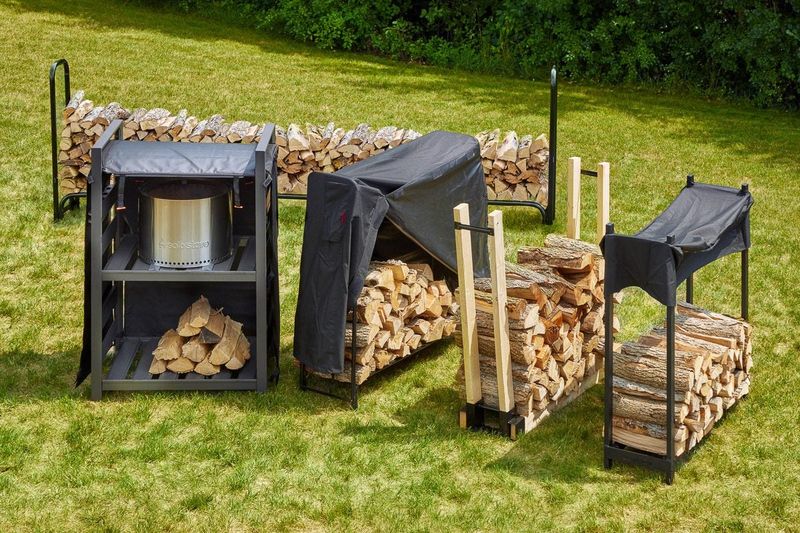
Cleanup is the most practical step you can take. Clear piles of accumulated debris near the house, keep grass reasonably short, and move firewood well away from the walls.
Stack it on a rack so air and light reach the bottom, a step recommended in both Texas guidance and Florida advice.
Rodents deserve attention, because they are food for many snakes. Keep pet food and birdseed in sealed containers, tidy up spilled seed, and fix obvious rodent entry points.
Mississippi State Extension covers these habitat steps in detail.
Be realistic about results. These changes may make your yard less appealing and can reduce encounters, but snakes can still wander in from nearby woods, fields, or creeks.
UF/IFAS cautions that a yard is hard to fully snake-proof, and advertised repellents do not work, so skip mothballs and similar remedies.
Close suitable gaps around sheds and outbuildings
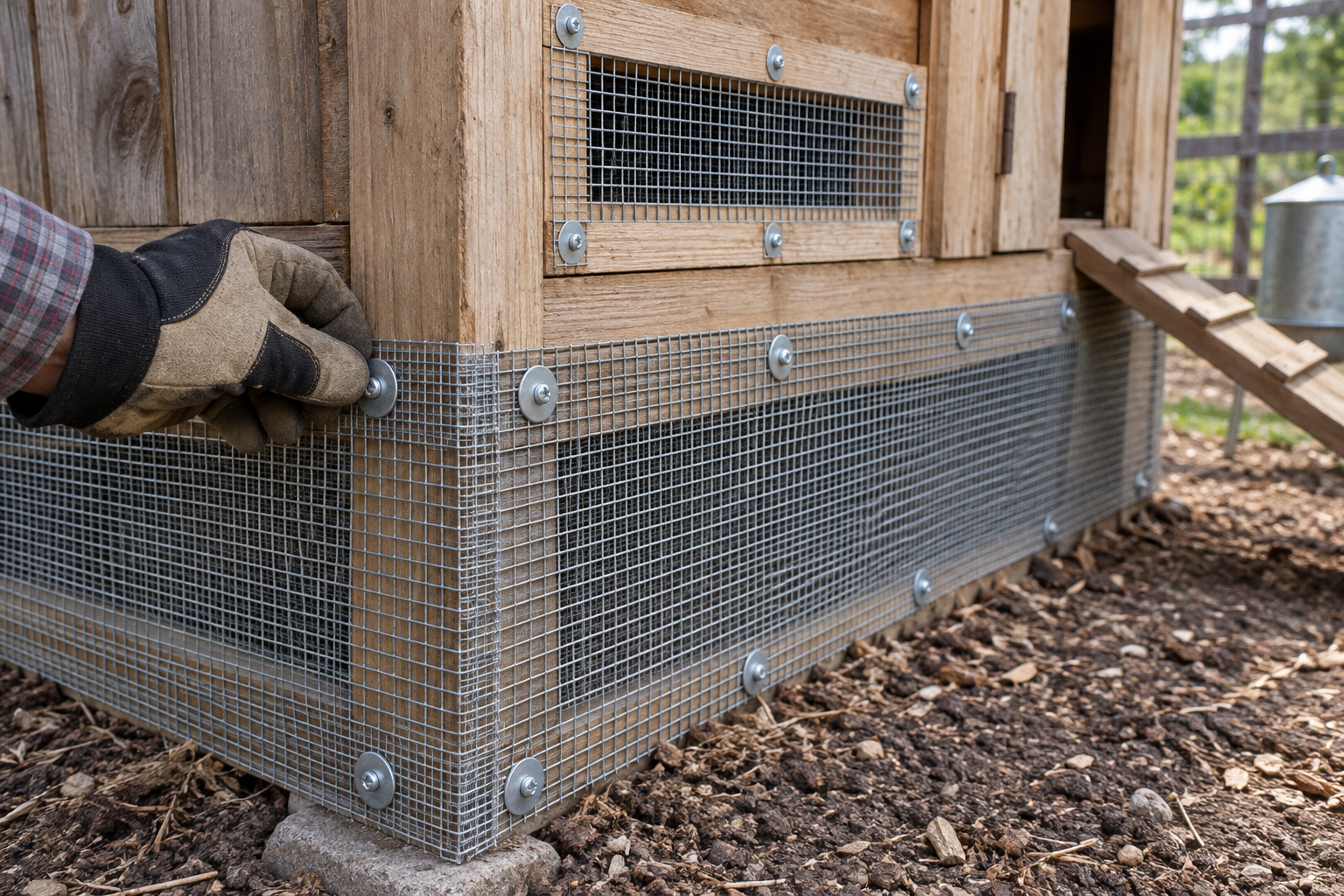
Walk the outside of your shed, garage, and foundation with a flashlight and look low. Anything at or near ground level, such as a broken vent screen, a crumbling corner, a gap under a door, or a hole where a pipe enters, could be an access point.
Mississippi State Extension recommends checking foundations and outbuildings and sealing suitable openings. For gaps that need to stay ventilated, its guidance suggests fine-mesh hardware cloth, fastened securely so it cannot be pushed aside.
Work from the outside, and do not stick your hand into a dark hole to test its size. Use a light and a tape measure instead.
Closing gaps will not guarantee that nothing gets in, but it removes easy doorways for snakes and for the rodents that attract them.
Work carefully and give snakes room
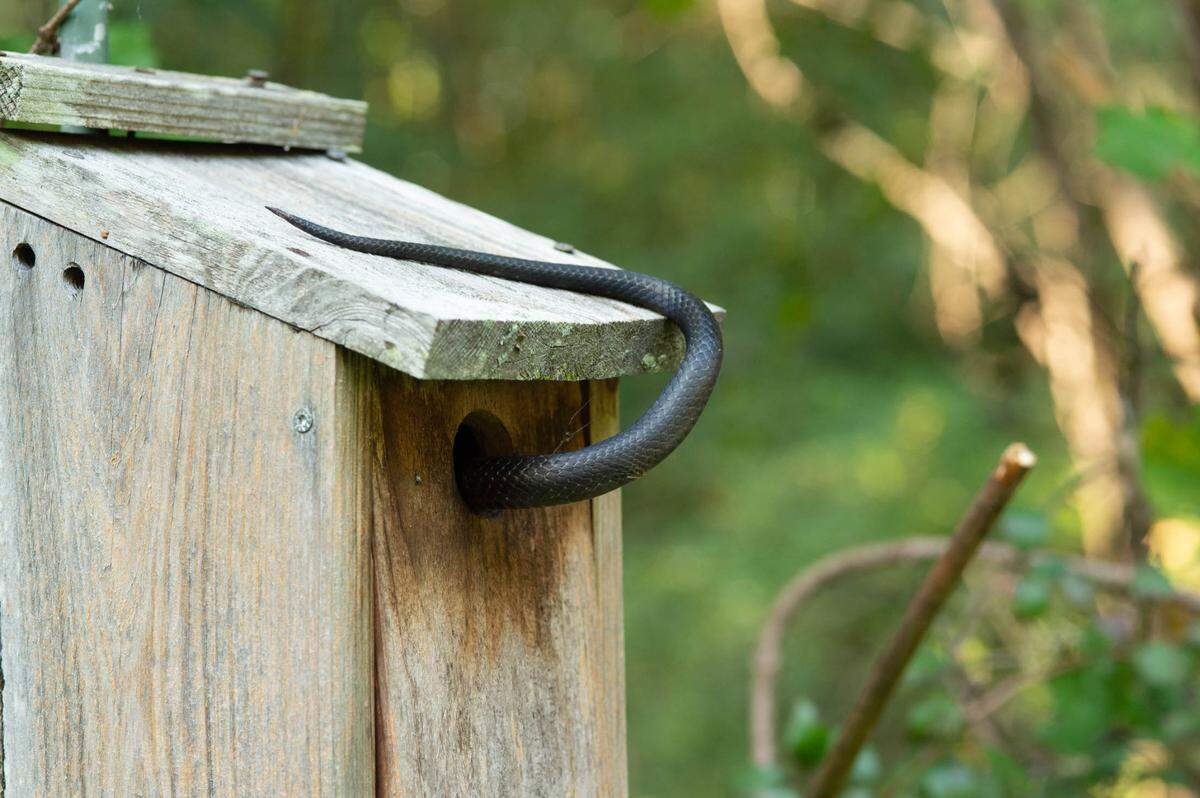
Moving wood and debris is where most close calls happen, so slow down. Wear sturdy footwear and gloves, look before you step, and keep your hands where you can see them.
Texas Parks and Wildlife advises this kind of care around likely hiding spots. Never reach blindly under wood, into piles, or into holes, and use a tool to shift items from a distance.
If you spot a snake, stop and back away. Do not try to touch, handle, or kill it.
Most will move on if given space, and you can call a local wildlife agency or a licensed removal professional if it stays put near your door.
For a bite, CDC guidance says to get emergency medical care right away. Do not try to capture the snake, cut the wound, suck out venom, or apply a tourniquet or ice.
A calm look before every lift is the cheapest safety gear you own.