
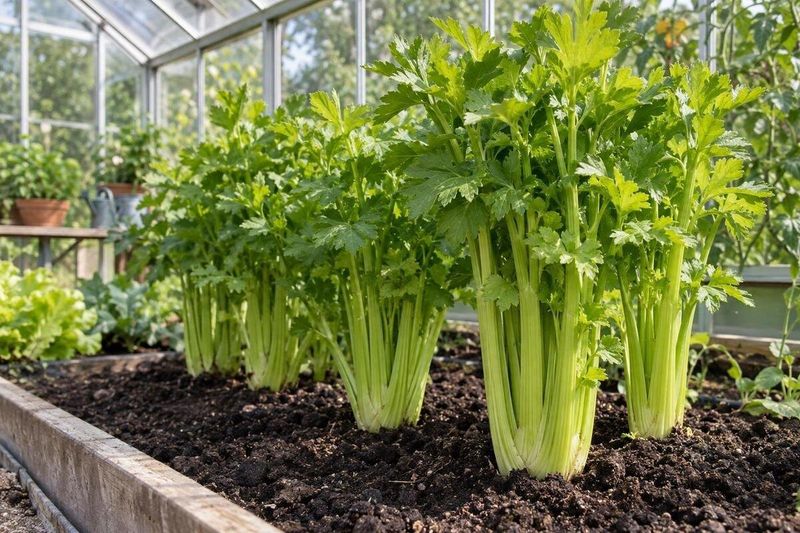
Fall celery can look perfect one week and puzzling the next, especially after a chilly night or two. Some gardeners spot a flower stalk, while others cut into a stalk and find it spongy or tough.
These problems look alike from a distance, but they are not the same, and they do not all come from cold. A few quick checks can help you sort out what is happening and what to do next.
A cold snap raises risk only under the right conditions
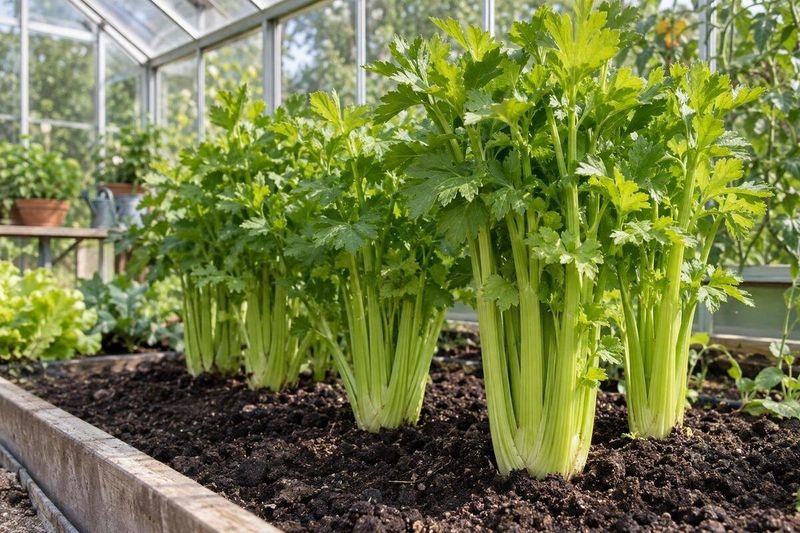
One chilly night does not automatically send celery into seed production. Bolting is the early formation of a seed stalk, and the risk goes up when plants spend a long stretch in cool conditions while they are still susceptible.
Plant stage and cultivar both change how a crop responds.
The numbers vary by source. Michigan State University Extension says first-year plants may bolt after a week or more below 55°F.
UMass Extension describes bolting after 10 to 14 days below 40°F. Treat these as examples from each source, not rules that fit every garden.
Freezing injury is a different matter. UC Davis reports that celery can begin to suffer freeze damage at 31.1°F.
That is about frozen tissue on a given night, while bolting is about cool exposure building up over days or weeks.
November timing depends on where you garden
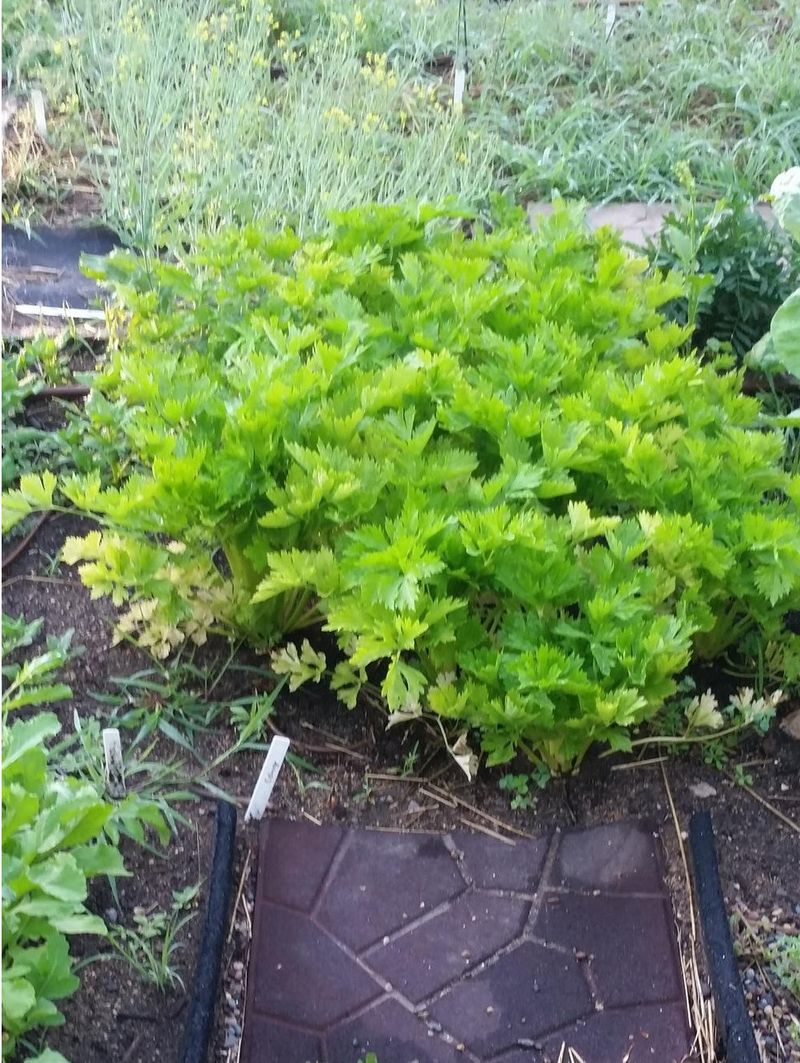
Florida and Texas do not share one celery calendar, so a November forecast means different things in different yards. UF/IFAS lists planting windows of August through February in North Florida, September through March in Central Florida, and October through March in South Florida.
Texas guidance also shifts by region. Texas A&M AgriLife describes celery as a crop that needs a long, cool growing period, and its recommendations differ between northern and southern parts of the state.
So the useful question is local: how old are your plants, how long has the weather stayed cool, and what does your own forecast show? A gardener in the Panhandle and one in the Rio Grande Valley may be looking at very different plants and very different nights.
Check the stalks before naming the problem
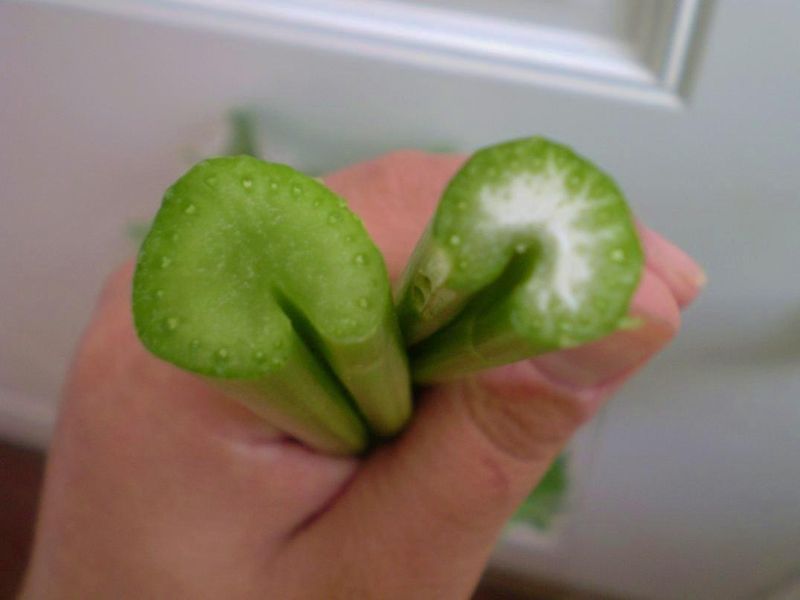
Start by looking at the center of the plant. Bolting means a seed stalk is forming early, often a taller, thicker shoot rising from the middle of the crown.
Pithiness is something else. It is a breakdown of the tissue inside the petiole, and UC Davis describes it as white, spongy, or vacuolated tissue.
A stalk can look hollow or dry, but that look alone does not prove cold damage. Temperature or water stress, changes before bolting, root infection, and over-maturity can all play a part.
Stringiness is a separate texture problem. Utah State University Extension links tough, stringy stalks to stress and growing conditions, and a University of Maine trial also tracked harvest stage and texture.
Slice a stalk, check for a seed stalk, feel the soil, and think about how long the plants have been growing. One symptom rarely settles the answer.
Cover the bed before forecast frost
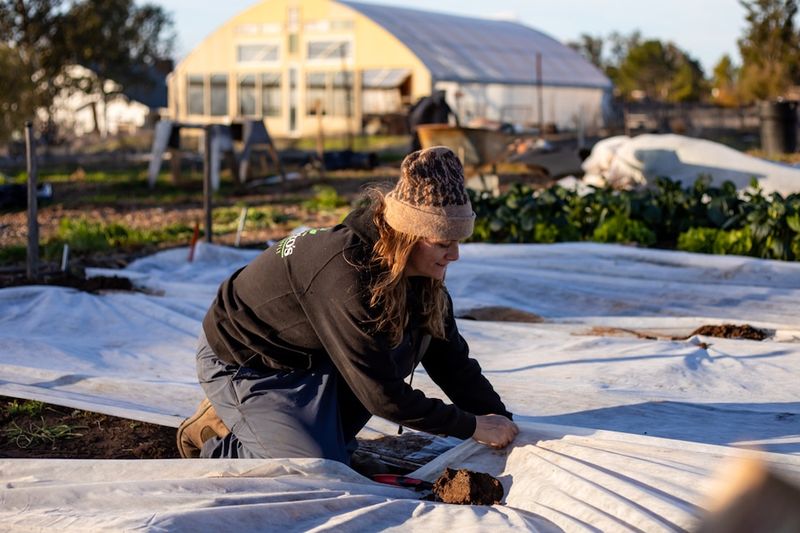
When frost is in the forecast, get the cover on during the afternoon, before temperatures fall. Set up hoops first so the fabric rests above the leaves instead of lying on them.
Then anchor the edges with soil, boards, or landscape staples so wind cannot pull it loose.
Clemson Extension says lightweight covers can protect plants down to about 28°F, with heavier covers meant for colder conditions. That is general row-cover guidance, not a promise for celery in every site or every freeze.
A cover may soften frost exposure, but it has limits. It cannot undo a seed stalk that has already started, and it cannot guarantee that plants will avoid every kind of cold injury.
Because UC Davis places celery freezing injury near 31.1°F, a night close to that mark is the one worth preparing for. Uncover on mild days so plants do not overheat.
Keep soil evenly moist, not waterlogged
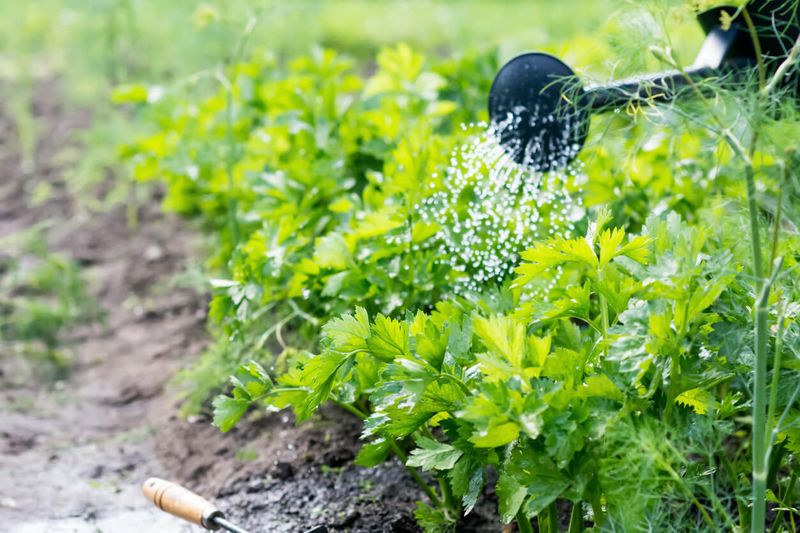
Celery has shallow roots, so the top layer of soil matters. Before you water, push a finger a couple of inches into the soil.
If it feels dry, water slowly and thoroughly. If it is already damp, wait.
Utah State University Extension gives a general growing-season reference of 1 to 2 inches of water per week from rain or irrigation. Treat that as a ballpark only.
Sandy Florida soil, a rainy week, a windy dry spell, and plant size all change what your bed needs, and soil should never turn soggy.
Water stress is one possible contributor to poor texture, and UC Davis irrigation guidance connects it with pithiness. Still, UC Davis lists several causes, so even watering may help but will not explain or fix every spongy or stringy stalk.
Mulch can help hold moisture between waterings.
Harvest promptly if a seed stalk appears
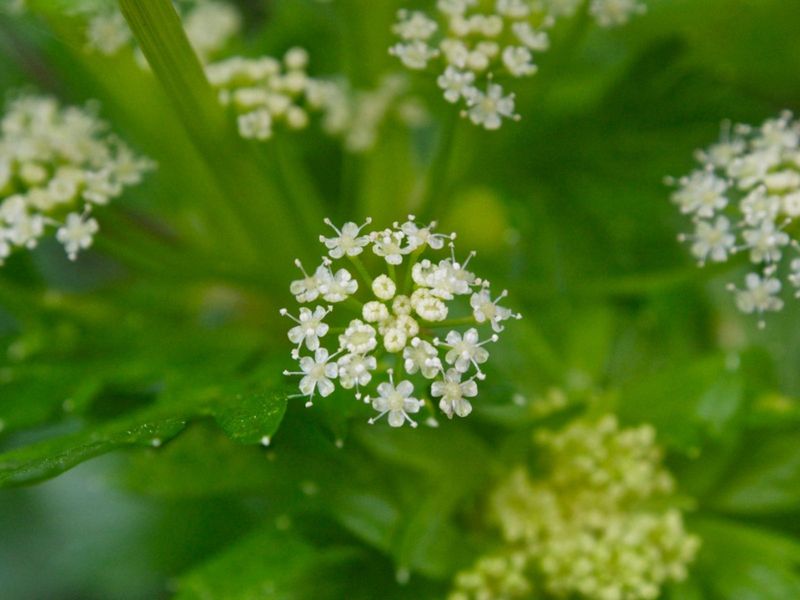
If a seed stalk is rising, plan to harvest soon. Cover and water will not pull it back down.
Cut a stalk or two and check the quality: firm, crisp, and not cracked is a good sign.
A University of Maine celery trial noted that plants that bolt early may still be usable. It also found that seed-stem growth can crack petioles and make bunches unmarketable, and harvesting earlier can help avoid that decline.
Use what is good right away in soups, stocks, or freezer prep, and compost anything tough or split. Then check remaining plants every few days, since neighbors in the same row may not be at the same stage.
Covering before frost and keeping moisture steady may ease stress, but neither can promise prevention or repair a damaged stalk. In a fall bed, a timely harvest is often the best rescue.