

When the first chilly nights roll in, mice start hunting for a warm place to spend the winter. Your house, garage, and garden shed look like a cozy hotel to them, full of seed bags, bulbs, and soft nesting spots.
The good news is that mice rely heavily on their noses, and certain strong smells can make your space far less welcoming. Here are nine scents worth trying, plus simple ways to use them so they actually help.
1. Peppermint Oil
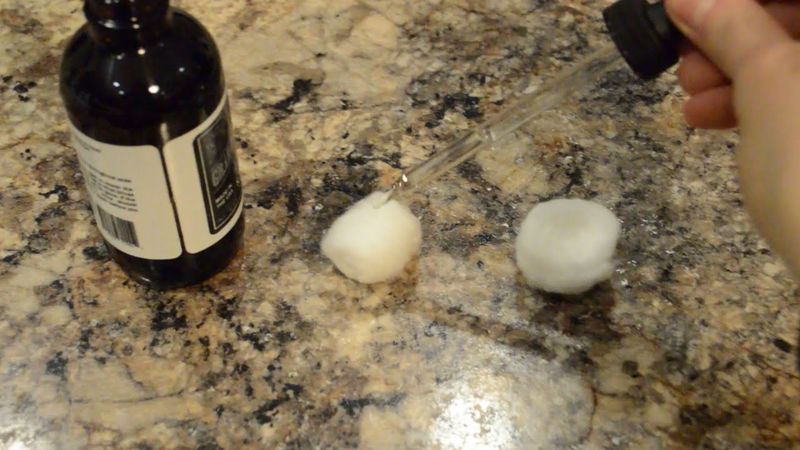
Ask any old-time gardener about mice and peppermint usually comes up first. The menthol in peppermint oil is sharp and cooling to us, but to a mouse’s sensitive nose it can feel overwhelming and irritating.
To put it to work, soak cotton balls in pure peppermint essential oil, not the weak extract from the baking aisle. Tuck them into corners of the shed, behind seed bins, under the kitchen sink, and near gaps where pipes enter walls.
A few drops on a rag stuffed near a door sweep can help too.
The catch is that the smell fades fast. Plan to refresh the cotton balls every five to seven days, and more often in warm Southern sheds where heat speeds up evaporation.
Once you stop being able to smell it, the mice probably can’t either.
Results vary, and peppermint works best as one layer of defense rather than a magic shield. Pair it with sealed containers for birdseed and grass seed so there’s less reason for mice to push past the scent.
Keep pets in mind, since concentrated essential oils can bother cats and dogs, so place cotton balls where curious noses can’t reach them.
2. Cayenne Pepper and Chili

Here’s a fun fact: birds can’t feel the burn of capsaicin, but mammals like mice definitely can. That quirk is exactly why hot pepper has a place on this list, especially if you also feed backyard birds.
A light dusting of cayenne powder along shed thresholds, around stored bulbs, or near entry gaps may discourage mice from sniffing around. The fiery compounds irritate their noses and mouths, which can send them looking for an easier target.
For a spray, simmer a tablespoon of chili flakes in a quart of water, let it cool, strain it, and add a few drops of dish soap. Mist it along baseboards in the garage or around the shed foundation.
Wear gloves and keep it away from your eyes, because it bites people too.
Rain washes outdoor powder away quickly, so reapply after storms. Indoors, stick to spots kids and pets won’t touch.
Many gardeners also mix a pinch of cayenne into birdseed, which may help keep rodents out of the feeder mess while cardinals and finches keep eating happily. It won’t fix a full infestation, but it can make your space a lot less inviting.
3. Clove Oil

Grandma’s holiday ham might smell wonderful with cloves, but mice tend to disagree. Cloves contain eugenol, a powerful aromatic compound that gives off a warm, spicy punch many rodents seem to avoid.
You have two easy options. Whole cloves can be tied into little cheesecloth or mesh sachets and tucked into drawers, tool boxes, and storage bins in the shed.
Clove essential oil works like peppermint, with a few drops on cotton balls placed near trouble spots.
One nice perk is that cloves hold their scent a bit longer than many oils, especially whole ones kept out of direct sun. Squeeze a sachet now and then to release fresh aroma, and swap them out every few weeks.
Clove also makes a cozy indoor choice. It smells pleasant in pantries and closets, so you’re not stuck with a harsh odor in the house all winter.
Gardeners who store dahlia tubers or seed potatoes over the cooler months often tuck sachets right into the boxes. Just remember that scent is a deterrent, not a lock on the door, so seal any holes larger than a pencil width for the best chance of success.
4. Eucalyptus
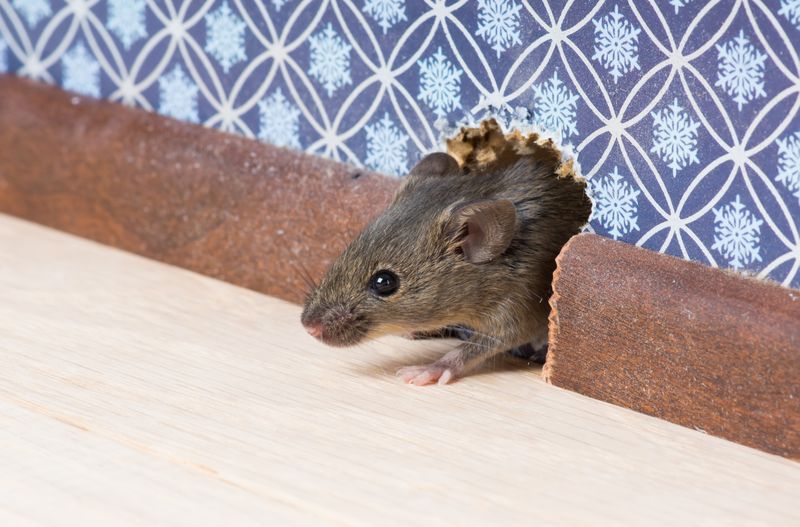
Walk into a room with fresh eucalyptus and you’ll notice it instantly. That bold, medicinal smell comes from cineole, and its intensity is part of why some homeowners hang it in sheds and garages once nights cool down.
Dried or fresh eucalyptus bundles look nice hanging from rafters or tucked behind storage shelves. For a stronger effect, use eucalyptus essential oil on cotton pads or mix 15 drops into a cup of water for a quick spray on shelving edges and corners.
In Florida and parts of Texas, some folks even grow eucalyptus as a landscape tree or in containers, which gives you a steady supply of clippings. Snip a few branches in fall and lay them near shed doors or along the garage wall where mice tend to travel.
Like other oils, it fades, so refresh every week or two. Eucalyptus oil is toxic to cats and dogs if swallowed or heavily inhaled, so keep it in spaces pets don’t spend time in.
Used thoughtfully, it can be a pleasant-smelling layer in your plan, though stubborn mice with a good food source may still test the boundaries.
5. Used Cat Litter

Nothing says danger to a mouse quite like the smell of a predator. Mice have evolved to react to compounds found in cat urine, and research suggests even lab-raised mice that never met a cat can show fear responses to it.
If you have a cat, a scoop of used litter can be put to work. Place a small amount in a shallow container or an old sock, then set it near the shed entrance, behind the lawn mower, or along the garage wall.
Avoid spreading it in vegetable beds, since cat waste can carry parasites you don’t want near food crops.
Swap the litter every week or so to keep the scent active. It’s not the most charming solution, but it costs nothing and puts that leftover litter to use.
A living cat on patrol obviously adds more pressure, but scent alone may still help. Some mice in areas with no real predators eventually figure out the smell is all bluff, so rotating this with other scents can keep them guessing.
Wash your hands after handling, and keep containers out of reach of dogs who may find litter weirdly tempting.
6. Ammonia
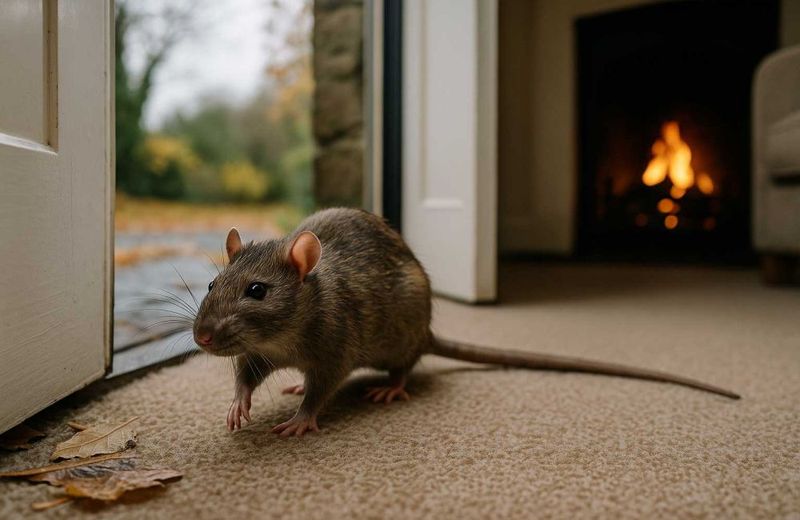
Ammonia works on a similar idea as cat litter, but turned up a notch. The sharp smell resembles concentrated predator urine, which can make a mouse think twice about settling in.
Pour a small amount into a jar lid or shallow dish and set it in unused corners of the shed, crawl spaces, or attic areas. Some people soak a rag and place it near nesting signs, like shredded paper or droppings.
Refresh every few days, since it evaporates quickly.
Safety matters most here. Never mix ammonia with bleach, as the combination releases toxic gas.
Use it only in ventilated spaces, keep it away from where people sleep, and don’t use it around pets, chickens, or kids.
Because the smell is so harsh, ammonia is better suited to sheds, barns, and outbuildings than living areas. It may push mice out of a spot you’re not using, which gives you time to clean up nests and seal entry points.
Think of it as an eviction notice rather than a permanent fix. Once the space is clean and sealed, gentler scents like peppermint or clove can take over for ongoing upkeep.
7. Garlic and Onion

Gardeners who grow their own alliums already have a secret weapon in the pantry. Garlic and onions carry sulfur compounds that give them their bite, and that pungent smell may be unpleasant enough to steer mice elsewhere.
A simple garlic spray is easy. Crush five or six cloves, steep them overnight in a quart of water, strain, and spray around shed foundations, garage corners, and the edges of raised beds.
Chopped onion slices can work in a pinch, though they spoil and need replacing every couple of days.
Planting garlic around the garden perimeter in fall is another smart move for Southern growers. October through November is prime garlic planting time in much of Texas and north Florida, so you get a harvest next spring and a scented border through winter.
Results are mixed, and a hungry mouse near a bag of birdseed may ignore garlic altogether. Still, it’s cheap, safe around kids, and doubles as a pest deterrent for some insects too.
Avoid leaving onion pieces where dogs can eat them, since alliums are toxic to pets. Combine with tidy storage for your best odds.
8. Cedar
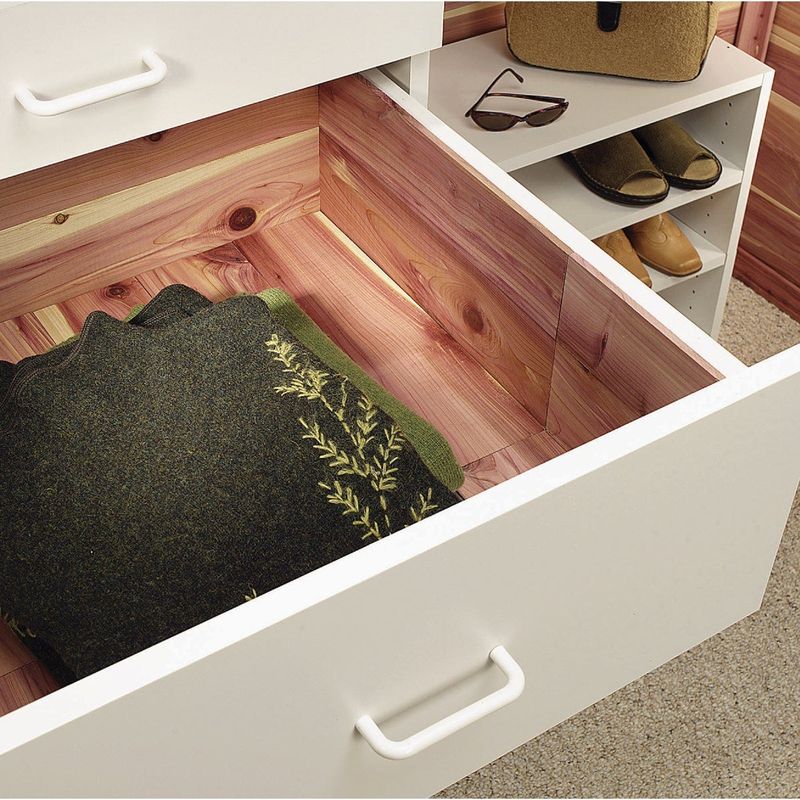
There’s a reason cedar chests have protected blankets for generations. The aromatic oils in cedar wood, especially red cedar, have a woodsy smell that many pests find off-putting, and some homeowners report mice avoid it too.
Cedar blocks, balls, and shavings are easy to find and last longer than essential oils. Scatter them on shed shelves, in drawers holding garden gloves and twine, and around stored patio cushions that mice love to shred for nests.
Cedar mulch around the shed foundation adds an outdoor layer.
When the scent fades, lightly sand the blocks to reveal fresh wood, or add a few drops of cedarwood oil. That small chore keeps them working for months.
Honest truth: cedar is more of a mild deterrent than a strong one, and scientific backing is thin. Where it shines is as a pleasant, low-maintenance background scent that doesn’t irritate people.
It pairs well with peppermint or clove for a combined approach. Many Southern gardeners like it because it also helps discourage moths in stored fabrics, so you get a little extra value out of every bag of shavings.
9. Vinegar
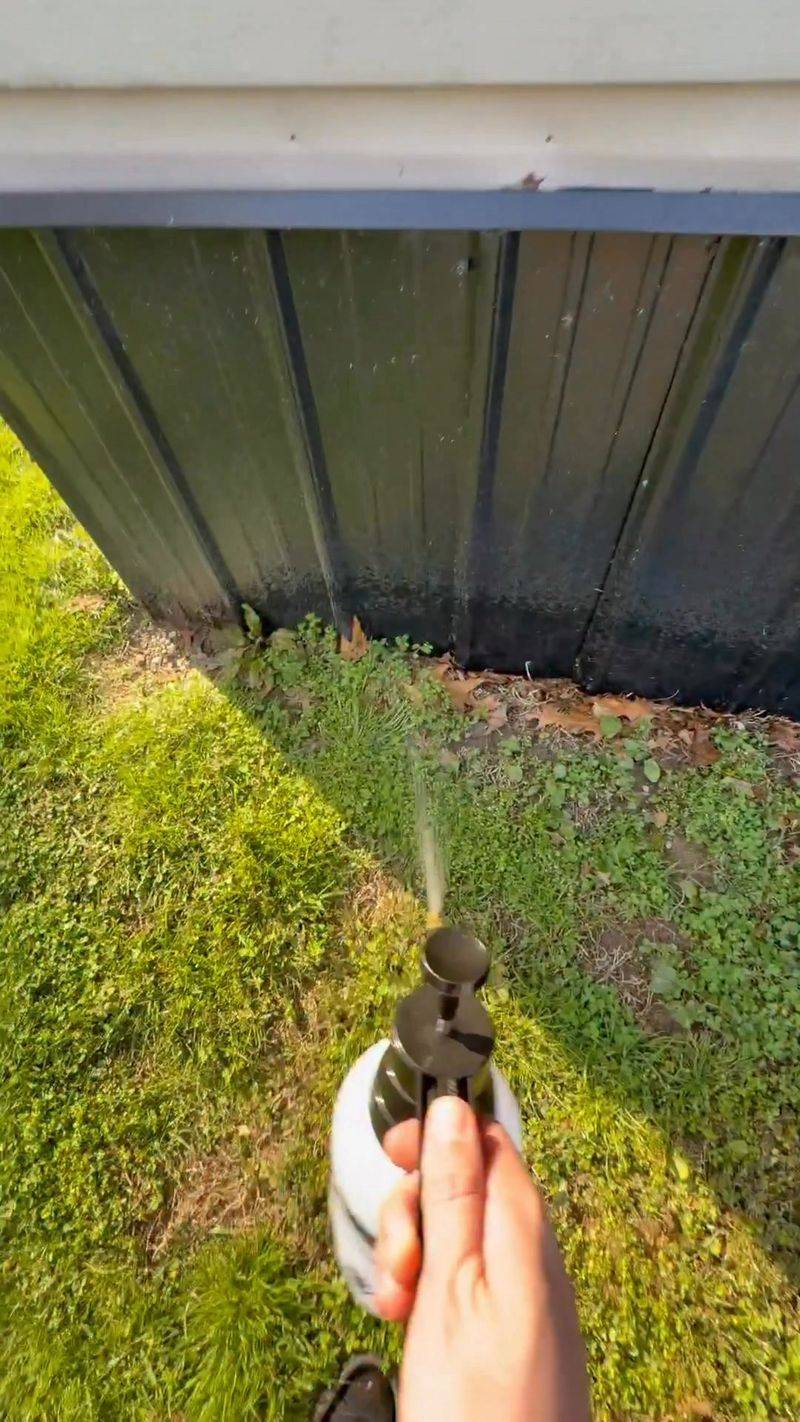
Spring cleaning gets all the attention, but a fall cleanup with white vinegar may be the smartest mouse move you make. The sour, acidic smell is strong, and more importantly, it helps erase the scent trails mice leave behind.
Mice mark their paths with urine, which tells other mice where food and shelter are. Wiping shelves, floors, and baseboards with a mix of equal parts vinegar and water can break up those invisible road signs.
Wear gloves and a mask if you find droppings, and dampen them first rather than sweeping dry.
You can also soak rags in straight vinegar and leave them near entry points for a few days. It smells harsh at first but fades quickly for people, which makes it handy indoors.
Vinegar won’t chase off a determined mouse on its own, yet it sets the stage for every other scent on this list to work better. Clean first, seal gaps with steel wool and caulk, store seed in metal or thick plastic bins, then layer in peppermint, clove, or cedar.
That combination gives your house and shed the best shot at a mouse-free winter.