
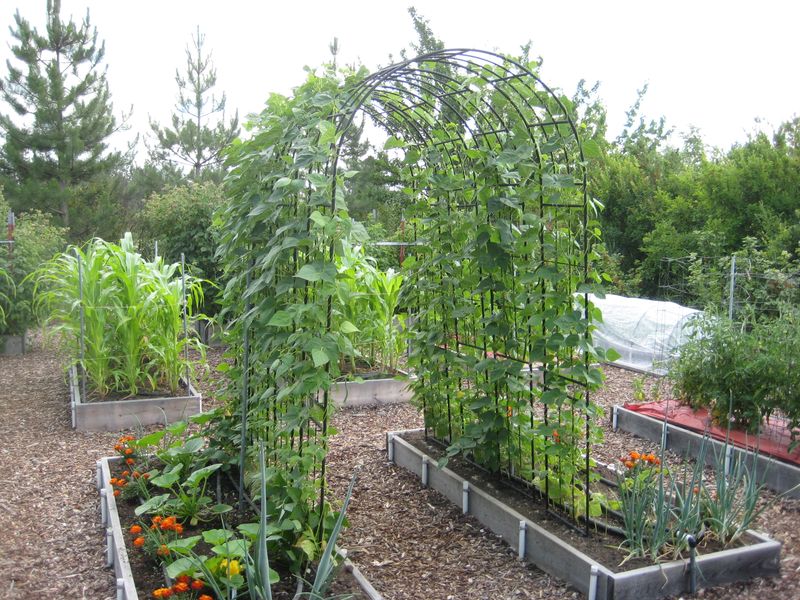
You can do everything right with your tomatoes and still end up with skinny vines, spotted leaves, and barely a handful of fruit. Sometimes the problem is not water, fertilizer, or heat, but the plants growing right next door.
In Southern gardens, where the season is long and pests never really take a break, a bad neighbor can drag your tomatoes down for months. Here are 12 crops to keep away from your tomato bed, plus what to do instead.
1. Potatoes
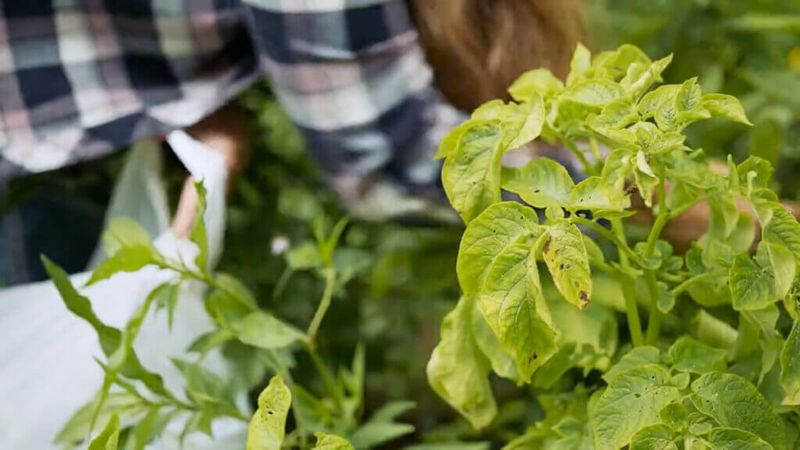
Tomatoes and potatoes are close cousins, and like many relatives, they share more than good looks. Both belong to the nightshade family, which means they catch the same diseases and attract the same hungry bugs.
Early blight and late blight are the big worries here. Blight spores can move from potato leaves to tomato leaves on wind and splashing water, and in humid Florida or Gulf Coast springs, those spores may spread fast.
Once brown spots and yellowing climb your tomato vines, fruit production often slows to a crawl.
Colorado potato beetles add another headache. They chew potato foliage first, then may happily move over to your tomatoes when the potato patch runs low.
So what should you do instead? Keep potatoes at least 10 to 15 feet away from tomatoes if you have the room, or grow them in a separate raised bed or grow bags across the yard.
Rotate both crops so neither lands where the other grew last year.
A simple rule helps a lot: never plant tomatoes in soil that held potatoes, peppers, or eggplant in the past two or three seasons. Fresh ground can reduce the disease load waiting for your new transplants.
2. Corn
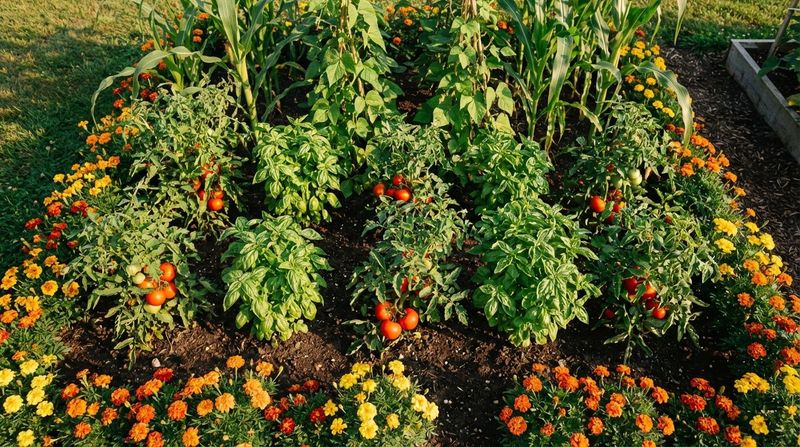
Picture a tall row of sweet corn swaying in the breeze, looking every bit like a classic summer garden. Now picture a fat green caterpillar inside it, ready to visit your tomatoes next.
The corn earworm and the tomato fruitworm are actually the same pest. Moths lay eggs on corn silks, and the larvae may wander or the next generation may target your tomatoes, boring neat holes into ripening fruit.
In Texas and Florida, where several generations can hatch in one long season, the problem tends to snowball.
Shade is the second issue. Corn grows fast and tall, and on the wrong side of the bed it can block hours of sun that tomatoes need to set fruit.
Give corn its own block on the north side of the garden, well away from tomato cages. That placement keeps shade off your vines and puts some distance between the two crops.
Check tomato fruit often, especially small green ones near the top. If you spot a hole with frass around it, pick that fruit and toss it.
Products containing Bt may help control young caterpillars when applied early and repeated as the label directs.
3. Fennel
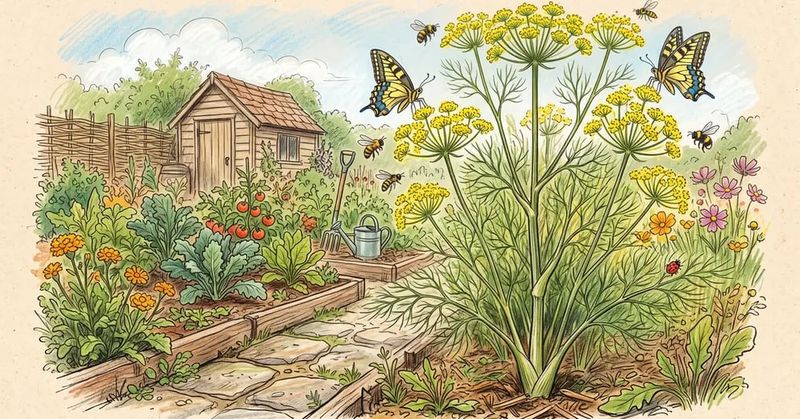
Gardeners who love fennel tend to love it a lot. The feathery fronds are pretty, swallowtail caterpillars adore it, and the bulbs taste great roasted.
Your tomatoes, though, would rather it lived somewhere else.
Fennel has long had a reputation as a loner in the vegetable garden. Many growers report that nearby crops, including tomatoes, seem stunted when fennel shares their space.
Some sources suggest it may release compounds that interfere with neighboring plants, though the science is not fully settled.
What is clear is that fennel competes hard for water and grows into a big, bushy plant. In sandy Florida soil or a hot Texas bed, that extra thirst can leave tomatoes stressed during fruit set, which may mean blossom drop.
The easy fix is to give fennel its own container or a corner of the yard near your pollinator plants. A large pot works beautifully and still invites butterflies to visit.
Bonus tip: if you already have fennel growing next to tomatoes and the vines look sluggish, try pulling or relocating the fennel in cool weather. Then water deeply and add a layer of mulch to help the tomatoes bounce back.
4. Cabbage
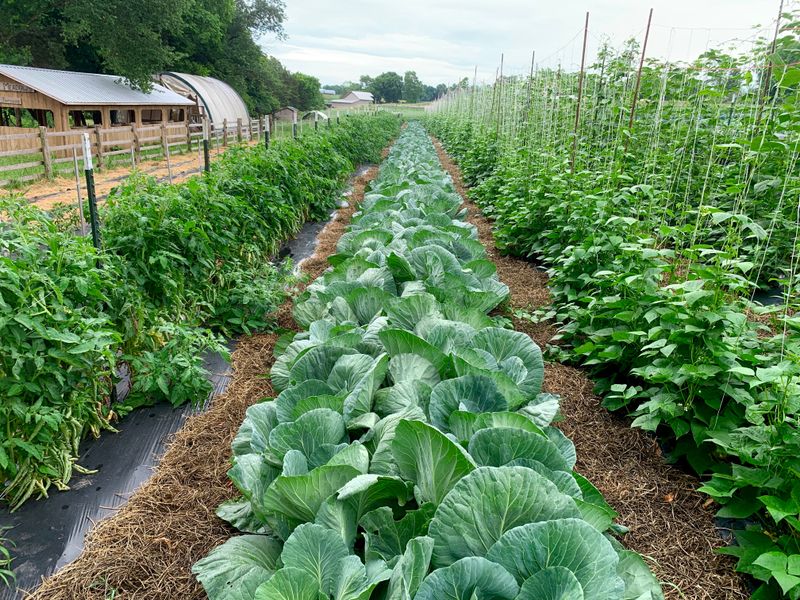
Here’s a timing trap that catches many Southern gardeners. Cabbage loves cool weather, so it often stays in the ground right as tomato planting season arrives in February or March.
Cabbage and other brassicas are heavy feeders. They pull plenty of nitrogen and other nutrients from the soil, which can leave young tomato transplants hungry during the weeks when they need to build strong roots.
Big cabbage leaves also spread wide and may shade small tomatoes.
There’s some evidence that brassicas can slow tomato growth when planted close, and gardeners often notice weaker, slower vines. Paired with root competition, that is reason enough to separate them.
Plan your beds in advance. Let cabbage finish in one bed while tomatoes go into another freshly amended space.
If you must reuse the bed, harvest the cabbage, add compost, and give the soil a short rest before planting tomatoes.
In Florida, cabbage season often runs from fall into early spring, so this overlap happens a lot. Mapping your beds on paper each winter can save you from a crowded, underfed tomato patch come May.
5. Broccoli
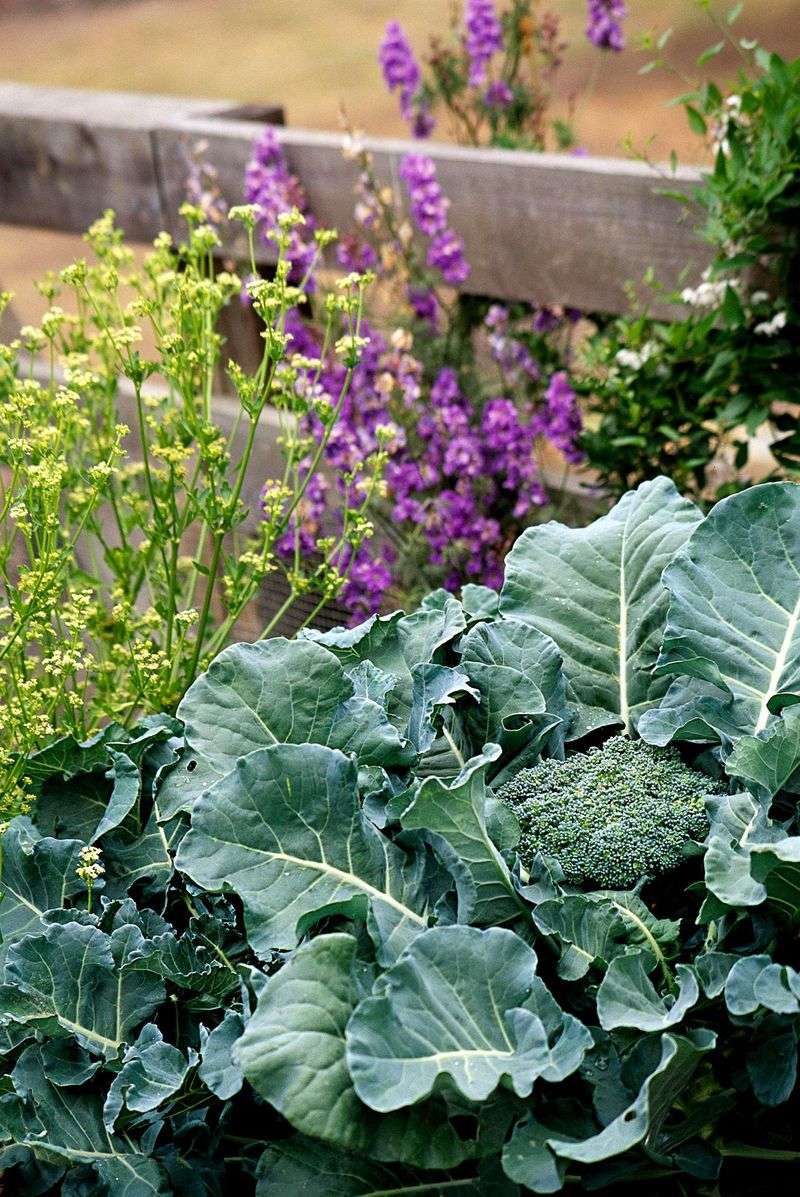
Broccoli earns its spot on this list for a slightly different reason than cabbage. Yes, it’s another hungry brassica, but it also tends to linger longer than gardeners plan for.
Many of us leave broccoli in place after the main head is cut, hoping for side shoots. That’s a fine idea in an empty bed.
Next to new tomatoes, though, those big plants keep drinking water and feeding from the same soil for weeks.
Broccoli also draws aphids and caterpillars in spring. When temperatures warm, some of those pests may move onto tender tomato growth nearby, especially aphids, which can cause curled leaves and sticky residue.
The fix is simple: once the weather turns warm and broccoli starts to bolt into yellow flowers, pull it out. Compost the stalks unless they show disease, then refresh the soil with compost before tomatoes go in.
If you love spring broccoli, try growing it in a dedicated cool-season bed that turns into a home for beans or southern peas in summer. Those crops follow broccoli well and keep your tomato space clear and well fed.
6. Eggplant
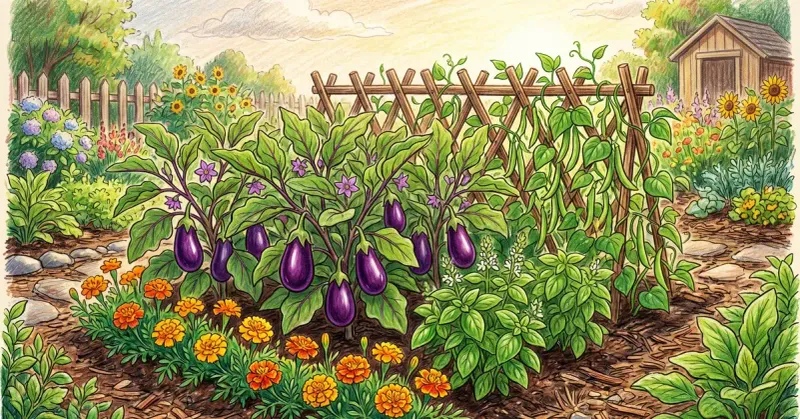
On paper, eggplant looks like an ideal neighbor. It loves the same heat, the same sun, and the same rich soil as tomatoes.
That similarity is exactly the problem.
Eggplant is another nightshade, so it shares diseases like verticillium wilt and bacterial wilt with tomatoes. In warm Southern soil, these diseases can hang around for years.
Planting the two together may give a disease a bigger buffet and a better chance to spread.
Pests love the pairing too. Flea beetles riddle eggplant leaves with tiny holes, and spider mites and hornworms may move between the two crops during hot, dry stretches.
You do not have to give up eggplant. Just give it some breathing room.
Place it in a separate bed, or at least several feet away with a non-nightshade crop like basil or marigolds in between.
Rotation matters even more here. Keep a simple garden notebook or phone photo of each bed every year.
That record helps you avoid putting tomatoes or eggplant where any nightshade grew recently, which can reduce soilborne disease over time.
7. Peppers
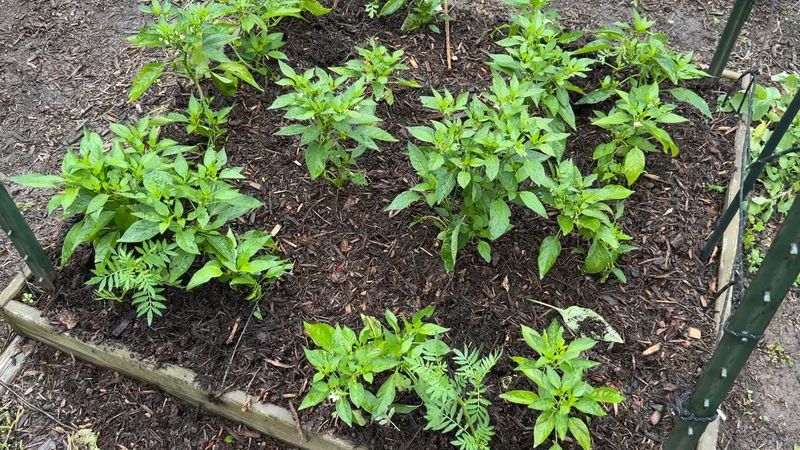
Wait, peppers? Plenty of garden guides call peppers and tomatoes a fine match, so this one deserves an honest explanation.
Peppers are not toxic to tomatoes, and many gardeners grow them side by side without trouble. The risk comes from crowding them tightly in one bed year after year.
Both are nightshades, so they can share bacterial spot, mosaic viruses, and soilborne wilts. In humid Florida summers, bacterial spot in particular may jump between them through splashing rain.
Tomatoes also grow much taller and wider. Planted too close, they can shade pepper plants and trap moisture around both, which may invite more disease.
If you like having them near each other, space them generously. Give peppers the sunny south edge, keep tomatoes caged or staked behind them, and water at the base rather than overhead.
Most important of all, rotate both crops together. Treat peppers and tomatoes as one family when planning beds.
If your tomatoes struggled with spots or wilt last year, move both crops to a new spot this spring and use fresh potting mix if you grow in containers.
8. Walnut Trees
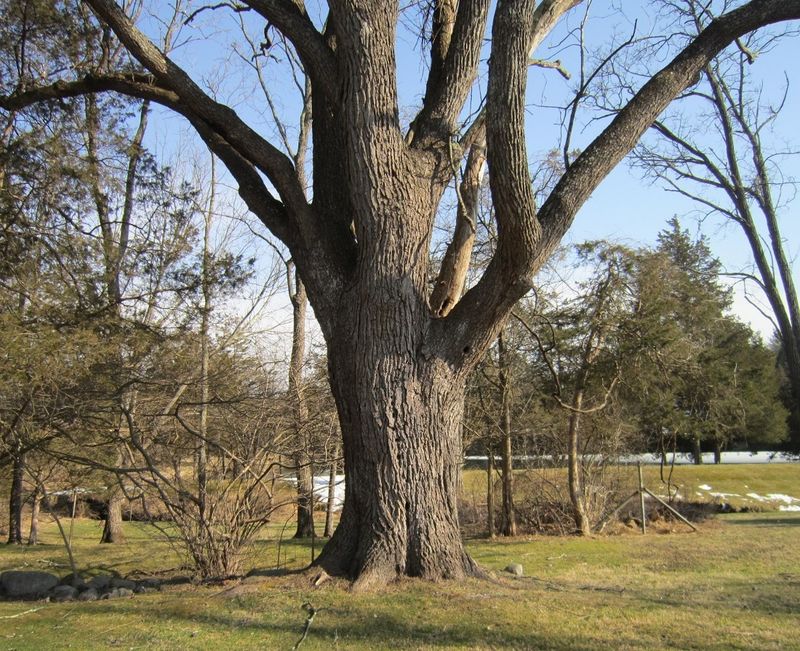
Okay, a tree is not exactly a crop you plant in spring. But if your tomato bed sits anywhere near a black walnut, nothing else on this list matters quite as much.
Black walnuts produce a compound called juglone, found in their roots, leaves, and hulls. Tomatoes are among the most sensitive plants to it.
Affected vines may wilt suddenly, yellow, and decline even when watered well. Pecans, which are common in Texas, contain much less juglone and are generally considered lower risk, though heavy shade can still hurt yields.
Walnut roots can spread far beyond the edge of the canopy. Many extension services suggest keeping tomatoes at least 50 feet or more from a mature tree when possible.
Already stuck with a walnut nearby? Raised beds lined with a barrier and filled with fresh soil may help, as long as no walnut leaves or hulls end up in the bed or your compost.
Also skip walnut wood chips as mulch for tomatoes. They can carry juglone right into the root zone, which is the exact opposite of what your plants need.
9. Dill
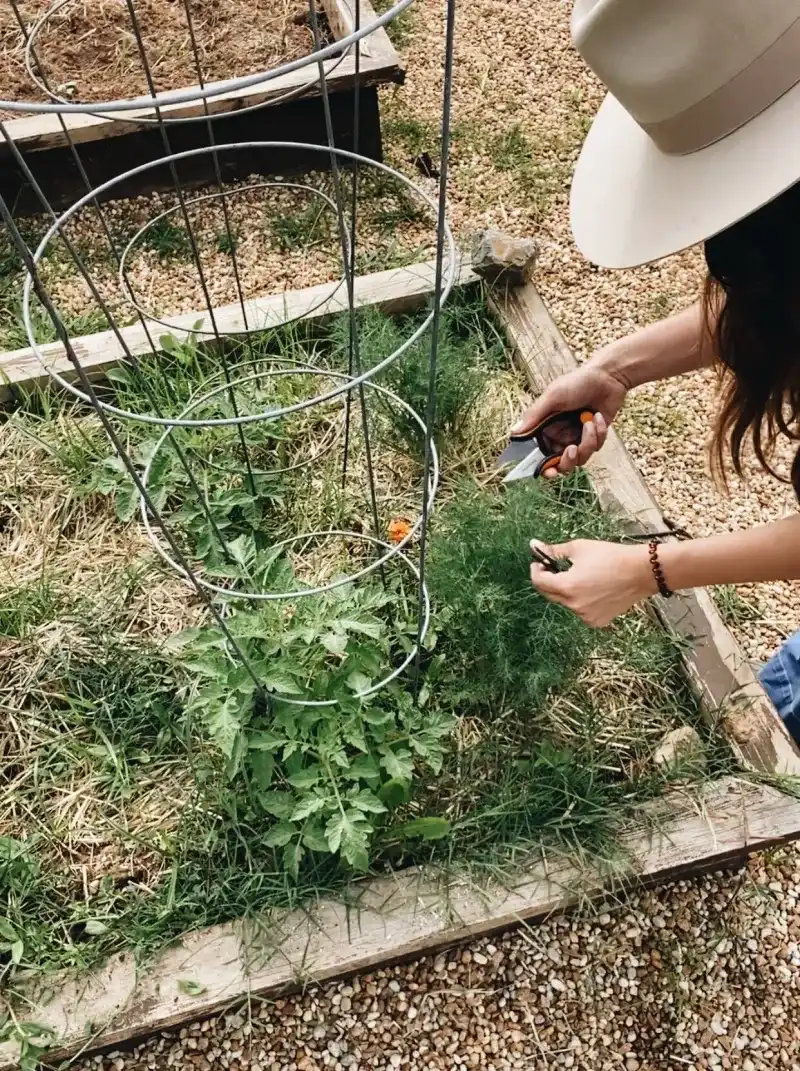
Young dill and tomatoes actually get along fine. Grown-up dill is where the trouble starts, which makes this one of the trickier entries on the list.
Small dill plants may help attract beneficial insects like ladybugs and tiny wasps. Once dill matures and flowers, though, many gardeners notice tomatoes growing slower nearby.
Some believe mature dill may hinder tomato growth, and while research is limited, the pattern shows up often enough in home gardens to take seriously.
Dill also attracts tomato hornworm moths in some cases, according to garden lore, though evidence is mixed. Either way, a big flowering dill plant shading tomato stems is not ideal.
A good compromise is to sow dill near tomatoes early, enjoy it as a fresh herb, and then harvest or move it before it bolts. In the South, dill often bolts quickly once temperatures pass the mid-80s.
Want flowers for pollinators? Let some dill go to seed in a separate herb pot.
You still get the beneficial insects and those cheerful yellow umbrellas, without crowding your tomatoes during prime fruiting time.
10. Cucumbers
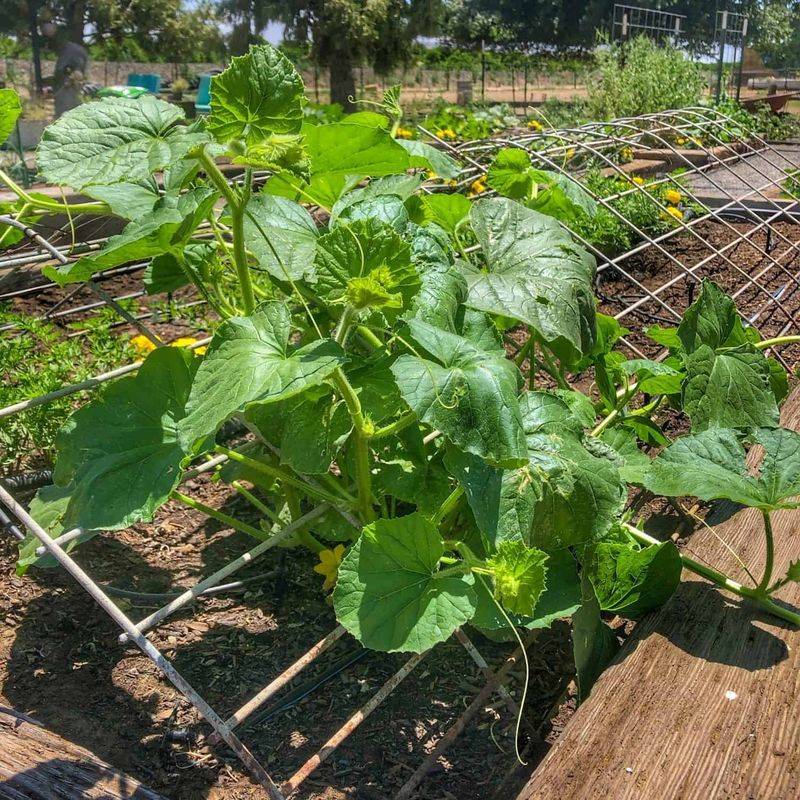
Cucumbers and tomatoes share a salad bowl, so it feels natural to plant them together. In the garden, though, they can turn into rowdy roommates.
Cucumber vines spread fast and climb anything nearby, including tomato cages. That tangle cuts airflow, keeps leaves wet longer, and may raise the risk of fungal diseases like powdery mildew and blights.
Both crops also drink heavily during Southern heat, so they compete for water exactly when tomatoes are trying to set fruit.
Cucumbers can host cucumber mosaic virus, which can also infect tomatoes. Aphids spread it from plant to plant, and in a crowded bed that trip is very short.
The solution is simple: give cucumbers their own trellis at least a few feet away. Vertical growing keeps fruit clean, saves space, and stops vines from creeping into tomato territory.
Water both at the soil line, ideally in the morning, so leaves dry before evening. A soaker hose or drip line can make this easier and may cut down on disease, especially during muggy Florida and Gulf Coast summers.
11. Kohlrabi
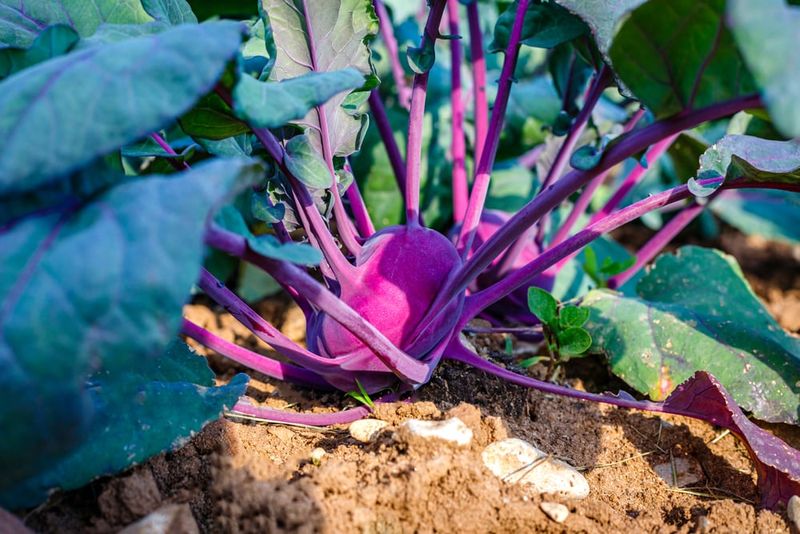
Kohlrabi looks like a tiny alien spaceship sitting in the soil, and it is fun to grow. It is also a sneaky tomato spoiler that many gardeners overlook.
Like cabbage and broccoli, kohlrabi is a brassica, but it gets its own spot here because it is often tucked into small gaps between other crops. Gardeners figure such a compact plant cannot cause harm.
Yet many experienced growers report that tomatoes planted near kohlrabi seem to grow poorly, and some sources say the two may inhibit each other.
It also feeds heavily from the topsoil right where young tomato roots are spreading. That competition can show up as pale leaves and slow early growth.
In the South, kohlrabi is best treated as a fall and winter crop. Harvest it before tomatoes go in, while the bulbs are about the size of a tennis ball and still tender.
If you want to fill gaps between tomatoes, choose basil, marigolds, or lettuce in early spring instead. Those plants stay small, share space politely, and may even help attract helpful insects.
12. Pole Beans
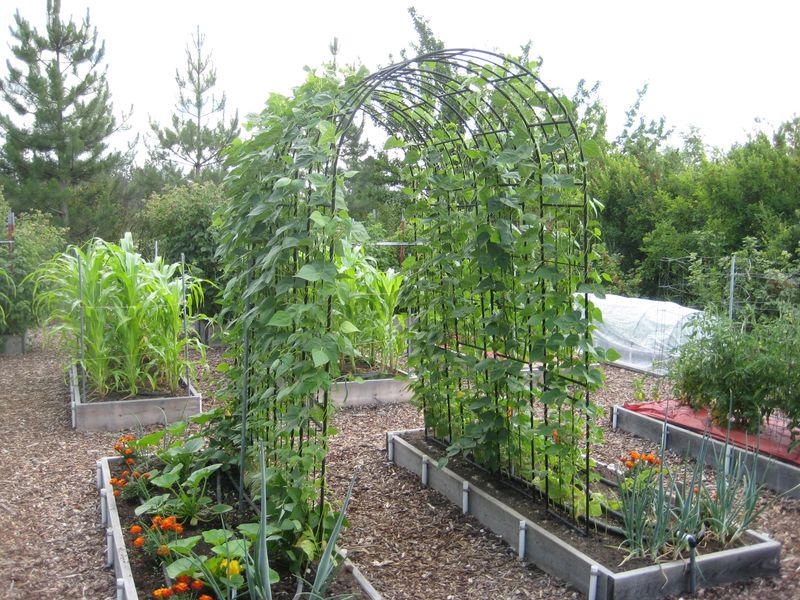
Beans have a great reputation as soil helpers, so seeing them here might surprise you. Bush beans can be fine near tomatoes.
Pole beans are a different story.
Pole beans climb tall and fast, and they will happily wrap around tomato stakes and cages. The result is a crowded jungle with poor airflow, more shade, and harder harvesting.
In humid Southern summers, that dense growth may encourage leaf diseases on both crops.
There is also a nutrient mismatch. Beans add nitrogen to the soil over time, and too much nitrogen can push tomatoes to grow lush leaves with fewer flowers and fruit.
Lots of green and few tomatoes is exactly the empty-vine problem you want to avoid.
Grow pole beans on their own trellis or fence, ideally where they will not shade your tomato row. If you love the nitrogen boost, plant beans in that bed one season and tomatoes there the next.
For heat-loving Texas and Florida gardens, southern peas or yardlong beans make good summer options. Just give them their own space and let your tomatoes have the sunshine.