
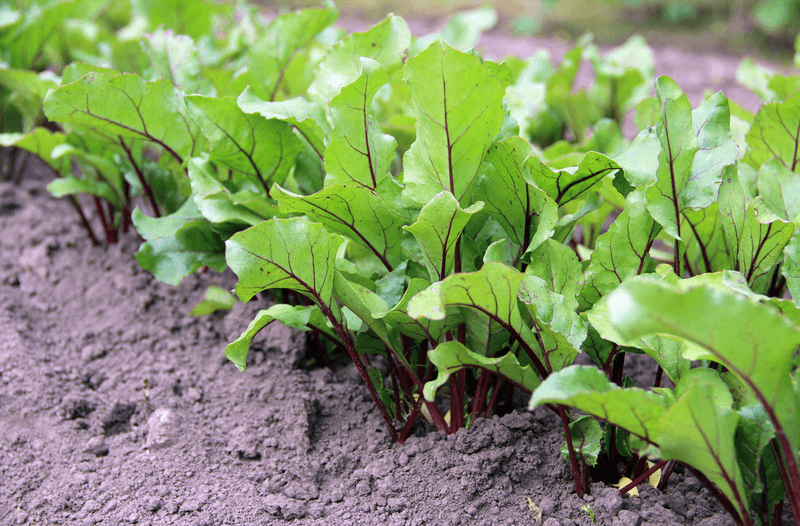
Plant beets with careful spacing and you may still end up with a crowded row. Each beet seed is really a tiny cluster that can sprout several seedlings at once.
Thinning those seedlings gives each root space to swell, which matters in Southern beds where the cool season is short. Here is how to thin, plus the other habits that shape a good beet harvest.
Beet seedballs can hide a crowd
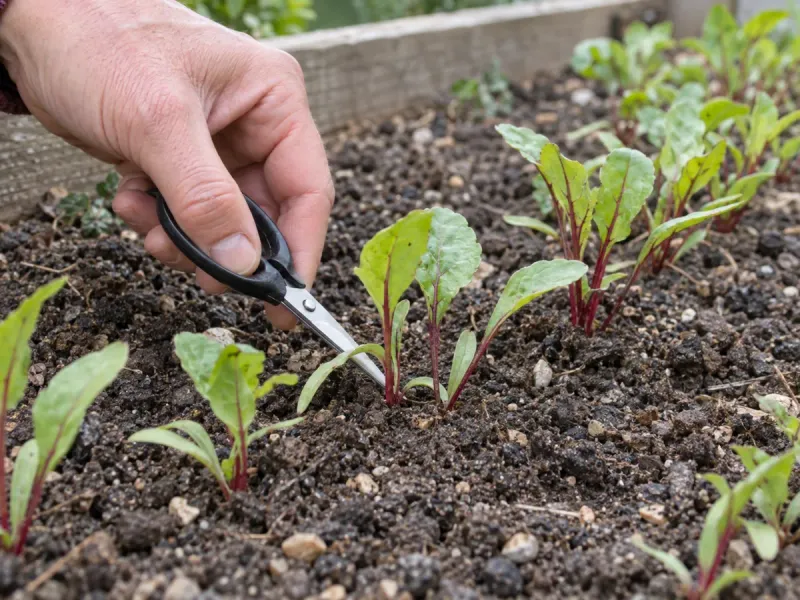
Here is the surprise tucked inside a beet seed: it is not one seed. What gardeners plant is a rough, corky seedball, and Texas A&M AgriLife Extension notes that each one commonly produces several seedlings.
Mississippi State Extension also recommends thinning for this reason.
That means a row you spaced neatly at planting can still turn into a tight thicket within a couple of weeks. Look for small clumps of two, three, or even more sprouts coming up from a single spot.
Those plants are competing for the same patch of soil, water, and light.
Crowding is a common reason beet tops look lush while the roots stay small and bunched. Thinning is a direct response to that problem because it frees up room below ground.
It is not the only thing that affects root growth, though. Planting time, soil moisture, variety, and harvest stage all play a part, so think of thinning as one useful piece of the puzzle rather than a cure-all.
If your row looks like a green carpet, a quick check at soil level will show whether seedlings are packed together.
Thin seedlings to give roots room
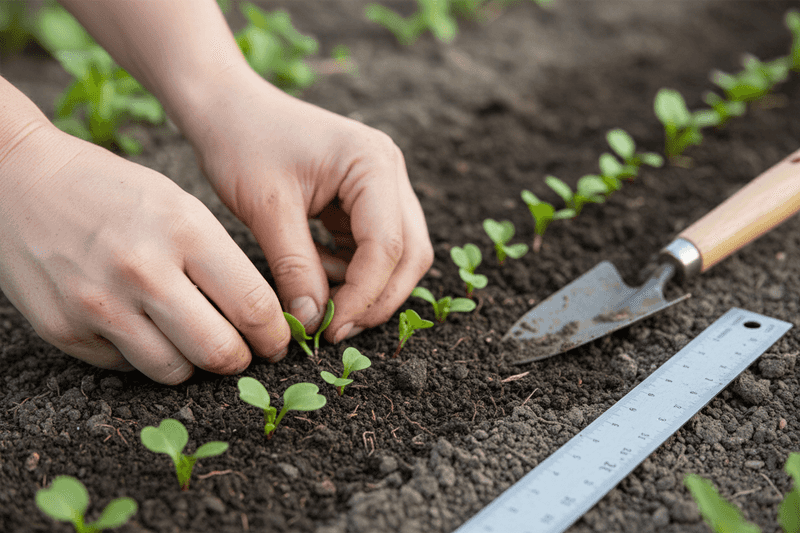
Once seedlings are a few inches tall and the row looks packed, it is time to thin. Aim to leave roughly 2 to 4 inches between the plants you keep.
UF/IFAS suggests 2 to 4 inches, while Texas A&M and Mississippi State point to about 2 inches. Utah State Extension leans toward 3 to 4 inches and says thinning encourages good root size.
That spread means you have some freedom. Closer spacing suits smaller, tender beets, and wider spacing gives roots more space to bulk up.
Your variety and the size you like to eat can guide the choice.
Water the bed first so the soil is loose. Then pinch or snip extra seedlings at the base instead of pulling them, which keeps neighboring roots from being disturbed.
Do not toss the thinnings. Young beet seedlings make tasty greens for salads or a quick saute.
Thinning helps roots size up, but it does not promise sweeter beets. Taste depends on other things too.
Choose a fall planting window for your region
Timing matters because beets are a cool-season crop. They size up best when days are mild, so a planting window that works in one Southern yard can be wrong a few hundred miles away.
Florida shows how much it varies. UF/IFAS lists beet planting from August through February in North Florida, September through February in Central Florida, and October through January in South Florida.
Texas is just as varied. Its fall vegetable gardening guide gives different dates for five regions, with fall dates ranging from August 15 to December 15.
Because of those differences, there is no single date for the whole South. Your best move is to pull up the planting calendar from your county Extension office and match it to your area.
If you are unsure, call or visit the office, since local agents know your frost patterns and soil.
Once you have your window, sow with a little extra patience and plan to thin when seedlings come up thick.
Keep soil moisture reasonably consistent
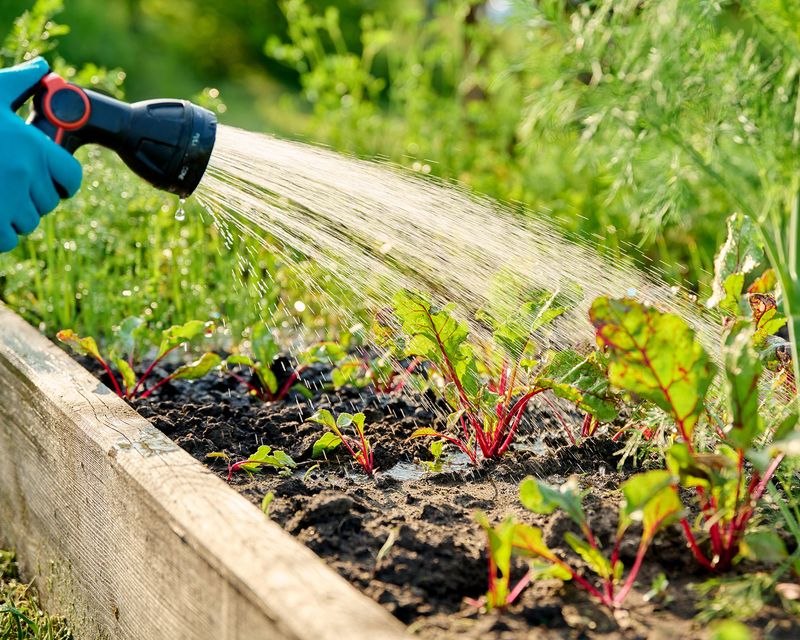
Picture a beet bed that swings from bone dry to soggy and back again. Utah State Extension reports that those swings can crack roots and slow leaf development.
It also says early water stress can cause premature flowering and low yields.
The goal is steady, reasonable moisture, not a soaking every day. Texas A&M AgriLife Extension advises watering when rain is not enough, which is a simple rule that adapts to your weather.
A quick finger test helps. If the top inch or so of soil feels dry, the bed likely needs water.
If it is still damp, wait. A layer of mulch can slow evaporation, and young seedlings in particular should not be allowed to dry out completely.
Sandy Florida soils and heavy Texas clay hold water very differently, so there is no fixed schedule that fits every bed. Watch your own soil and the forecast.
Even moisture protects the plants you worked to thin, but it does not guarantee a certain root size or sweetness.
Harvest for the size and texture you want
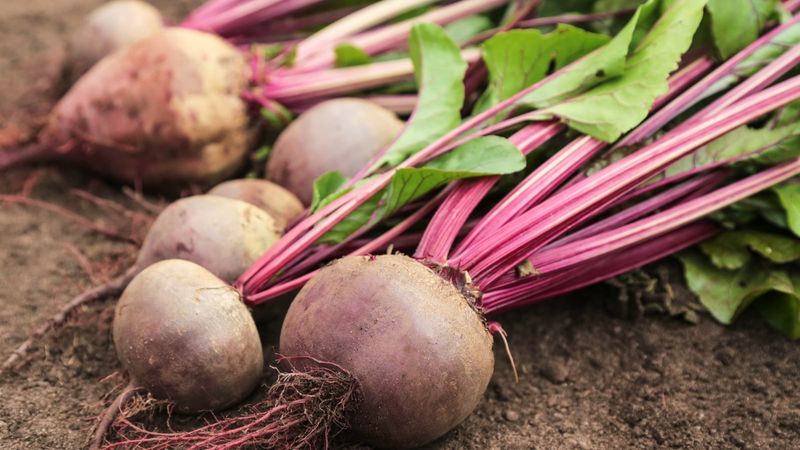
Sweetness is where beet advice gets overpromised. The guidance cited here supports thinning for root size, not as a sweetness treatment.
Variety, growing conditions, and harvest stage all affect flavor.
It is tempting to leave beets in the ground until they are huge, but bigger is not always better. Utah State Extension says larger roots tend to become more fibrous, and Oregon State Extension notes that large beets may be tough and stringy.
South Dakota State Extension gives a more balanced view: larger beets may taste sweeter, but they can also turn tougher and more fibrous.
So pick a target. Check your seed packet for days to maturity, then start testing a few roots as that date nears.
Pull one, slice it, and see if the texture suits you. Smaller beets are often tender, while slightly bigger ones may be good for roasting.
Harvest when the roots reach the size and bite you enjoy, and keep an eye on the weather as Southern warmth returns.
Base fertilizer decisions on soil guidance
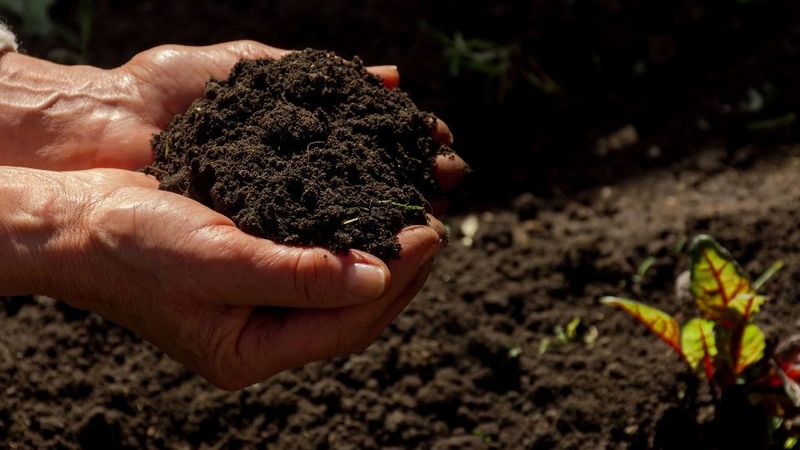
When beets underperform, it is easy to reach for a quick fix like borax or a mix of micronutrients. Skip that shortcut.
Neither is a routine step for growing beets, and guessing can do more harm than good.
A better plan is to find out what your soil actually needs. UF/IFAS advises checking with your county Extension office or using a soil test to decide whether fertilizer is needed and how much.
Mississippi State Extension offers similar fertility guidance for beet beds.
Most county offices can explain how to collect a sample and where to send it. Results usually come with clear recommendations for your specific bed, which is especially useful in the very different soils found across Florida and Texas.
Keep this in perspective. Fertilizer is a supporting player here.
Thinning, timely planting, steady moisture, and well-timed harvest do the heavy lifting for root development.
A soil test costs little and replaces guesswork with facts, which is a fair trade for any gardener.