
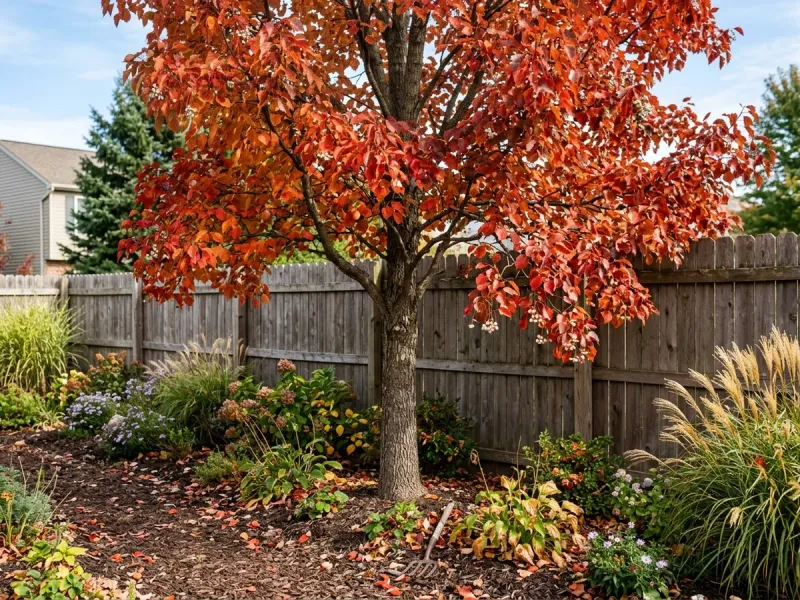
A familiar shade tree or backyard shrub can come with rules you never expected. Some plants once used in Florida yards are now restricted because they spread into natural areas and crowd out native plants.
Depending on your county or city, planting a prohibited species or ignoring a required removal notice could lead to enforcement and fines. These seven plants deserve a closer look, but an invasive label alone does not mean keeping an existing plant automatically breaks the law.
1. Brazilian Pepper
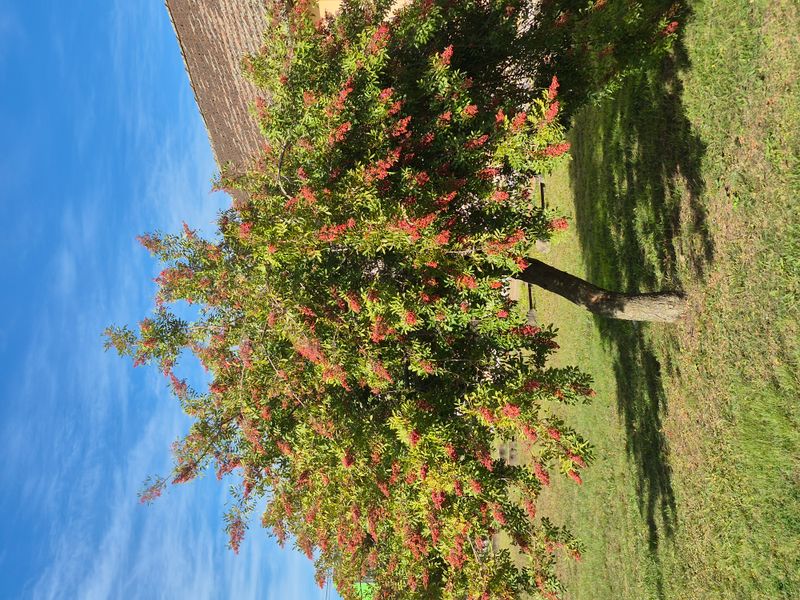
Those bright red berries can make a backyard tree look festive, but birds turn them into a neighborhood seed delivery service. Brazilian pepper, Schinus terebinthifolia, spreads into fence lines, vacant lots, and natural areas, where it can form thick stands.
Florida regulates this species, and local landscape rules can add restrictions. Miami-Dade County includes Brazilian pepper among its prohibited plants, but the duty to remove an established tree depends on the applicable code and circumstances, such as a development approval or enforcement order.
Do not assume every homeowner with an old tree faces an immediate fine. Ask your county or city whether your property has a removal requirement, what triggers it, and whether a deadline applies.
For removal, wear protective clothing because the sap can irritate skin. Large plants often resprout after cutting, so request a treatment plan from a qualified contractor rather than paying for a simple trim.
For a replacement, consider native yaupon holly where conditions suit it. Its berries support birds without introducing another invasive tree.
2. Australian Pine
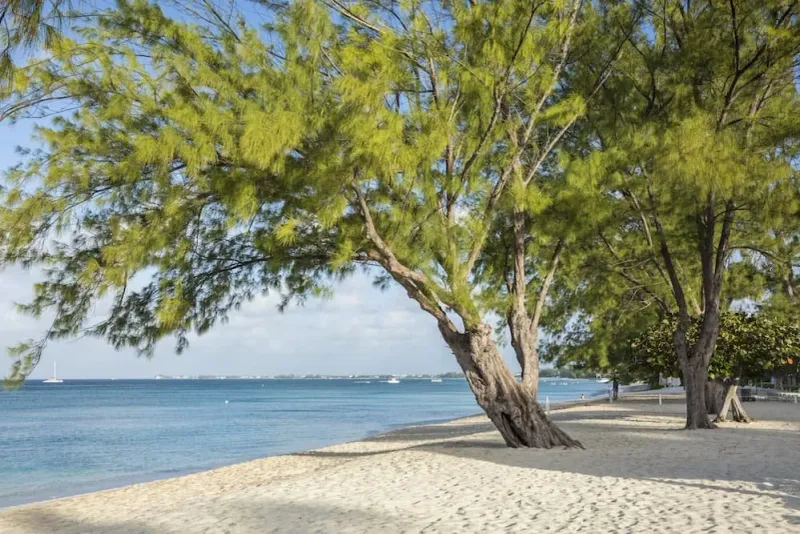
A tall, feathery windbreak can feel like part of the Florida coastline. Australian pines were widely planted for shade and shelter, but their spread and storm-related problems have made them unwelcome in many landscapes.
The common name covers several Casuarina species, so identification matters before you discuss legal requirements. These trees are not true pines, and their thin green branchlets can fool homeowners who are checking a plant list by appearance alone.
State restrictions and local prohibited-plant rules may apply. In Miami-Dade County, Australian pines appear on the prohibited plant list; an existing tree’s treatment can depend on the property’s approvals and the specific code requirements.
Before hiring a removal crew, ask your local environmental office whether removal is required and whether any permit or documentation is needed. A prohibited designation is not permission to damage nearby protected trees or coastal habitat.
Near a house, roof, or power line, use an insured tree professional. For suitable coastal sites, ask your extension office about native replacements such as gumbo limbo in frost-free areas rather than installing another fast-growing exotic windbreak.
3. Melaleuca
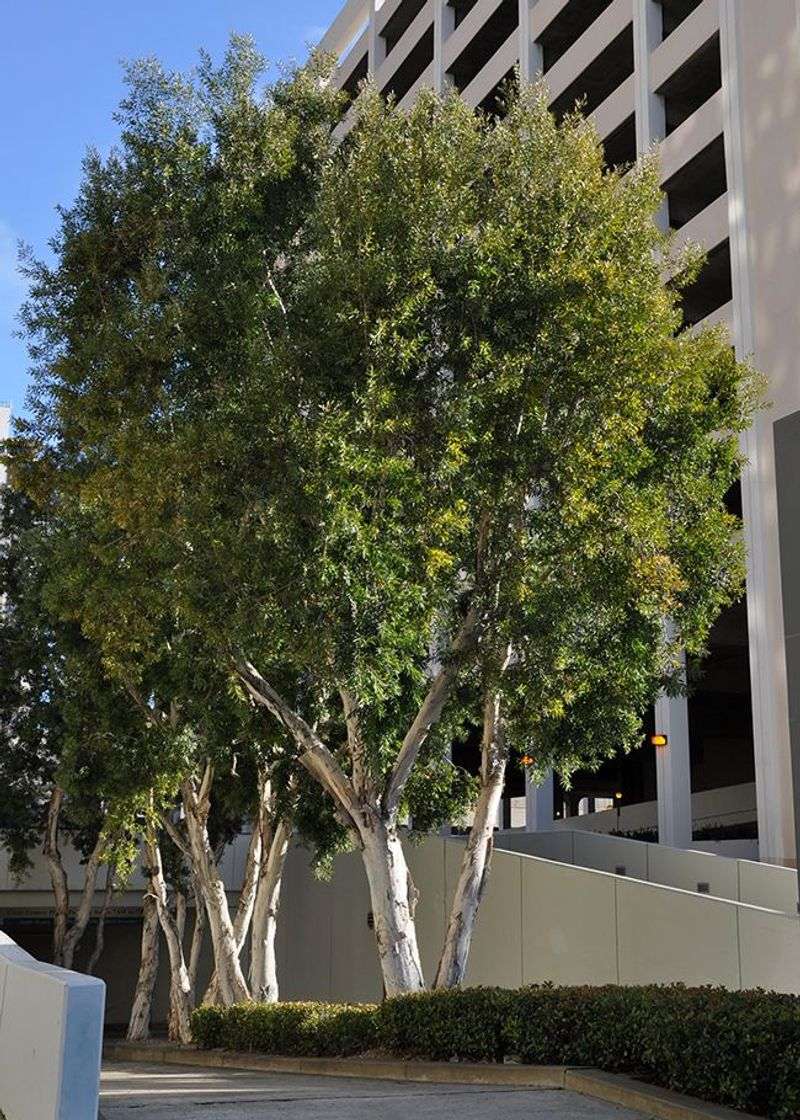
Peeling, paper-like bark gives this tree a memorable look. Melaleuca quinquenervia, often called paperbark, also has a damaging history in South Florida wetlands, where dense growth can displace native plant communities.
Its legal concerns go beyond an ordinary landscaping preference. Melaleuca is regulated in Florida and appears on local prohibited-plant lists, including Miami-Dade County’s.
Still, a statewide restriction on activities involving a plant is not the same thing as an automatic county fine for every established specimen. Check whether your situation involves prohibited planting, a required landscape correction, or an order to remove existing growth.
Start by photographing the bark, leaves, and whole tree, then ask your county extension office to confirm the species. Other trees have peeling bark, and a mistaken identification can lead to an expensive removal.
Because mature trees can release large amounts of seed, arrange removal with someone familiar with invasive-tree control. Ask how seedlings and regrowth will be handled afterward.
On a suitably moist site, native sweetbay magnolia may offer a better landscape choice, with fragrant flowers and wildlife value.
4. Carrotwood
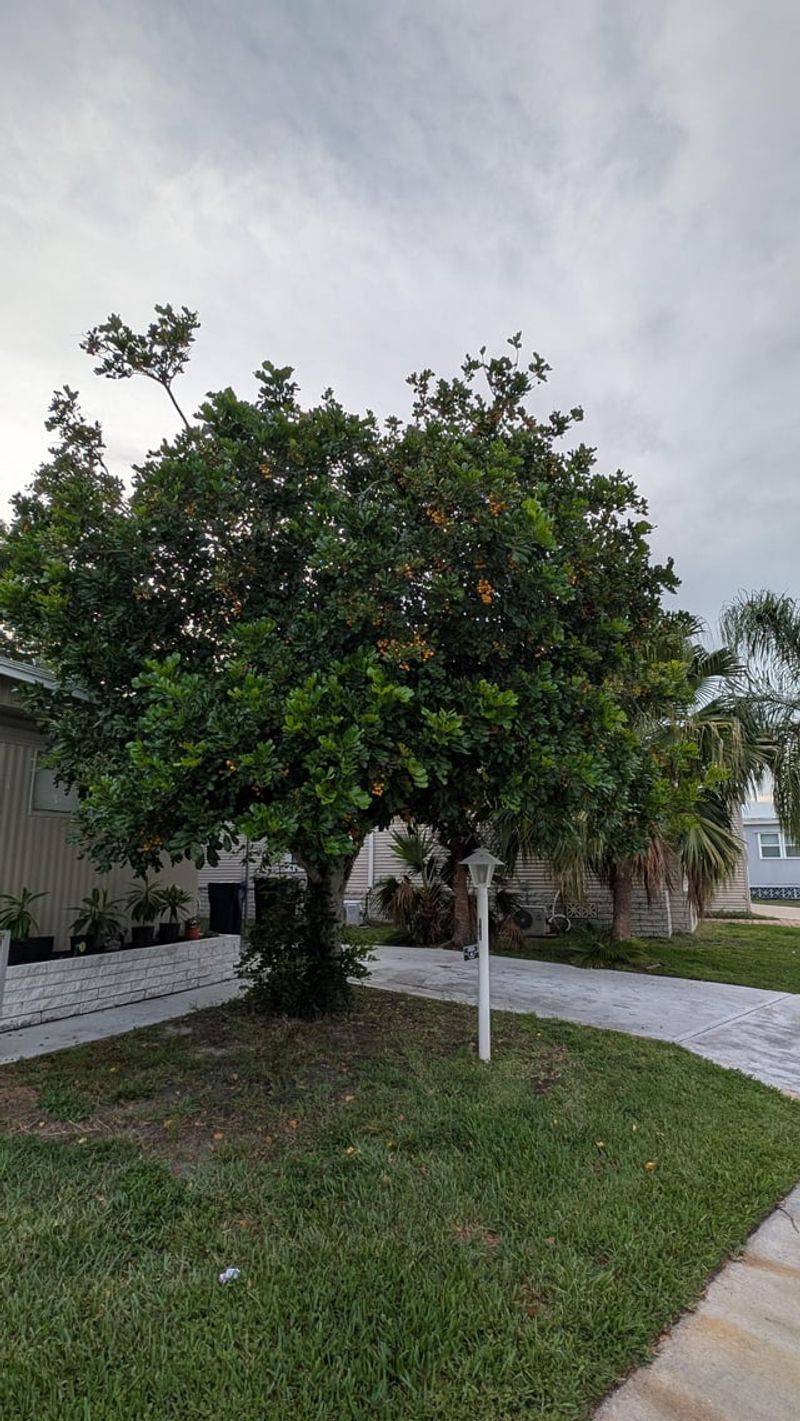
At first glance, a neat evergreen shade tree seems like a safe choice for the front yard. Carrotwood, Cupaniopsis anacardioides, earned that role in older Florida landscapes, but its fruit helps it escape well beyond property lines.
Birds carry the seeds into nearby habitat, including sensitive coastal areas. That ability to spread is why homeowners should check both invasive-plant guidance and the law before keeping seedlings or planting another tree.
Carrotwood appears on Miami-Dade County’s prohibited plant list. Elsewhere, the applicable restriction and any removal duty must be checked locally; a neighbor’s experience in another county does not settle what your property requires.
If you receive a notice, ask the issuing office to identify the code provision, the required correction, and the compliance deadline. Do not assume ordinary pruning will satisfy a requirement to remove the plant.
Walk beneath established trees and along nearby hedges to look for volunteer seedlings. Remove small unwanted plants before their roots become difficult to manage.
For a lasting shade-tree replacement, consider a site-appropriate native such as live oak, allowing enough room for its mature canopy and roots.
5. Chinese Tallow
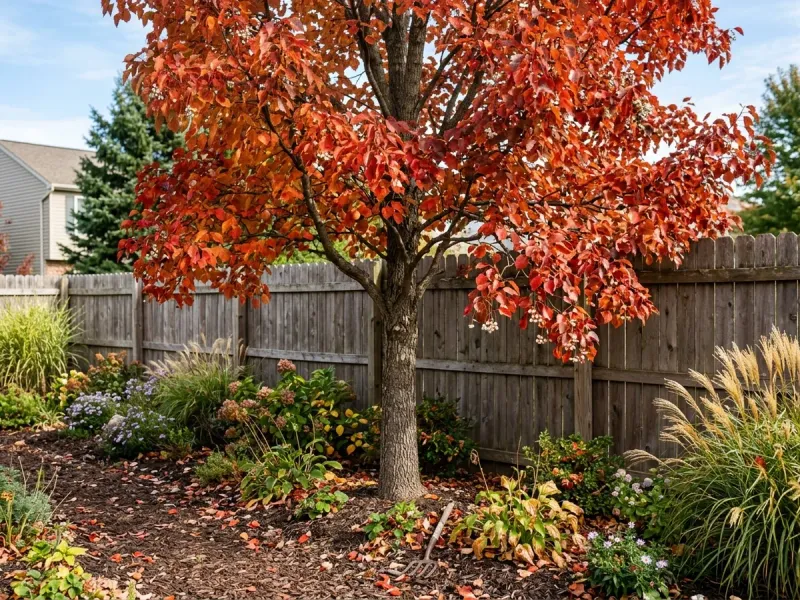
Fall color is a tempting sales pitch in a state known for evergreen yards. Chinese tallow, Triadica sebifera, delivers colorful leaves and white, waxy seeds, which explain its other common name: popcorn tree.
Unfortunately, those ornamental features come with aggressive spread. Birds disperse the seeds, and the tree can invade disturbed ground and natural areas, especially where conditions allow seedlings to establish quickly.
Chinese tallow is regulated in Florida, and local rules may also restrict its use. Check both Triadica sebifera and its older scientific name, Sapium sebiferum, when reading an ordinance or an old landscape plan.
A restriction on selling or planting does not, by itself, prove that every existing backyard tree must be removed immediately. Your county or municipality should explain whether an established specimen violates a specific rule and what action is required.
Avoid sharing seeds, seedlings, or homemade growing kits with neighbors. Cutting down a tree without controlling the stump can also leave you with vigorous new shoots.
For seasonal color, ask about native sweetgum where there is ample space, or red maple on a suitably moist site. Match the replacement to drainage rather than choosing by leaf color alone.
6. Java Plum
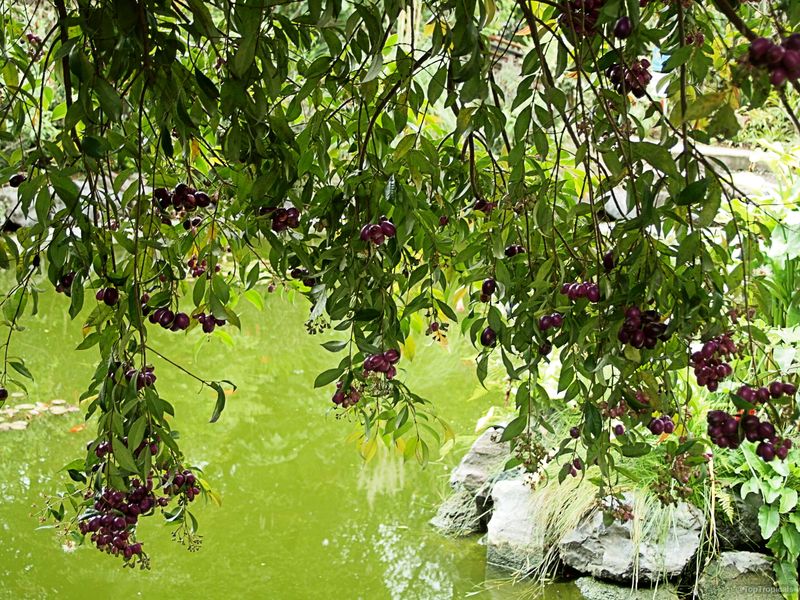
Fruit dropping across the driveway may be the first clue that an old backyard tree needs a closer look. Java plum, Syzygium cumini, produces dark fruit that attracts wildlife, but it can also spread into South Florida natural areas.
This is not the same plant as a typical temperate-climate plum. Common names can overlap, so use the scientific name when asking a nursery, county office, or contractor for advice.
Miami-Dade County lists Java plum as a prohibited plant. That makes it a clear example of why a familiar fruit tree should not be assumed legal to plant just because someone nearby has grown one for years.
For an existing tree, confirm whether a removal requirement applies to your property or a planned project. Rules tied to development or landscape approval can become relevant when you renovate, even if the tree predates your ownership.
Meanwhile, pull volunteer seedlings while they are small and avoid moving them to another yard. Ask about approved disposal if removal is required.
If fruit is your goal, choose a locally suitable, noninvasive option with guidance from UF/IFAS Extension. Consider mature size, fruit cleanup, and storm exposure before buying.
7. Umbrella Tree
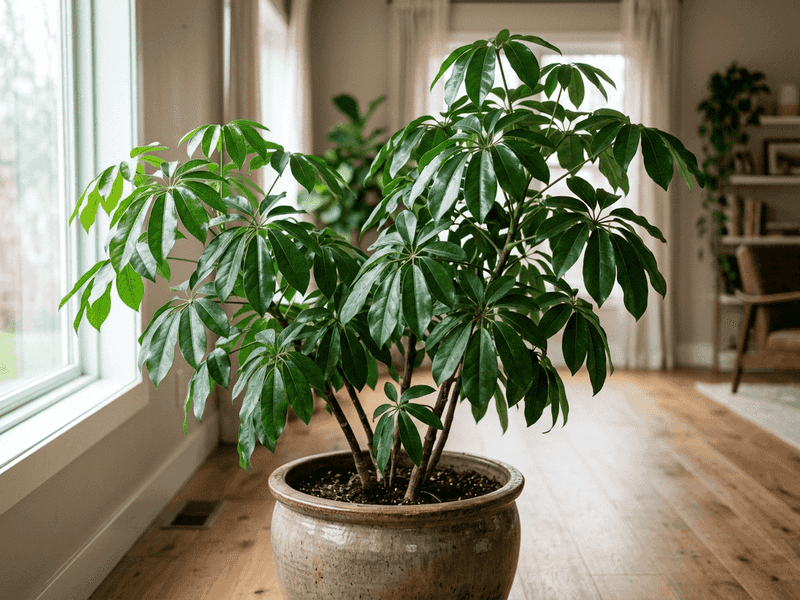
A small patio plant can become a very different problem once it goes into the ground. The large umbrella tree, Heptapleurum actinophyllum, formerly Schefflera actinophylla, can grow into a substantial tree in frost-free Florida.
Its red flower spikes are striking, but birds spread its seeds into other trees and nearby natural areas. Seedlings may appear in awkward places, including branch forks and landscape edges.
Miami-Dade County includes this species on its prohibited plant list under its familiar Schefflera name. Do not confuse it with every plant sold as an umbrella plant: common names cover different species, and legal lists rely on exact identification.
Before moving a container specimen outdoors permanently, check your city and county rules. For an established tree, ask whether keeping it is restricted, whether removal is triggered by a project, and what notice or compliance process applies.
Useful starting points are your local environmental or code office, the UF/IFAS Center for Aquatic and Invasive Plants, and the UF/IFAS Assessment. The university resources explain plant risks, but the current ordinance determines local legal duties.
For a tropical-looking replacement in warm South Florida, ask about native Simpson’s stopper sized and trained for your space.