
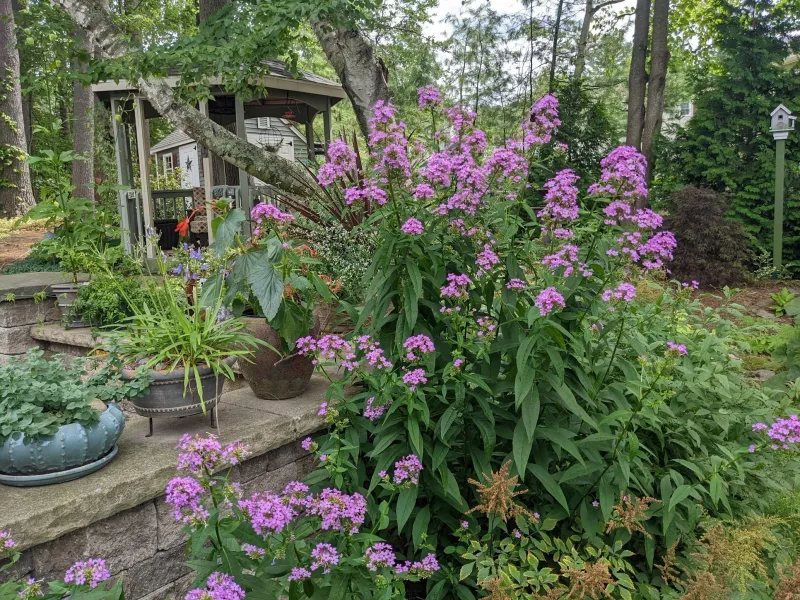
Walk past a few older North Carolina homes and you will spot the same tough plants growing year after year with almost no help. Grandma did not have fancy sprinklers or bags of chemicals, so she picked plants that could handle our heat, clay, and surprise freezes.
Many of those same plants feed bees, butterflies, and birds, which is why more homeowners are bringing them back. Late September is a great time to plan or plant several of them, so here are seven worth a spot in your yard.
1. Oakleaf Hydrangea
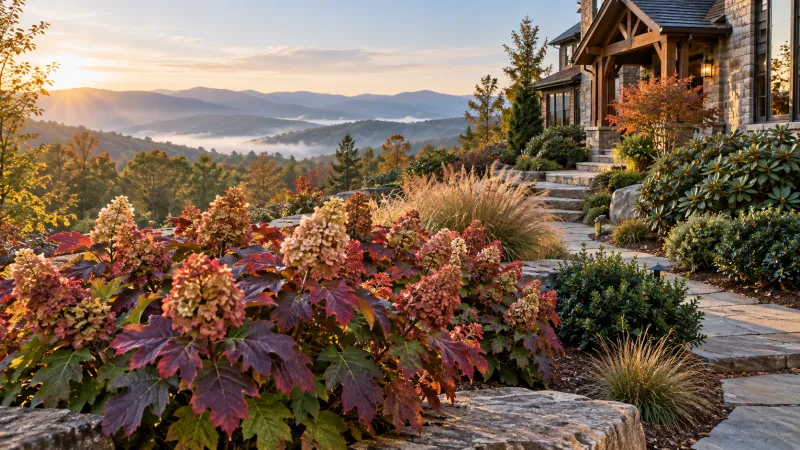
Grandma’s mophead hydrangea got all the attention, but the smart gardeners on her road grew the oakleaf kind. It is native to the Southeast, and it shrugs off the summer heat that leaves imported hydrangeas wilting by noon.
The big leaves look like oversized oak leaves, and in fall they turn wine red and deep purple. The cone-shaped white blooms fade to a dusty pink and hang on into winter, so you get interest in three seasons from one shrub.
Plant it in part shade, ideally with morning sun and afternoon relief. It handles Piedmont clay better than most shrubs if you mix in some compost at planting.
Fall is an ideal time to set one in the ground across all three NC regions, since cooler air and warm soil help roots settle before spring.
2. Garden Phlox
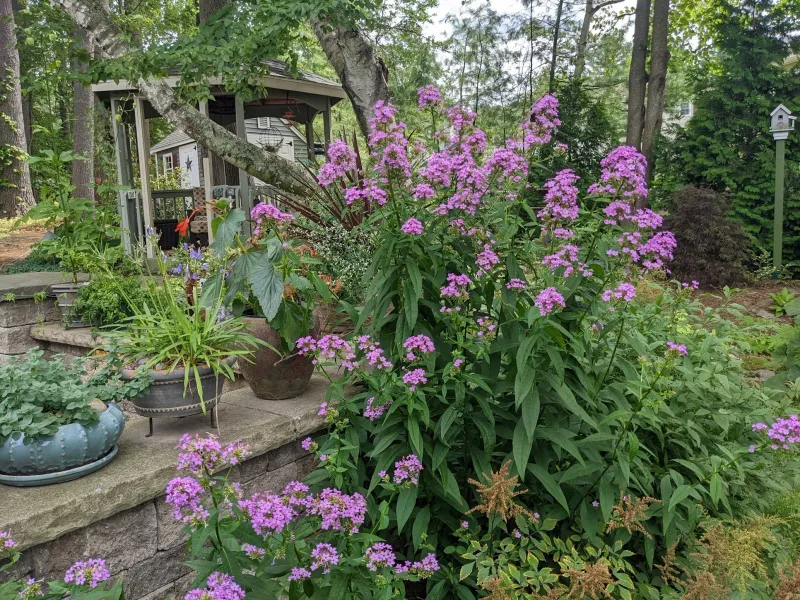
Picture a hot August evening on a porch swing, and that sweet smell drifting over from the side bed. Chances are it came from a clump of tall garden phlox.
Phlox paniculata is native to the eastern U.S., including North Carolina. Its pink, white, and lavender flower heads draw swallowtails, hummingbird moths, and bees, and the scent is strongest around dusk.
Older varieties sometimes got powdery mildew, which is why people stopped planting them. Newer picks like ‘Jeana’ and ‘David’ were bred or selected for much better resistance, so they tend to stay cleaner in our humid summers.
Divide crowded clumps now in late September. Share the extras with a neighbor, just like Grandma did.
3. Purple Coneflower

Here is a plant that asks almost nothing and keeps giving. Purple coneflower grew wild in parts of the Southeast long before anyone sold it at a garden center, and it still thrives in poor, dry soil.
Bees and butterflies work the blooms all summer. Then comes the part many folks miss: leave the spent heads standing, and goldfinches will show up to pick out the seeds through fall and winter.
Grandma probably called that lazy deadheading. Today we call it wildlife gardening, and it saves you a chore.
Give coneflowers full sun and good drainage, and they will often reseed gently along the edges of your bed.
4. Carolina Jessamine
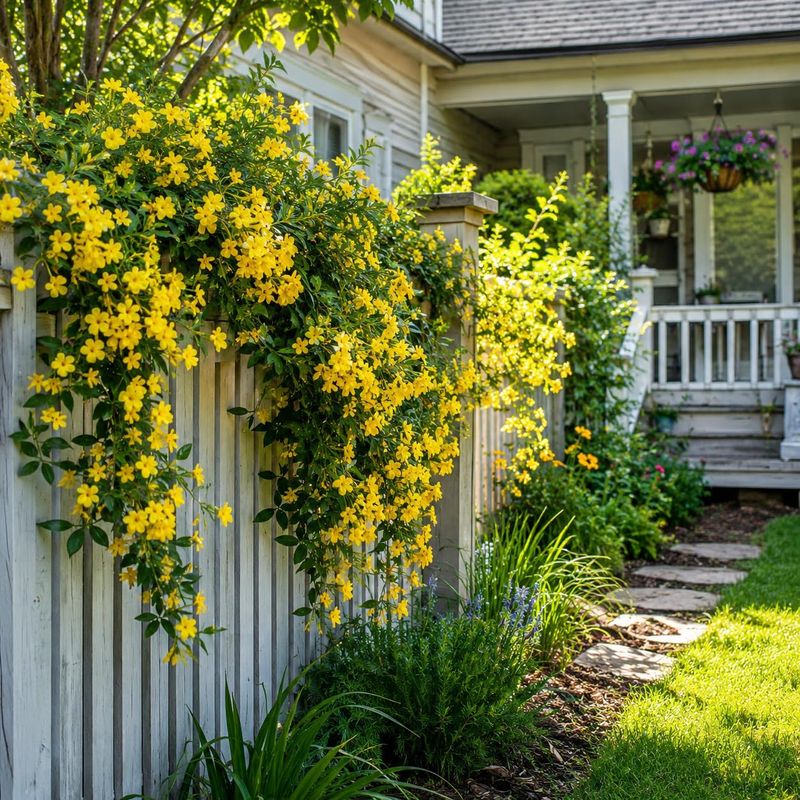
North Carolina’s roadsides glow yellow every late winter, and that cheerful color often comes from Carolina jessamine. It is native here, and it makes a great swap for invasive Japanese honeysuckle or wisteria.
The trumpet-shaped flowers open as early as February on the coast and a few weeks later in the Piedmont. That early timing gives waking bees a welcome meal when little else is blooming.
Train it on a fence, arbor, or mailbox post. It stays evergreen in most of the state and is well behaved compared to imported vines.
One caution: every part of the plant is toxic if eaten, so site it away from spots where small children or pets might chew. Fall planting gives it a head start on spring flowers.
5. Old Garden Roses
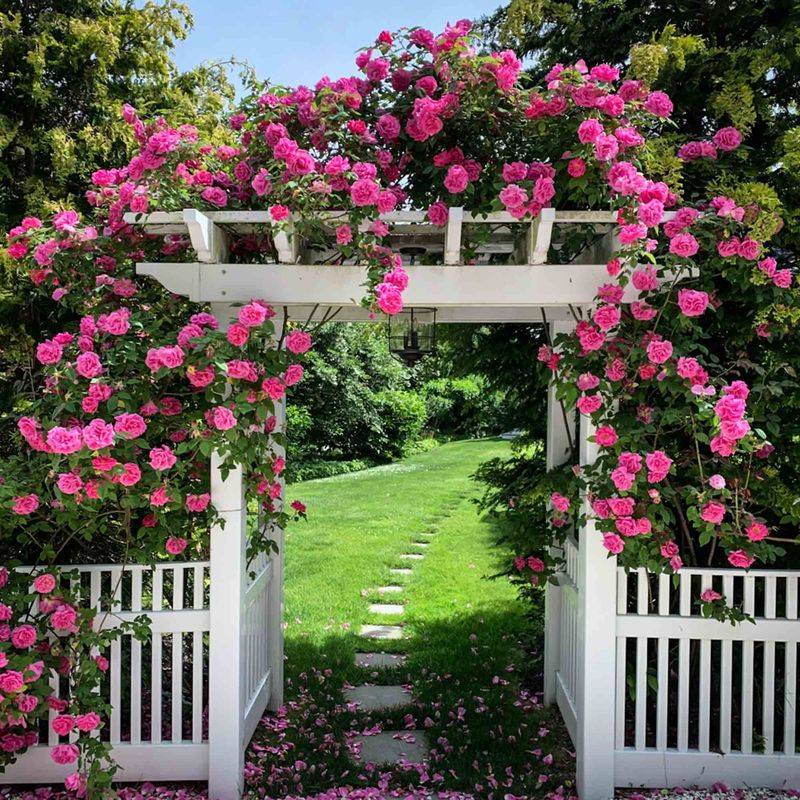
Some of the toughest roses in the state were never planted by a nursery. They were passed along as cuttings, rooted in a jar, and left to climb fences at old homesteads and cemeteries for a hundred years.
Old garden roses, like Chinas, teas, and noisettes, tend to handle Southern heat and humidity much better than many modern hybrid teas. They usually need less spraying, and their fragrance is often richer.
Pro tip: in North Carolina, the noisette class has deep local roots, since it was first bred in nearby Charleston in the early 1800s.
Plant them in full sun with good air flow, which can reduce disease problems. Skip the heavy fall pruning, since new growth before a freeze can get damaged.
Save that job for late winter.
6. Bee Balm
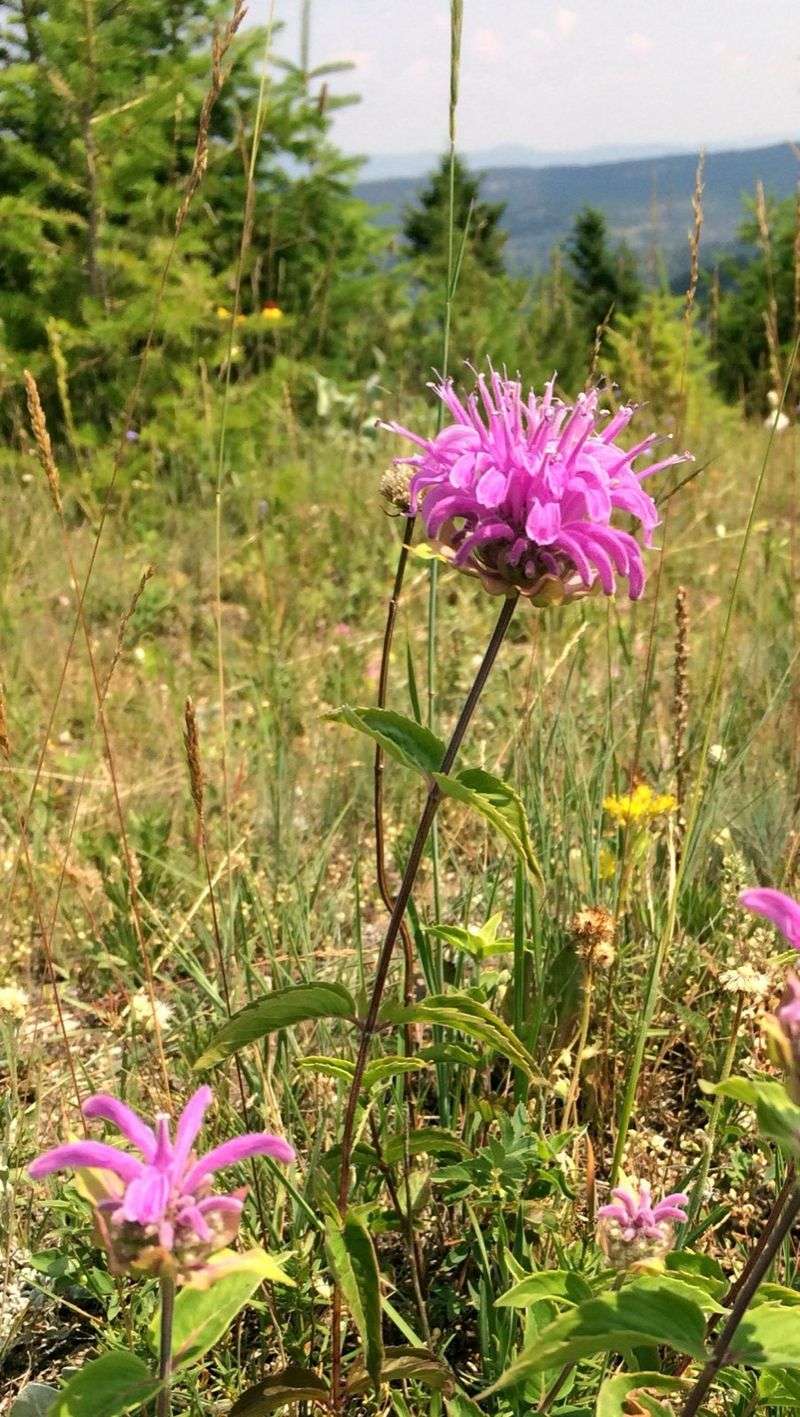
Ask any mountain grandmother about Oswego tea, and she might tell you about steeping leaves on a cold night. That was bee balm, a native mint relative that has grown in the Appalachians for ages.
The shaggy red, pink, or purple blooms are a magnet for ruby-throated hummingbirds. Bees and butterflies crowd in too, so a single patch can feel busy all summer.
It spreads, so give it room or plant it where a little wandering is welcome. Mildew-resistant types like ‘Jacob Cline’ hold up better in Piedmont humidity.
Bee balm loves the cooler mountain climate but also grows statewide with some afternoon shade. Divide it this fall to keep the center from dying out.
7. Spring Bulbs Like Daffodils
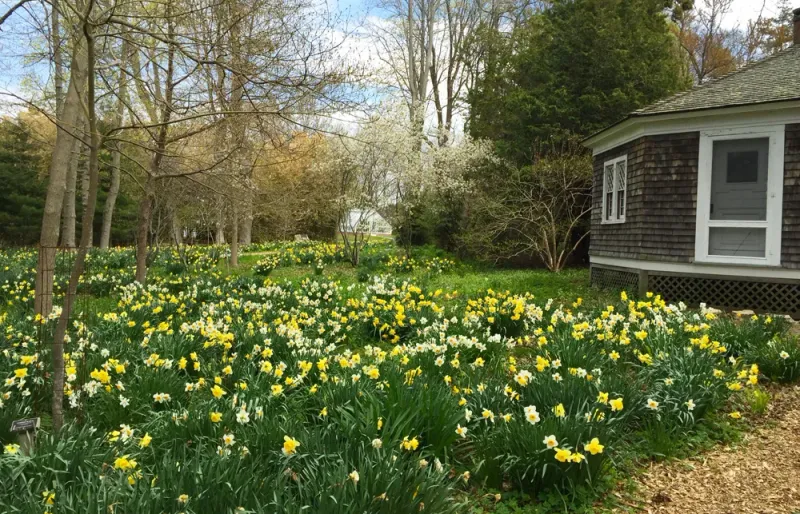
Drive past an empty field in March and you might see daffodils blooming where a house stood decades ago. The home is gone, but the bulbs Grandma tucked in keep coming back.
Daffodils are not native, but they are not invasive either, and deer and voles usually leave them alone. That makes them a low-effort way to get early color that tends to come back for years.
Pick heirloom types like ‘Carlton’ or small jonquils, which often perennialize well in our climate.
Now is your window. Plant bulbs from October into November once soil cools, a bit earlier in the mountains and later on the coast.
Set them about 6 inches deep, pointy end up, and let the foliage die back naturally next spring so the bulbs recharge.
A little work this fall means a yard that wakes up bright long before the rest of the neighborhood.