
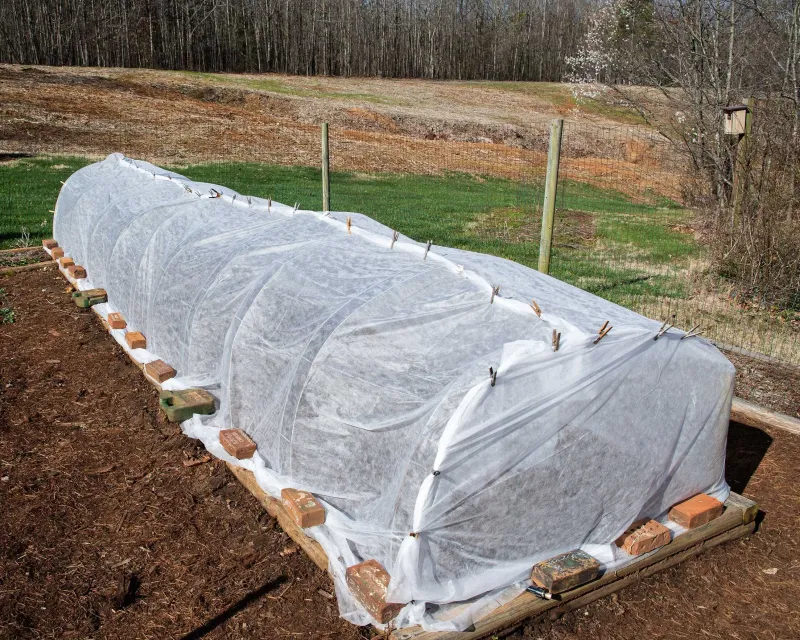
A cold snap is coming, so you tuck a cover over your cabbage and broccoli and feel good about it. Then the next afternoon turns bright and warm, and that same cover may start holding heat instead of just holding off frost.
Whether that matters depends on what kind of cover you used and how the day plays out. Here is how to protect your fall crops without guessing.
Identify the cover before deciding how to use it
Gardeners often say “frost blanket” and mean very different things. Floating row cover is usually a porous fabric, so air and rain can pass through it.
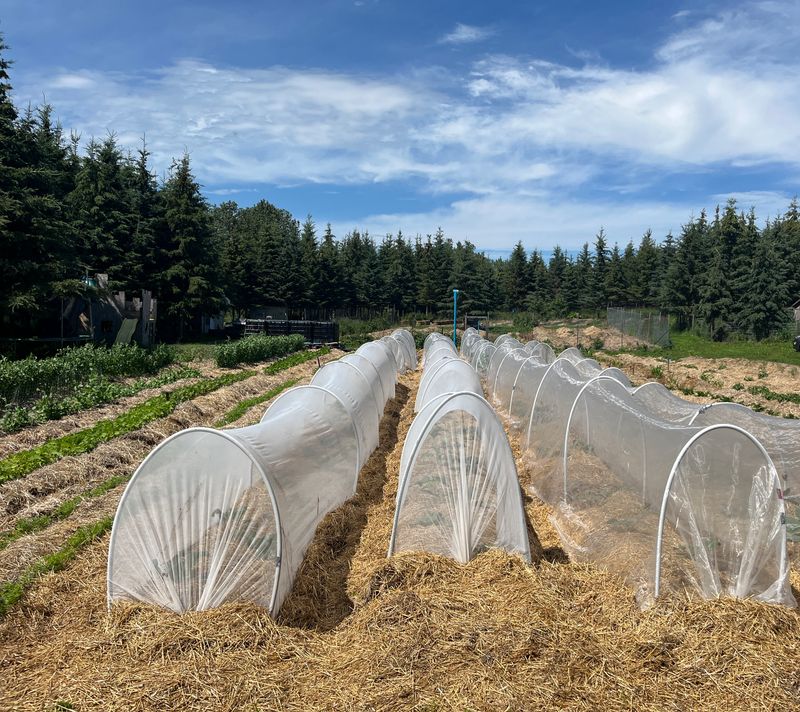
Clear or translucent plastic stretched over hoops acts differently, because it holds in more heat and cuts down airflow, as described in the Texas A&M vegetable growers handbook.
That difference matters for your daily routine. UGA Extension advises pulling plastic back each day to ventilate a low hoop house, and you can read that guidance in this UGA article on low hoop houses.
Advice written for plastic tunnels does not automatically apply to breathable fabric, and the reverse is true too.
Before the next cold night, take a quick look at what you actually own. Is it thin porous fabric, a heavier blanket, or plastic on hoops?
Once you know, you can pick the right way to manage it.
Sunny weather can raise temperatures beneath covers
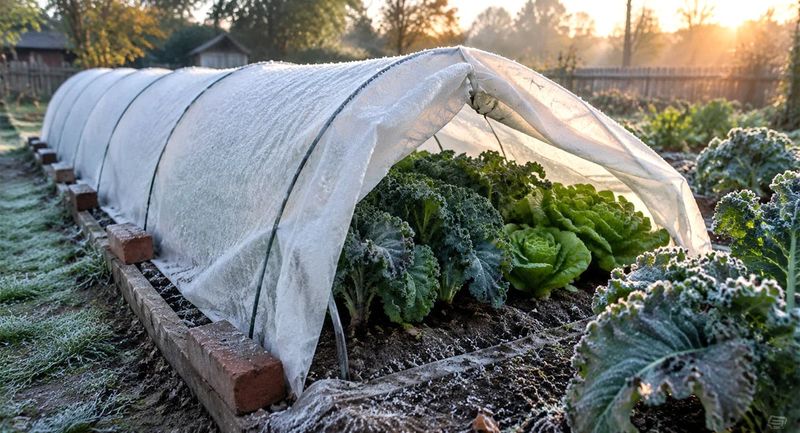
Sunlight passes through a cover, warms the soil and leaves, and some of that warmth stays trapped. That is the whole point on a freezing night, but on a bright day it can push temperatures higher than you want.
How much depends on the material, its weight, how it is supported, how strong the sun is, and how warm the air is outside.
Utah State reports that temperatures under floating fabric may run more than 10°F above outside temperatures during the day, while plastic low tunnels can be 25 to 30°F warmer on sunny days, according to Utah State Extension’s row cover guide. Those are observations from particular setups, not predictions for every garden bed.
You may also see a 90°F figure in that guide. It refers to most warm-season crops under low tunnels, so do not treat it as a cabbage or broccoli limit.
The University of Minnesota Extension also notes that covers should be vented on warm, bright days.
Heat stress is possible, but cooked leaves are not a sure outcome
So will a sunny afternoon cook your leaves? Not necessarily.
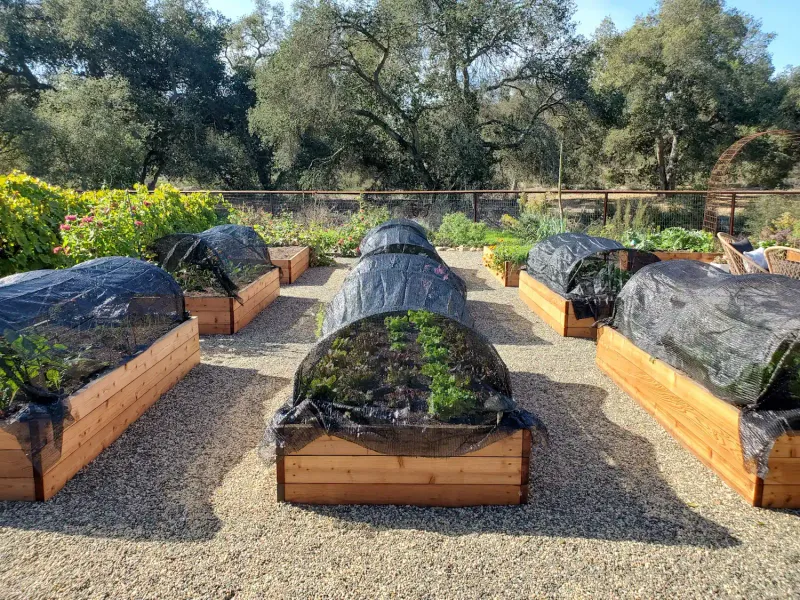
Some covered growing spaces can get hot enough to stress plants, and plastic or enclosed tunnels carry the most risk. Heavier frost fabric can also hold more heat than gardeners expect.
What the reviewed guidance does not show is that one afternoon under ordinary breathable fabric will reliably damage cabbage or broccoli. The University of Minnesota Extension simply recommends venting on warm days, and UGA Extension gives the clearest ventilation advice for plastic hoop houses.
Think of it as a risk you can manage rather than a certain loss. A little attention on warm, bright days keeps the odds in your favor.
Check beneath the cover instead of following a midday rule

A fixed removal time sounds simple, but weather rarely follows a schedule. Start with the forecast, then slip a thermometer under the cover where the plants sit.
That reading tells you far more than the clock does.
If heat is building, vent the sides or take the cover off. Extension guidance, including the University of Minnesota’s season-extension advice, recommends venting on warm, bright days.
Plastic tunnels need the most attention, and UGA Extension recommends daily ventilation for them.
Lightweight fabric may be fine to leave on some days, especially when the sun is weak. Utah State’s row cover guidance shows how much warmer different setups can run, which is why checking beats guessing.
Before dusk, look at the forecast again. If a cold night is still ahead, close things back up and keep protection in place.
Use hoops to give growing leaves room
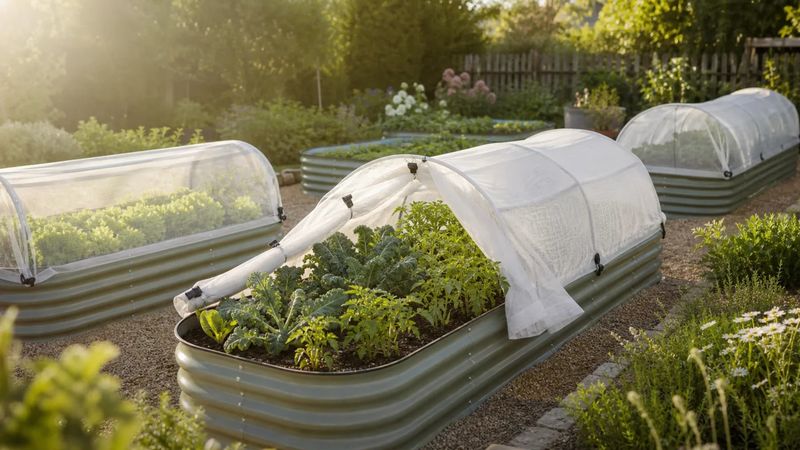
Hoops hold fabric above your plants so leaves have space to grow. They also cut down on rubbing as cabbage heads swell and broccoli plants fill out.
That gives the crop a little more breathing room under the cover.
Do not assume that distance guarantees safety, though. UF/IFAS row cover guidance warns that frost damage can occur where leaves touch floating cover or plastic.
A leaf pressed against the material can still get nipped on a freezing night.
Check the hoops as plants grow. If outer leaves have pushed up against the cover, raise the hoops or add taller supports.
The University of Minnesota Extension also describes supports that keep covers off the crop.
Match frost protection to your Southern region
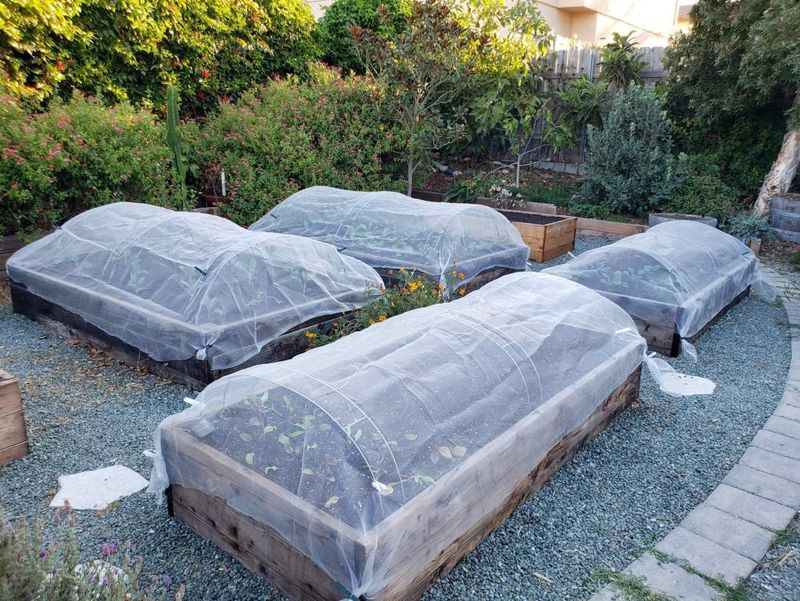
Fall in Texas does not look like fall in Florida, and neither looks the same from one corner of its state to another. Texas A&M AgriLife lists different fall planting dates across five Texas regions in its fall vegetable gardening guide.
Florida varies too. UF/IFAS planting recommendations in its cole crop chapter differ by region, and its broccoli guidance says young, tender plants may benefit from protection at 32°F or colder.
Because of this, one calendar or one routine cannot fit the whole South.
Start by learning what your cover is. Check the temperature beneath it, and let your local weather decide whether it stays on, gets vented, or comes off.
Your plants care about the conditions in your bed, not the date on a chart.