
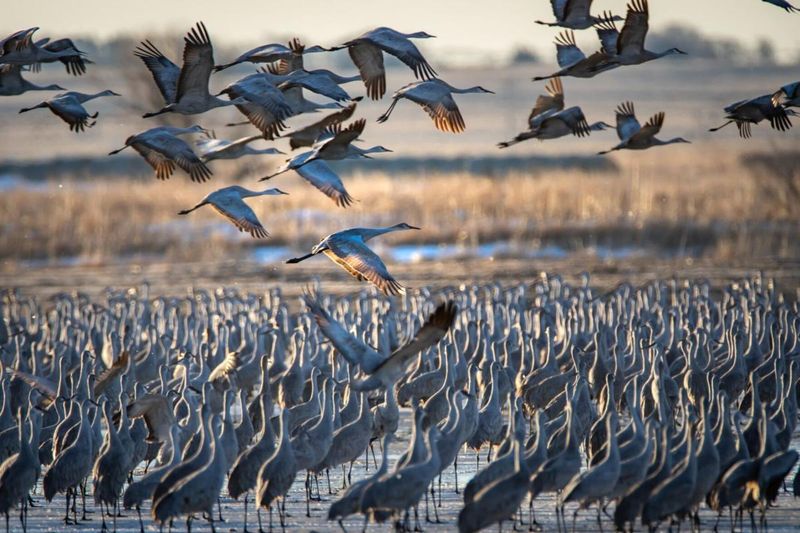
A rattling, rolling call drifts down from a gray November sky, and you look up to find nothing but clouds. Many Central Texans have heard that sound and wondered if it means winter is about to arrive.
Sandhill cranes do move south in fall, but their calls tell us less about your garden than you might think. Here is what the sound can and cannot tell you, and how to time your yard work the smart way.
Fall migration is plausible, but this week’s sighting is unverified
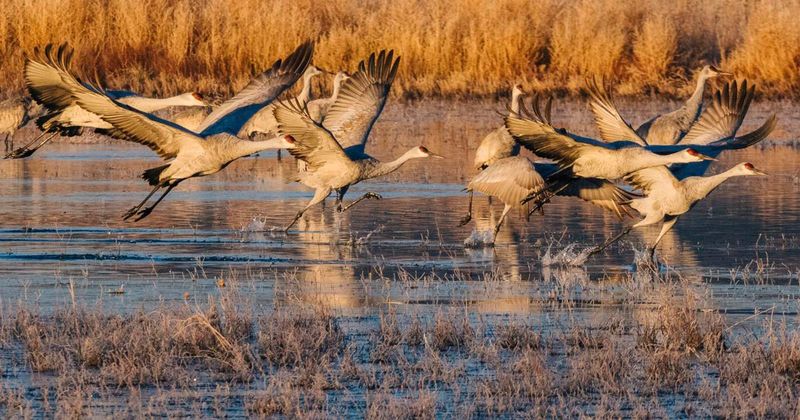
Late fall is a believable time to hear cranes. Texas Parks and Wildlife says sandhill crane flocks migrate through Northcentral Texas in both fall and spring.
A U.S. Forest Service species review adds that cranes generally reach their wintering grounds from late fall to early winter.
That is a seasonal pattern, and it is a different thing from a report of cranes over Central Texas on a particular day. The research behind this article does not confirm a specific flock over Central Texas this week.
No dated, reliable local report turned up, so this article does not claim one.
If you heard something overhead, you may well have heard cranes, but a sound alone is hard to pin down. A dated note, a short audio recording, or a report from a local birding group would turn a hunch into a real observation.
Without one of those, it is safest to say cranes are the kind of bird people hear in November, not that they were confirmed on a given week.
Writers and readers can use the same rule. Treat the broad migration season as the solid part of the story, and treat any single sighting as unconfirmed until someone local documents it with a date and place.
Crane calls communicate; they do not forecast a cold snap
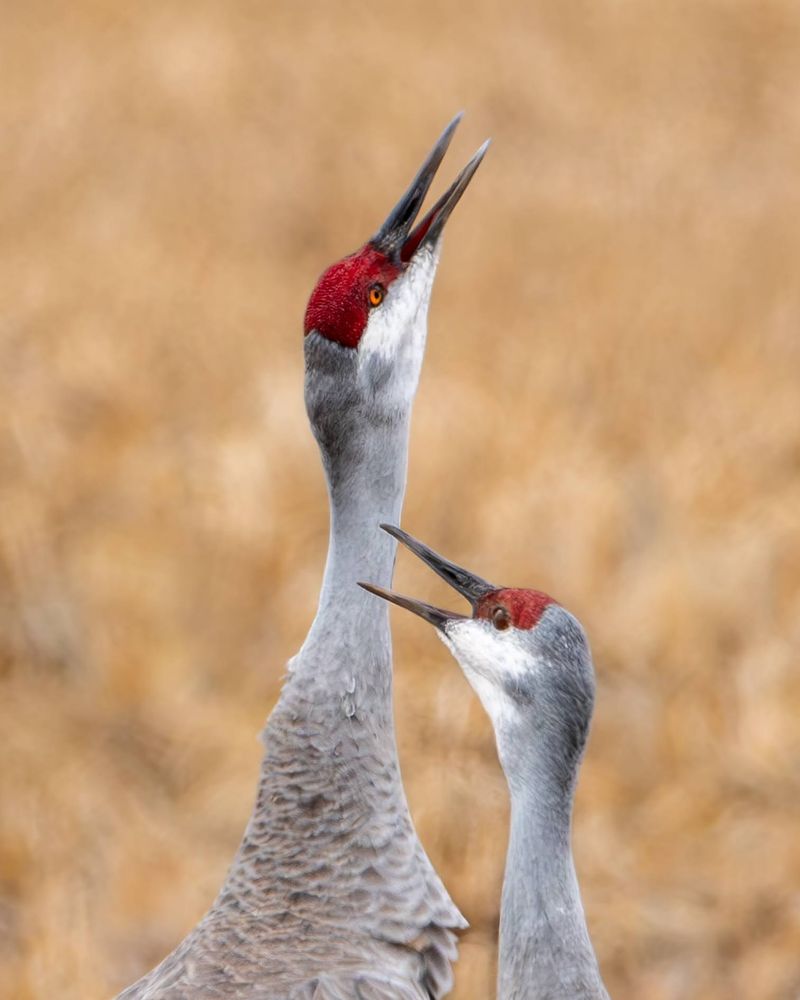
Cranes are talkers. Researchers who wrote a study on sandhill crane vocalizations describe calls that carry messages between birds, including between cranes that are flying.
The loud, rolling sound you hear overhead is the flock keeping in touch.
Nothing in that research links the calls to a freeze date, a temperature, or how harsh a winter will be. A crane has no way to announce a cold front, and the sound does not work as a weather report for your yard.
Weather can shape what cranes do day to day, and the Forest Service review covers their seasonal movements. But a bird reacting to the weather is not the same as a bird predicting it.
Migration follows the calendar and the needs of the flock, so hearing cranes tells you the season is turning, which you already knew from shorter days.
A handy test: if a neighbor says the calls mean a hard freeze is coming, ask what the date and temperature are. Cranes cannot answer that, but your local forecast can.
A distant flock cannot tell you where every crane will winter
Not every crane overhead is settling in nearby. Migration timing and winter destinations vary among sandhill crane populations.
The Forest Service review lists wintering areas in western and southeastern Texas, among other places, so a flock passing over your neighborhood may be headed somewhere else entirely.
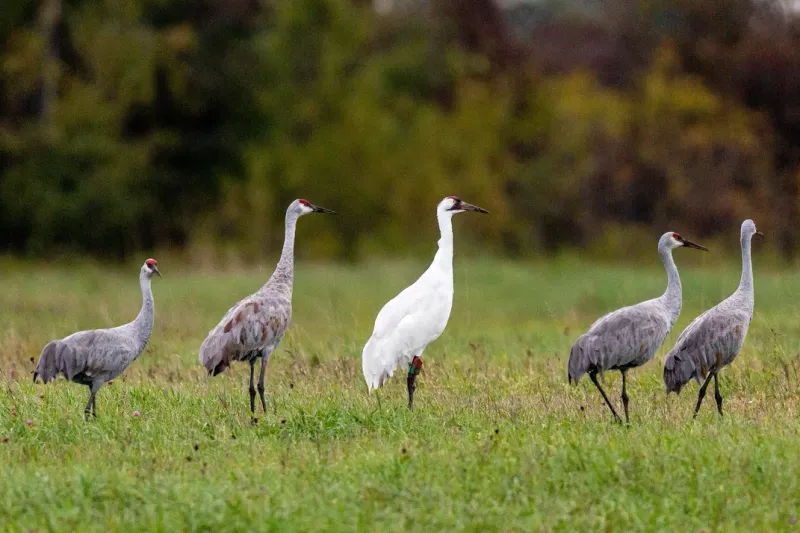
If you can see the birds, a few clues help. Texas Parks and Wildlife describes sandhill cranes as gray and often found in flocks of two to hundreds.
Endangered whooping cranes are white and more often seen in smaller groups.
Treat those as hints, not proof. Distant birds, odd light, and high altitude make color and group size easy to misjudge, so avoid naming a species with certainty from a far-off view.
Wherever you spot them, enjoy cranes from a distance. U.S.
Fish and Wildlife Service guidance warns that feeding wildlife can harm animals or teach them to approach people for food, so leave wild birds to find their own meals.
Use local forecasts, not average freeze dates, for immediate decisions
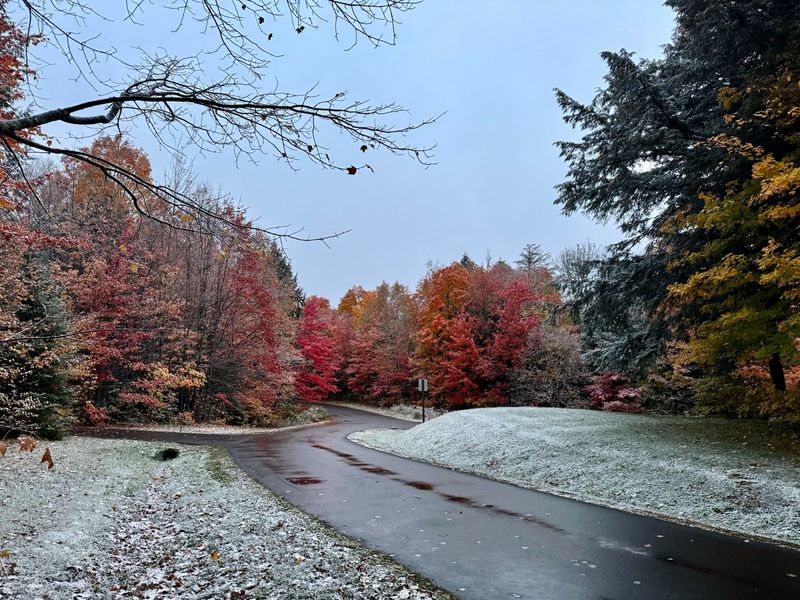
Average freeze dates are history, not a promise. The Austin and Central Texas November checklist gives the average first freeze at Austin Camp Mabry as falling between November 29 and December 5, depending on the period of record.
Farther north, the National Weather Service freeze summary lists November 22 as the average first freeze for Dallas-Fort Worth. These numbers come from different places, so Dallas-Fort Worth should not stand in for an Austin or Central Texas date.
Neither figure says when a freeze will arrive this year. Some years the first freeze comes earlier, some years later, and averages simply blend those years together.
For decisions you need to make now, such as whether to cover tender plants tonight, check your current local forecast. Look at the overnight low for your own town, and ask your county Extension office about guidance specific to your area.
Those sources respond to real conditions, which a crane call never will.
Put November garden tasks on the calendar for the right reasons
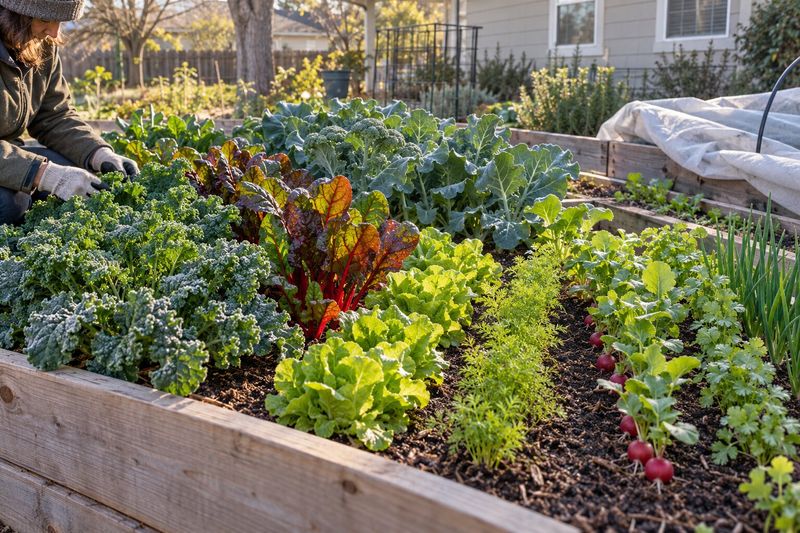
November is a working month for Central Texas gardens, and the reasons come from the season and your plants. The Austin-area checklist suggests planting cool-season crops such as root crops, cilantro, parsley, dill, lettuce, spinach, and fava beans.
The same checklist advises harvesting cold-sensitive vegetables before frost, so keep an eye on your forecast as you pick. For beds you are not using, it recommends protection with mulch, leaves, straw, or cover crops, which helps shield bare soil through winter.
Beyond the vegetable patch, Central Texas Gardener’s November list points to planting trees, shrubs, perennials, winter annuals, and native wildflower seeds. Cooler weather gives new roots a gentler start than summer heat does.
Treat all of this as a menu, not a rule for every Texas yard. Soil, sun, drainage, and the needs of each plant matter, and a sheltered courtyard behaves differently from an open hilltop lot.
Pick the tasks that fit your space, and check each plant’s tag or your county Extension office if you are unsure.
A simple routine works well. Choose one or two jobs per weekend, glance at the forecast before you start, and keep row cover or old sheets handy for nights that dip low.
Let the cranes mark the season, not your planting date
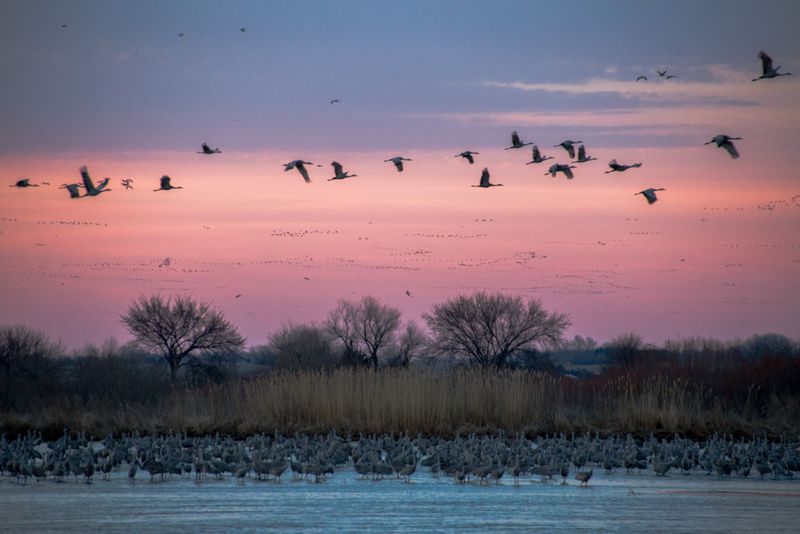
Cranes calling overhead fit the turn of the season, since the Forest Service review places their arrival on wintering grounds in late fall to early winter. They cannot name a freeze date or tell you what to plant.
For garden choices, lean on your local forecast and the regional November checklist.
Look up when you hear them, enjoy the sound, then go check the forecast.