
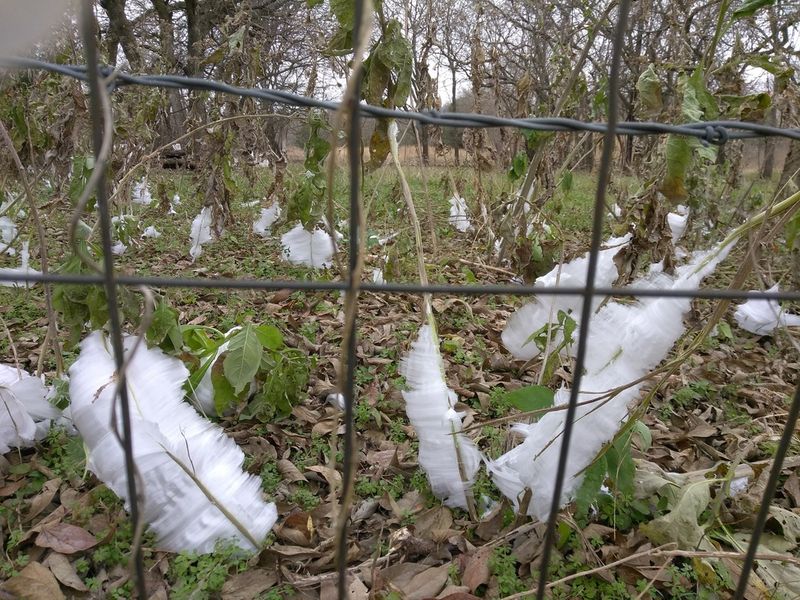
Frostweed is a tall Texas native that blooms in fall and gives migrating monarchs a place to sip nectar. On certain freezing mornings, its stems may also split open and curl into thin ribbons of ice.
The show is short and depends on the weather, so it is a bonus rather than a promise. Here is how to decide if this plant fits your Central Texas yard.
A fall native offers two different yard payoffs
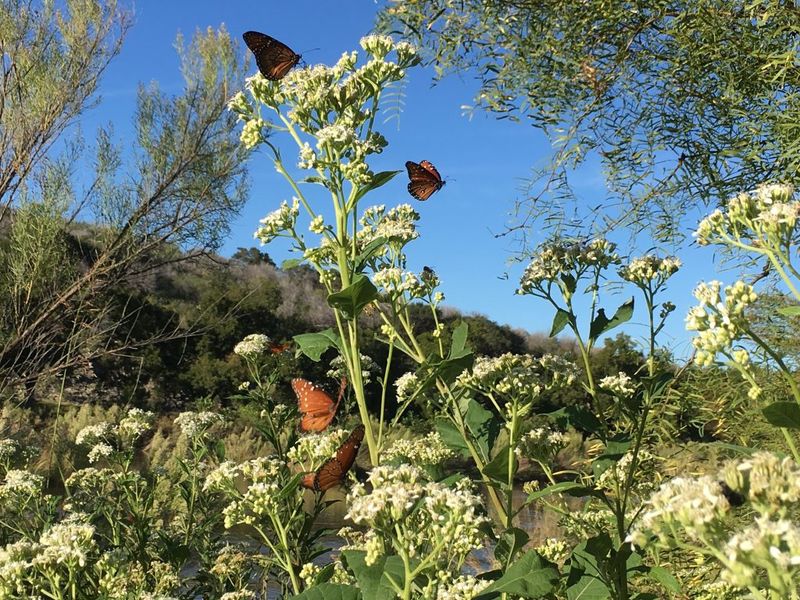
Frostweed (Verbesina virginica), also called white crownbeard, offers two separate attractions in one plant. The first comes in fall, when clusters of small white blooms open and give adult monarchs a nectar stop during migration.
Texas A&M AgriLife lists it among the Texas plants that help feed migrating monarchs.
The second payoff arrives later and is far less certain. In freezing weather, the stems can sometimes push out delicate, curling sheets of ice, which people call frost flowers or ice ribbons.
Texas Parks and Wildlife describes how this happens when the weather and the plant line up just right.
It helps to keep the two events apart in your mind. The bloom is a true flower and happens first.
The ice is a separate physical formation on the stem, not a second bloom, and the UT Austin Plant Resources Center treats it as its own phenomenon.
Because the ice depends on temperatures, root activity, and plant condition, one yard may see it while the next one does not. A newly planted specimen should not be expected to put on a show right away.
Even so, the plant earns a look for its fall nectar alone, and any ice is a pleasant extra worth watching for.
Before choosing a spot, though, you will want to know how big this plant gets and how it behaves, which the next sections cover.
Where will a 3-to-6-foot plant fit?
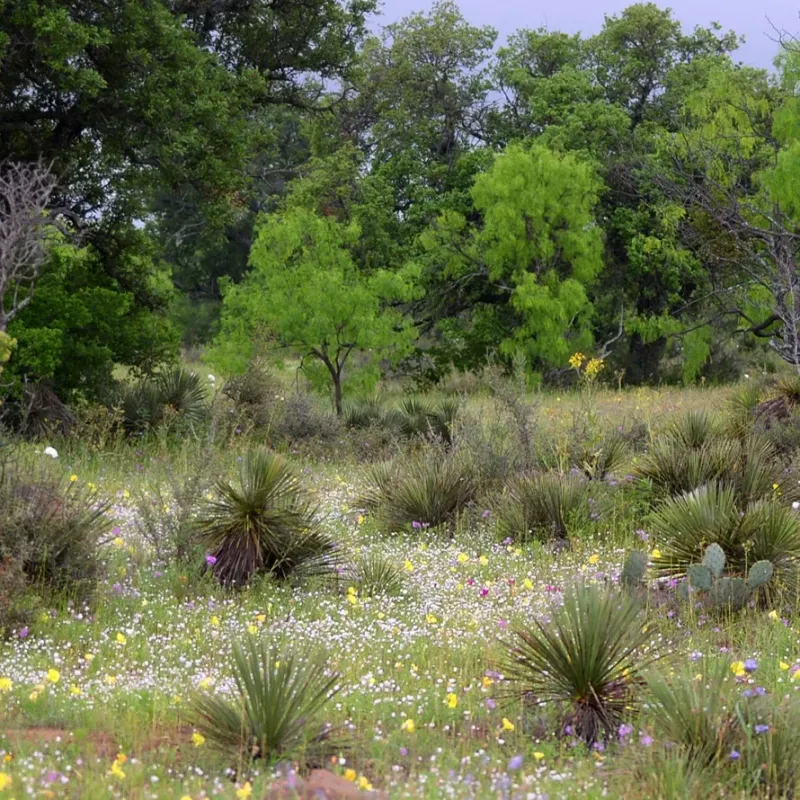
Picture a plant that often stands about 3 to 6 feet tall, then look around your yard for a spot that can handle that height. Denton County Master Gardeners describe frostweed as a good fit for naturalized areas, woodland edges, and dappled shade.
Height can vary, so treat that range as a general guide.
Think of the back corner under mature oaks, the transition zone where lawn meets brush, or a wilder strip along a fence. Those are the kinds of places where a tall, loose plant looks like it belongs.
A tidy front bed with low edging is a harder match.
Light changes how the plant grows. It can handle sun or shade, but the Houston Arboretum notes that sunnier, drier sites may produce shorter, more compact plants.
Shadier sites tend to give taller, leggier ones.
So a sunny, dry corner might give you a stockier plant, while a shady woodland edge may send stems higher and thinner. Neither result is wrong.
It simply helps to know what to expect before you choose.
Walk your yard in the morning and again in the afternoon to see how the light moves. Notice where a tall plant would block a view, a window, or a hose bib.
Matching the plant to the place now saves you from moving or cutting it back later.
Frostweed needs more room than a border slot
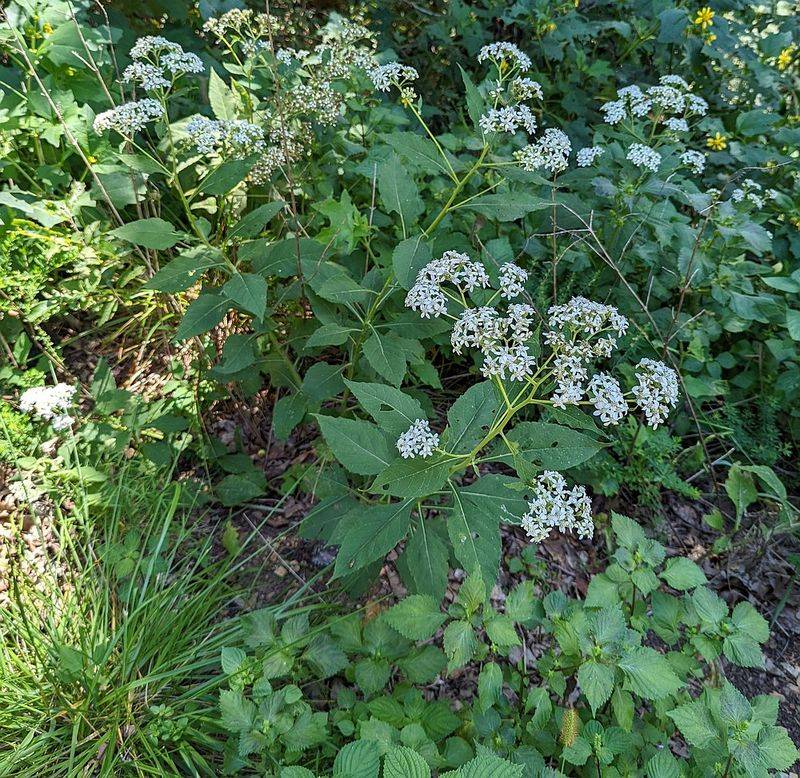
Plan on a footprint, not a single clump. Frostweed can form sizable colonies and can become dominant, and the Denton County Master Gardeners point out that it can be very dominant in the right spot.
Local guidance from the Houston Arboretum likewise points to space for its height and spread.
That makes it a poor choice for a narrow strip between the sidewalk and the house. Smaller neighbors such as tidy perennials could get crowded out.
A wide, informal area where it can fill in works far better.
One practical example: a back corner of a half-acre lot lets a patch grow without anyone needing to rein it in every few weeks. A small townhome bed gives it no such freedom.
Placement matters for another reason. Texas Parks and Wildlife notes that dense frostweed patches can collect seed ticks on people who walk through them.
This is a reason to think about where people walk, not a reason to fear the plant. Keep dense stands back from the path to the mailbox, the dog run, or the kids’ play spot, and let a mowed buffer separate them.
Its fall blooms feed adult monarchs, not caterpillars
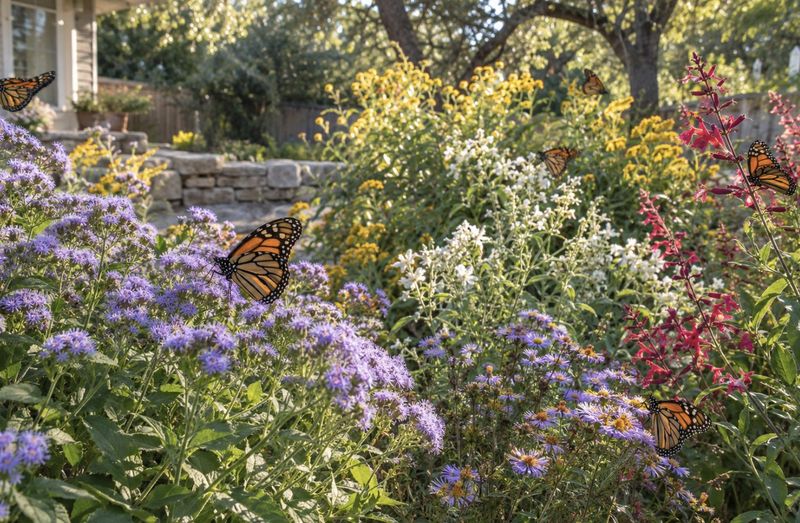
Monarch butterflies need two kinds of plants, and frostweed fills only one of the roles. Adult monarchs sip nectar from fall bloomers as they travel south through Texas, and Texas A&M AgriLife names frostweed among the nectar options.
Milkweed is the host plant, the one where females lay eggs and caterpillars feed.
So if you want to raise caterpillars, you still need milkweed. Frostweed does not take its place.
Think of it as a roadside diner for tired adults rather than a nursery.
Timing is another point. A Texas monarch nectar-plant report rates frostweed as a high-value nectar plant and lists a general flowering period of August through November.
Actual bloom dates shift with weather and location, so watch your own plants rather than the calendar.
Be realistic about results, too. A single planting cannot guarantee that monarchs will stop by.
What it can do is add a reliable-looking food source to a yard, especially when paired with other fall bloomers nearby.
Other pollinators may visit as well, which adds some life to the corner even in a year when migrating monarchs are scarce.
How do stems make frost flowers?
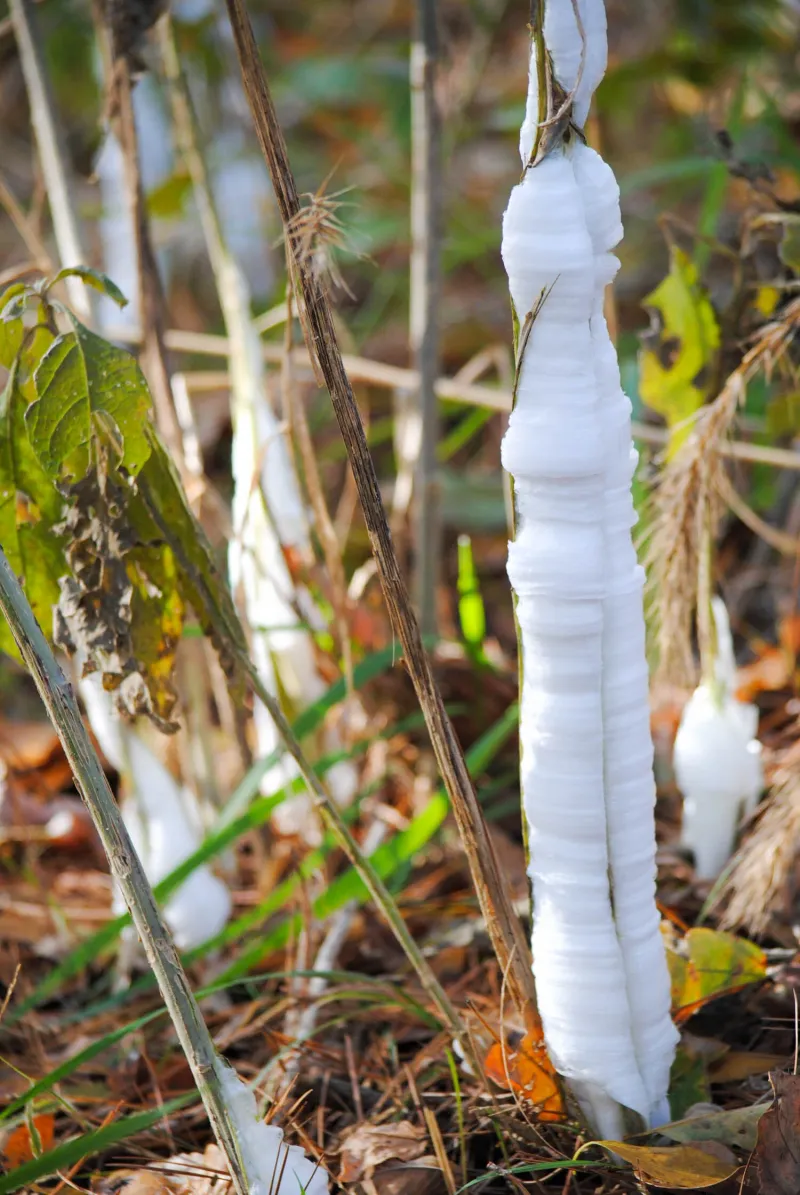
The ice comes from the plant’s own water. When the air turns cold enough to freeze water moving up the stem, but the ground stays warm enough for roots to keep working, the stem keeps drawing moisture.
Texas Parks and Wildlife explains that this freezing water pushes out through the stem and forms thin, curling sheets of ice.
The names can be misleading. Frost flower and ice ribbon are common names only.
The UT Austin Plant Resources Center treats the ice as a physical formation, not a true flower, and it is not ordinary frost that settles out of the air as condensation.
This is why a freeze alone does not guarantee a display. Air temperature, ground temperature, active roots, and the plant’s condition all have to line up.
If the ground is already cold or the plant is stressed, the stems may simply freeze without making ribbons.
A diagnostic clue helps here. Real frost flowers grow from splits in the lower stem and curl outward like shavings.
A light dusting of white on the leaves is just regular frost.
Since every freeze is a little different, one cold snap may bring ribbons and the next may bring none.
Look early for a display that may not last
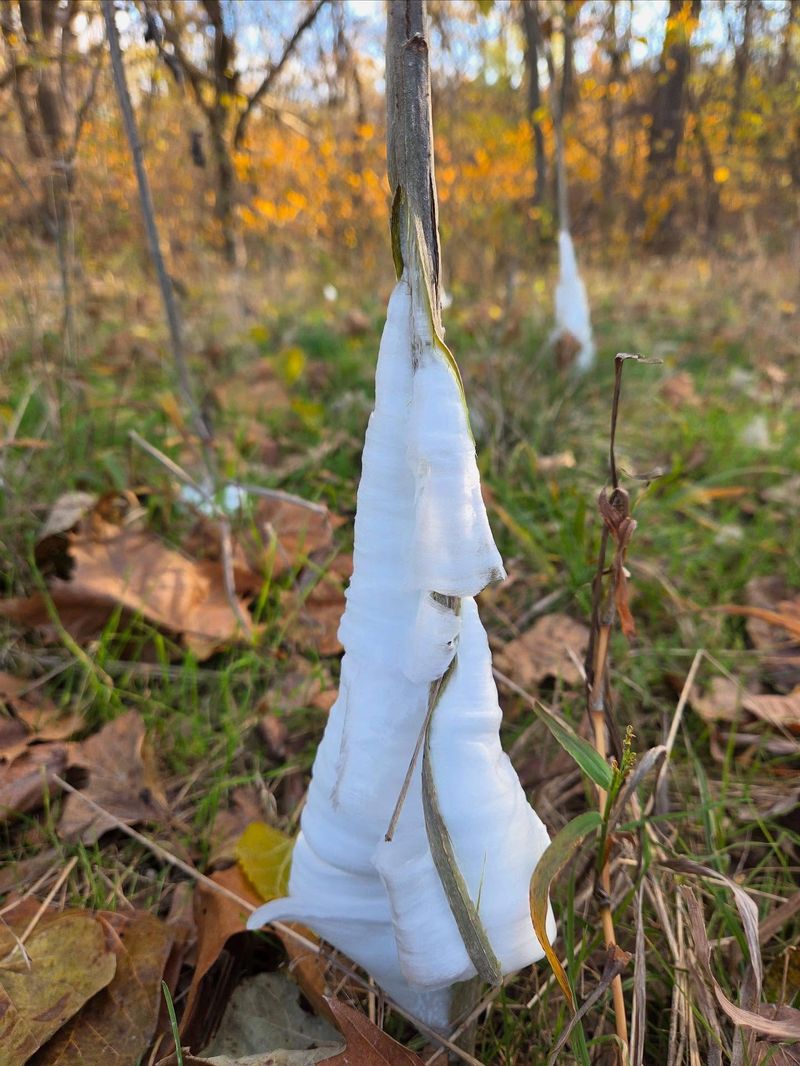
Spotting ice ribbons takes a little planning. Know where your frostweed grows before cold weather arrives, since the leaves and stems may look unremarkable once they die back.
Texas Parks and Wildlife suggests locating plants ahead of time for that reason.
Then watch the forecast. On a morning when temperatures drop below freezing, head out early, ideally around sunrise.
The formations are fragile and can disappear soon after sunlight reaches them.
Shade works in your favor. Plants in a shaded spot may hold their ice longer, while stems in full morning sun can lose theirs fast.
A woodland edge on the west side of a tree line, for example, may keep ribbons a bit longer than an open east-facing corner.
Bring a phone and take photos quickly. If nothing shows up, check again after the next hard freeze, since conditions change from one cold night to the next.
Some years and some yards will simply not deliver, and that is part of the appeal of a brief weather-dependent show.
Choose frostweed for the place, not a guaranteed ice show
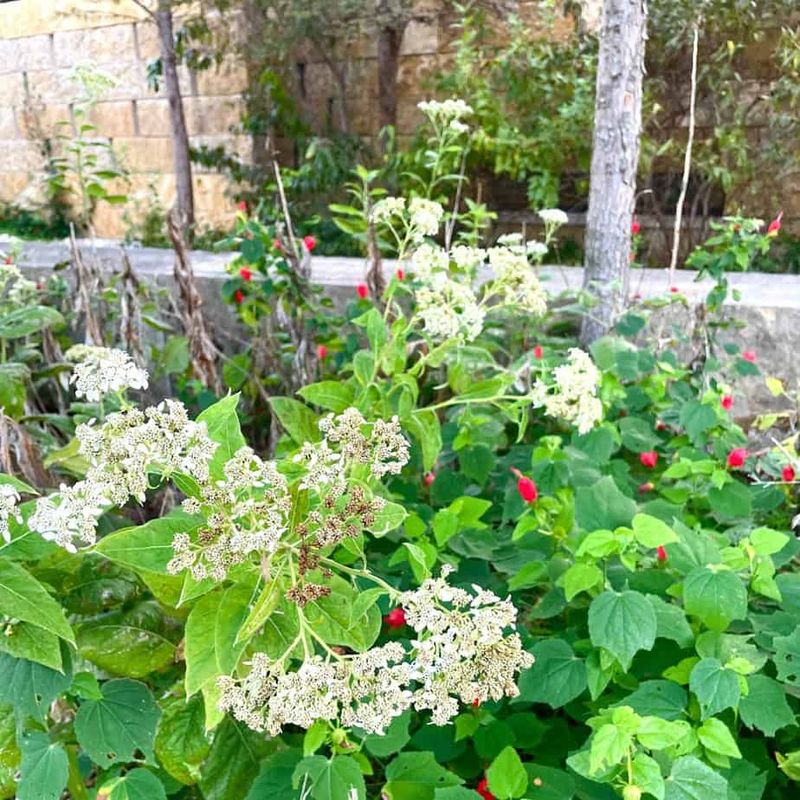
Here is the simple rule: pick frostweed for the spot, not the spectacle. If you have a naturalized area or woodland edge with room for its height and spread, as the Houston Arboretum suggests, it can be a smart fit.
Value the fall nectar it provides for adult monarchs, as described by Texas A&M AgriLife, whether or not any ice appears. The ribbons depend on weather and roots, as Texas Parks and Wildlife explains, so they are a bonus and never a promise.
Some winters you will find a frozen sculpture at sunrise, and some you will only find a tall, quiet stand of stems.