
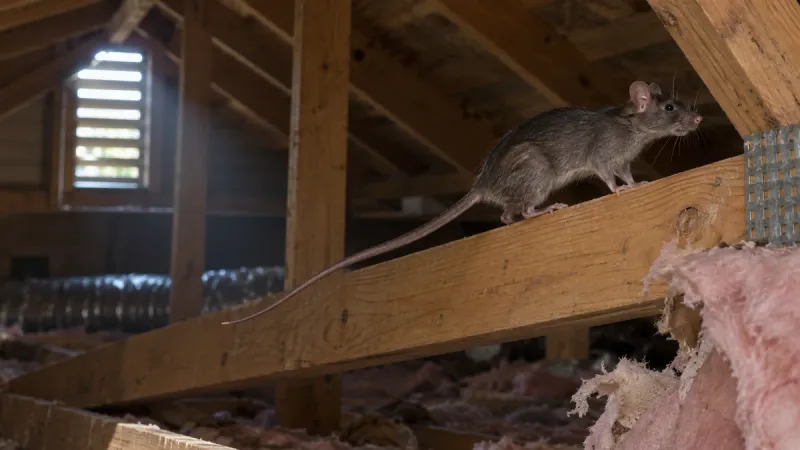
Most snakes do not come to your porch by accident. They follow food, shade, and water, and some of the plants we love in California yards provide all three at once.
Knowing which plants create those snake-friendly hideouts can help you keep your doorstep calmer without turning your yard into a wildlife-free zone. Here are ten common culprits and simple fixes that still keep your garden water-wise and alive.
1. Ivy Ground Cover
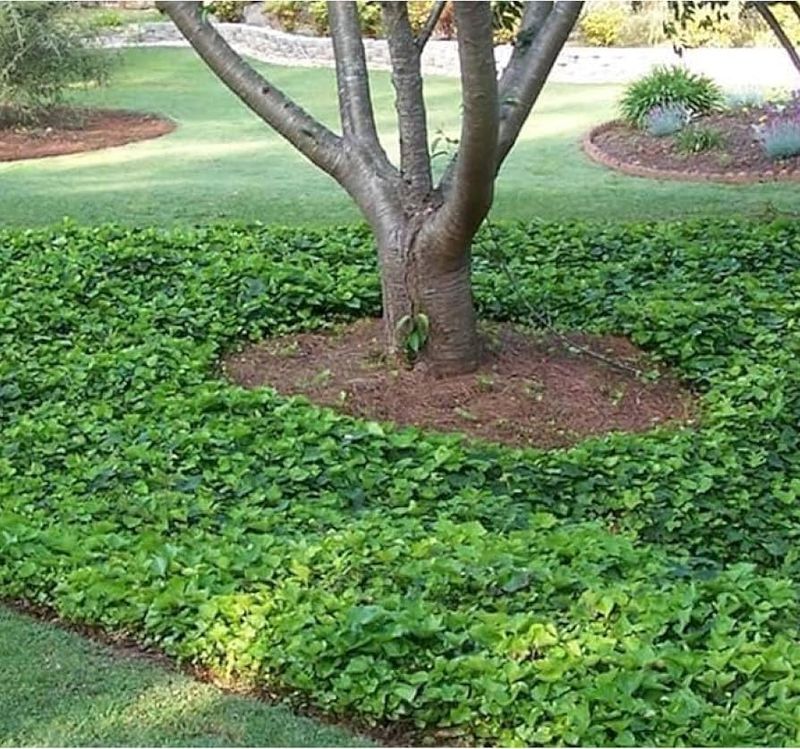
Picture a cool, dark carpet that never gets disturbed. To a gopher snake or rattlesnake on a hot Sacramento afternoon, a thick bed of English or Algerian ivy is exactly that kind of hideout.
Ivy also shelters rats and mice, which may be the bigger draw. Rodents nest in the woody stems underneath, and snakes tend to follow the food.
Ivy is listed as invasive by the California Invasive Plant Council, so removing it near the house is a double win.
Try replacing it with low, open natives like creeping sage or a gravel-mulched bed with spaced plants. Snakes generally prefer cover, so an open strip by your entry can make the area less inviting.
2. Overgrown Juniper Shrubs
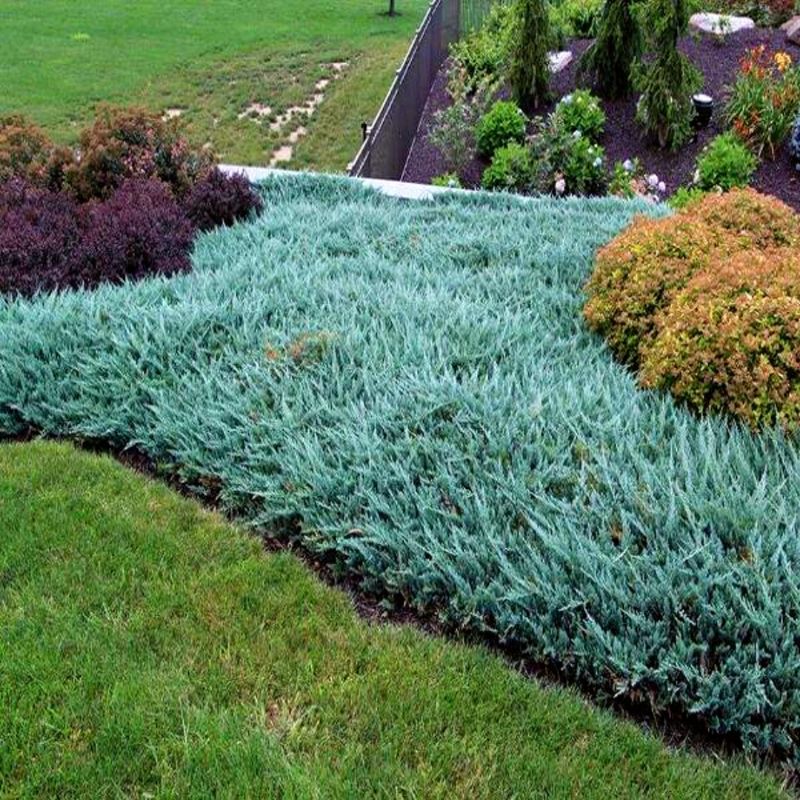
Junipers were the go-to foundation shrub for decades of California tract homes, and plenty still hug front walkways today. Their prostrate branches lie flat on the soil, forming a prickly roof that predators like hawks cannot see through.
That protection appeals to snakes, lizards, and rodents alike. Old junipers also collect dry needles underneath, which raises fire risk in hillside neighborhoods.
Here is the practical fix. Prune lower branches up several inches off the ground, rake out the debris, and consider swapping junipers within five feet of the house for lower-fuel plants, which also fits Zone 0 defensible-space guidance.
3. Fruit Trees With Dropped Fruit
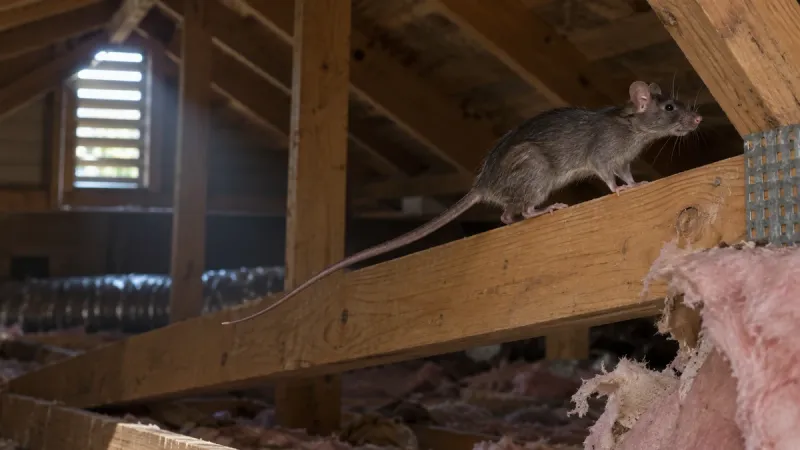
Nobody plants a fig or orange tree thinking about snakes. Yet fallen fruit is a feast for roof rats, ground squirrels, and mice, and a busy rodent buffet can draw hungry snakes right behind them.
Citrus, figs, loquats, and avocados are the usual suspects in Southern California backyards. The problem is less the tree itself and more what happens on the ground below it.
Pick up dropped fruit every few days during harvest season, and keep a clear, mulched ring under the canopy. You get to keep your homegrown oranges while making the spot less of a rodent hangout.
4. Bird Feeder Plantings
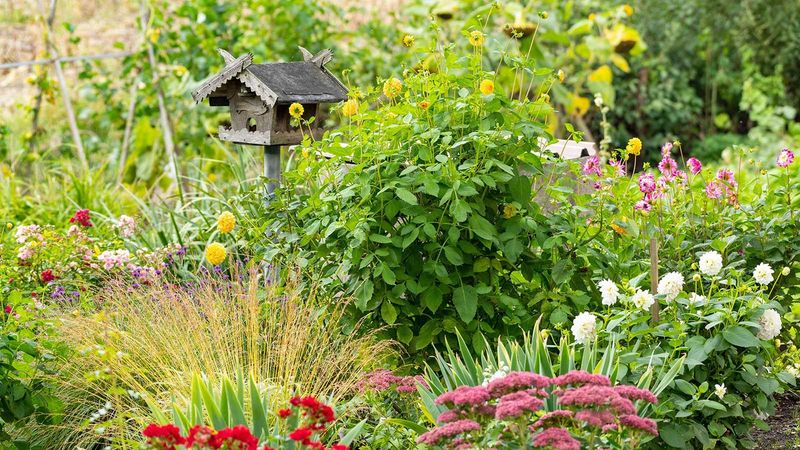
Here is the twist that surprises bird lovers. The seed spilling below your feeder can feed far more mice than finches.
Feeders tucked into thick plantings of sunflowers or tall grasses create a sheltered dinner table for rodents, and snakes may patrol the area as a result. Some snakes will also go after eggs and nestlings.
You do not have to give up the birds. Move feeders away from your door, use a seed tray, and keep the planting around the base low and open so scattered seed stays visible and easy to sweep.
5. Tall Ornamental Grasses
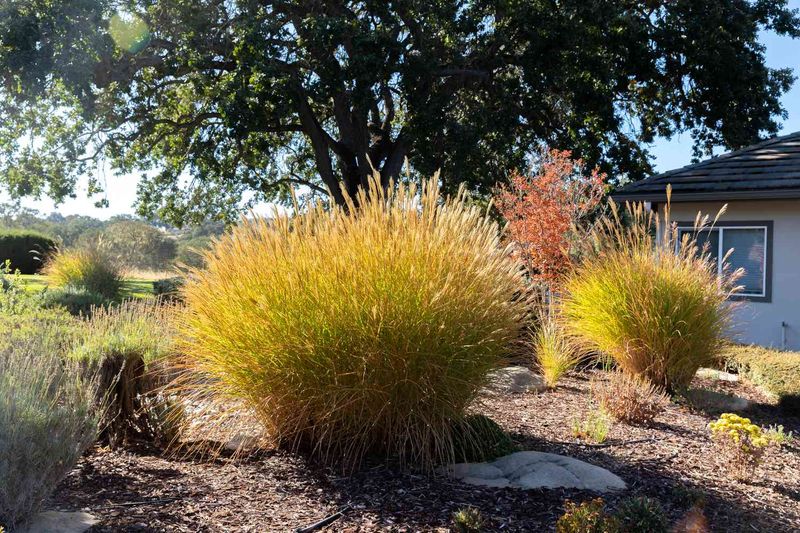
Swaying fountain grass looks lovely in the evening breeze. Up close at the base, though, those dense clumps form tunnels of shade and dry thatch.
Snakes appreciate the cool cover during California’s long dry summers. Purple fountain grass is common in landscapes, while green fountain grass is considered invasive in many areas, so it is worth checking what you have.
If you love the look, choose native deer grass and space clumps so you can see soil between them. Cut back dead growth in late winter, and keep grasses away from walkways where you step without looking.
6. Thick Ice Plant Mats
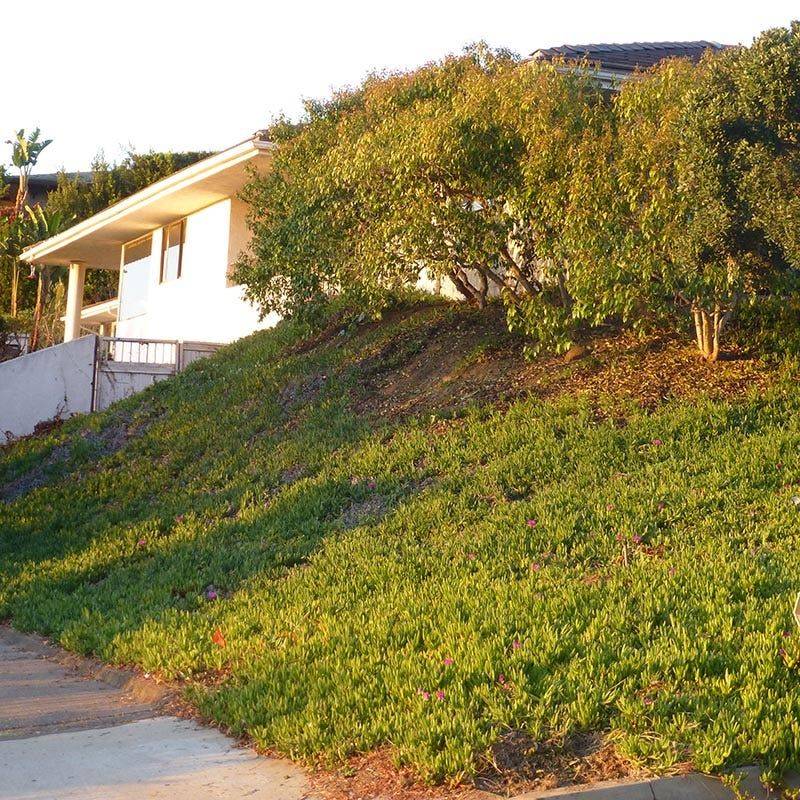
Ice plant was once planted along freeways and slopes all over the state. That same thick, fleshy mat can hide a lot of life underneath.
Old ice plant beds build up layers of decaying stems that stay cool and slightly moist, a cozy spot for crickets, rodents, and the snakes that hunt them. Highway ice plant is also listed as invasive and can be heavy on slopes.
Swap it gradually for native succulents like Dudleya or low buckwheat with gravel mulch. Your hillside may still look tidy, and the ground stays easier to scan.
7. Dense Lantana Hedges
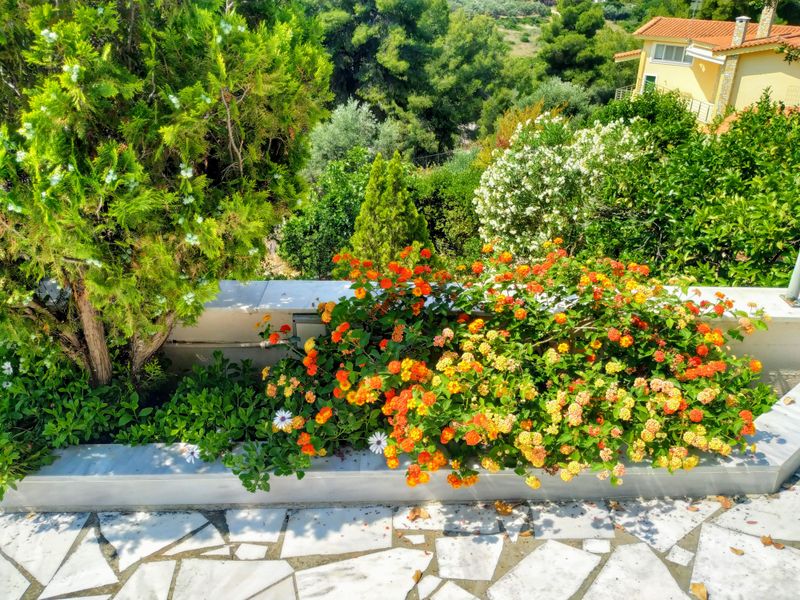
Lantana is tough, colorful, and thrives on neglect in Riverside and the Central Valley. Those same virtues mean it often grows into a tangled mound pressed right against the house.
Thick, woody hedges along a foundation give snakes a protected path along the wall, sometimes leading right to gaps under doors or crawl spaces.
Keep lantana trimmed into open shapes with a gap between plant and wall. A foot of clear space lets you spot visitors and keeps air flowing.
8. Water-Loving Plants by Leaky Spigots
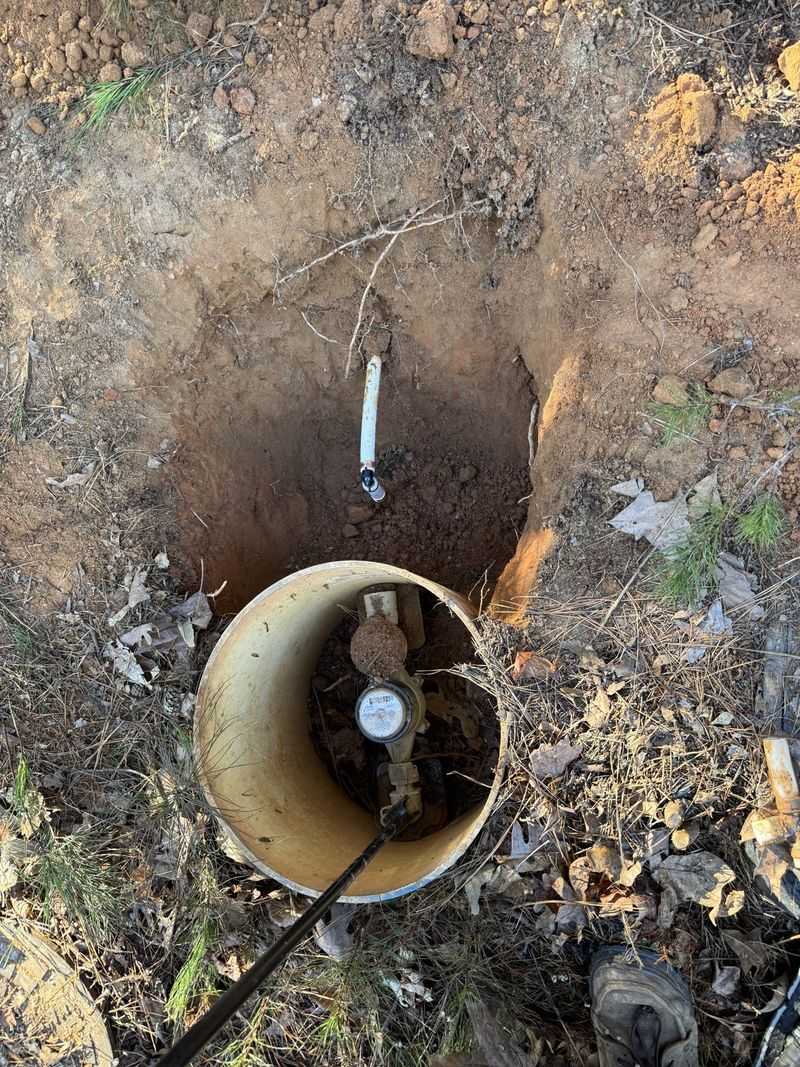
In August, the greenest corner of a dry yard is often beside the hose bib. Calla lilies, ferns, and elephant ears thrive on that steady drip.
Water is precious to wildlife in a drought. A soggy, shaded patch can attract frogs, insects, and rodents, all of which may bring snakes closer to your back door.
Fix the leak first, which also saves water under local restrictions. Then move thirsty plants away from entries or swap in drought-tolerant choices.
9. Climbing Vines on Fences
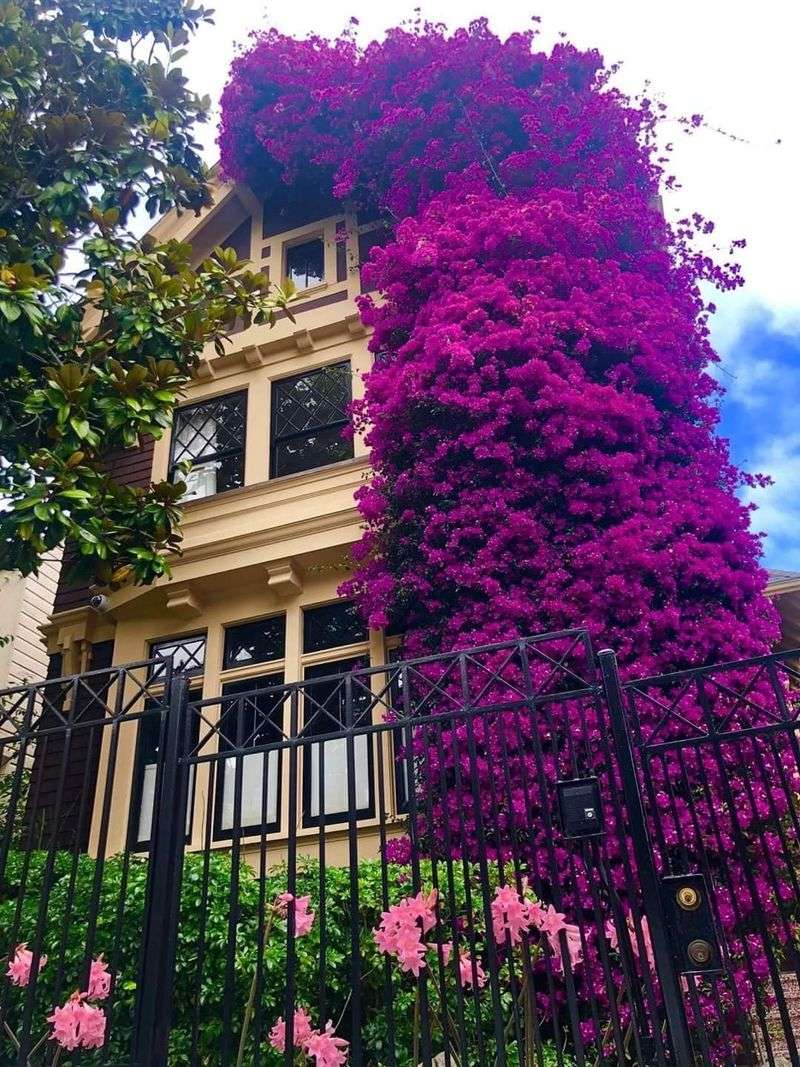
A fence buried in bougainvillea or trumpet vine is a postcard scene. The base, however, often hides piles of dropped leaves and old stems.
Some snakes climb surprisingly well, and dense vines connected to eaves or porches can give them access higher up. Rats use the same routes.
Trim vines back from rooflines and doorways, and clear the leaf litter at the bottom a couple of times each year.
10. Heavy Mulch and Leaf Litter Beds
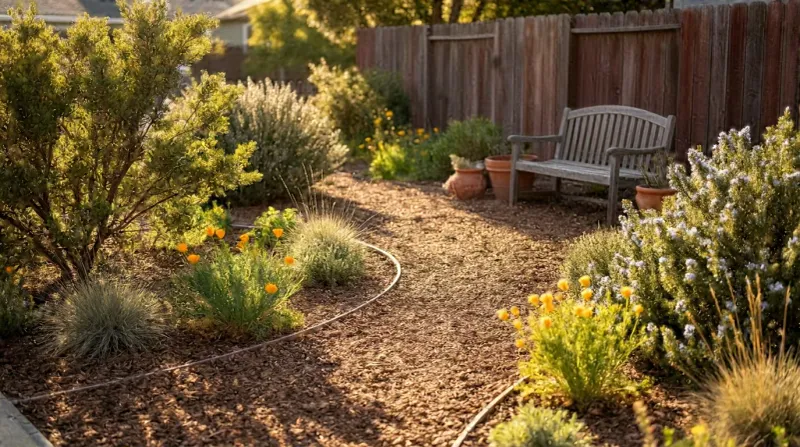
Mulch is a California water-saving hero, so this one needs balance rather than a ban. Deep, fluffy layers right at the doorstep can still shelter lizards, insects, and snakes.
Keep wood mulch two to three inches deep and pull it back from steps and foundations. Fire experts already recommend noncombustible gravel within five feet of homes in high-risk areas.
That small change can keep your entry easier to watch, safer in fire season, and still water-wise farther out.