
Every fall, Texas neighborhoods fill with the sound of loppers chopping crape myrtles down to ugly stumps. Many folks think it helps the tree, but it often does the opposite.
Your crape myrtles really need a few simple things before winter, and most of them take less work than that big chop. Here is what to do, what to skip, and why your trees will thank you come summer.
1. Skip the Fall Crape Murder
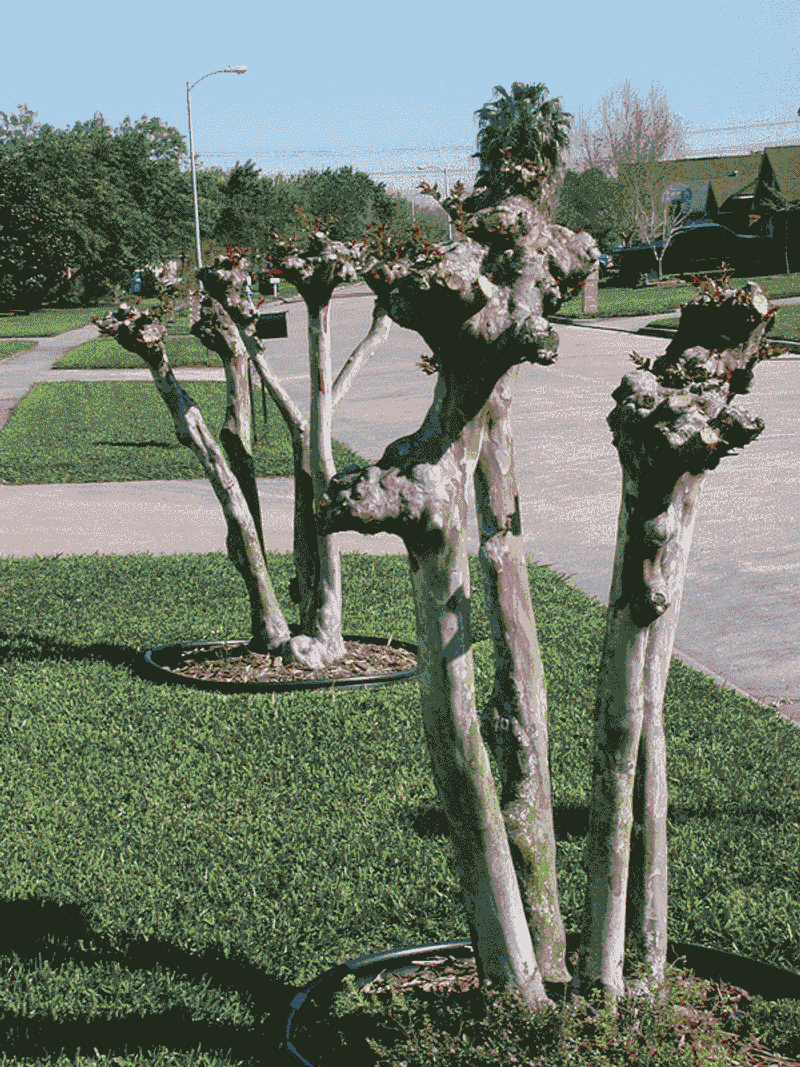
Drive through almost any Texas subdivision in November and you will spot it: crape myrtles hacked into flat-topped knuckles. Gardeners even have a name for it, crape murder.
It is the fall chore that hurts these trees the most.
Cutting big branches in fall can wake up the tree and push tender new shoots right before a cold snap. A surprise freeze, like the ones Texas saw in 2021, can then damage that soft growth.
Heavy topping also leaves swollen knobs that sprout weak, floppy stems that bend under summer blooms.
The better plan is simple. Leave the main structure alone this fall and save any light shaping for late winter, usually late January to February in most of Texas.
2. Deep, Occasional Watering Through Dry Falls
Texas falls can be bone dry, and crape myrtles feel it even after their leaves start turning. Roots keep working well into the cool season.
A thirsty tree heading into winter is more likely to suffer freeze injury.
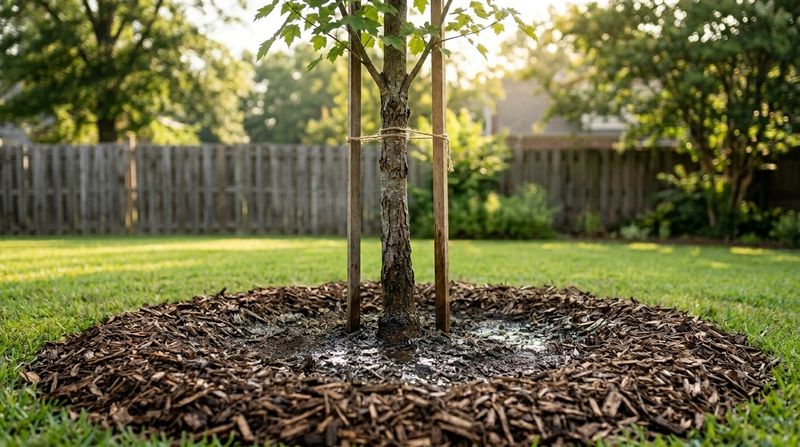
Give established trees a slow, deep soak every two to four weeks when rain stays scarce. A soaker hose or a trickling garden hose for about an hour works well.
Young trees planted within the last year or two may need water every week or so.
Check your city’s watering rules first, since many Texas towns limit days and times. Hand watering at the root zone is often allowed when sprinklers are not.
3. A Light Blanket of Mulch
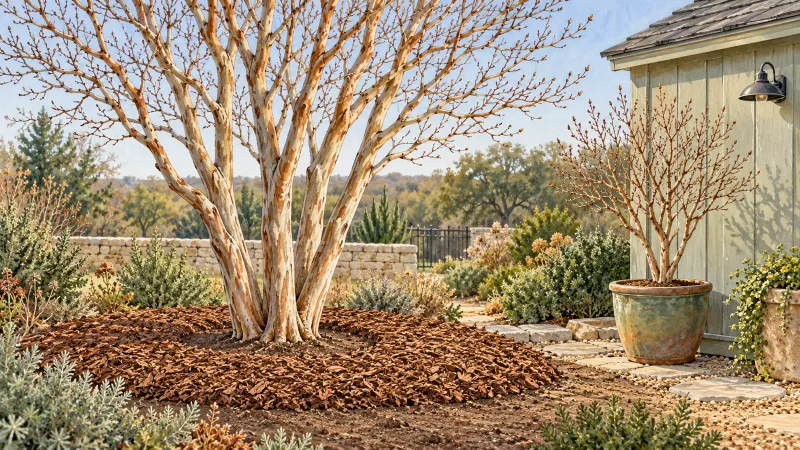
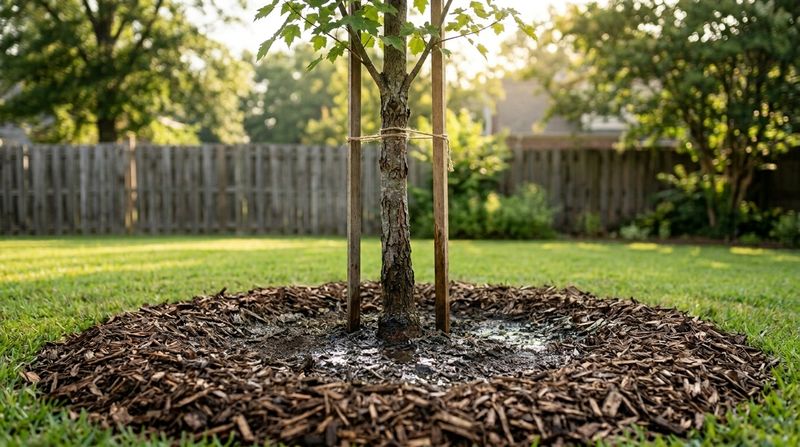
Think of mulch as a cozy quilt for the roots. Two to three inches of shredded hardwood, pine bark, or native cedar mulch helps hold moisture and evens out soil temperature swings.
Spread it in a wide ring, out toward the drip line if you can. Keep it pulled back a few inches from the trunk, though.
Mulch piled against bark, the dreaded mulch volcano, can trap moisture and invite rot and pests.
As a bonus, mulch slowly breaks down and feeds Texas soils, whether you garden in Blackland clay or Hill Country caliche.
4. Put the Fertilizer Away

Here is a chore you can happily cross off. Crape myrtles do not need fertilizer in fall.
Feeding them now, especially with high-nitrogen lawn food, can spark fresh growth that is easily nipped by cold. Watch out for lawn fertilizer spreading into the root zone too, since crape roots stretch far beyond the trunk.
If your tree looked pale or weak this summer, wait until spring when new leaves appear. A light, balanced feeding then does more good than anything you sprinkle in October.
5. A Close Look for Crape Myrtle Bark Scale
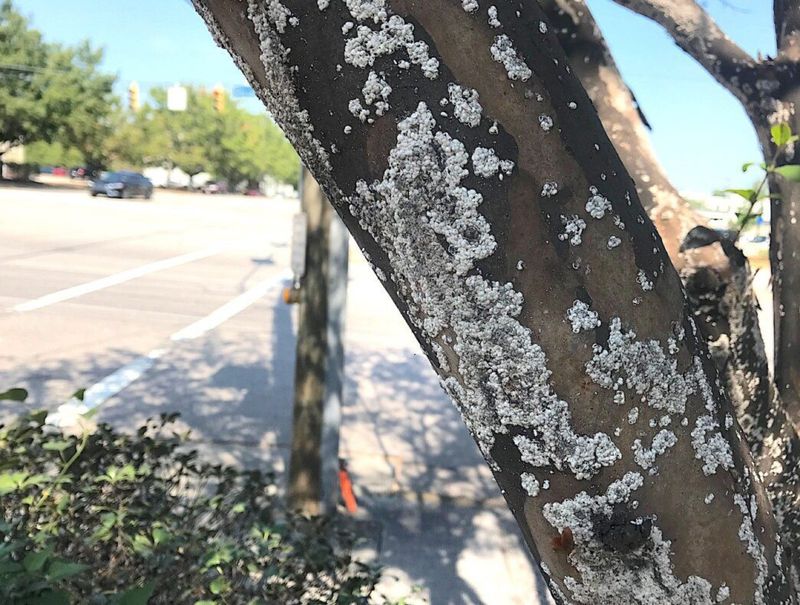
Ever notice crusty white specks or black, sooty bark on a neighbor’s crape myrtle? That could be crape myrtle bark scale, an invasive pest first found near Dallas in 2004 and now spread across much of Texas.
Fall, after leaves drop, is a great time to spot it. Look in branch crotches and pruning wounds for white or gray felt-like bumps that ooze pink when crushed.
Washing the trunk with a soft brush and mild soapy water can reduce light infestations. For heavier cases, a systemic insecticide applied in spring may help, but read labels carefully and ask your county Extension office for guidance.
6. Tidying Fallen Leaves and Debris
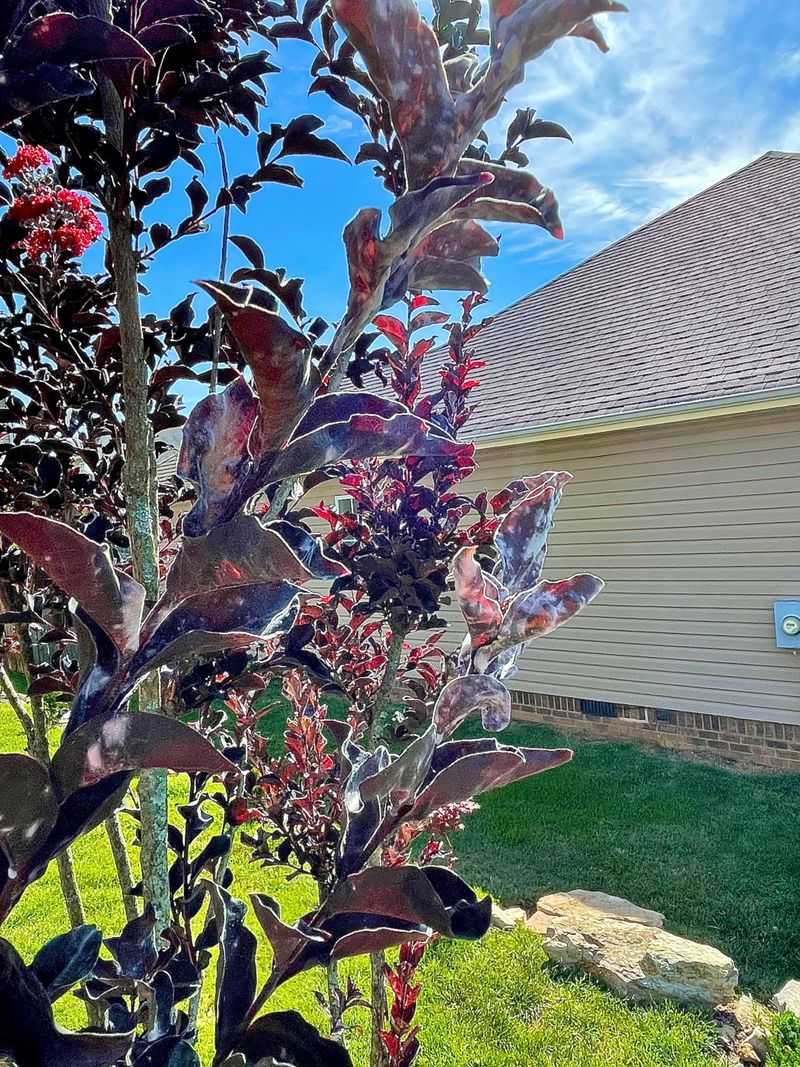
Crape myrtles put on a surprising fall show in reds, oranges, and golds. Once those leaves drop, a little cleanup goes a long way.
Rake up leaves that showed powdery mildew or leaf spot this year, since disease spores can linger and splash back onto spring growth. Healthy leaves are fine to shred and toss on the compost pile or leave in nearby beds as free mulch.
Clearing debris also gives you a better view of the trunk, which makes spotting pests or damage much easier.
7. Freeze Prep for Young Trees
Established crape myrtles shrug off most Texas winters. Brand-new plantings and small dwarf types are a different story, especially in the Panhandle and North Texas.
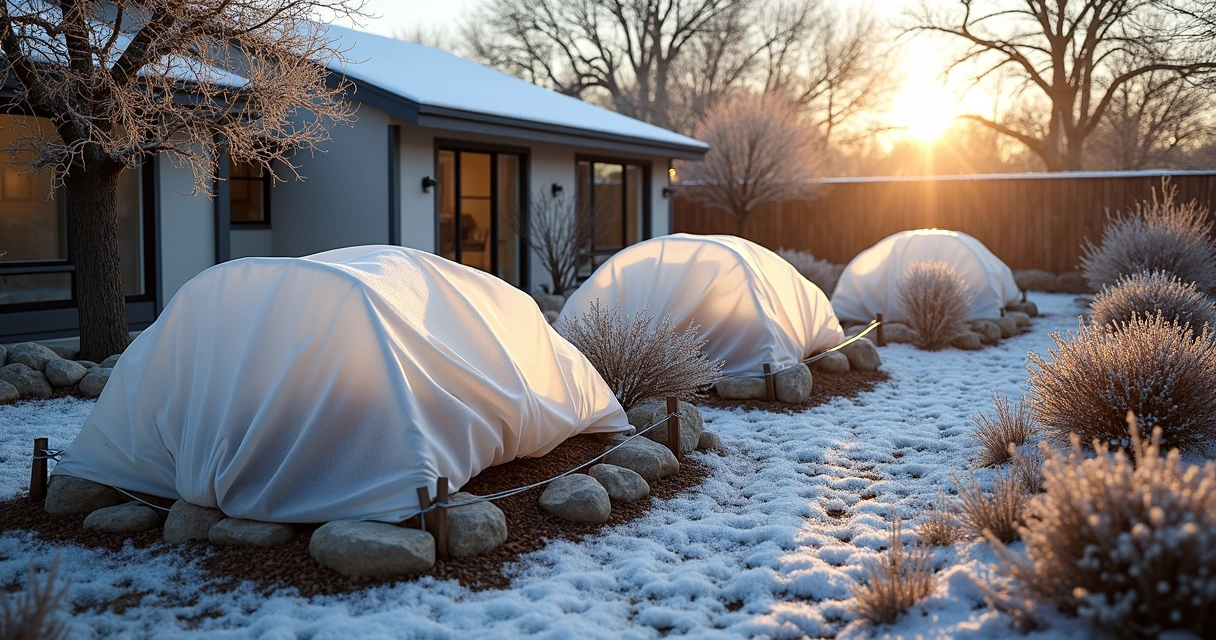
Before a hard freeze, water well a day or two ahead, because moist soil holds heat better than dry soil. Drape frost cloth or an old sheet to the ground and remove it once temperatures climb.
Skip plastic sheeting touching leaves or stems, since it can make cold injury worse. If damage happens anyway, wait until spring growth appears before cutting anything back.
8. Planning the Right Late-Winter Trim

So when does pruning actually belong on the calendar? Late winter, just before spring growth, is the sweet spot for Texas crape myrtles.
Keep it gentle. Remove suckers at the base, crossing or rubbing branches, dead wood, and twiggy growth crowding the center.
Cut back to a side branch or the trunk, never leaving stubs.
If your tree is simply too big for its spot, consider replacing it with a smaller variety like Dazzle or Petite types rather than chopping it every year. Choosing the right size saves you the work for good.