
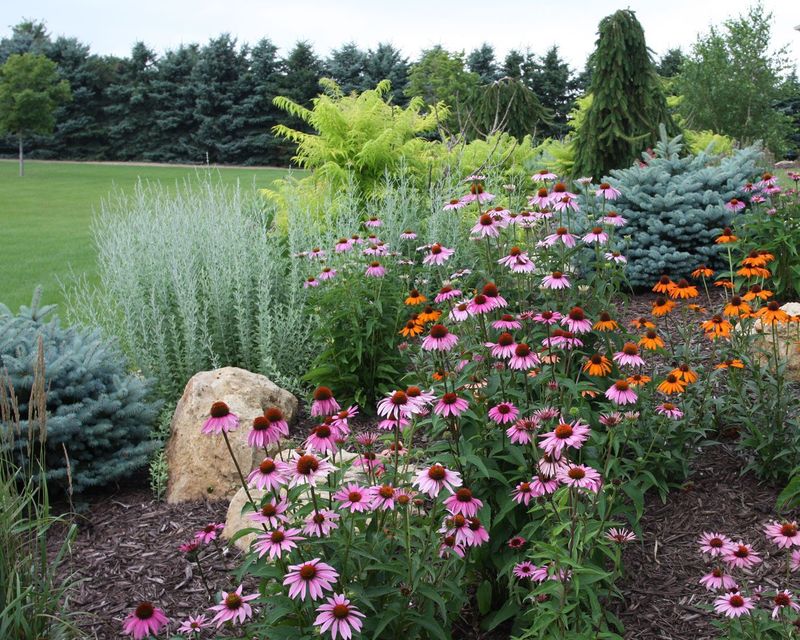
That flat, empty patch of grass over your septic lines does not have to stay boring. Deep, thirsty roots can creep into drain pipes, so many North Carolina homeowners just mow the area and give up.
The good news is that plenty of native plants keep their roots near the surface and still bring color, butterflies, and birds. Late September is a smart time to plant them, since cooler air and fall rain help roots settle in before winter.
1. Little Bluestem
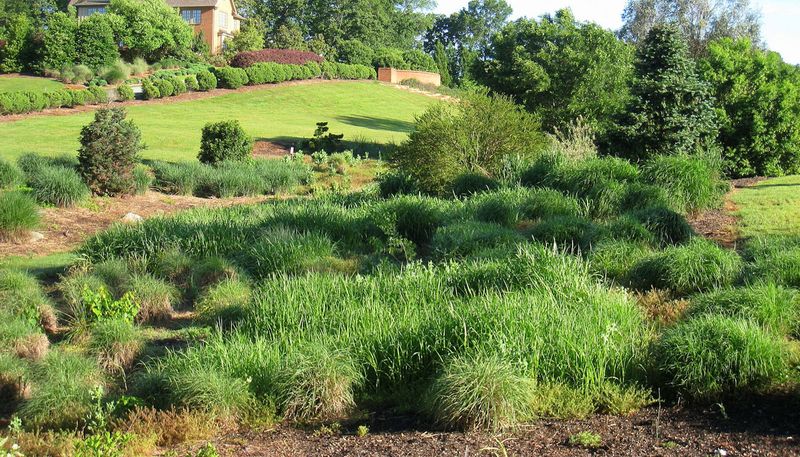
Picture a bunchgrass that turns from blue-green in summer to a glowing coppery red by October. Little bluestem pulls off that trick in yards from the mountains to the coast, and its fibrous roots mostly stay in the top foot or so of soil.
Over a drain field, that matters. Its roots spread sideways in a dense mat instead of hunting downward for pipes, and the clumps hold soil in place during heavy summer storms.
Plant plugs about 18 inches apart this fall. Cut the old stems back in late winter, and that is nearly all the care it asks for.
Seed-eating birds like juncos and sparrows may also visit the seed heads through the cold months.
2. Black-Eyed Susan

Ask almost any longtime North Carolina gardener which wildflower never lets them down, and black-eyed Susan comes up fast. It is cheerful, tough, and happy in the lean, sunny ground that usually sits over septic lines.
The roots are short and fibrous, so there is little reason to worry about pipes. Plants often reseed themselves, slowly filling a bare field with gold from early summer into fall.
Scatter seed or set out small plants now so they can settle before winter. Leave a few dried seed heads standing, since goldfinches love to pick at them.
3. Butterfly Weed
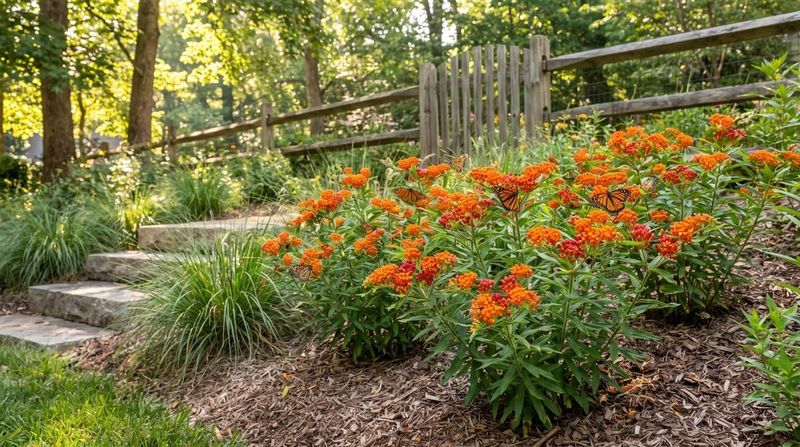
Monarchs drifting through North Carolina need milkweed, and butterfly weed is the showiest way to offer it. Its bright orange flower clusters light up sandy coastal plain yards and dry Piedmont clay alike.
Here is the honest catch. Butterfly weed grows a thick taproot, but it rarely runs deeper than a couple of feet, and it sits in one spot rather than wandering.
For septic safety, place it along the outer edge of the field or between trench lines, not straight on top of them.
Once established, it handles drought with ease. Plant small pots, since older plants dislike being moved.
4. Lanceleaf Coreopsis
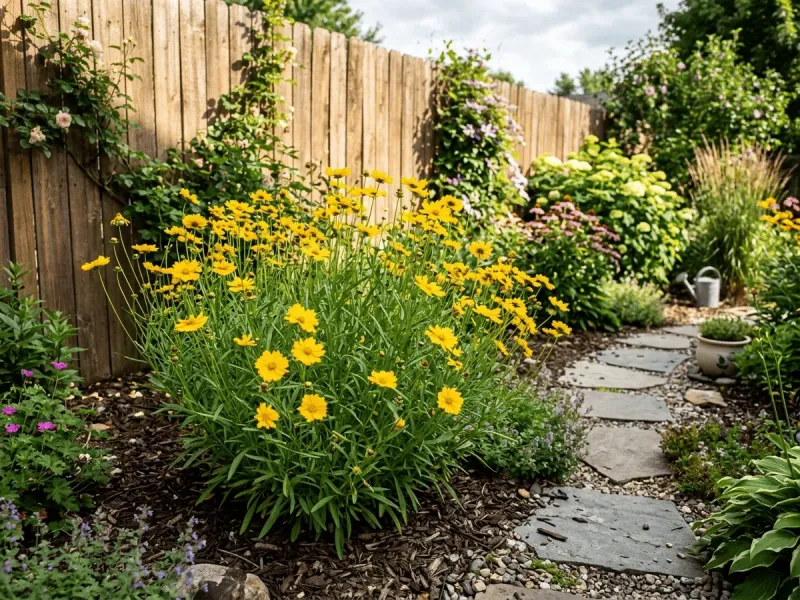
Spring roadsides across North Carolina glow yellow thanks to coreopsis, and the state even sows it along highways. That same toughness makes it a natural fit for a septic field.
Lanceleaf coreopsis keeps a shallow, fibrous root system and thrives in thin soil where lawn grass struggles. It blooms in late spring, then often keeps going if you snip off spent flowers.
Bees and small butterflies stop by often. Sow seed in fall for blooms next May, and expect it to spread gently into open gaps.
5. Purple Coneflower
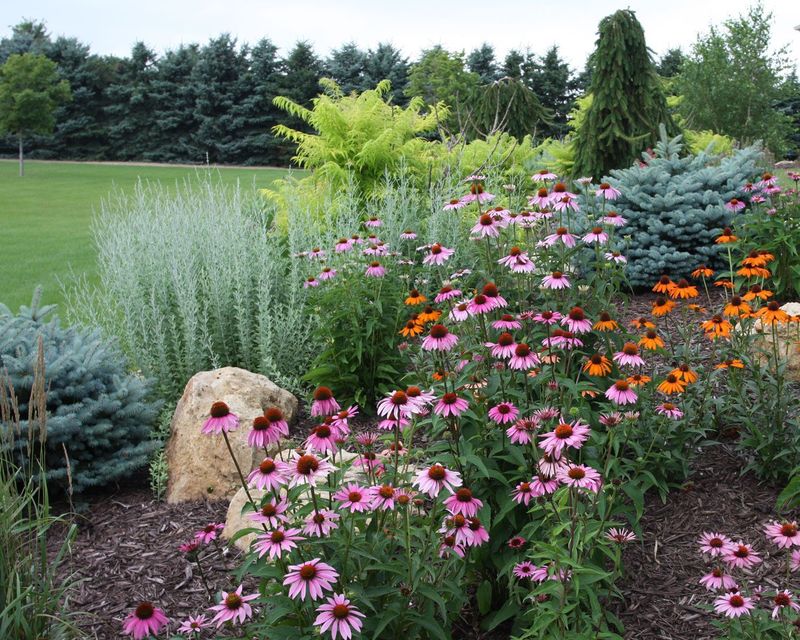
Few flowers pull double duty like this one. In summer, purple coneflower feeds bees and butterflies, and in fall and winter its spiky seed heads feed goldfinches.
Its roots are moderate and clumping, usually staying in the upper soil. That makes it a reasonable choice for drain field edges and spaces between lines.
Pair it with little bluestem for a classic meadow look. September planting gives roots several cool months to grow before next summer’s heat arrives.
6. Pennsylvania Sedge
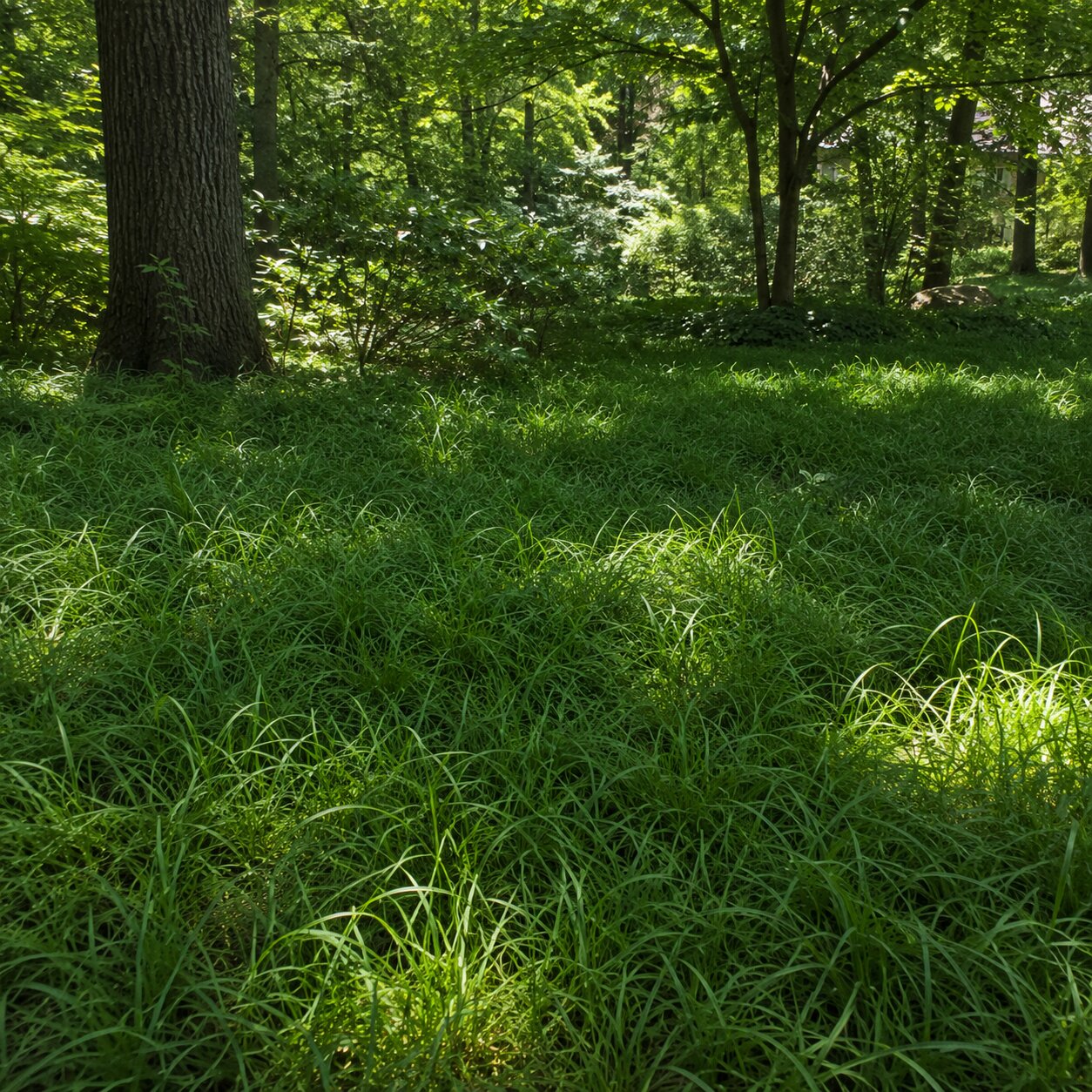
Got a drain field that sits partly under trees? Most wildflowers sulk in shade, but Pennsylvania sedge quietly thrives there.
It forms a soft, fine-textured carpet just a few inches tall, with very shallow roots. Many people use it as a no-mow lawn swap, which also means fewer trips across the field with heavy equipment.
It does especially well in western North Carolina and shady Piedmont lots. Plant plugs about a foot apart this fall and keep them watered until they knit together.
7. Wild Strawberry
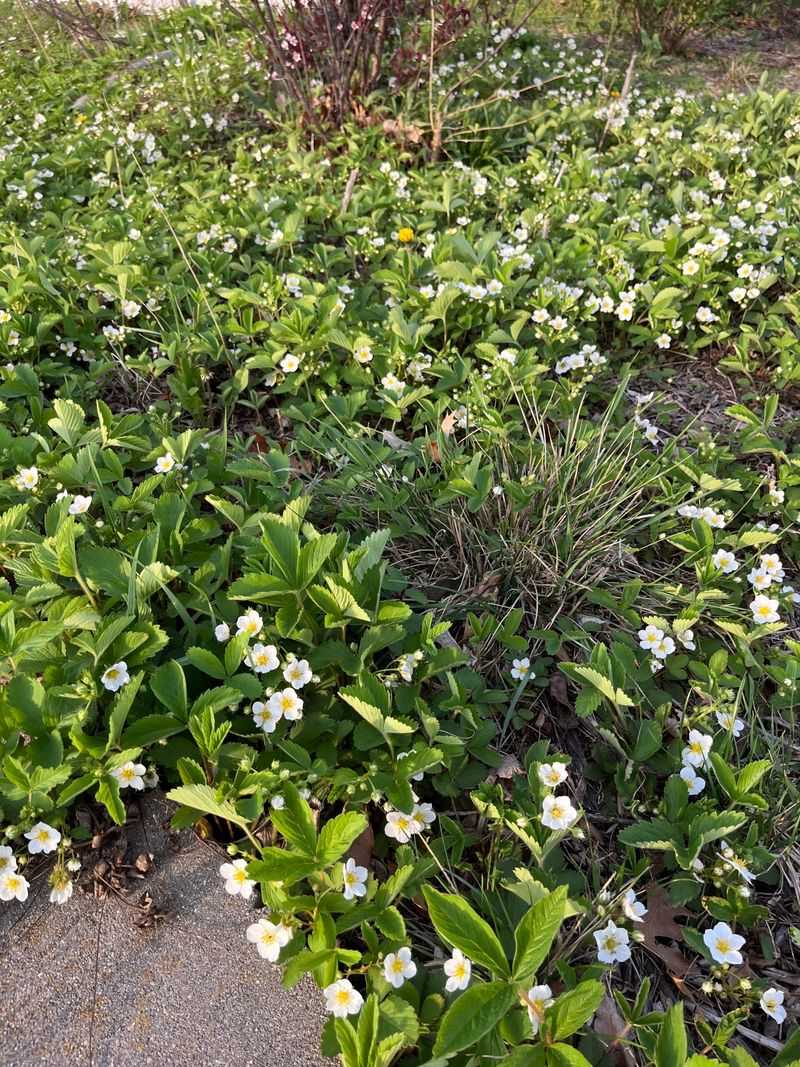
A groundcover you can almost snack on sounds like a bonus, and wild strawberry delivers. Its little berries are tiny, but birds, box turtles, and kids tend to find them first.
Plants spread by runners that root right at the surface, so they cover bare spots fast without reaching toward pipes. White spring flowers support early bees.
Use it to fill gaps between taller plants. One tip: avoid eating anything grown directly over septic lines, and leave those berries for wildlife.