
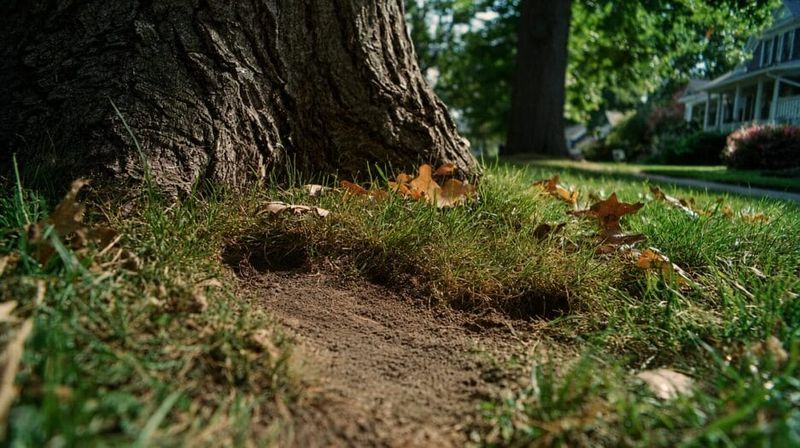
Most gardeners see a squirrel and think of dug-up bulbs and raided bird feeders. But those busy little animals are doing more good in your yard than you might guess, especially during the mild Southern winter.
From planting oak trees to feeding hawks and loosening packed soil, squirrels play quiet roles that can help your garden stay healthy. Before you grab the hose or bang on the window, take a look at these helpful habits.
1. Accidental Tree Planters
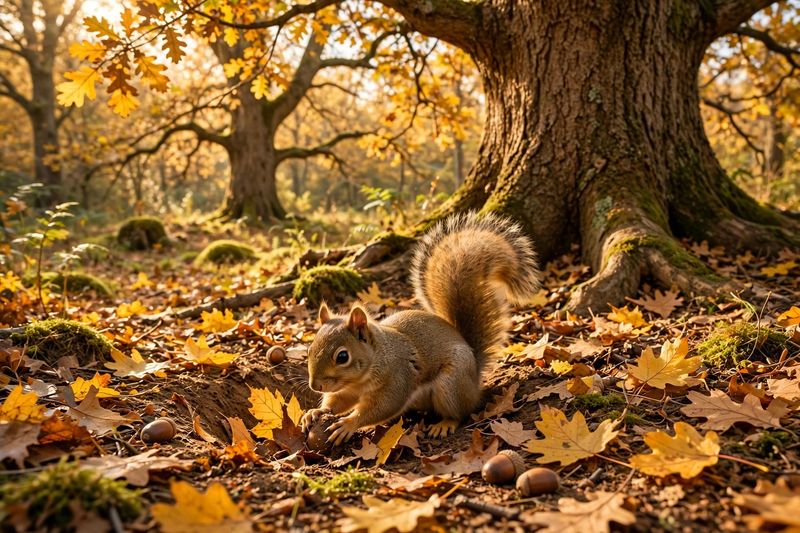
Every live oak shading a Texas street may owe its start to a forgetful squirrel. Eastern gray squirrels bury thousands of nuts each fall and winter, scattering them one at a time across lawns, woods, and garden edges.
Here is the funny part. Researchers estimate squirrels fail to recover a good share of those stashed nuts, sometimes a majority in a bumper year.
Those forgotten acorns, pecans, and hickory nuts can sprout into the next generation of shade trees.
For Southern homeowners, that matters. Oaks and pecans cool yards during brutal summers, lower energy bills, and support hundreds of insect species that feed songbirds.
Of course, not every seedling lands in a good spot. You might find a baby oak popping up in your vegetable bed or along the fence line.
Pull it when it is small, or pot it up and share it with a neighbor who wants a free tree.
If you have room on a property edge, consider leaving one or two volunteer seedlings to grow. A squirrel-planted tree costs nothing, and it is already adapted to your local soil and climate.
That is a pretty good deal from an animal most folks try to shoo away.
2. Free Soil Aeration
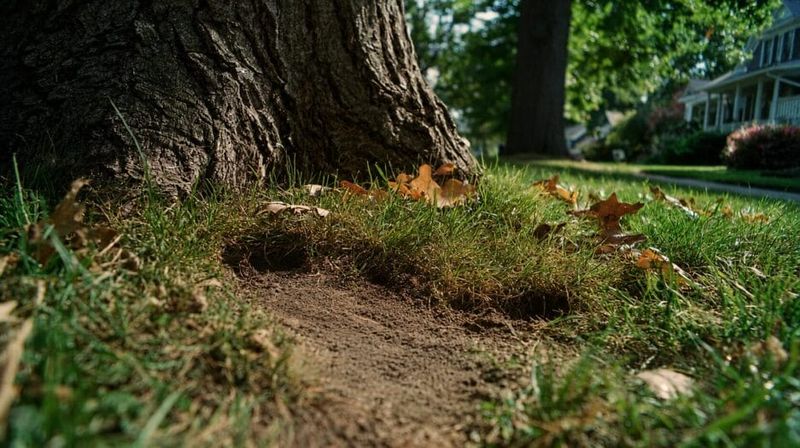
Those little holes in the lawn look annoying at first glance. Yet each one is a tiny aeration pocket, punched by a squirrel digging to bury or recover food.
Compacted soil is a common headache in Southern yards, especially heavy clay in much of Texas. When soil gets packed down, water runs off instead of soaking in, and grass roots struggle to breathe.
Squirrel digging breaks the surface in scattered spots, letting air, rain, and fertilizer move deeper. It will never replace a proper core aerator, but the small disturbance may help loosen tired ground over time, particularly in beds and under trees where you rarely work the soil.
A quick tip keeps things tidy. After a busy squirrel week, walk the lawn and press any loose plugs back down with your foot.
The holes fill in fast during warm spells in Florida and South Texas, where St. Augustine and Bermuda grass keep growing for much of the year.
If digging targets fresh seed or new transplants, lay chicken wire or a light mulch over the spot for a couple of weeks. That protects tender plants while letting squirrels keep working the rest of your yard for free.
3. Spreading Helpful Fungi
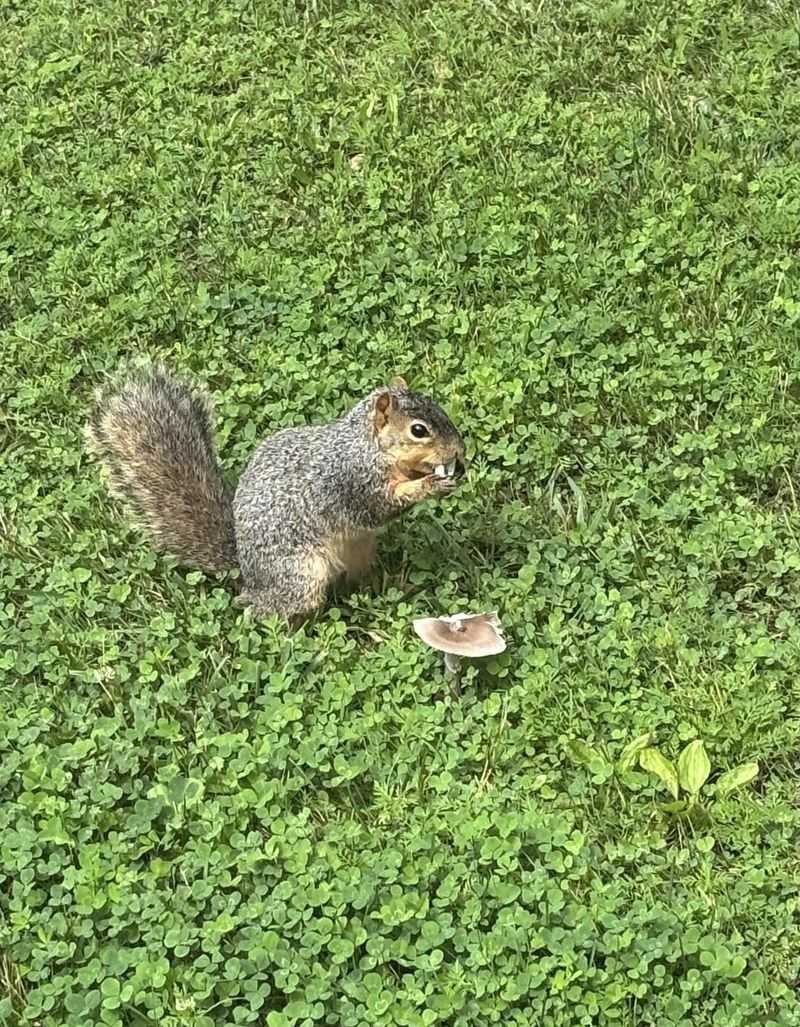
Picture a squirrel nibbling a mushroom at the base of your pine tree. It looks like a snack, but it is actually a delivery service.
Many trees partner with underground fungi called mycorrhizae. These fungi wrap around roots and help them pull in water and nutrients, which is a big deal in sandy Florida soil or drought-prone Texas yards.
Squirrels eat fungi, including some that grow underground, and pass the spores through their droppings in new places.
Scientists have found that small mammals like squirrels are important spore spreaders in many forests. In a backyard setting, that same habit may help move beneficial fungi from tree to tree and bed to bed.
You can support this hidden partnership with a few simple moves:
Leave some leaf litter under trees. Skip heavy fungicide use where it is not needed.
Avoid tilling around established roots.
Healthier root networks can mean trees that handle summer heat and dry spells a little better. It is not flashy work, and you will never see it happening.
Still, the squirrel crossing your yard tonight might be carrying a gift your oaks will appreciate for years.
4. Cleaning Up Fallen Nuts and Fruit
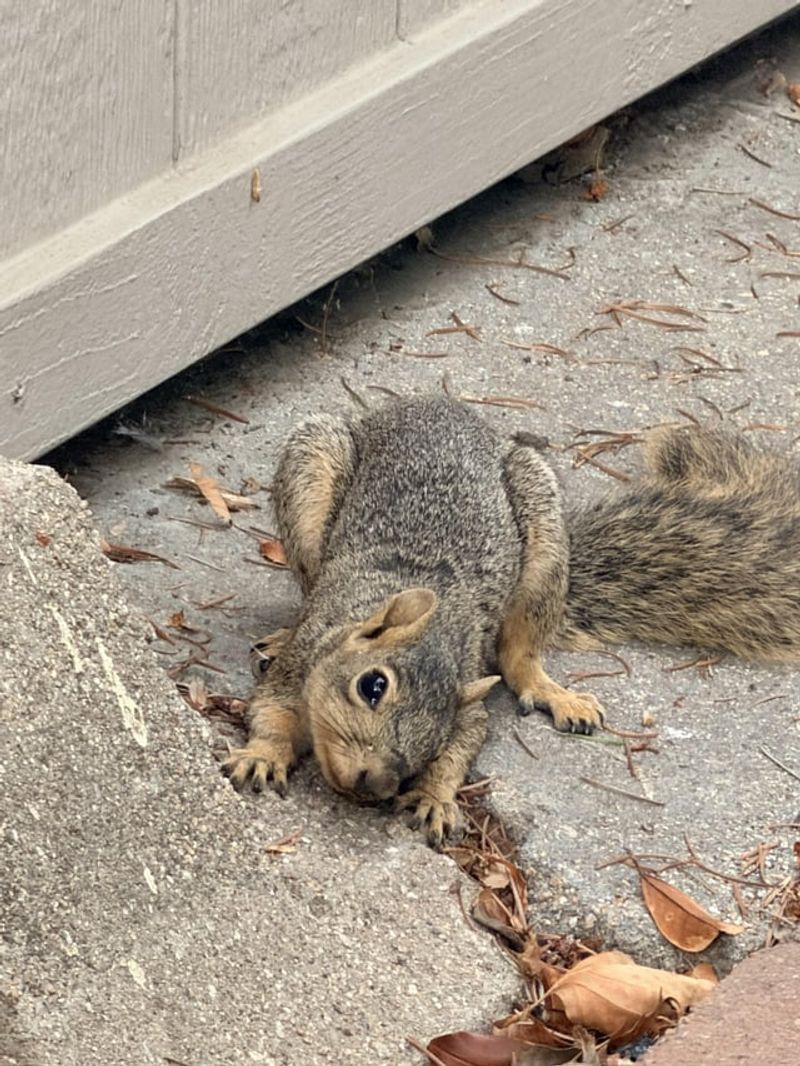
Anyone with a pecan tree in Texas knows the mess. Nuts and husks pile up on the lawn, crunch underfoot, and clog the mower.
Squirrels act like a tiny cleanup crew. They haul off fallen nuts, acorns, and bits of dropped fruit, which can reduce the rotting debris that sits on your grass.
Old, moldy nuts and fruit may attract fruit flies, wasps, and rodents you really do not want near the patio.
To be fair, squirrels do not always wait for the fruit to drop. They will happily raid a peach tree or tomato plant if given the chance.
That is where a little balance comes in.
Protect the harvest you care about with netting or tree trunk baffles. Then let squirrels clear the leftovers you were going to rake anyway.
Many Southern gardeners find this split works well, especially under large pecan or oak trees where hand cleanup is a chore.
Fewer rotting nuts can also mean fewer sprouting seedlings in the lawn next spring. You get a tidier yard, and the squirrels get a winter meal.
Honestly, it beats spending a Saturday bent over with a bucket.
5. Food for Hawks and Owls
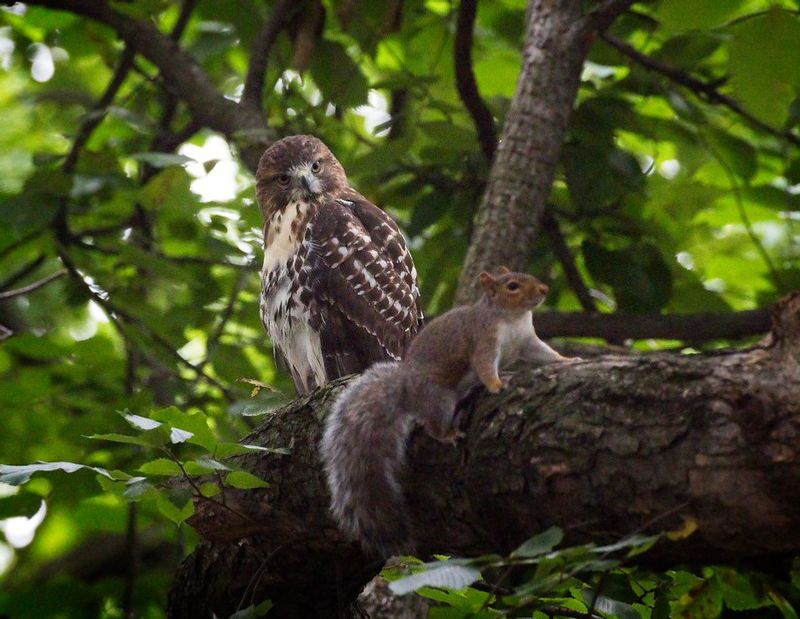
Ever noticed a red-shouldered hawk perched on your fence, eyes locked on the lawn? Chances are good it is watching your squirrels.
Squirrels are a key meal for hawks, owls, foxes, and even bobcats in some Southern areas. A healthy squirrel population helps support these predators, and predators bring benefits of their own.
Hawks and owls also hunt rats, mice, and voles that chew on garden plants and stored seed.
In other words, squirrels help keep the whole backyard food chain humming. Remove them completely, and you may see fewer raptors hanging around to manage the rodents you actually want gone.
Florida and Texas host some impressive birds of prey, from barred owls hooting in the live oaks to Cooper’s hawks cruising suburban neighborhoods. Watching one swoop down is a thrilling bit of wildlife drama right outside your kitchen window.
If you want to encourage these visitors, keep a few tall trees or snags for perching and skip rodent poisons. Poisoned prey can harm the very owls and hawks doing free pest patrol.
A natural balance takes a little patience, but it can be far more reliable than chasing every critter yourself.
6. Occasional Insect Snacking
Squirrels are not strict vegetarians. That surprises a lot of people.
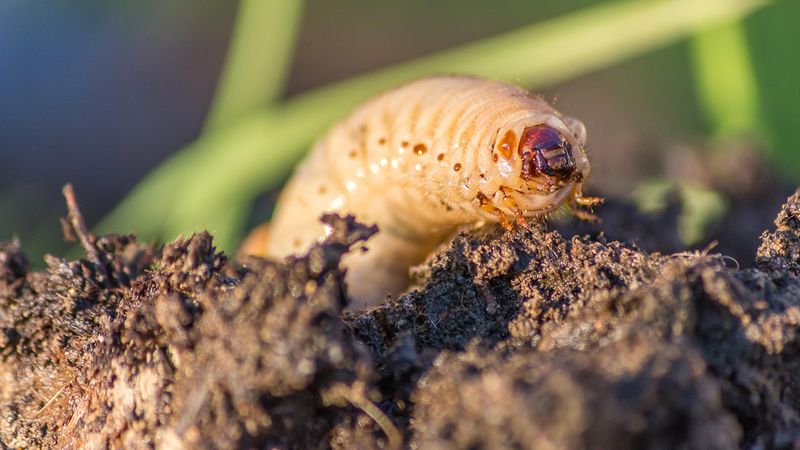
While nuts and seeds make up most of their diet, squirrels will snack on insects, grubs, and caterpillars when the opportunity shows up. In spring and early summer, extra protein helps nursing mothers and growing young.
Does that mean squirrels will wipe out your tomato hornworms? Probably not.
Their bug-eating is opportunistic rather than steady, so think of it as a small bonus rather than real pest control. Still, every grub pulled from the soil is one fewer chewing on grass roots.
Some gardeners report seeing squirrels poking through mulch or bark and coming up with a beetle larva or two. That kind of foraging can also turn over mulch, which helps it dry out and may discourage some moisture-loving pests.
If insects are a serious issue on your vegetables, stick with proven steps like hand-picking, row covers, and attracting birds and beneficial insects. Just know that the squirrel scampering through your beds may be lending a paw now and then.
In a warm Southern garden where bugs breed nearly year-round, every little bit of help counts.
7. Pruning Trees Lightly
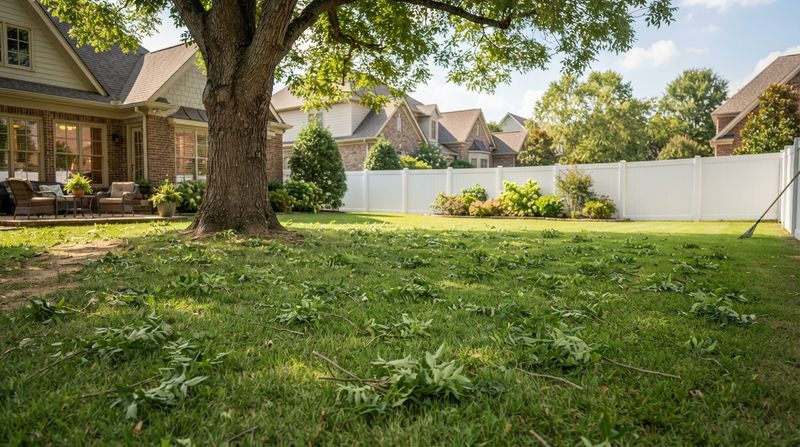
Woke up to a scatter of leafy twigs under your oak? A squirrel was probably doing some clipping overnight.
Squirrels snip off small branch tips to reach buds, collect nest material, or simply keep their teeth trimmed. Their incisors never stop growing, so gnawing is part of daily life.
Mostly this is harmless thinning on big, healthy trees. Light tip pruning can open up dense canopies a touch, letting a bit more light reach the ground below.
In Southern yards, that may help shade-starved grass or flower beds under live oaks.
Now for the honest part. Squirrels can also strip bark or chew on young trees, and that can cause real damage.
Thin-barked maples and young fruit trees are common targets.
A few easy protections help:
Wrap young trunks with hardware cloth. Trim branches that hang near your roof.
Offer a dried corn cob or chew log far from prized trees.
On mature oaks and pecans, the twig drops are usually more of a cleanup nuisance than a threat. Rake them up, toss them in the compost, and know your big trees are holding up fine.
8. Built-In Compost Boosters
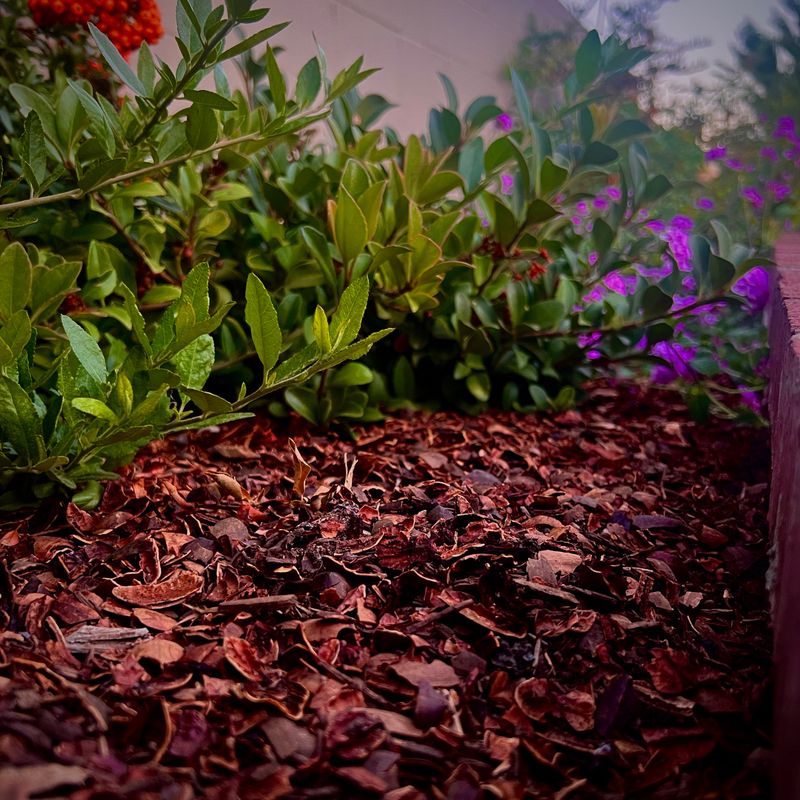
Squirrel droppings rarely make anyone smile. Still, they add a small dose of nitrogen and organic matter wherever squirrels spend time.
Combined with the nut shells, husks, and chewed cones they leave behind, squirrels steadily feed the soil under trees and along fence lines. Those scraps break down into the kind of loose, dark material gardeners spend money buying in bags.
Shells and husks also work nicely in a compost pile. Pecan hulls, in particular, are a popular mulch and compost ingredient in Texas.
Rake up the squirrel leavings, toss them in with fall leaves and kitchen scraps, and let time do the rest.
A quick safety note matters here. Wear gloves when handling animal waste, and keep it out of compost that goes directly on vegetables you eat raw.
A hot, well-managed pile helps break down possible pathogens.
In Florida’s sandy soil, organic matter disappears quickly in the heat. Any extra input helps hold moisture and nutrients longer.
So while squirrels are not running a compost operation on purpose, their daily habits add up to a slow, steady soil boost that your beds can quietly use.
9. An Early Warning System
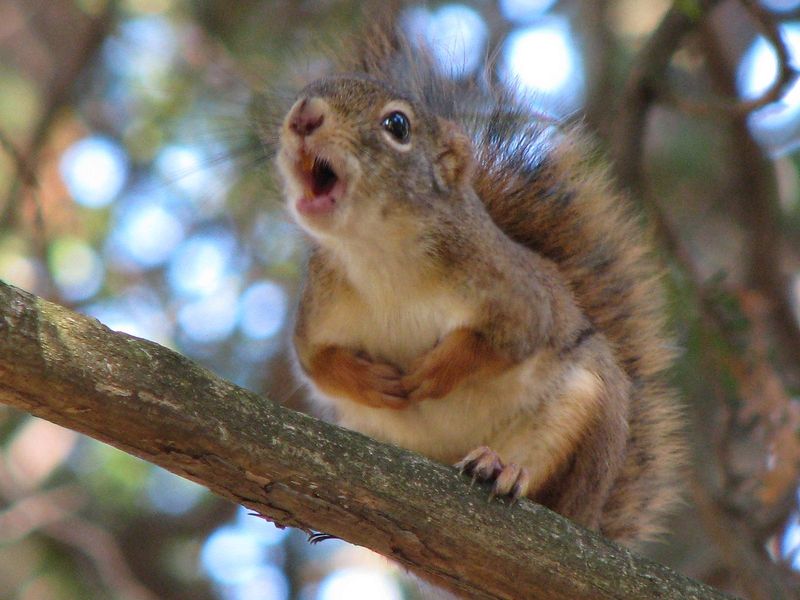
That loud, angry chattering from the oak tree is not random. Squirrels are sounding an alarm.
Squirrels use barks, chirps, and tail flicks to warn each other about predators like hawks, snakes, cats, and foxes. Birds often pay attention to these calls too, and so can you.
For gardeners in Florida and Texas, this is surprisingly handy. A squirrel scolding at the base of a shrub may be pointing out a snake tucked in the mulch.
Persistent chatter near the shed could mean a stray cat or raccoon has moved in.
Learning to read these signals takes just a little attention. Short, repeated barks with tail flicking usually mean a threat on the ground.
Sudden silence and freezing often mean a hawk is overhead.
Next time the backyard gets noisy, glance toward the commotion before stepping into tall grass or reaching under a bush. It is a simple habit that may help you avoid an unwelcome surprise.
Kids especially love this one. Turning squirrel chatter into a backyard detective game teaches them to notice wildlife and stay a little more careful outdoors.
10. Spreading Native Seeds
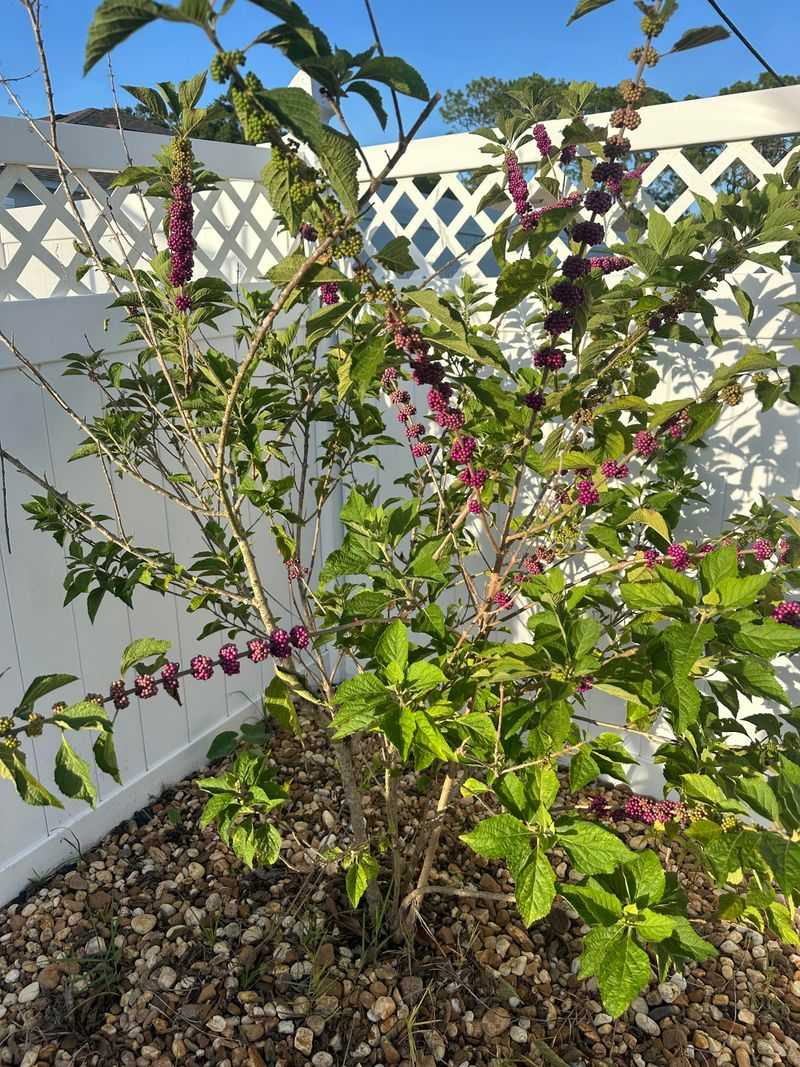
Beautyberry, wild grape, dogwood, and hackberry all have something in common. Squirrels like to eat their fruits and seeds, then carry them off.
As they move around, squirrels drop or stash seeds in new spots. Some pass through their digestive system and land in fresh soil, ready to sprout.
Over time, this helps native plants spread across yards and green spaces.
Native plants are a big win for Southern gardeners. They are tuned to local heat, rain patterns, and soils, so they often need less water and fuss once established.
They also feed pollinators, butterflies, and birds far better than many imported plants.
If you have been wanting a more wildlife-friendly yard, keep an eye out for volunteer seedlings near fences and tree lines. A young beautyberry or yaupon holly may pop up without you planting a thing.
Not every sprout is welcome, naturally. Squirrels can spread weedy species too, so learn to identify what appears before letting it grow.
Apps and local extension offices make this easy.
Keep the keepers, pull the rest, and enjoy a garden that slowly fills itself with plants that belong in your region.
11. Pollinating a Few Flowers
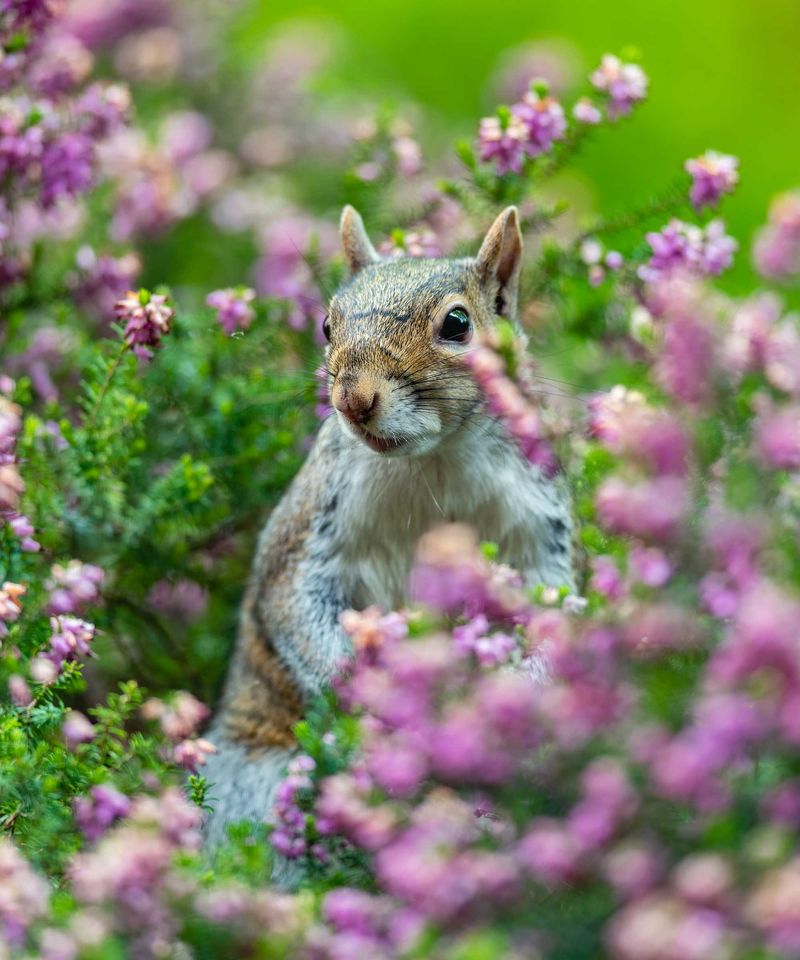
Bees and butterflies get all the credit. Yet now and then, a squirrel ends up with a pollen-dusted nose.
Squirrels sometimes nibble on flowers, buds, and catkins, especially in late winter and early spring when food runs low. As they move from bloom to bloom, pollen can cling to their fur and get carried along.
Let us keep this realistic. Squirrels are minor, accidental pollinators at best, nothing close to a honeybee.
Their contribution likely matters most on tree catkins and a few open-faced flowers.
So why include it? Because it shows how connected backyard wildlife really is.
Even an animal known for raiding feeders plays a tiny part in plant reproduction.
The flip side is that squirrels sometimes eat blooms you were looking forward to, like tulips or sunflower heads. In Southern gardens, sunflowers are a common casualty.
A smart compromise helps. Plant a few extra sunflowers as a sacrifice row, and cover the ones you want to save with mesh bags once seeds form.
That way, squirrels get a share, your garden keeps its color, and you might just catch one wearing a little yellow pollen mustache.
12. A Sign Your Yard Is Healthy
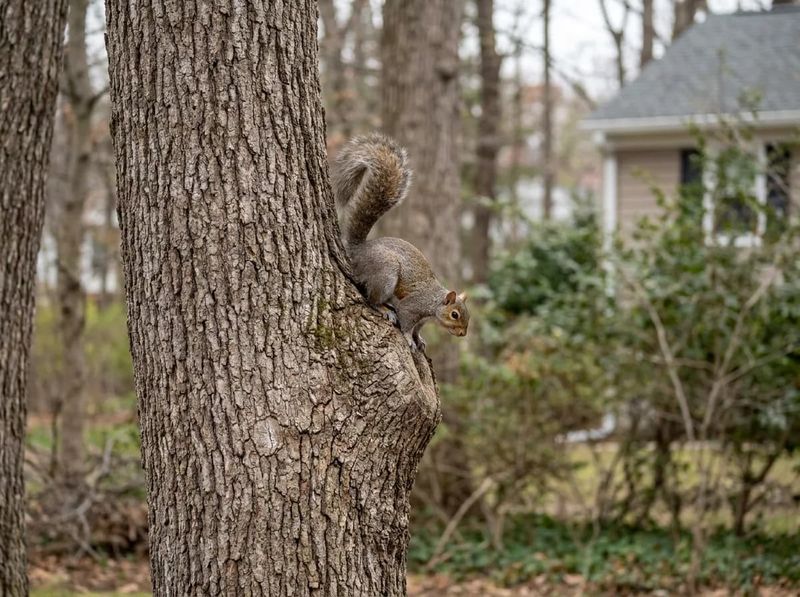
Here is a thought worth sitting with. If squirrels are busy in your yard, your yard is probably doing something right.
Squirrels thrive where there are mature trees, food sources, water, and safe cover. Those same features support songbirds, pollinators, toads, and other wildlife that help a garden run smoothly.
A yard with zero squirrels might be lacking the trees and habitat many beneficial creatures need.
In the South, where winters are mild and squirrels stay active much of the year, they are a useful everyday indicator. Steady squirrel activity often points to healthy oaks, pecans, and pines, plus a decent mix of shrubs and ground cover.
That does not mean you have to love every dug-up pot. Set a few friendly boundaries instead of starting a war:
Use baffles on bird feeders. Cover new plantings with wire.
Harvest ripe tomatoes a day early.
With a little planning, squirrels can stay part of the scenery rather than a constant battle. This winter, try watching them for a week before chasing them off.
You may find they are telling you a lot about how well your yard supports life, and that is something worth keeping.