
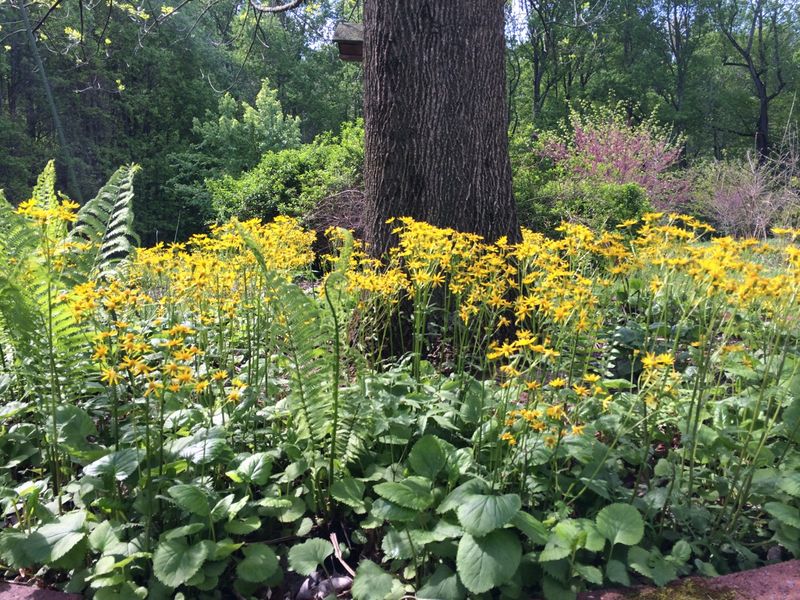
Some of the first yellow flowers of spring in North Carolina belong to a low, leafy native called golden ragwort. Early bees and other insects need food when the weather is still chilly, and a few well-chosen plants can help.
Golden ragwort is not right for every yard, but it may be a smart fit for the right spot. Here is how to tell if your garden is one of them.
Consider golden ragwort for an early-spring garden
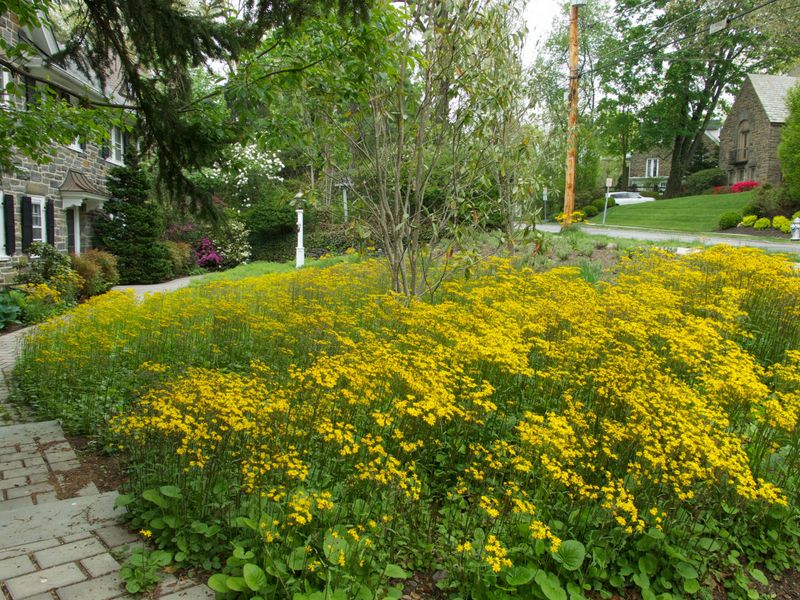
Golden ragwort (Packera aurea) is a native perennial with clusters of small, bright yellow flowers that look a bit like daisies. The blooms rise on slender stems above a low carpet of rounded, heart-shaped leaves.
It is a good plant to learn about if you want something native that wakes up early in the year.
According to NC State Extension’s Plant Toolbox, golden ragwort is one of the first spring wildflowers to bloom in North Carolina’s mountains and Piedmont. The same source says its yellow flowers attract many pollinators.
That makes it a promising candidate for gardeners who want to offer something to insects when few other flowers are open.
It helps to keep expectations realistic. Golden ragwort is not a trend that every gardener is following, and no one can say it is the best plant for early pollinators.
It is simply a native option with a useful bloom period and a few clear needs.
Planting it in fall does not guarantee flowers or forage the following spring. A new plant may need a full season or more to settle in, and bloom can vary from site to site and year to year.
Think of it as a potential early-season resource that you are setting up for the future.
The best candidates for this plant are yards with damp, partly shaded ground, such as the edge of a woodland bed, a spot near a downspout, or a low area that stays moist. The next sections cover timing, site choice, planting, and the plant’s habits, so you can decide whether it deserves a place in your garden.
Treat early bloom as a season, not a date
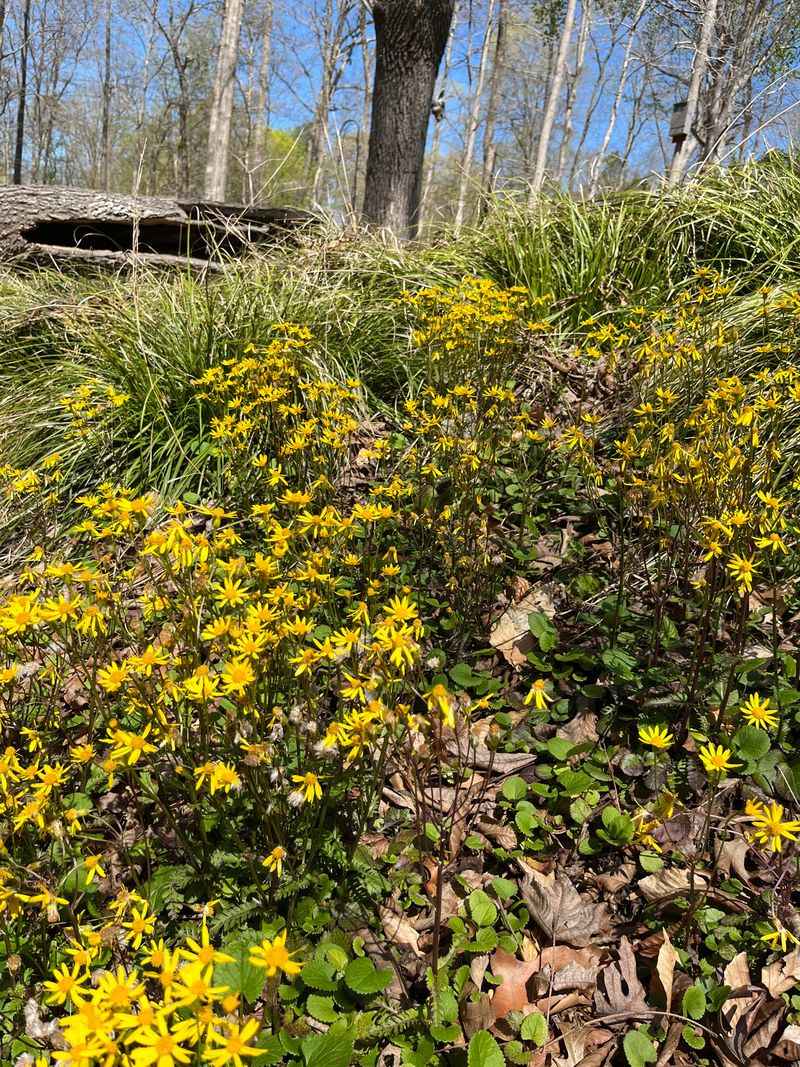
When a source calls a plant one of the first spring wildflowers, it is describing a general order of bloom, not a date you can circle on a calendar. NC State describes golden ragwort that way for the mountains and Piedmont.
It does not name a statewide bloom date, and it does not promise flowers on the first warm days.
In practice, that means timing shifts. A mountain garden at higher elevation will usually wake up later than a Piedmont yard, and a cold snap or a warm spell can move things by weeks.
Shade, soil moisture, and the age of the plant can all change when you see the first yellow.
Maryland’s extension guidance on golden groundsel describes a spring bloom season too, which fits the idea that exact timing depends on where you garden. Treat any date you read as a rough guide.
The same caution applies to fall planting. A plant installed in October or November may spend its first spring putting energy into roots and leaves, and it might bloom lightly or not at all.
If it does flower, you may have a small early food source. If it does not, you have still started a patch that could offer more in later years.
A simple habit helps here. Note the date you first see open flowers each year, along with how cold or warm the weeks before were.
After two or three springs, you will have a local bloom calendar that is more useful than any general statement.
Match it to a moist, partly shaded site
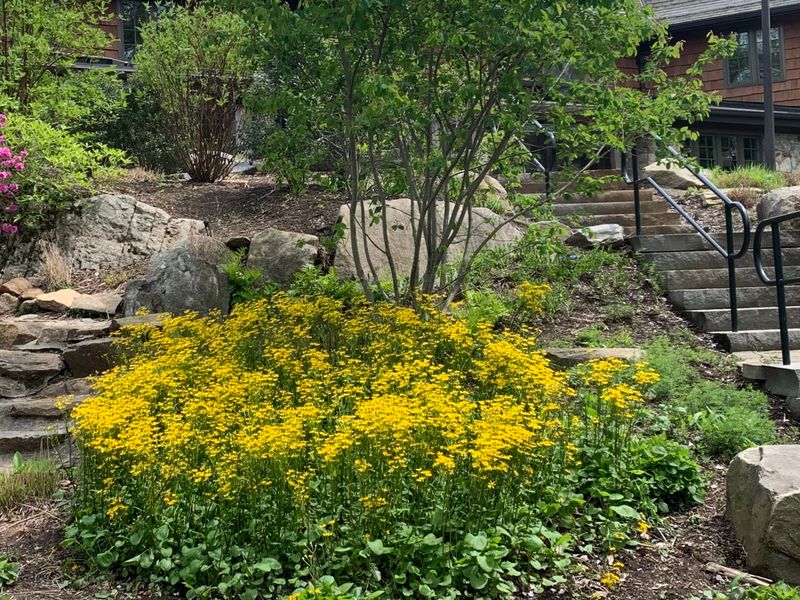
Before you buy a single plant, walk your yard and look for the damp, shady spots. NC State’s plant profile lists golden ragwort in the mountains and Piedmont of North Carolina and calls it fairly common there.
It does best in moist to wet soil with shade or part shade.
The plant can grow in full sun to partial shade, but NC State advises that it should not be allowed to dry out. A sunnier site is possible, though it will need more moisture to keep the plants healthy.
A dry, sunny bed with sandy or fast-draining soil is a poor match unless you are willing to water regularly.
Good places to try include the edge of a woodland garden, a low spot where water lingers after rain, the area around a rain garden, or a shaded slope with rich soil. Check the ground a day or two after a heavy rain.
If it still feels damp a few inches down, that is a good sign.
Gardeners outside the mountains and Piedmont should not assume the plant is a universal fit. The Coastal Plain, with its sandy and often quickly draining soils, can be very different from a shaded Piedmont hollow.
If you live there, check with your county Cooperative Extension office or a local native plant group before planting.
One quick test is to buy a single plant first. Put it in your best candidate spot, watch it through a full growing season, and then decide whether to add more.
Plant in fall only if you can provide establishment water
Fall is a good time to plant hardy perennials in North Carolina, because cooler air and warmer soil let roots grow without summer stress. N.C.
Cooperative Extension points to October through early December as a useful window. That is a helpful range, not a guarantee that any plant will establish.
Water is the catch. New plants still need consistent moisture, and NC State’s Native Plant Handbook advises keeping new native plants well watered for the first few weeks, until their roots take hold.
For a plant that dislikes drying out, that advice matters even more.
Do not count on autumn rain to do the job. Fall can bring long dry spells, and some areas of the state deal with drought.
Before you plant, check the current drought conditions for your county and look up any local watering restrictions.
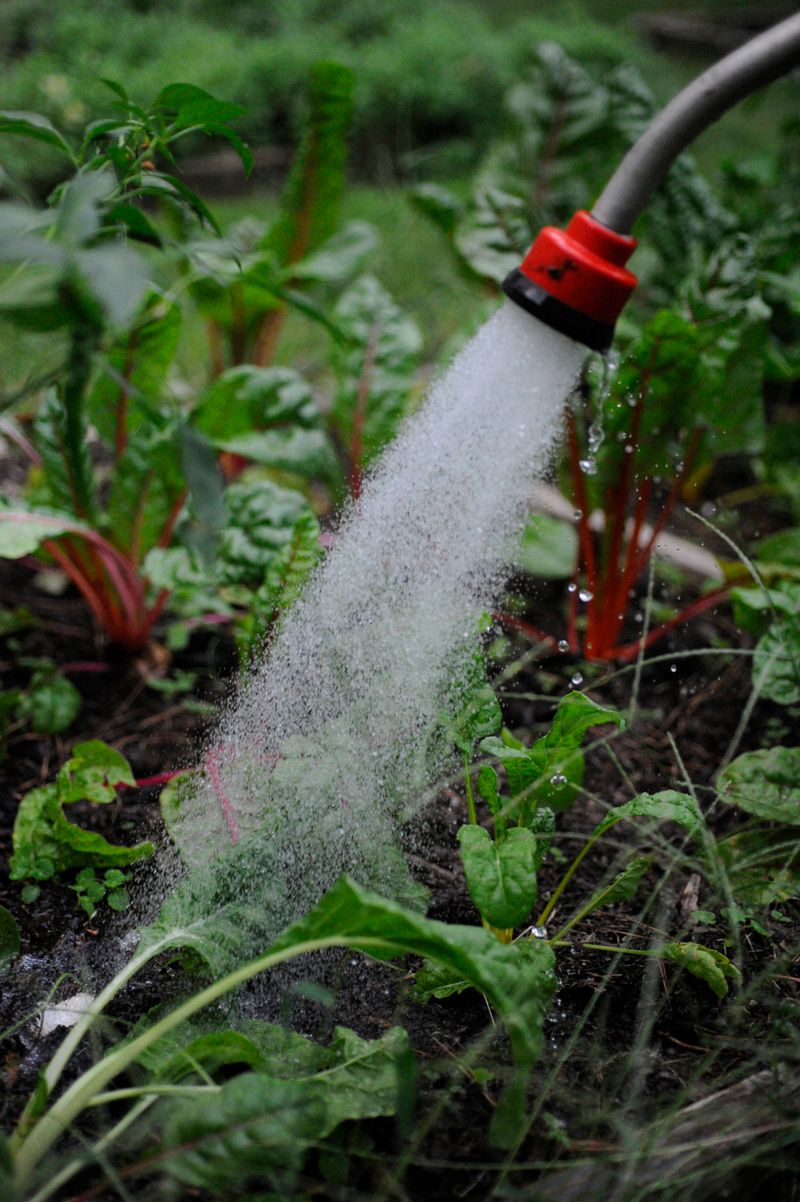
If limits apply where you live, you may be better off waiting or planning how you will water within the rules. A hand-held can or a rain barrel, where allowed, can be a practical way to give each plant a steady drink.
A simple routine works well. Plant in moist soil, water thoroughly at planting, and check the root zone every few days for the first several weeks.
Add a thin layer of mulch to hold moisture, keeping it off the crown of the plant.
Leave room for its spreading habit and handle it carefully
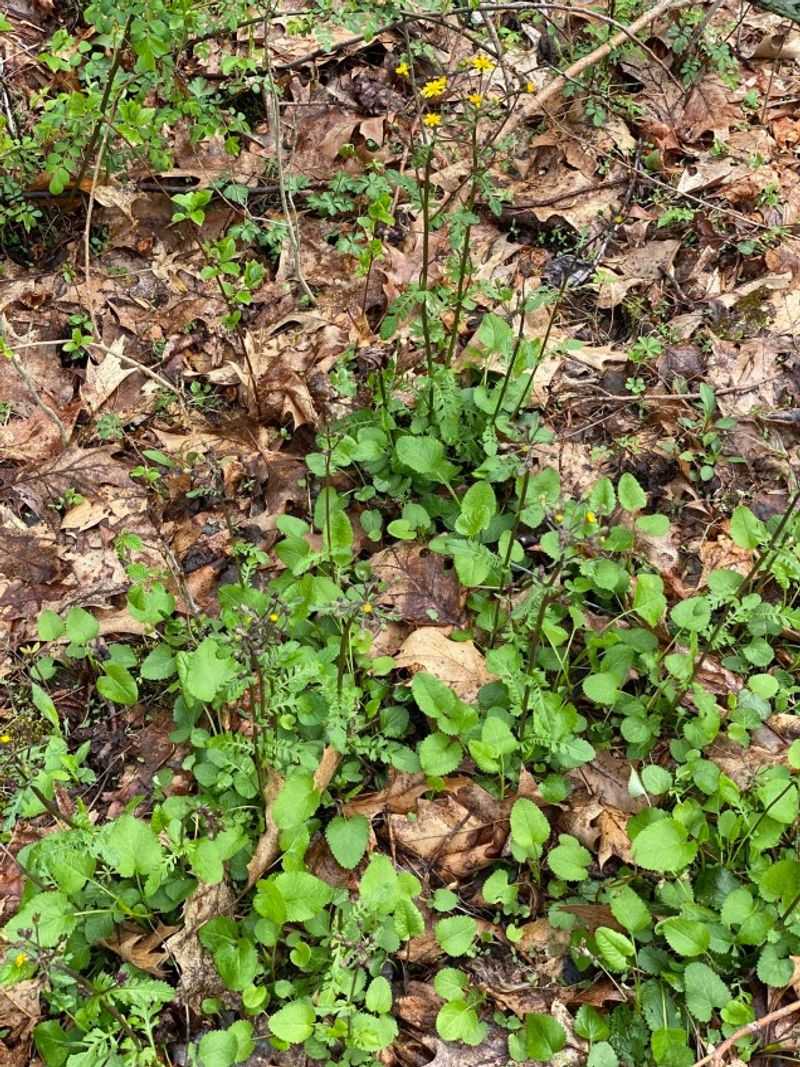
Give this plant space, because it likes to spread. NC State says golden ragwort can form thick mats, colonize an area, and be somewhat weedy.
It also reseeds itself, so a few plants can become a patch over time.
That makes it a poor choice for a tidy, formal border. Maryland Extension also cautions against placing it near less vigorous plants, since a spreading mat can crowd out smaller or slower neighbors.
Delicate wildflowers and small ferns may struggle beside it.
Where spreading is welcome, though, it can be an asset. Consider a shaded slope you want covered, a damp corner that is hard to plant, or a naturalized woodland edge.
Sturdy companions with similar moisture needs are a better match than tiny, easily crowded ones. You can also pull unwanted seedlings in spring or edge the patch to keep it in bounds.
Handle it with care. NC State lists golden ragwort as poisonous to humans at low severity, and its profile notes potential liver toxicity and skin irritation from contact with the leaves.
Wear gloves when dividing or pulling plants, and wash your hands afterward.
Do not use this plant for food or tea. Keep children’s play in mind when choosing a location, and teach them not to chew or pick the leaves.
The profile does not give broader guidance on pets, so check with a veterinarian if you have questions about animals in your yard.
Make it one part of a season-long pollinator garden

One early bloomer cannot feed pollinators all year. NC State’s Native Plant Handbook recommends growing multiple native species that flower across the growing seasons, so insects have something to visit from spring through fall.
Golden ragwort can be a piece of that plan, not the whole thing.
Think in layers of time. Pair it with natives that bloom later in spring, in summer, and into autumn, and choose ones that suit the light and moisture in your yard.
Your county Extension office or a local native plant sale can point you to good regional choices.
If you have room for a larger tree, red maple is native across North Carolina and flowers in late winter, and NC State says its flowers attract bees. It can reach 40 to 70 feet tall, though, so it is not a fit for every yard.
Skip Carolina jessamine for bees, since NC State lists its pollen as toxic to honeybee colonies.
The practical takeaway is simple. Choose a moist, partly shaded spot, plan for establishment water, and treat the early bloom as a potential contribution rather than a promise.
A patch of yellow in March is a small gift to a hungry bee, and the garden around it is what keeps the gift coming.